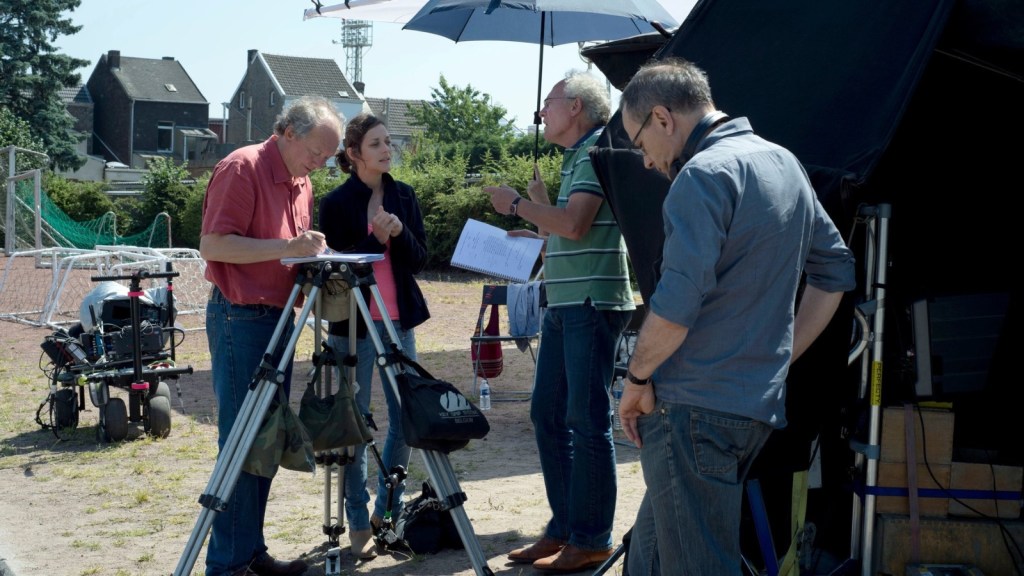
The Dardenne brothers, Jean-Pierre and Luc, from Belgium, have become synonymous with a distinct kind of social realism in contemporary cinema. The directing duo is best known for their raw, authentic portrayals of life in the working-class areas of Belgium, with films like Rosetta and The Kid with a Bike earning them international acclaim and multiple awards at the Cannes Film Festival.
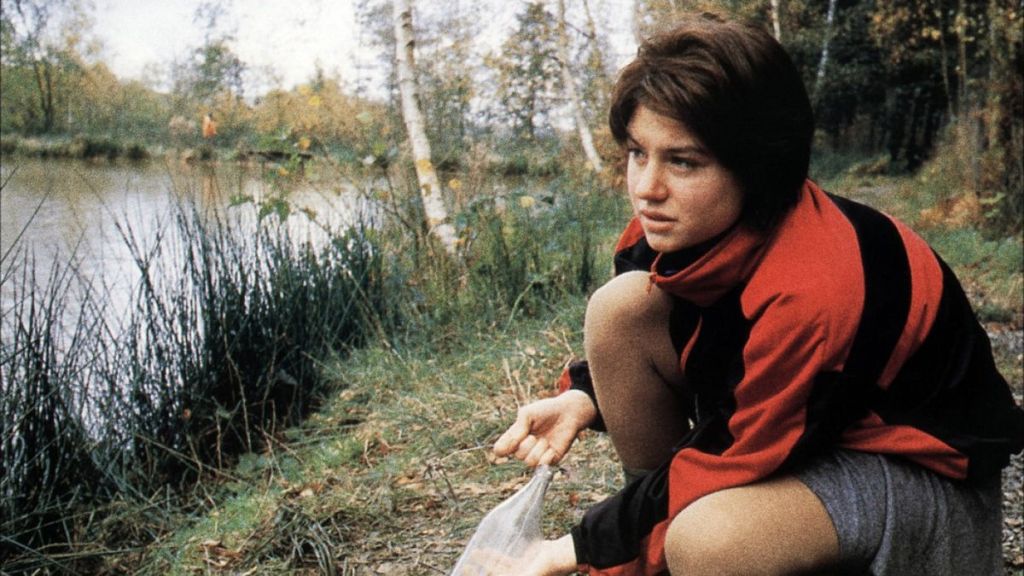
Coming from a background in documentary filmmaking, the Dardenne brothers initially made a name for themselves with their uncompromising, gritty approach to storytelling. This experience has deeply informed their narrative features, imbuing them with a sense of realism and immediacy. Their films often explore themes of class struggle, poverty, and moral ambiguity, as they spotlight individuals living on the fringes of society. Rosetta, for instance, presents an unflinching look at a teenage girl’s desperate efforts to secure employment and escape poverty.
Their filmmaking approach is characterised by an insistence on capturing the rawness of human experience. They often use handheld cameras and follow their characters closely, creating a sense of immediacy and intimacy. Their films tend to have minimal musical scores and rely heavily on diegetic sound to heighten the realism. The Dardennes’ focus on character-driven narratives is also notable, with films like The Son showcasing their ability to depict complex human emotions with simplicity and profundity.
Gritty Chronicles: Raw Realities of the Marginalised
Regarding visual style, the Dardenne brothers are known for their austere, stripped-down aesthetics. Their films often feature naturalistic lighting, locations instead of sets, and an unobtrusive camera that immerses viewers in the character’s world. This visual style is seen in The Child, where the drab, industrial landscapes of Seraing in Belgium become a significant backdrop for the protagonist’s struggles.
The Dardenne brothers’ influence can be seen in the works of directors worldwide who employ social realism in their filmmaking. Their focus on marginalised characters and their use of cinema as a medium to expose and explore societal issues have considerably impacted contemporary cinema. The brothers have also played a vital role in putting Belgian cinema on the global map, making them not just influential figures in their home country and significant contributors to world cinema. Their films have consistently received critical acclaim and sparked discussions about the societal issues they illuminate, reinforcing their status as important voices in the film industry.

Jean-Pierre Dardenne (1951 –) & Luc Dardenne (1954 –)
Calculated Films;
- The Promise (1996)
- Rosetta (1999)
- The Son (2002)
- The Child (2005)
- The Kid With A Bike (2011)
- Two Days, One Night (2014)
Similar Filmmakers
- Ken Loach
- Laszlo Nemes
- Lynne Ramsay
- Maurice Pialat
- Michael Haneke
- Mike Leigh
- Ramin Bahrani
- Robert Bresson
- Roberto Rossellini
- Shane Meadows
- Ursula Meier
- Vittorio De Sica


The Dardenne Brothers’ Top 10 Films Ranked
1. Rosetta (1999)
Genre: Drama, Slice of Life
2. The Promise (1996)
Genre: Drama, Coming-of-Age

3. The Son (2002)
Genre: Drama
4. The Kid With A Bike (2011)
Genre: Drama, Coming-of-Age

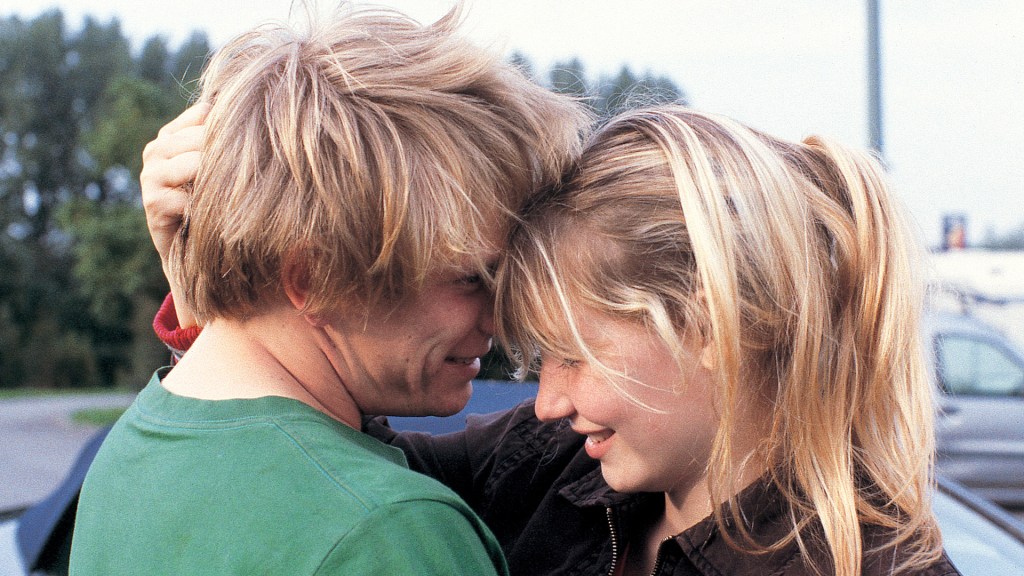
5. The Child (2005)
Genre: Drama, Crime, Romance
6. Two Days, One Night (2014)
Genre: Drama

7. Lorna’s Silence (2008)
Genre: Drama

8. The Unknown Girl (2016)
Genre: Drama

9. Tori and Lokita (2022)
Genre: Drama

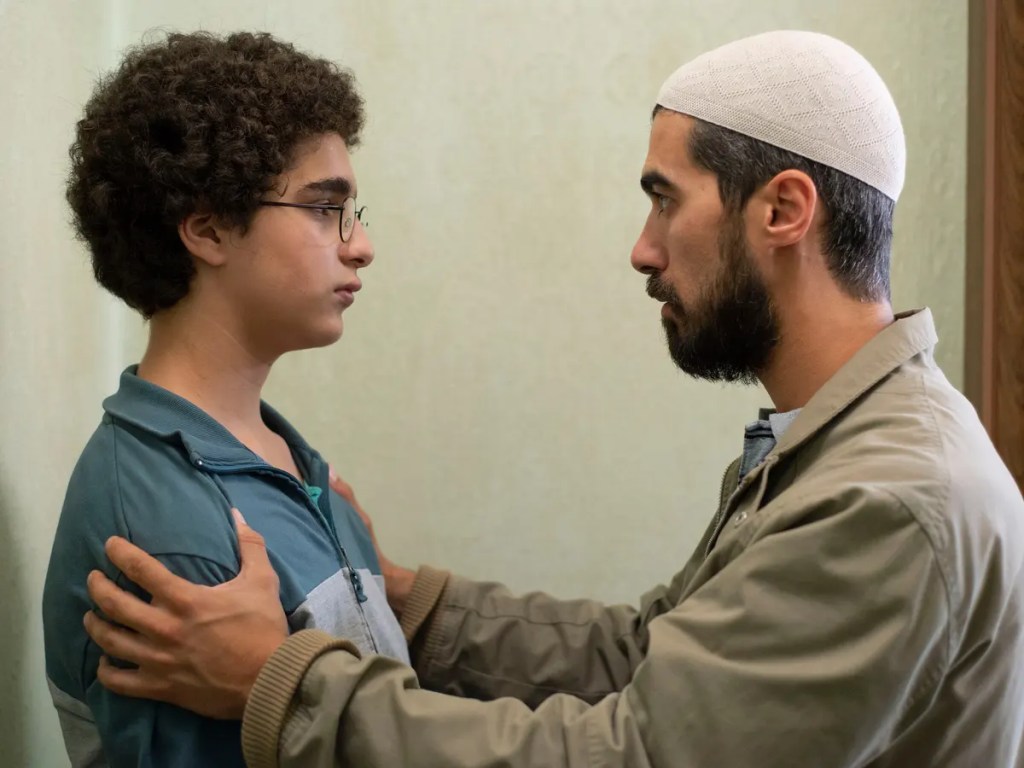
10. Young Ahmed (2019)
Genre: Drama
The Dardenne Brothers: Themes and Style
Themes:
- Socio-economic Struggles: A significant portion of the Dardenne Brothers’ films explore the challenges faced by working-class individuals, emphasising the socio-economic disparities and the struggles of the marginalised.
- Moral Dilemmas: Their characters often confront moral quandaries that force them to make difficult decisions, reflecting the complexities of human nature.
- Redemption and Hope: Despite the bleak settings and circumstances, there’s always a glimmer of hope or a chance for redemption in their narratives.
- Parent-Child Dynamics: The relationship between parents and children is a recurring theme, showcasing the complexities of familial ties and responsibilities.
Styles:
- Handheld Cinematography: The Dardennes often employ handheld cameras, giving their films a documentary-like, immediate feel. This approach draws the audience directly into the world they create.
- Naturalistic Acting: The performances in their films are incredibly authentic, often blurring the lines between fiction and reality. They frequently collaborate with non-professional actors to achieve this raw authenticity.
- Minimalist Approach: The brothers are known for their stripped-down filmmaking. They avoid non-diegetic music, ensuring that all sounds come from the world within the film. This minimalism extends to their storytelling, with straightforward plots devoid of unnecessary embellishments.
- Intimate Close-ups: Close-up shots of characters are a signature style, forcing the audience to engage deeply with the characters’ emotions and dilemmas.
Directorial Signature:
- Real-time Narrative: Many sequences in their films unfold in real-time, immersing the viewer in the moment and heightening the emotional impact.
- Character-Centric: Their films revolve around character development rather than plot-driven narratives. The audience becomes deeply invested in the characters’ journeys.
- Location Choices: The Dardennes often set their stories in the post-industrial landscapes of Seraing, Belgium, using the decaying urban environments to reflect the societal decay and the challenges faced by their characters.
- Collaborative Filmmaking: The brothers co-write, co-produce, and co-direct their films, resulting in a cohesive vision. Their joint approach is perhaps what makes their directorial voice so distinct and harmonised.
- Repeat Collaborations: They frequently work with the same actors across different projects, including Olivier Gourmet and Jérémie Renier, cultivating a deep mutual understanding that reflects in the authenticity of the performances.
Luc & Jean-Pierre Dardenne: The 151st Greatest Director


 Bronze Screen Dream