

Jean Negulesco was a Romanian filmmaker renowned for his distinctive directorial style in the classical period of Hollywood. He was especially acclaimed for crafting films in various genres, from film noir to romantic dramas and musicals, with some of his most notable works including How to Marry a Millionaire, Johnny Belinda, and Three Coins in the Fountain. His films were particularly celebrated for their visual elegance, deft storytelling, and the strong performances he elicited from his actors.
Negulesco’s journey in the film industry began in the realm of art and painting, which deeply influenced his cinematic visual style. He transitioned to Hollywood in the 1930s, initially working in the art department before moving into directing. His early career was marked by short films and B-movies, where he honed his skills and developed a keen eye for composition and framing. The breakthrough came with Johnny Belinda, a film that not only earned him an Academy Award nomination for Best Director but also established him as a master of melodrama and a director capable of eliciting powerful performances from his actors.
The 1950s represented the zenith of Negulesco’s career, during which he directed some of his most memorable and commercially successful films. How to Marry a Millionaire and Three Coins in the Fountain are particularly noteworthy for their lush cinematography, ensemble casts, and the blend of romance and comedy, elements that became hallmarks of Negulesco’s style. His adeptness at handling ensemble casts and his penchant for shooting in exotic locales contributed significantly to the visual and emotional appeal of his films.
Despite his successes, Negulesco also faced challenges and periods of decline in his career. The changing dynamics of Hollywood and the shift towards television in the late 1950s and 1960s impacted his work, leading to fewer notable projects. However, he continued to direct and contribute to the film industry, adapting to new trends and mediums.
Negulesco’s films often explored themes of love, identity, and human resilience, typically unfolding against the backdrop of society’s upper echelons. He had a talent for making these themes accessible and compelling to general audiences, often employing a touch of humour or melodrama to make the narratives more engaging. For instance, How to Marry a Millionaire artfully combines romance and comedy while providing a fascinating glimpse into the lives and aspirations of its female protagonists. Additionally, his films are noted for their strong female characters, each uniquely crafted and integral to the story’s development.
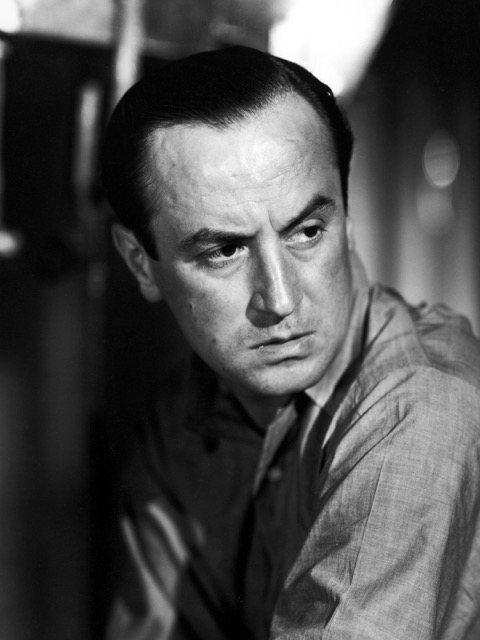
Jean Negulesco (1900 – 1993)
Calculated Films:
- Humoresque (1946)
- Johnny Belinda (1948)
Similar Filmmakers
- Anatole Litvak
- Charles Walters
- Curtis Bernhardt
- Delmer Daves
- Douglas Sirk
- Edmund Goulding
- George Cukor
- James V. Kern
- Josef von Sternberg
- Mervyn LeRoy
- Michael Curtiz
- Mitchell Leisen

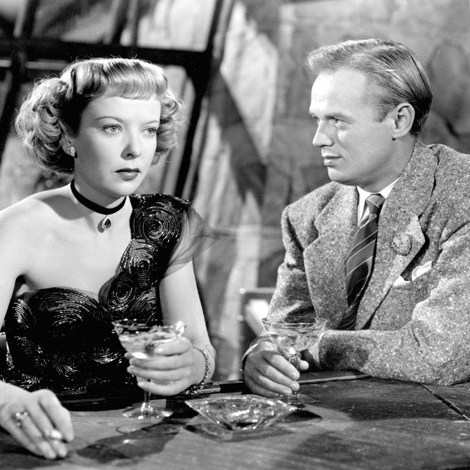

Jean Negulesco’s Top 5 Films Ranked
1. Johnny Belinda (1948)
Genre: Melodrama, Drama
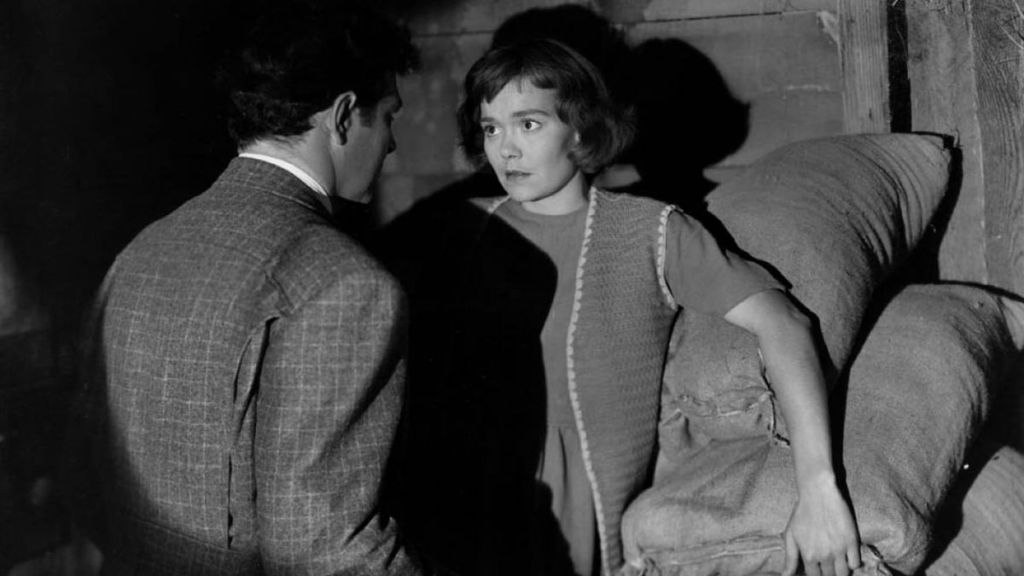
2. Road House (1948)
Genre: Film Noir, Thriller, Drama
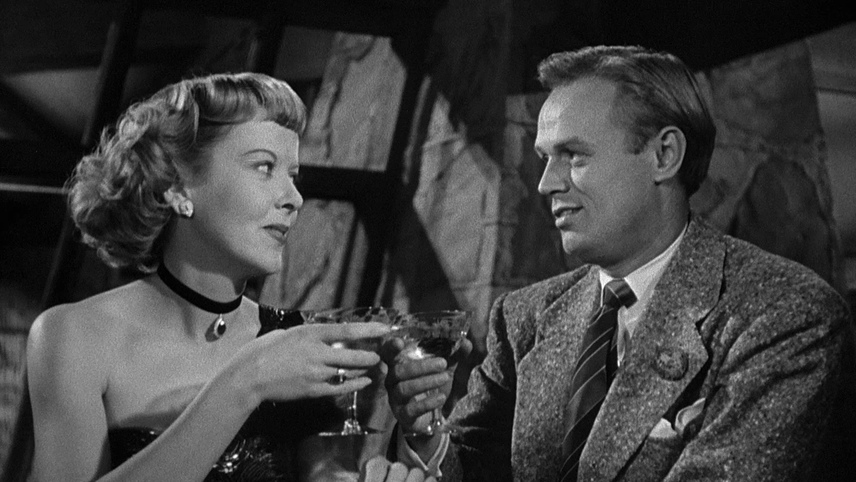
3. How to Marry a Millionaire (1953)
Genre: Romantic Comedy

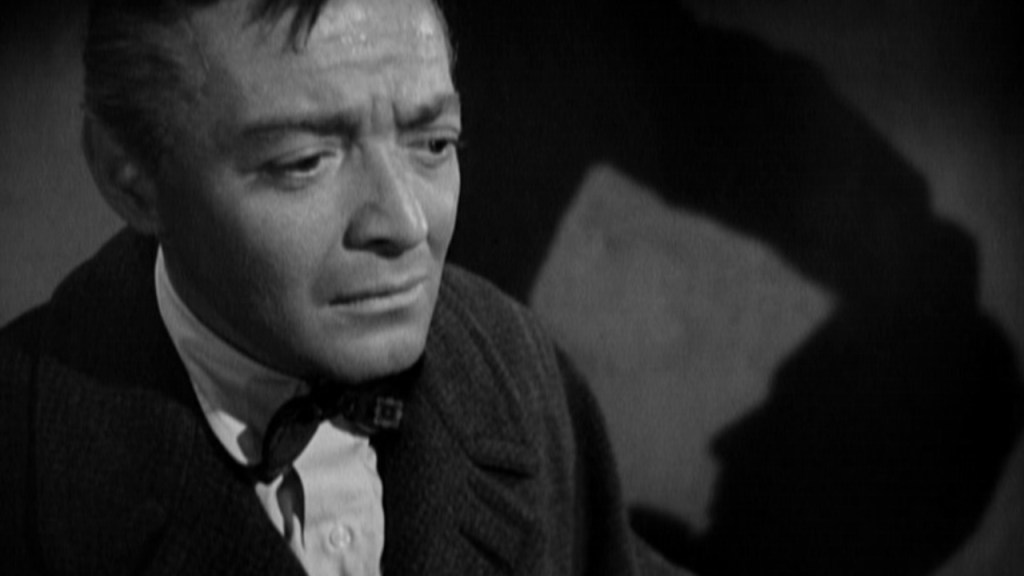
4. The Mask of Dimitrios (1944)
Genre: Film Noir, Mystery
5. Humoresque (1946)
Genre: Melodrama, Music, Romance

Jean Negulesco: Themes and Style
Themes:
- Romance and Melodrama: Negulesco often engaged with themes of romance and melodrama. His films are known for their emotional intensity, offering audiences a rich tapestry of love, loss, and longing.
- Women’s Lives and Aspirations: He frequently focused on the experiences and aspirations of women. Films like How to Marry a Millionaire and Three Coins in the Fountain depict women navigating through societal expectations while pursuing their desires.
- Human Relationships and Dynamics: With an empathetic lens, Negulesco explored complex human relationships and the dynamics within them. His characters often experience internal conflicts and external challenges that shape their interactions and decisions.
Styles:
- Visual Elegance: Negulesco’s directorial style is noted for its visual elegance. His framing, composition, and use of colour contribute to a distinctive aesthetic that is both sophisticated and appealing.
- Cinematographic Mastery: With a background in painting and sketching, he possessed a keen eye for cinematography, utilising light, shadow, and perspective to create visually striking scenes.
- Ensemble Casts: Often working with ensemble casts, Negulesco adeptly managed multiple leading characters, providing each with depth and relevance to the narrative.
Directorial Signature:
- Stylised Storytelling: Negulesco was known for his stylised storytelling, where visual elements and narrative seamlessly converged to produce compelling films.
- Strong Female Characters: His works frequently showcased strong, independent women, reflecting a progressive perspective during a time when cinema was predominantly male-centric.
- Visual Storytelling: With a painter’s understanding of composition and a director’s storytelling capability, Negulesco employed a visual storytelling approach, using images as much as dialogue to convey emotions and progress narratives.
- Adaptation of Literature: Many of Negulesco’s films were adaptations of popular literary works, showcasing his ability to translate written words into dynamic visual expressions while retaining the essence of the original texts.
Jean Negulesco – Great Director



 Bronze Screen Dream