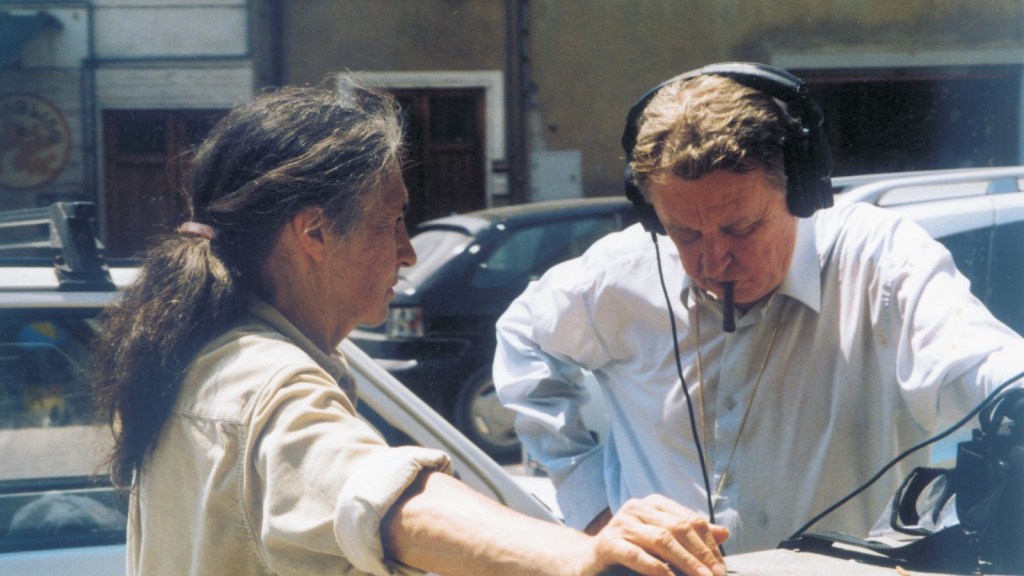
Jean-Marie Straub & Danielle Huillet were a renowned French filmmaking duo. With a career that spanned decades, they were responsible for crafting films that deeply resonated with audiences and critics alike. Their works are best known for their meticulous attention to textual fidelity, sparse narratives, and unique approach to adapting literature and other source materials into the cinematic format.
What sets Straub-Huillet’s filmography apart from many of their contemporaries is their dedication to capturing the essence of their source materials, often described as “cinematic purists.” They often took literary or historical texts and adapted them into films with very little alteration. Their works, such as Moses and Aaron, based on Arnold Schoenberg’s opera, exemplify this approach. The direct transposition of written or musical pieces into the cinematic medium meant their films could be challenging, demanding active engagement from the audience. This sense of purity also translated to their visual style; their movies often feature static camera work, long takes, and meticulous composition, further emphasising the text’s integrity.
Another hallmark of their work is the recurrent exploration of political and historical themes, specifically engaging with Marxism, class struggle, and the passage of time. Films like Chronicle of Anna Magdalena Bach encapsulate their approach: blending a biographical account with a profound meditation on art and its sociopolitical context. Straub-Huillet’s films often had a minimalist aesthetic, allowing the subject matter and the performers to shine without the intrusion of excessive cinematic flair. This austerity, combined with their commitment to textual authenticity, made their films not just adaptations but profound dialogues between mediums, between the past and the present, and between art and its socio-political implications.
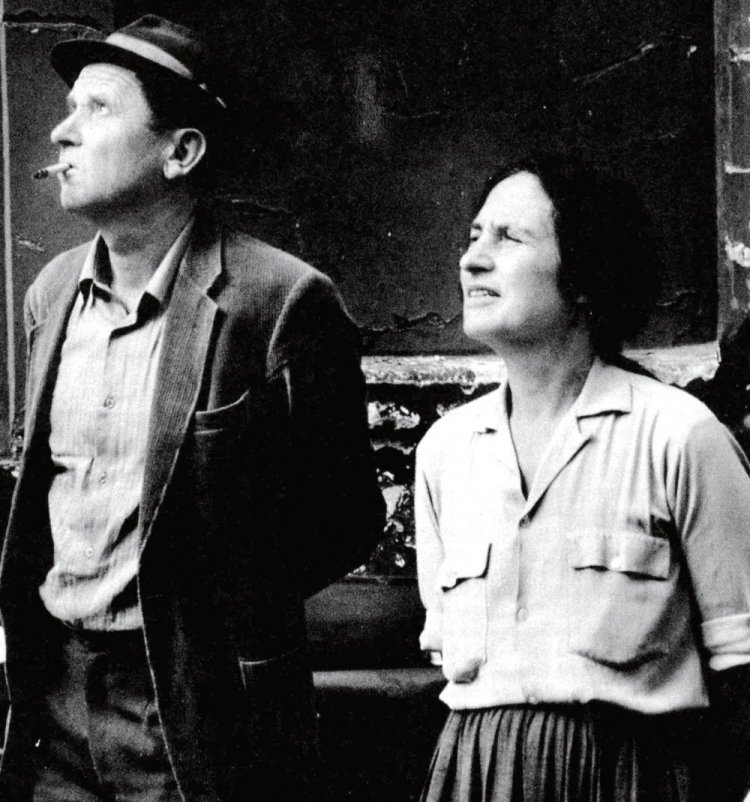
Jean-Marie Straub (1933 – 2022) & Danièle Huillet (1936 – 2006)
Calculated Films
- Moses und Aron (1975)
- Too Early, Too Late (1981)
- Class Relations (1984)
- The Death of Empedocles or When the Green of the Earth Will Glisten for You Anew, The Death of Empedocles (1987)
- Cezanne (1990)
- Sicilia! (1999)
Similar Filmmakers
- Alexander Kluge
- Bela Tarr
- Carl Theodor Dreyer
- Chantal Akerman
- Claudia von Alemann
- Harun Farocki
- Jacques Rivette
- Jean-Claude Rousseau
- Jean-Luc Godard
- Jean-Pierre Gorin
- Lav Diaz
- Manoel de Oliveira
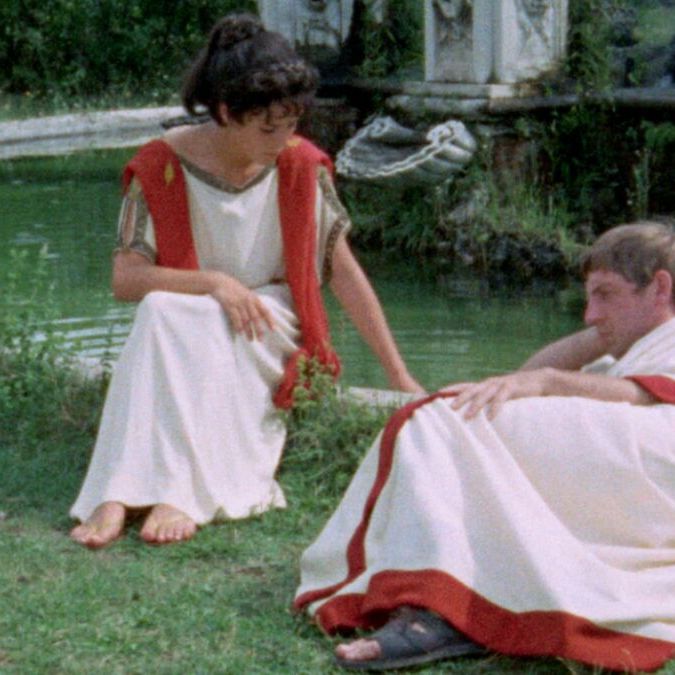
Jean-Marie Straub & Danièle Huillet’s Top 5 Films Ranked
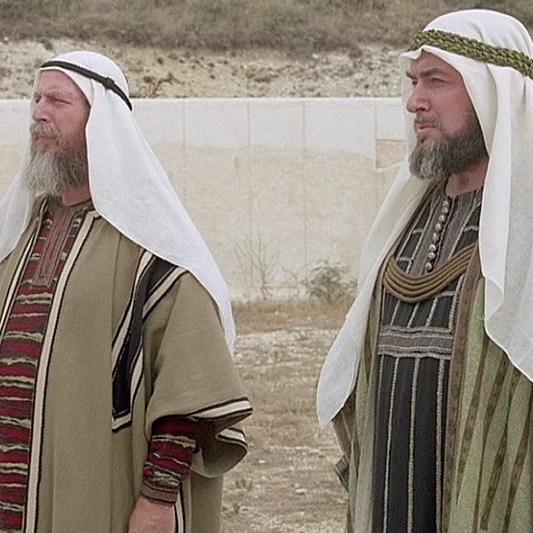
1. Moses und Aron (1975)
Genre: Opera, Religious Film
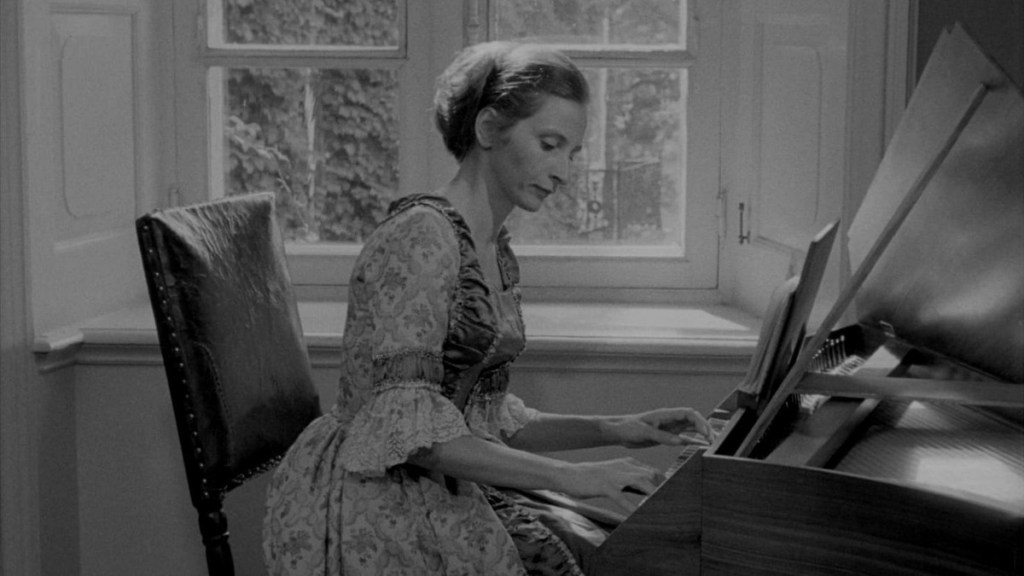
2. Chronicle of Anna Magdalena Bach (1968)
Genre: Music, Biographical
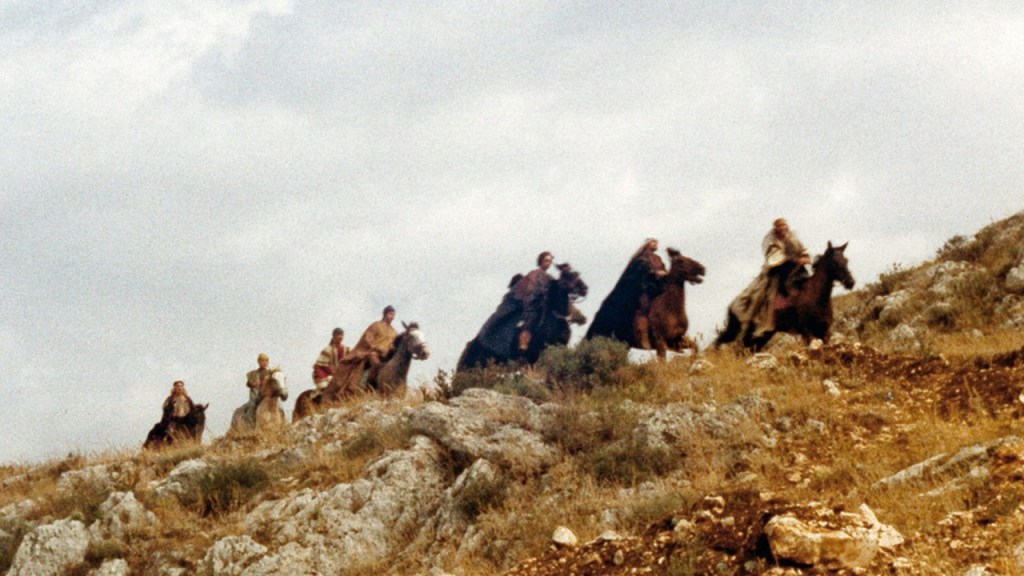
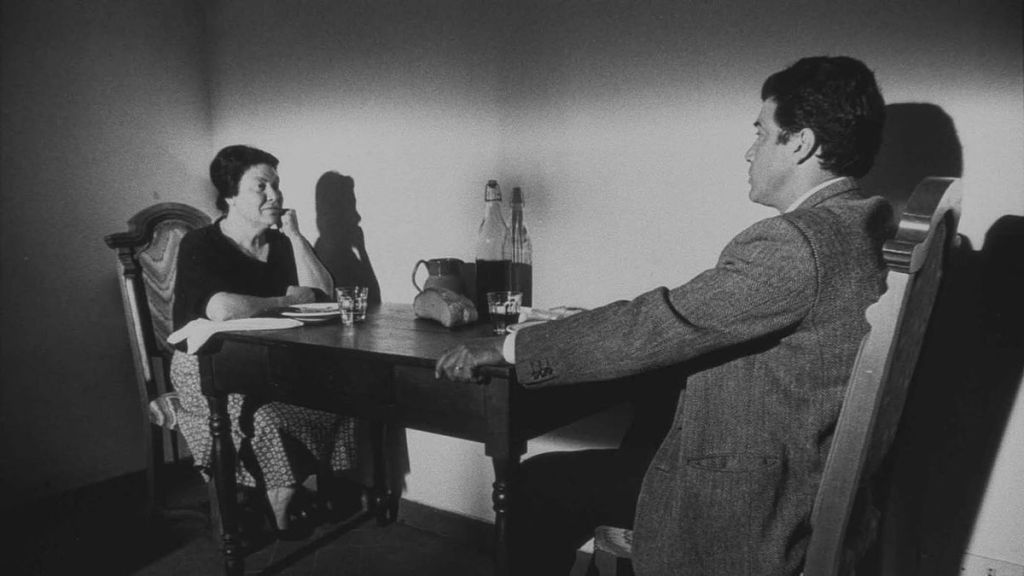
3. Sicilia! (1999)
Genre: Drama
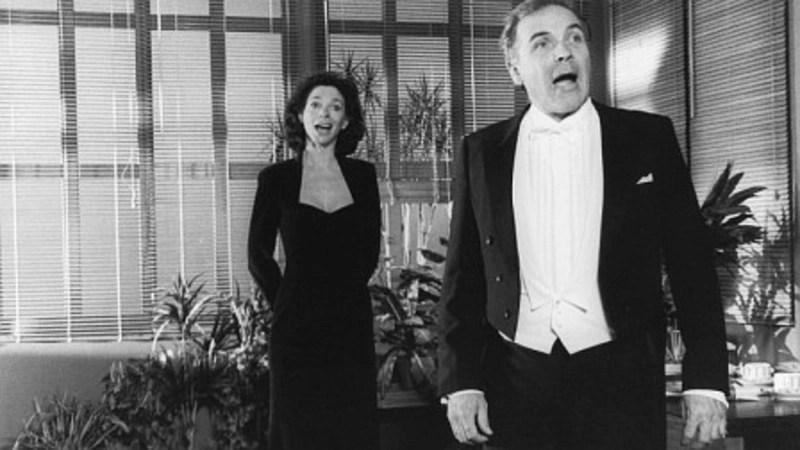
4. From Today Until Tomorrow (1997)
Genre: Opera
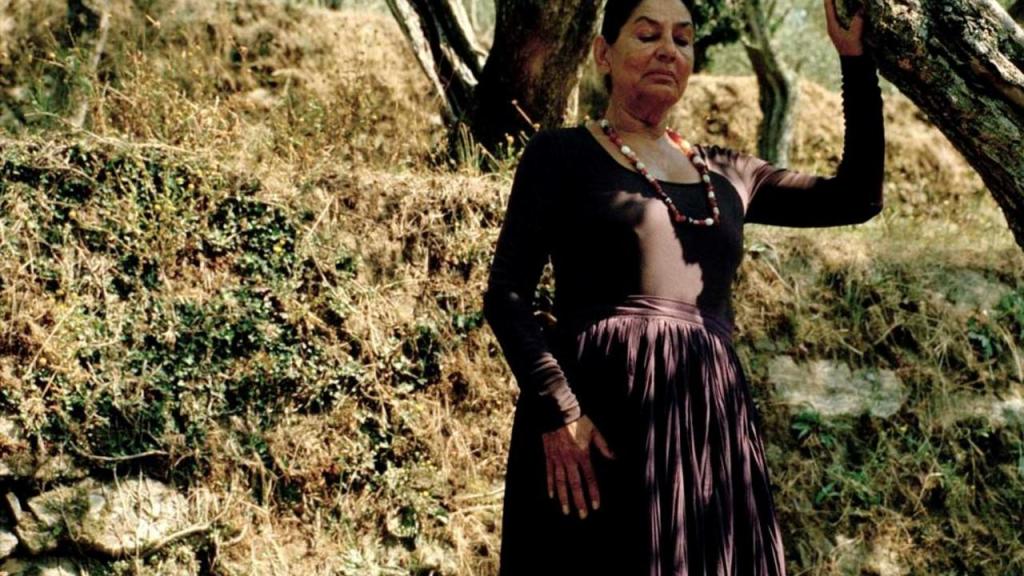
5. These Encounters of Theirs (2006)
Genre: Drama
Jean-Marie Straub & Danièle Huillet: Themes and Style
Themes:
- Political Engagement: Straub-Huillet’s films often address political issues, especially concerning capitalism, imperialism, and the residues of fascism. They questioned the modern world and its dominant systems of power.
- Historical Examination: Many of their films probe into historical events, texts, or figures, using them as tools to comment on contemporary society.
- Literary Adaptation: Their body of work frequently engages with pre-existing literary or theatrical texts, from the writings of Heinrich Böll to Bertolt Brecht to classical plays and operas.
Styles:
- Minimalism: Their films are characterised by a stark, austere aesthetic. They employ a minimalist approach regarding dialogue, settings, and cinematic embellishments.
- Long Takes: One of the hallmarks of their cinema is the use of long, static shots, allowing scenes to play out in real time without rapid editing or cuts.
- Use of Non-professional Actors: Their casting choices leaned towards authenticity, often employing non-actors for roles to capture raw and unfiltered performances.
- Direct Sound Recording: Sound in their films is naturalistic, recorded on-site, which adds to the authenticity of the setting and the immediacy of the narrative.
- Linguistic Precision: Their films maintain the integrity of original texts, emphasising the intricacies of language and its relationship with meaning.
Directorial Signature:
- Adherence to Source Material: Straub-Huillet was known for their loyalty to the texts they adapted. They often used texts verbatim, resisting the urge to modify or “cinematically enhance” them. This strict adherence became a defining feature of their films.
- Brechtian Influence: They were heavily influenced by Bertolt Brecht’s concept of “alienation effect”, using strategies that distance the viewer, making them critically engage with the content rather than passively consume it.
- Interplay of Image and Sound: Unlike many directors who use sound to reinforce the image, Straub-Huillet often employed a counterpoint strategy where sound and image stand independently, creating a unique tension and dialogue between them.
- Rejection of Conventional Storytelling: Avoiding mainstream cinema’s narrative styles, their films resist easy consumption. They require active engagement from the viewer, often presenting fragmented or non-linear narratives.
- Landscape as Character: The duo often used landscapes not just as passive backdrops but as active participants in their narratives, reflecting their stories’ socio-political histories and tensions.
Jean-Marie Straub & Danièle Huillet – The 253rd Greatest Directors
 Bronze Screen Dream