
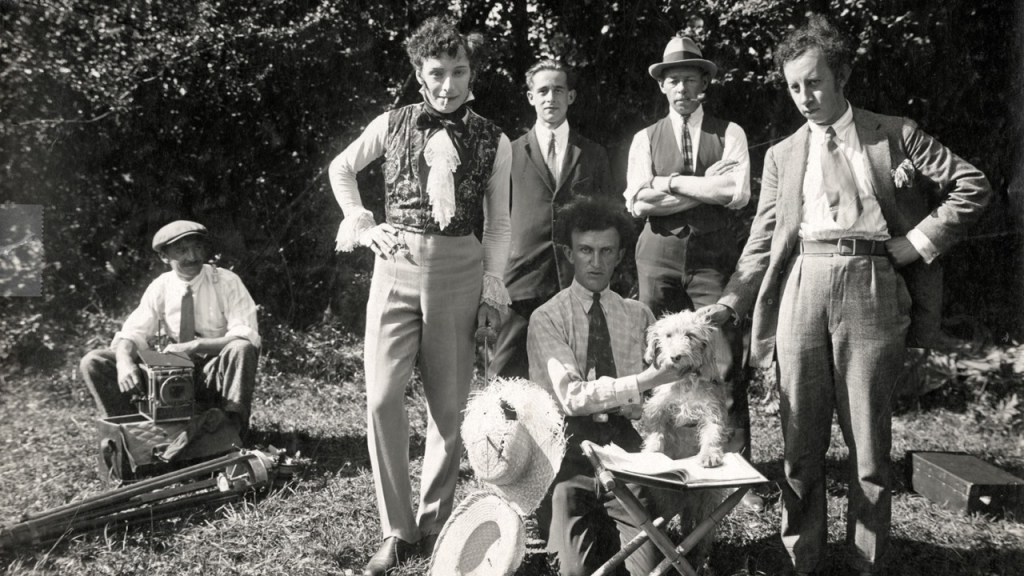
Jean Epstein, a French filmmaker, film theorist, and novelist, is predominantly recognised for his adaptation of Edgar Allan Poe’s The Fall of the House of Usher. His oeuvre comprises around three dozen films, and he has been a notable figure in literature and film criticism from the early 1920s through the late 1940s. Epstein is closely associated with French Impressionist Cinema and the concept of photogénie, which reflects his unique approach to filmmaking.
Epstein’s career in film began in 1922 with Pasteur, followed by L’Auberge rouge and Coeur fidèle. Notably, the director Luis Buñuel worked as an assistant director to Epstein on Mauprat and La Chute de la Maison Usher. Epstein was also a prolific documentary filmmaker, especially focusing on Brittany, with works like Finis Terræ, Mor vran (The Sea of the Crows), L’Or des mers, and Le Tempestaire.
Epstein’s rejection of traditional narrative structures was a hallmark of his style. He believed that cinema should marginalise narrative, focusing instead on human drama and emotion without relying heavily on plot. This approach contributed to creating modern works of cinema during the late silent era, resonating more with post-World War II European cinema. Epstein’s films emphasised the importance of movement and rhythm, often highlighted through close-ups that magnified subtle actions and emotions. He believed in capturing the spontaneity of everyday life and its rhythms, making his films a reflection of natural, unscripted reality. Additionally, his exploration of temporal aspects in cinema, like variable speed recording, further distinguished his work, allowing him to manipulate time in a manner that enhanced the psychological expression of his films.
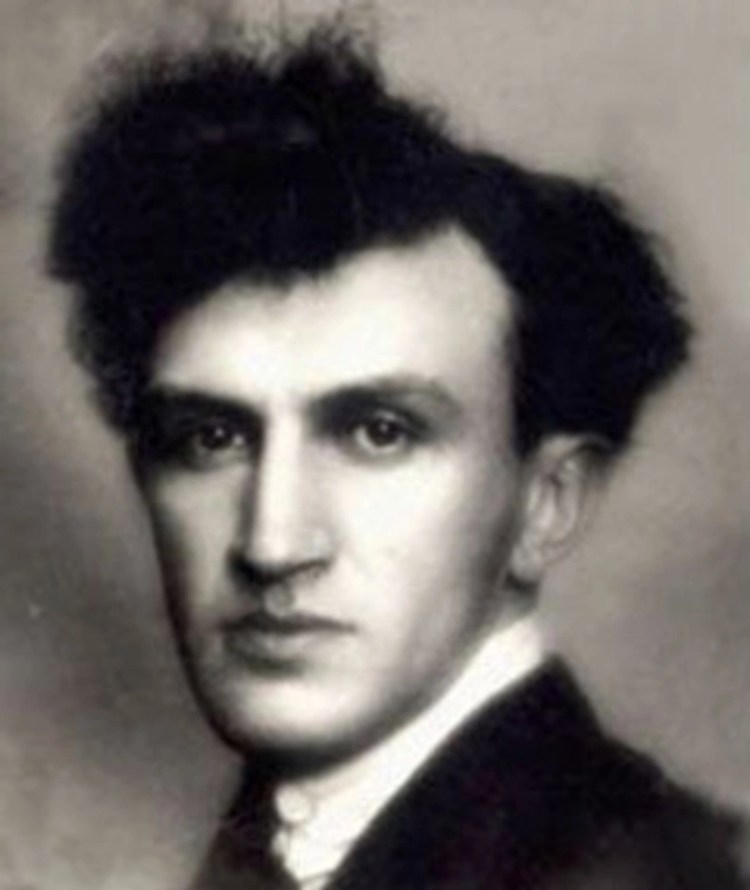
Jean Epstein (1897 – 1953)
Calculated Films:
- The Faithful Heart (1923)
- The Fall of the House of Usher (1928)
- Finis Terrae (1929)
- Le Tempestaire (1947)
Similar Filmmakers
- Abel Gance
- Alberto Cavalcanti
- Dimitri Kirsanoff
- Dudley Murphy
- Dziga Vertov
- Fernand Leger
- Germaine Dulac
- Gustav Machaty
- Henri Fescourt
- Jacques de Baroncelli
- Jean Cocteau
- Jean Gremillon
- Louis Delluc
- Louis Feuillade
- Luis Bunuel
- Marcel L’Herbier
- Rene Clair
- Sergei Eisenstein


Jean Epstein’s Top 5 Films Ranked
1. The Fall of the House of Usher (1928)
Genre: Gothic Horror, Haunted House

2. Couer Fidele (1923)
Genre: Romance, Melodrama

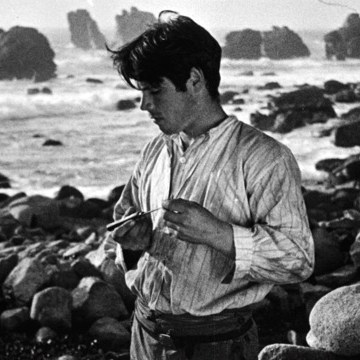
3. Finis Terrae (1929)
Genre: Docudrama, Ethnofiction
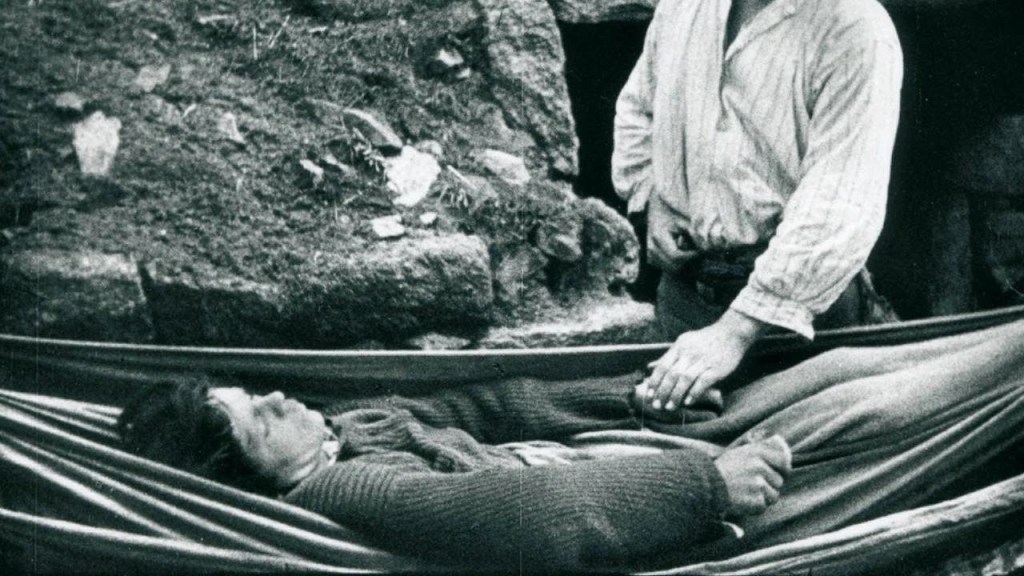
4. Le Tempestaire (1947)
Genre: Drama, Low Fantasy

5. Le Lion des Mogols (1924)
Genre: Drama
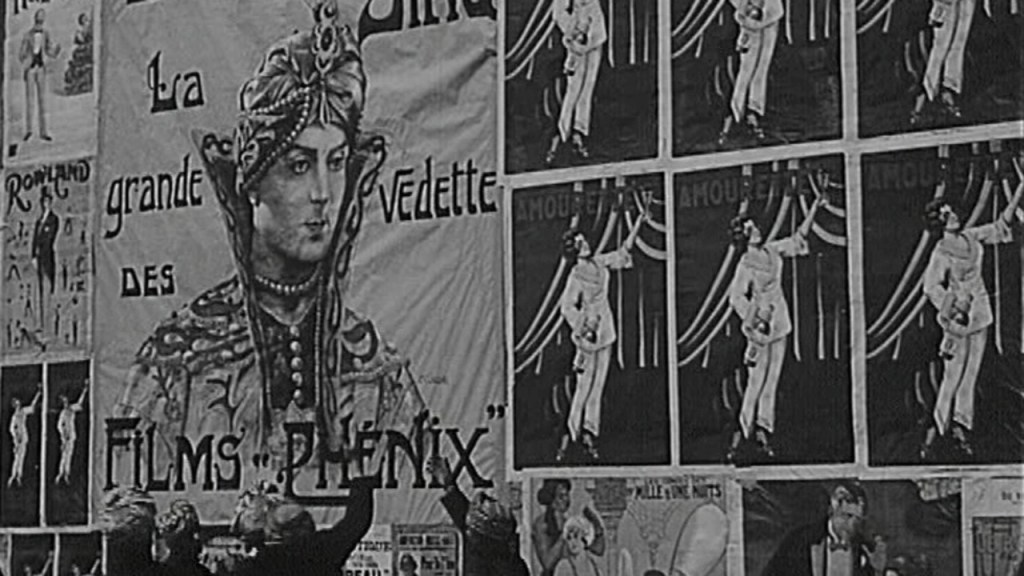
Jean Epstein: Themes and Style
Themes:
- Psychological Exploration: Epstein delved into the depths of human psychology, exploring emotions and mental states. His film The Fall of the House of Usher is a prime example, where the inner turmoil of characters is central to the narrative.
- Nature and the Sea: The sea is a recurrent theme in Epstein’s work, symbolising both beauty and terror. In Finis Terræ, he captures the sea’s vastness and its impact on human life, emphasising the intimate connection between humans and nature.
- Melodrama and Romanticism: Many of Epstein’s films, like Cœur fidèle, are characterised by intense emotions and dramatic narratives, often focusing on romantic tragedies and the complexities of human relationships.
- Mysticism and Surrealism: Epstein was fascinated by the mystical and surreal aspects of life. This is evident in films like La Glace à Trois Faces, where he explores the elusive and mysterious nature of reality and perception.
Styles:
- Photogenia and Close-Ups: Epstein’s concept of “photogenia” involved using close-ups to reveal the expressive potential of objects and faces, bringing an emotional depth to inanimate elements and nuanced expressions.
- Innovative Editing Techniques: He was a pioneer in using rapid editing and unconventional montage to create rhythm and mood, as seen in The Fall of the House of Usher, where editing enhances the film’s eerie and haunting atmosphere.
- Impressionistic Visuals: Epstein’s style is marked by impressionistic imagery, using light, shadow, and fluid camera movements to evoke mood and emotion, creating dream-like sequences in films like Cœur fidèle.
- Poetic Realism: His work often blurs the line between realism and poetry, combining realistic settings with lyrical, evocative visual storytelling, a technique prominent in Finis Terræ.
- Experimental Narratives: Epstein wasn’t afraid to experiment with narrative structures, often opting for non-linear storytelling and ambiguous plots, challenging conventional narrative forms.
Directorial Signature:
- Focus on the Marginalized: Epstein often centred his stories around marginalised individuals or communities, as seen in Finis Terræ, which focuses on the lives of isolated islanders.
- Emphasis on Sensory Experience: Epstein’s films are known for their ability to evoke a sensory experience, using visuals and sound to immerse the audience deeply in the film’s atmosphere.
- Philosophical Underpinnings: His work is often underlined with philosophical questions about reality, perception, and human existence, inviting viewers to ponder deeper existential themes.
Jean Epstein – Great Director



 Bronze Screen Dream