
Below are some of the best Japanese directors ever. Click on their pictures to discover more about them.
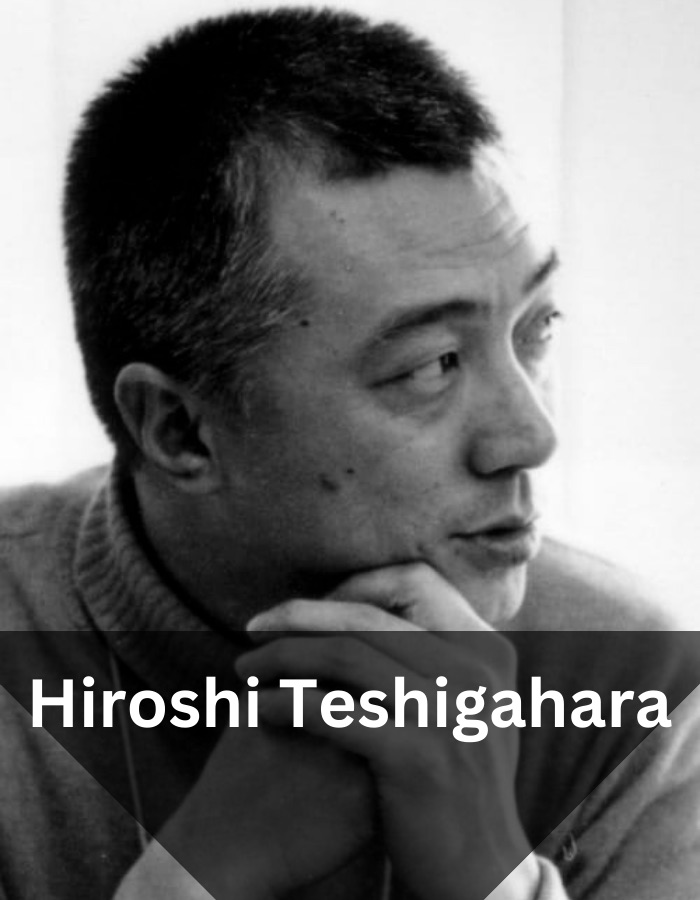
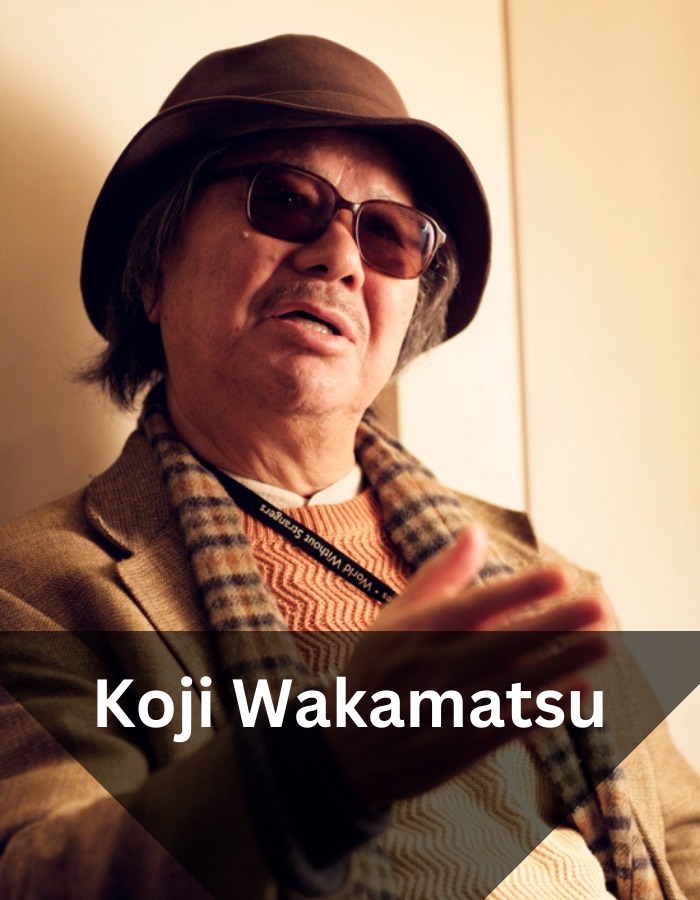

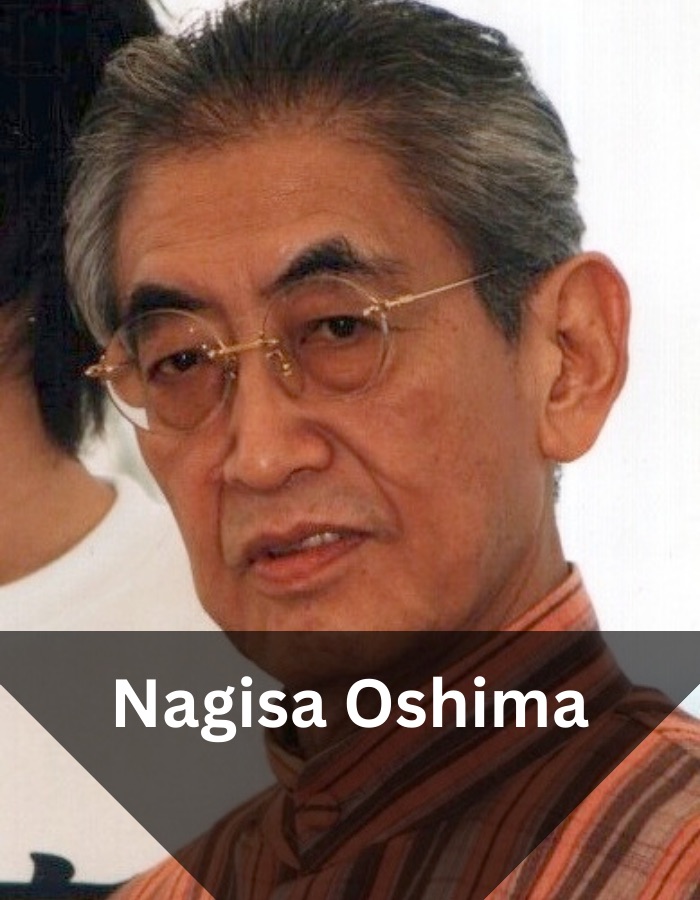




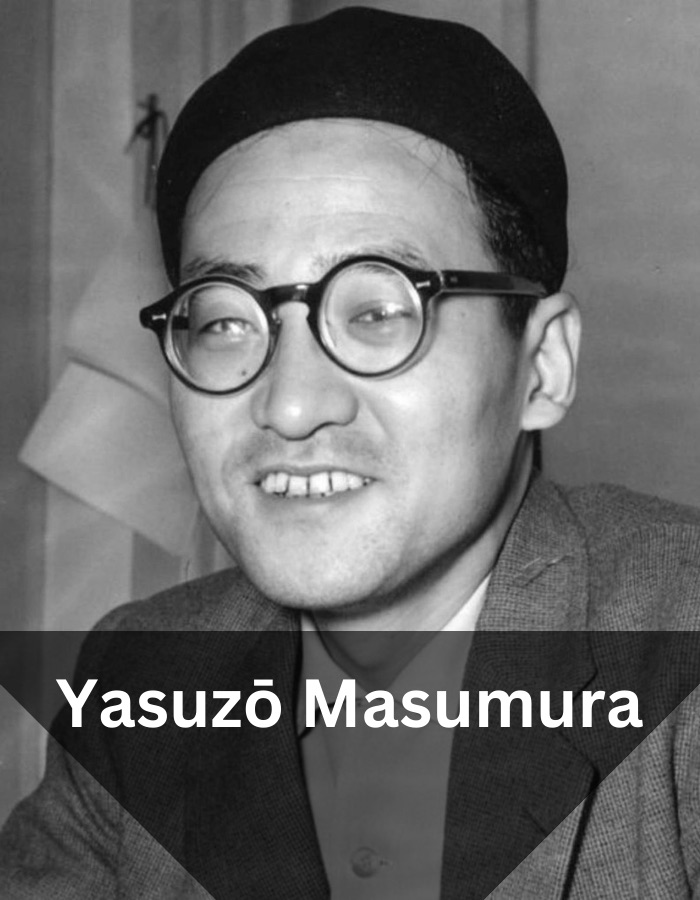

A Brief History of The Japanese New Wave
The Japanese New Wave, a significant movement in film history, emerged in the late 1950s and early 1960s, reflecting Japan’s post-war cultural and social changes. This movement, distinct from its French counterpart, was characterised by its radical approach to storytelling, editing, and visual style, often breaking away from the conventions of mainstream Japanese cinema. It was marked by a strong sense of individualism and experimentation, with filmmakers continually exploring themes of political radicalism, social outcasts, youth culture, and the complexities of modern life. The movement was also notable for its willingness to address taboo subjects, such as sex and violence, in a more explicit manner than was customary in Japanese cinema at the time.
Among the most influential directors of the Japanese New Wave, Nagisa Oshima stands out. Oshima’s works, such as “In the Realm of the Senses” and “Merry Christmas, Mr. Lawrence,” are renowned for their bold thematic content and innovative narrative structures. His films often challenged societal norms and explored controversial subjects, making him a pivotal figure in the movement. Another notable director is Shohei Imamura, whose films like “The Insect Woman” and “The Ballad of Narayama” delved into the lives of working-class people and the underprivileged, portraying their struggles with a blend of realism and satire. Imamura’s work is distinguished by his anthropological approach to filmmaking, where he examined the cultural and societal facets of Japan.
Masahiro Shinoda, another key figure, brought a distinctive aesthetic to the movement. His film “Pale Flower” is a prime example of his style, combining traditional Japanese elements with modernist techniques. Similarly, Yoshishige Yoshida, known for his avant-garde style, made significant contributions with films like “Eros + Massacre,” which blended historical subjects with contemporary concerns in a highly stylised manner. This generation’s works not only challenged the boundaries of film as an art form but also provided a critical reflection of the societal changes in post-war Japan.
 Bronze Screen Dream