

Jane Campion is a New Zealand filmmaker who has carved out a unique place in contemporary cinema with her nuanced exploration of female identity and her thought-provoking narratives. Her most celebrated work, The Piano, won her the Palme d’Or at the Cannes Film Festival, making her the first female director to receive this honour; she won the Academy Award for Best Director with The Power of the Dog.
Beginning her career in the early 1980s, Campion initially gained recognition for her short films. A key turning point came when she attended the Australian Film, Television and Radio School, where she developed her distinctive cinematic voice and storytelling style. Her debut feature film, Sweetie, explored complex familial relationships and mental health, themes that would continue to feature prominently in her subsequent works.
Campion’s films are often characterised by their probing exploration of complex female characters and their relationships with each other and the wider world. Her films don’t shy away from exploring darker aspects of human existence, with works like In the Cut and Top of the Lake delving into themes of sexual violence and trauma. Additionally, Campion frequently uses natural landscapes as a powerful symbolic tool in her narratives, as exemplified by the rugged wilderness in The Piano.
The Sublime and the Stark: Dichotomies in Jane Campion’s Films
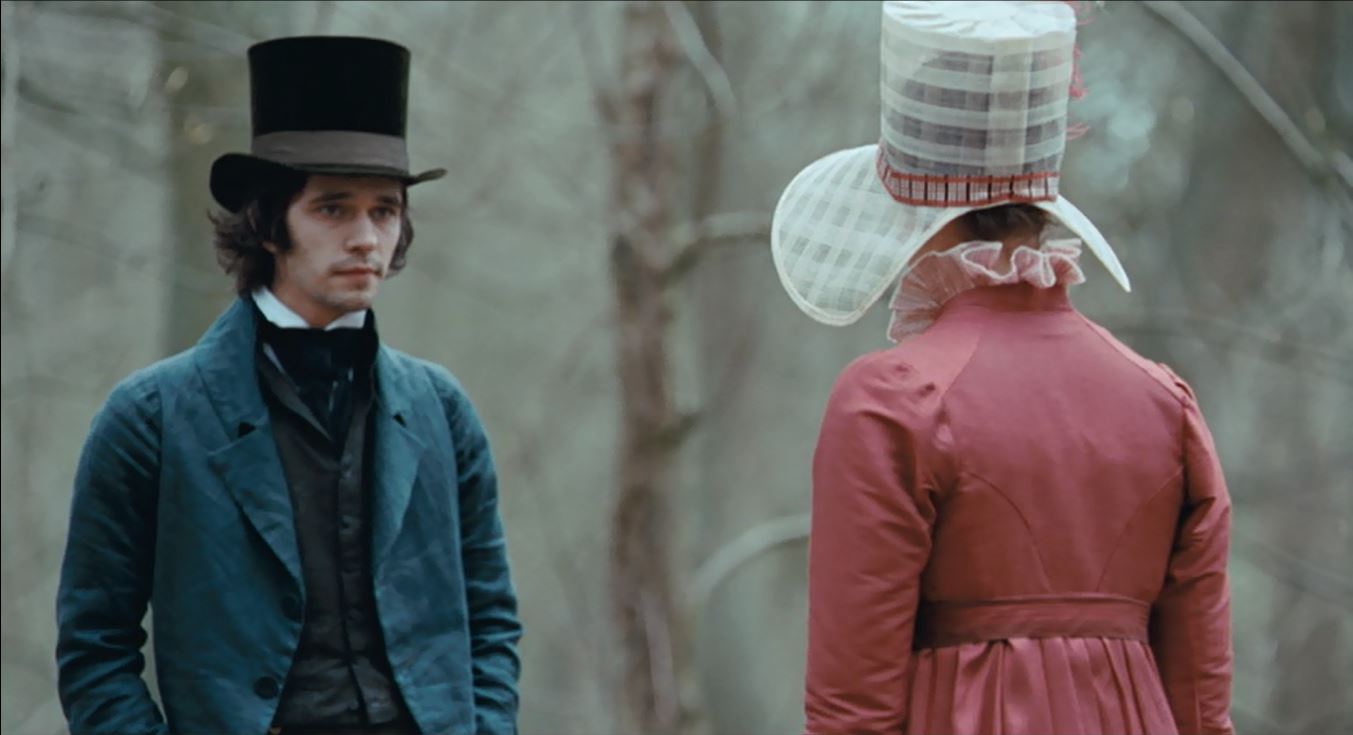
Visually, Campion’s work is distinctive for its atmospheric, often moody cinematography, and her unique framing and composition choices amplify her stories’ emotional intensity. Bright Star, for instance, is imbued with a lush, romantic aesthetic that underscores the film’s narrative of unfulfilled love. Furthermore, Campion’s preference for close-ups creates a sense of intimacy and immediacy, bringing audiences closer to her complex, multifaceted characters.
Campion’s unique narrative and stylistic approach have had a significant impact on global cinema, inspiring countless filmmakers, particularly women. Directors like Sofia Coppola, Andrea Arnold, and Greta Gerwig have all cited Campion as a significant influence. Furthermore, Campion’s pioneering role as a female director in an industry often dominated by men has helped pave the way for greater gender diversity in filmmaking. Her critical and commercial success proves the richness and depth that comes from diverse storytelling perspectives, securing her legacy in film history.

Jane Campion (1954 –)
Calculated Films:
- Sweetie (1989)
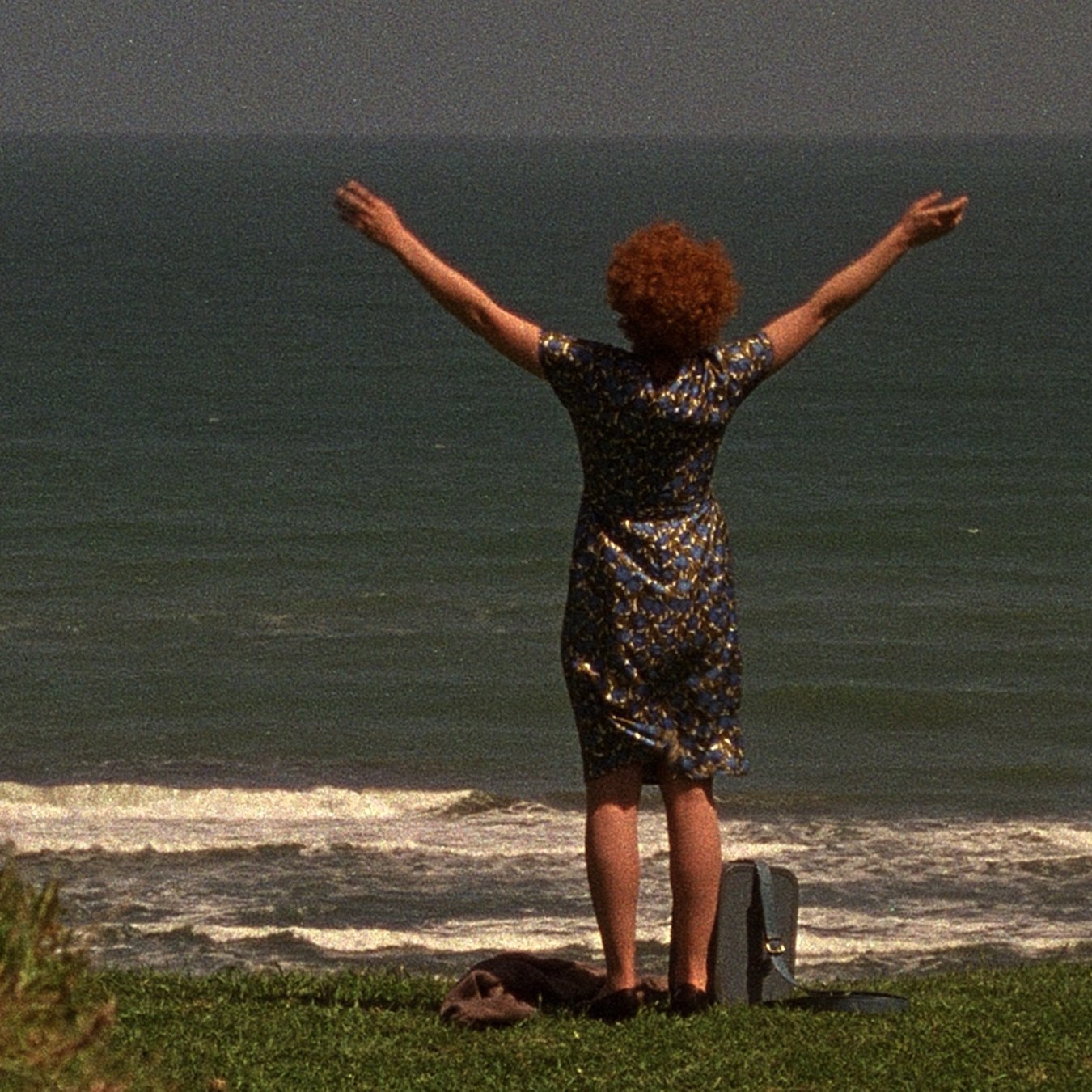
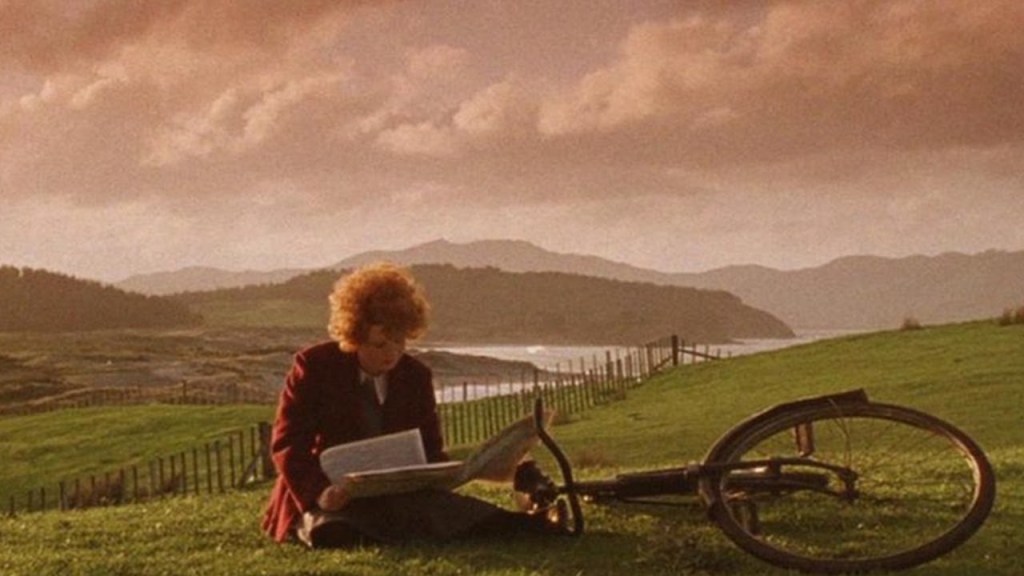
- An Angel at My Table (1990)
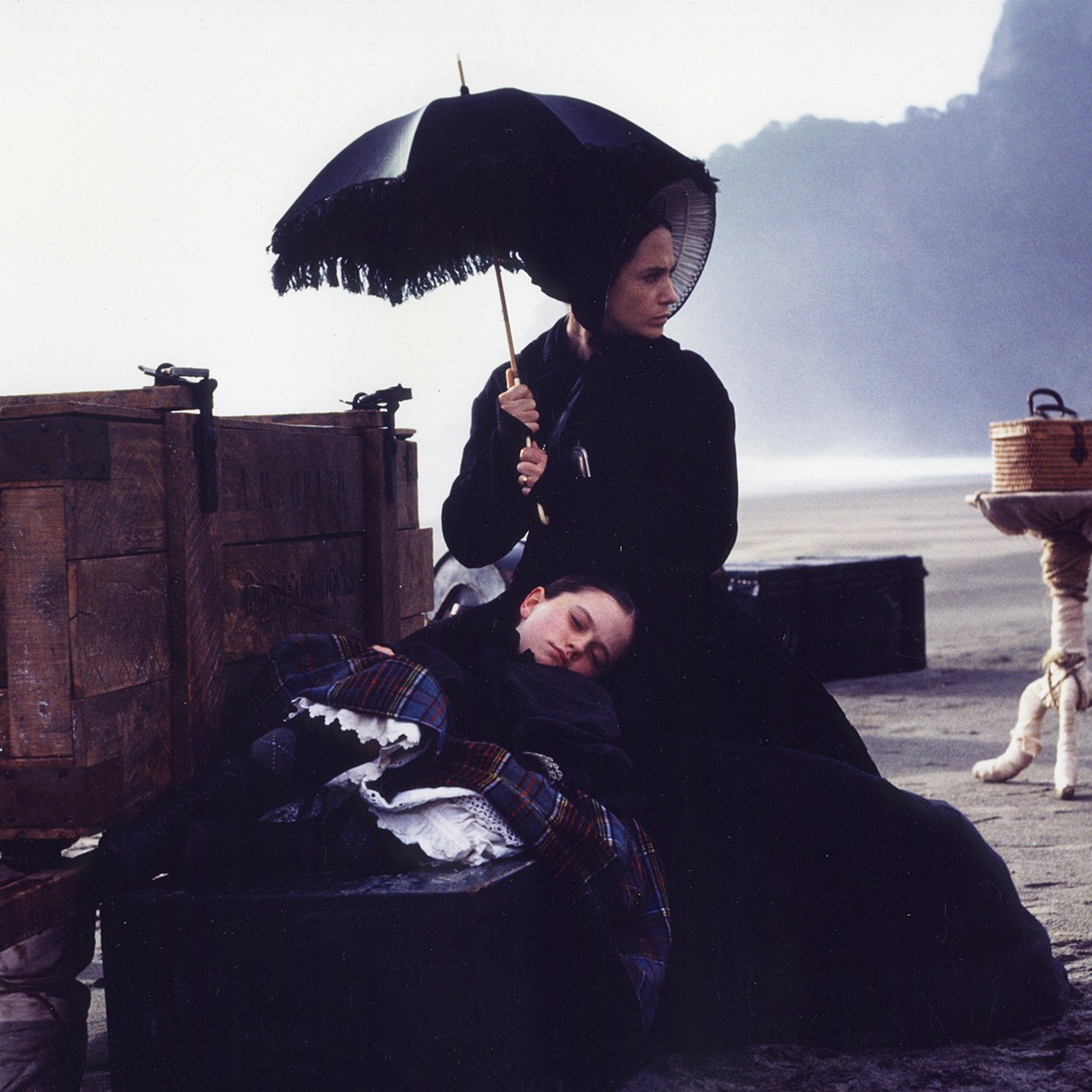
- The Piano (1993)
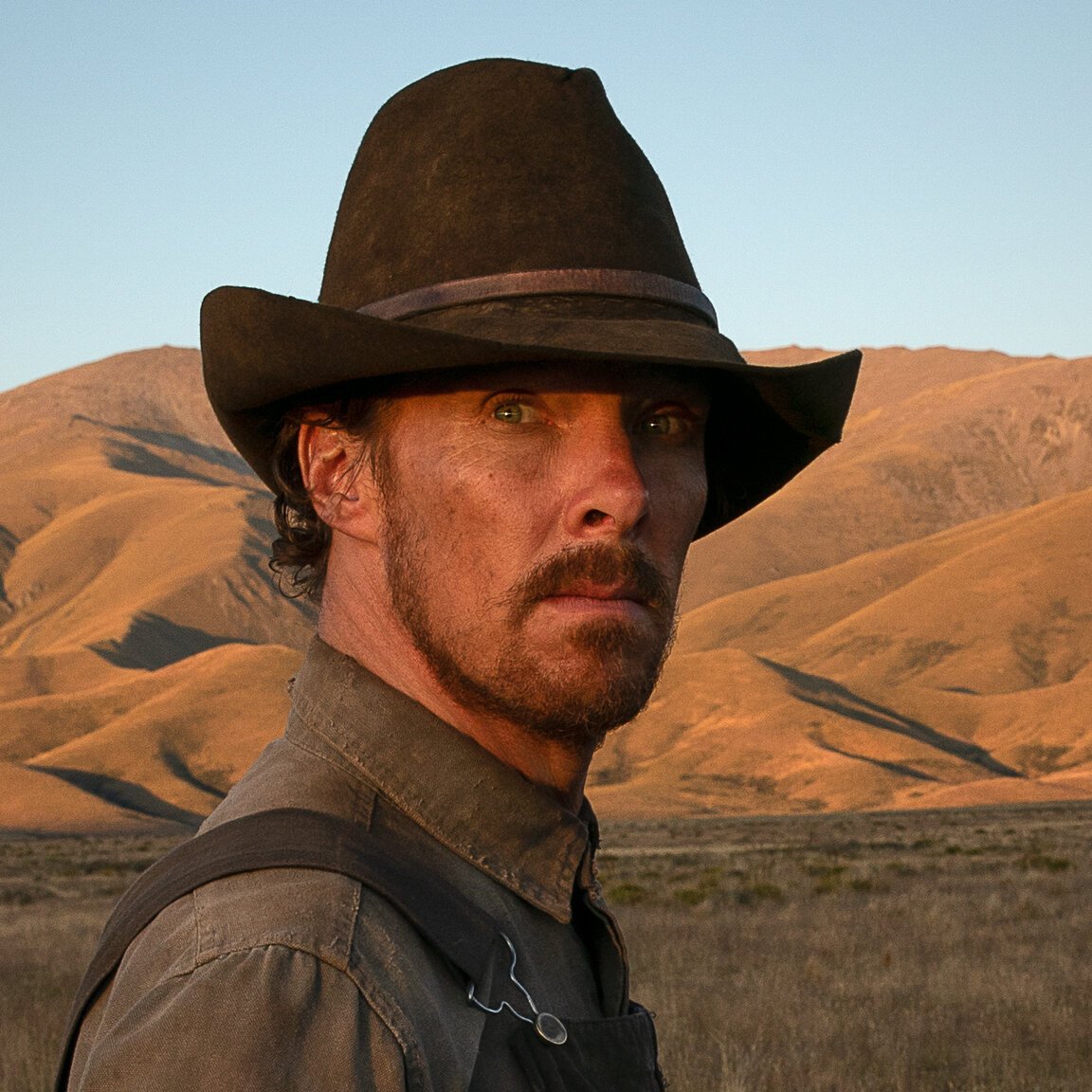
- The Power of the Dog (2021)
Similar Filmmakers
Jane Campion‘s Top 10 Films Ranked
1. The Piano (1993)
Genre: Romance, Drama

2. An Angel At My Table (1990)
Genre: Biographical
3. The Power of the Dog (2021)
Genre: Psychological Drama, Period Drama, Revisionist Western
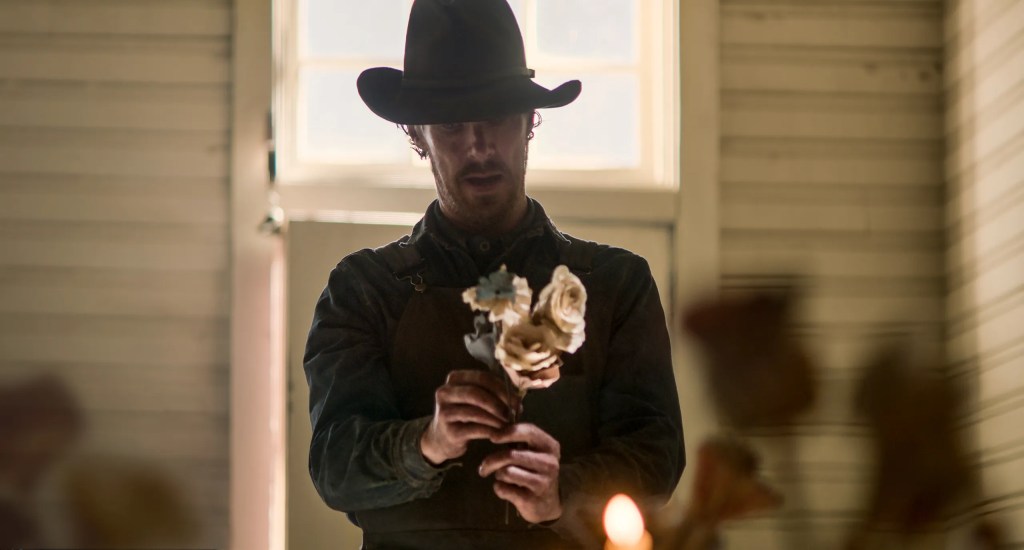
4. Sweetie (1989)
Genre: Black Comedy, Drama

5. Bright Star (2009)
Genre: Romance, Period Drama, Biographical

6. Top of the Lake (2013 – 2017)
Genre: TV, Mystery, Drama, Crime, Thriller

7. Passionless Moments (1983)
Genre: Drama, Slice of Life
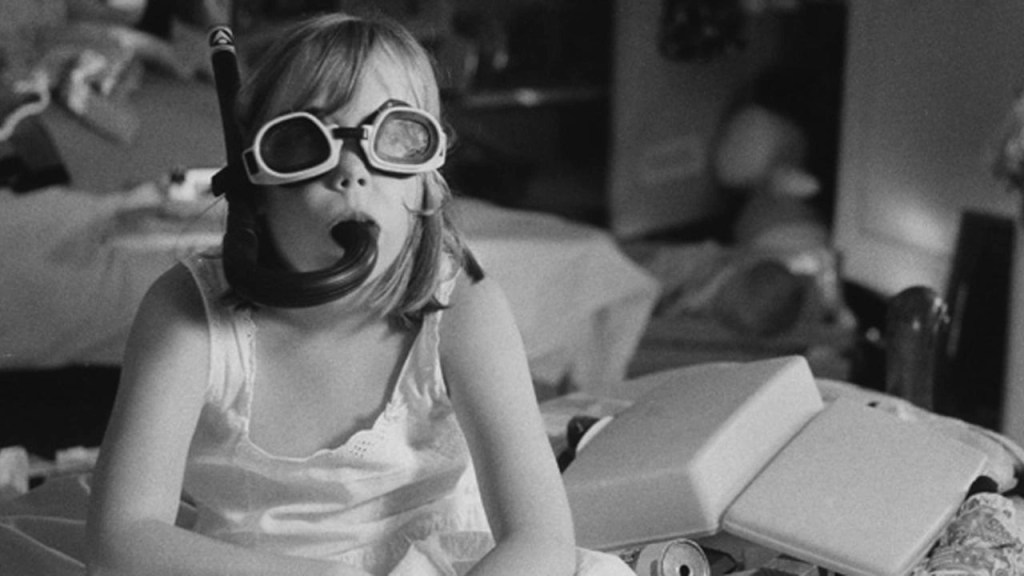
8. Two Friends (1986)
Genre: Slice of Life, Drama, Coming-of-Age
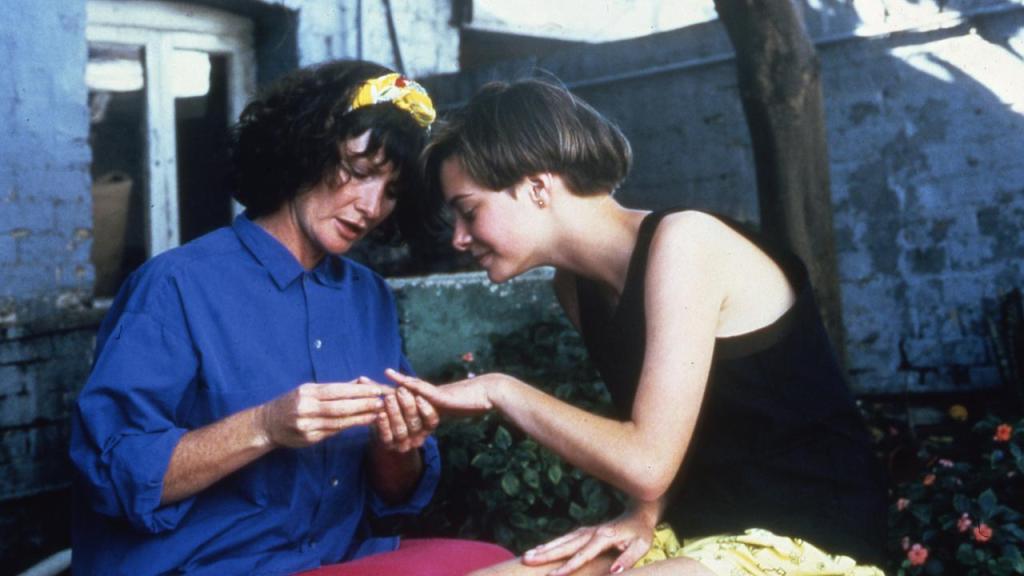
9. The Portrait of a Lady (1996)
Genre: Period Drama

10. Holy Smoke (1999)
Genre: Drama, Comedy, Psychological Drama

Jane Campion: Themes and Style
Themes:
- Female Protagonists: Campion frequently places women at the centre of her narratives, exploring their inner lives, struggles, and perspectives. Her characters are often complex and multifaceted, avoiding stereotypical portrayals of women.
- Sexual Politics: Many of her works delve into the dynamics of gender and sexuality. She explores themes of desire, repression, power, and identity, often challenging traditional views on sexuality and gender roles.
- Psychological Depth: Campion’s narratives often delve deeply into the psychological landscapes of her characters. Her films explore themes of isolation, obsession, and the human psyche’s intricate workings.
- Cultural Identity: The exploration of cultural and national identity is a recurring theme in her work, often set against the backdrop of New Zealand’s landscape and history.
Styles:
- Visual Lyricism: Campion is known for her visually poetic style. She crafts each frame with meticulous attention to composition, lighting, and colour, creating a rich, atmospheric visual experience.
- Symbolism: Her films often incorporate symbolic elements and metaphors that enhance the narrative’s depth and complexity. These symbols often relate to the characters’ emotional states and the themes being explored.
- Natural Landscapes: The natural environment plays a significant role in many of Campion’s works. The landscapes not only serve as stunning backdrops but also as integral elements of the storytelling, often mirroring the characters’ emotional landscapes.
Directorial Signature
- Intimate Characterization: Campion is renowned for her ability to develop private, detailed character portraits. She works closely with actors to craft performances that are nuanced and deeply felt.
- Atmospheric Storytelling: Her work is characterised by a palpable sense of atmosphere and mood. Through her visual style and narrative pacing, Campion creates films that are immersive and emotionally resonant.
- A Feminine Perspective: Campion brings a distinctly feminine viewpoint to her storytelling. Her films often challenge and subvert the male gaze prevalent in cinema, offering audiences a fresh perspective on women’s lives and experiences.
Jane Campion: The 136th Greatest Director
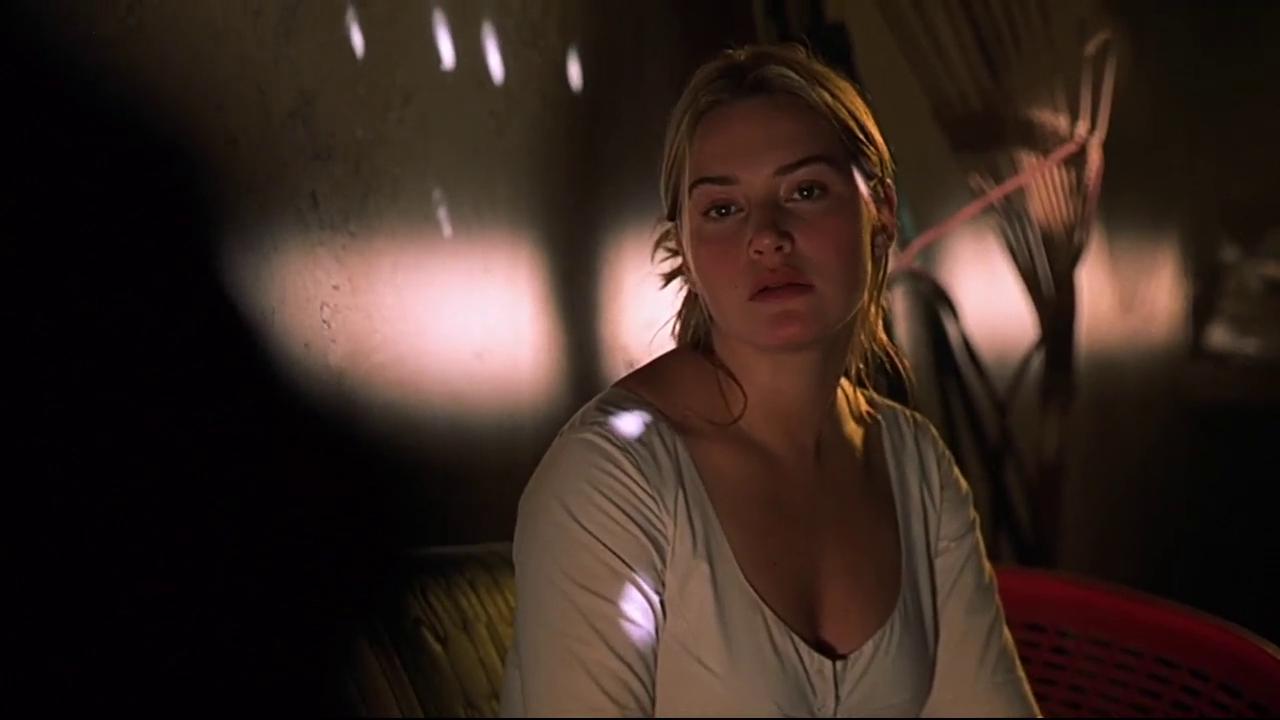


 Bronze Screen Dream