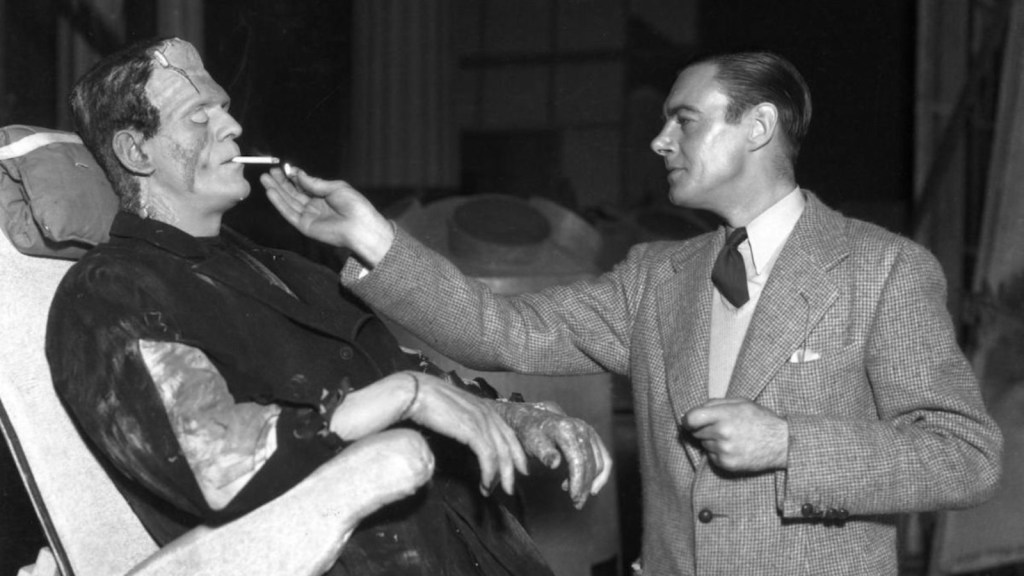
James Whale was a pioneering British film director best known for his groundbreaking contributions to the horror genre during the golden age of Hollywood. His unique blend of visual aesthetics and innovative narrative techniques created a distinct imprint on classic cinema, giving birth to some of horror’s most iconic films, such as Frankenstein and The Bride of Frankenstein. Whale’s extraordinary capacity to blur the lines between horror and compassion, tragedy and humour, and reality and fantasy made him one of the most important and versatile filmmakers of his time.
Born into a poor family, Whale’s initial foray into the creative world was through theatre. He started as a set designer in London before transitioning to directing plays and eventually found his way to Hollywood. His theatre background heavily influenced his cinematic style, frequently incorporating theatricality into his film work. This is evident in Frankenstein, where the Gothic setting, dramatic lighting, and expressive performances evoke a theatre-like feel. Furthermore, his films often explored the tension between societal norms and individual identity. This recurring theme was largely influenced by his own experiences as an openly gay man in a conservative society.
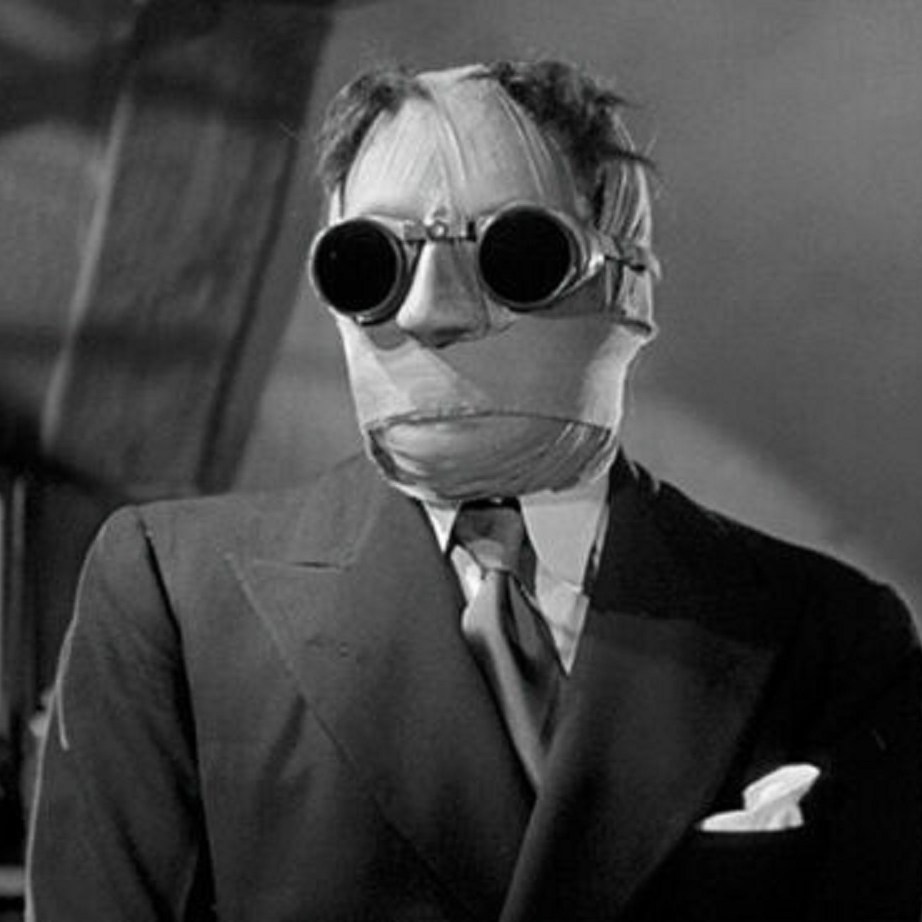
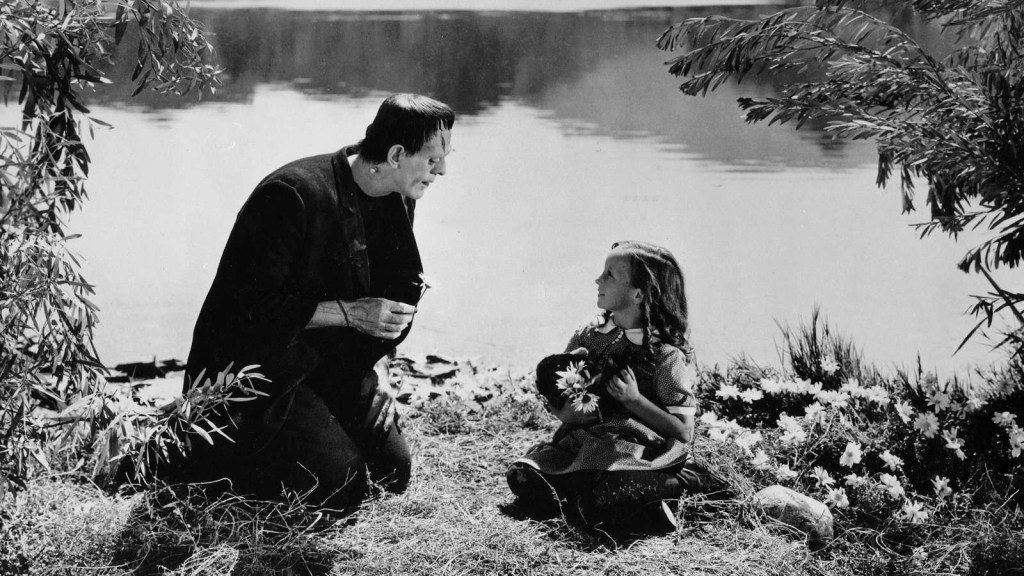
Whale’s visual style was characterised by his imaginative use of mise-en-scène, innovative camera techniques, and masterful control over lighting and shadows. This signature style is evident in The Invisible Man, where the clever lighting and special effects bring the invisible protagonist to life. Whale’s films often thrived on a unique sense of macabre humour, as he frequently injected moments of wit and irony into intense, dramatic situations. He skillfully balanced horror with pathos, creating empathetic monsters that questioned the nature of humanity, a powerful motif visible in The Bride of Frankenstein.
Gothic Influence
Whale’s films had a unique aesthetic that combined a rich Gothic ambience with an avant-garde visual approach, creating an unnerving and engrossing experience. His narratives regularly dealt with themes of existential dread, societal outcasts, and the monstrous side of humanity, pushing the boundaries of the horror genre and making Whale a trailblazer in film history. His emphasis on character development and psychological depth, demonstrated in films like The Old Dark House, set him apart from many of his contemporaries, making his style unique and inimitable.
In terms of influence, James Whale’s impact has been felt in both national and international cinema. American director Tim Burton often cites Whale as a major influence, evident in his Gothic aesthetic and focus on societal outsiders. Mexican filmmaker Guillermo del Toro also acknowledges Whale’s impact, evident in his empathetic depiction of monsters. Whale’s legacy also extends to contemporary horror cinema, where his innovative techniques continue to shape the genre. His pioneering use of horror as a means to explore deeper societal and philosophical themes profoundly impacted film history, proving that horror could be more than just a tool for eliciting fear but also a powerful vehicle for commentary and introspection. James Whale’s enduring legacy continues to inspire filmmakers worldwide, marking him as one of the most influential figures in cinema history.

James Whale (1889 – 1957)
Calculated Films:
- Frankenstein (1931)
- Waterloo Bridge (1931)
- The Old Dark House (1932)
- The Invisible Man (1933)
- Bride of Frankenstein (1935)
- Show Boat (1936)
Similar Filmmakers
- Arthur Lubin
- Edgar G. Ulmer
- F. W. Murnau
- Jacques Tourneur
- John Brahm
- Karl Freund
- Mario Bava
- Paul Leni
- Robert Florey
- Robert Wiene
- Roger Corman
- Rouben Mamoulian
- Roy William Neill
- Terence Fisher
- Tim Burton
- Tod Browning
- Wes Craven
- William Castle


James Whale’s Top 10 Films Ranked
1. The Bride of Frankenstein (1935)
Genre: Gothic Horror, Sci-Fi

2. Frankenstein (1931)
Genre: Gothic Horror, Sci-Fi
3. The Invisible Man (1933)
Genre: Sci-Fi, Horror
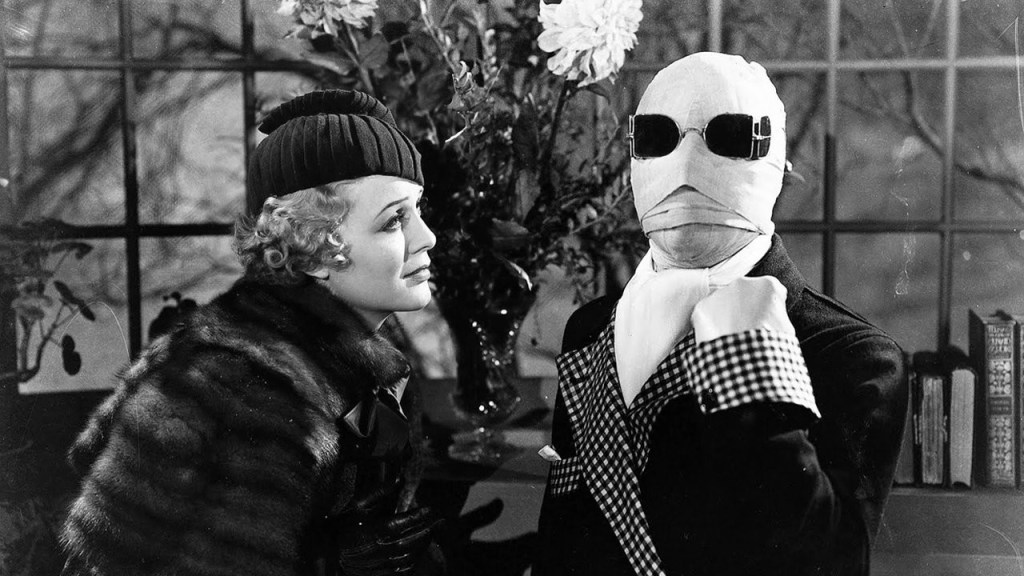
4. The Old Dark House (1932)
Genre: Gothic Horror

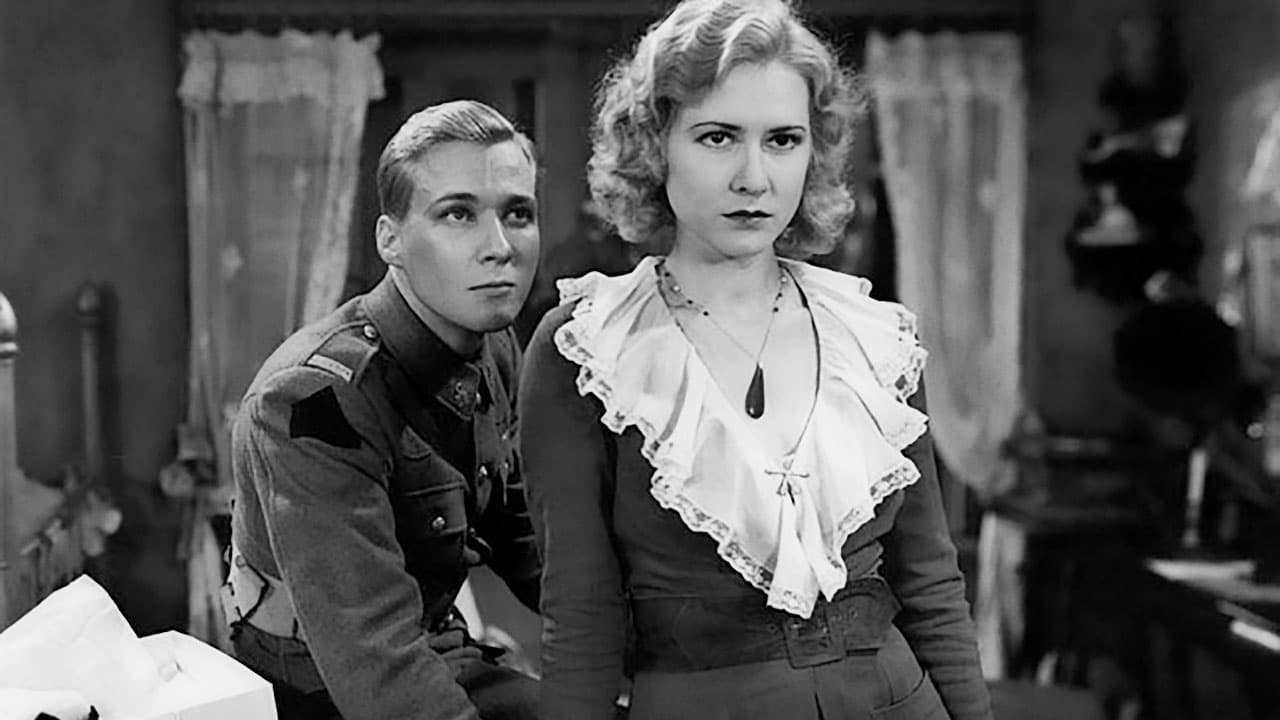
5. Waterloo Bridge (1931)
Genre: Melodrama, War, Romance

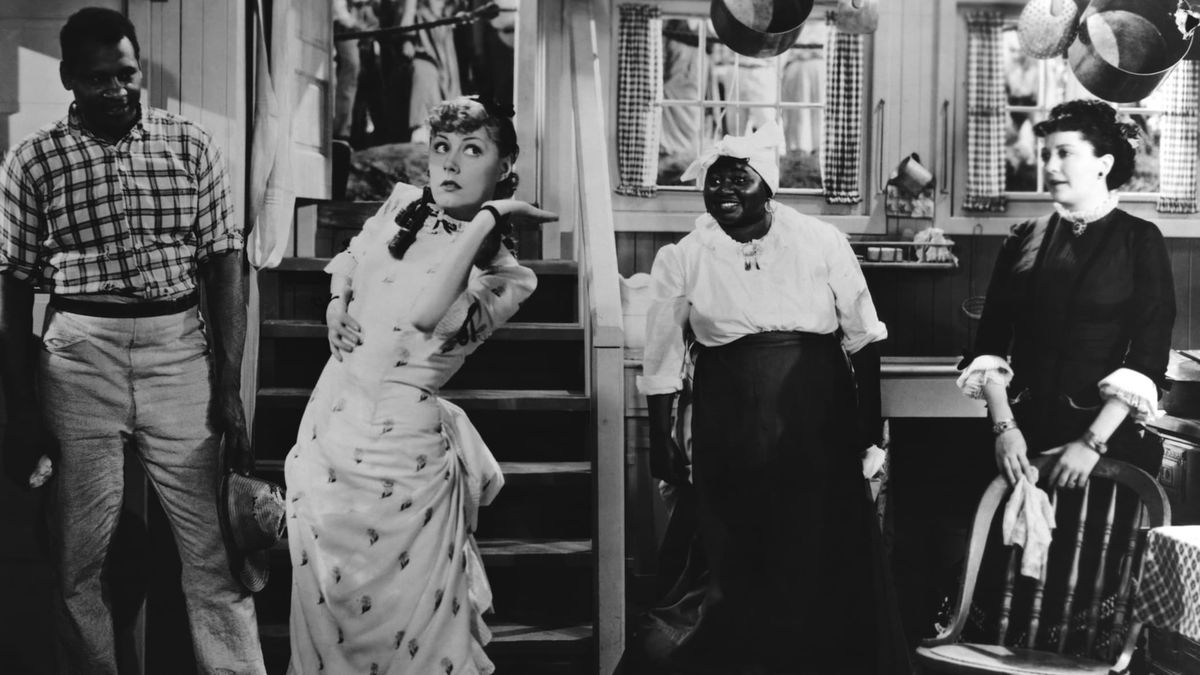
6. Show Boat (1936)
Genre: Musical, Romance, Melodrama
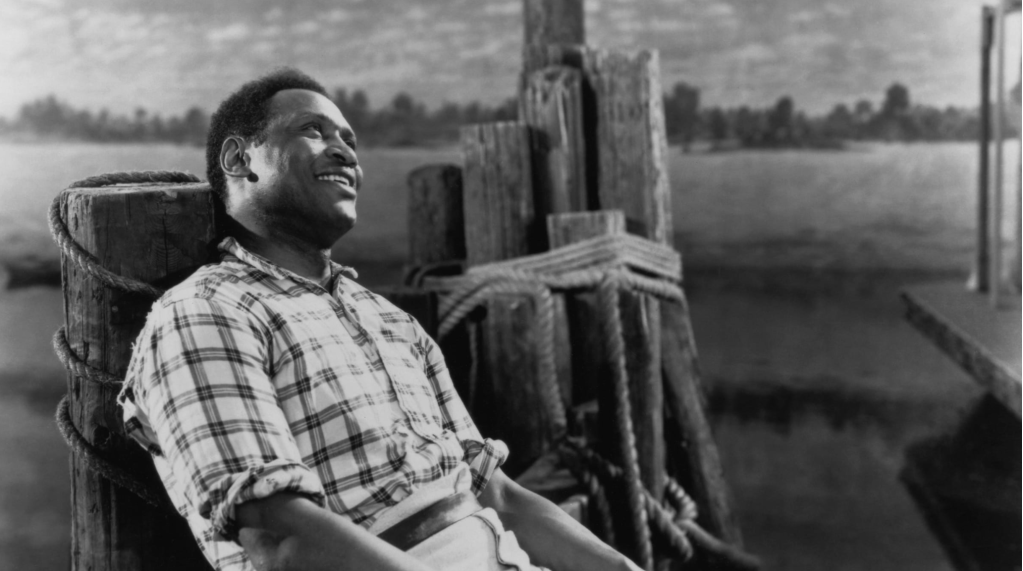
7. The Man in the Iron Mask (1939)
Genre: Swashbuckler

8. The Great Garrick (1937)
Genre: Comedy

9. The Kiss Before The Mirror (1933)
Genre: Legal Drama, Thriller, Mystery

10. Journey’s End (1930)
Genre: War, Drama

James Whale: Themes and Style
Themes:
- Gothic Horror and Science Fiction: Whale was a pioneering director in the gothic horror and science fiction genres. His films, like Frankenstein and Bride of Frankenstein, are classic examples where he blended horror with elements of science fiction.
- Outcasts and the ‘Other’: Many of Whale’s films explore the idea of societal outcasts and the feelings of being ‘othered.’ The Monster in Frankenstein, for instance, can be seen as a tragic figure, an outcast searching for understanding and love in a world that fears him.
- Duality of Human Nature: Whale often probed the duality inherent in human beings – the balance of good and evil. In The Invisible Man, the protagonist’s descent into madness showcases the perils of unchecked power and ambition.
- War and Its Aftermath: Being a World War I veteran, Whale touched upon war themes, especially in Journey’s End, highlighting the psychological effects and the futility of warfare.
Styles:
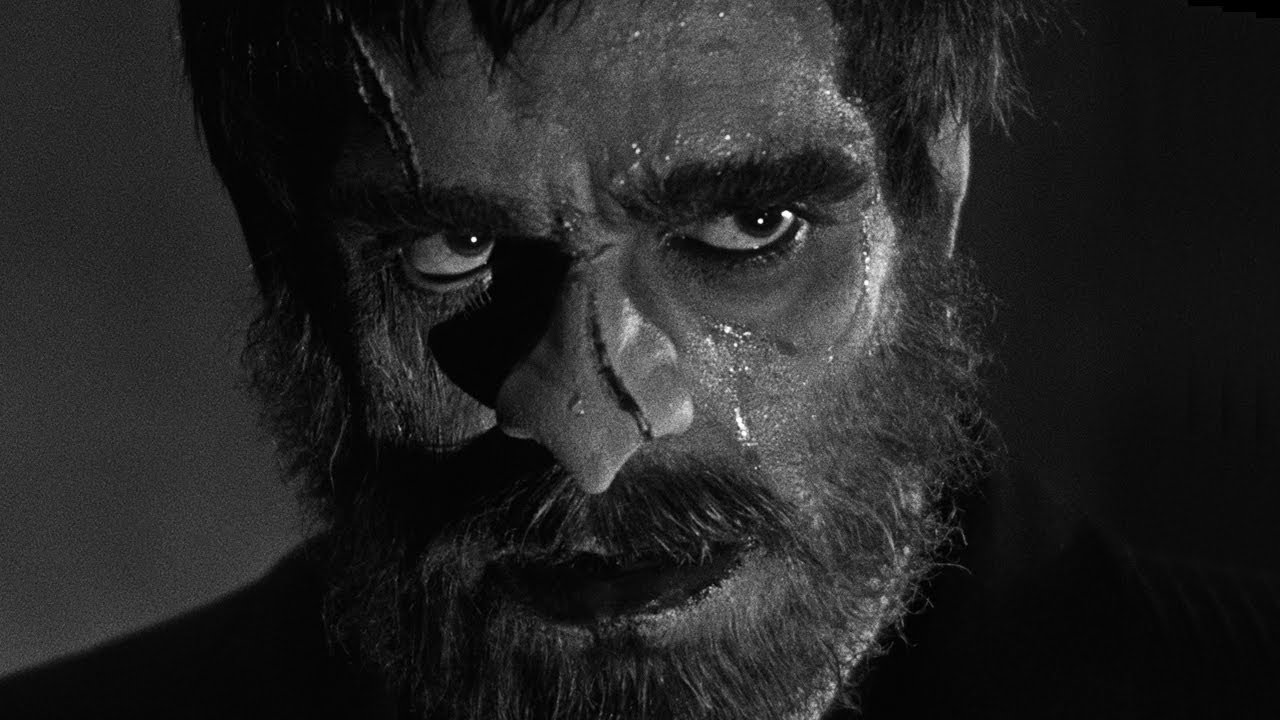
- Expressionist Influences: Whale was influenced by German Expressionism, evident in his use of shadows, dramatic lighting, and distorted sets, especially in films like Frankenstein.
- Theatricality: Having a background in theatre, Whale brought a certain theatricality to his films, using stage-like settings and emphasising performances. This is particularly evident in The Old Dark House.
- Balanced Tone: Despite the gothic horror setting, Whale often incorporated elements of humour and wit, preventing his films from becoming too bleak. Bride of Frankenstein, for example, features comedic moments amid its dark themes.
- Emphasis on Character Development: Beyond the horror, Whale’s films are known for their well-developed characters. He took time to flesh out even secondary characters, giving depth and layers to his stories.
Directorial Signature:
- Iconic Framing: Whale had a knack for creating memorable visual compositions. Scenes like the Monster’s first appearance in Frankenstein or the reveal of the Invisible Man are etched in cinematic history.
- Collaborations with Boris Karloff: One of Whale’s lasting legacies is his frequent collaboration with actor Boris Karloff, resulting in some of the most iconic performances in horror cinema.
- Meticulous Set Design: Whale paid great attention to set design, ensuring they complemented the mood and atmosphere of the story. The laboratory in Frankenstein, with its buzzing equipment and towering structures, is a testament to his attention to detail.
- Juxtaposition of Sound and Silence: Whale masterfully used sound and silence to create tension. The silent moments before a scream or a sudden loud noise became an effective tool in his horror repertoire.
James Whale: The 142nd Greatest Director

 Bronze Screen Dream