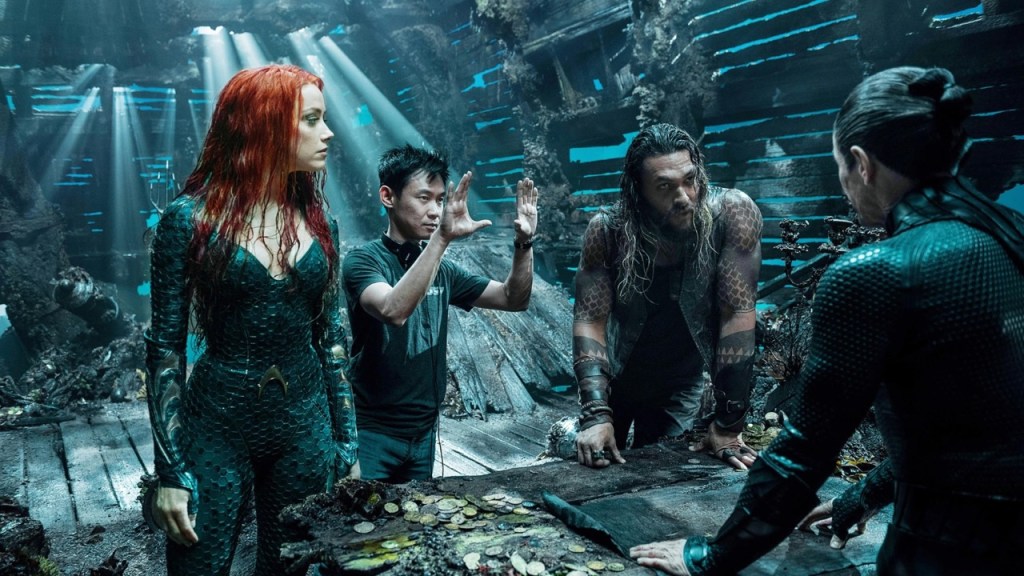
James Wan is an Australian director widely recognised for revolutionising the horror genre in contemporary cinema. He gained significant acclaim and popularity through his work in films such as Saw, Insidious, and The Conjuring. These films, particularly noted for their innovative storytelling and effective suspense-building techniques, have established Wan as a pivotal figure in modern horror cinema.
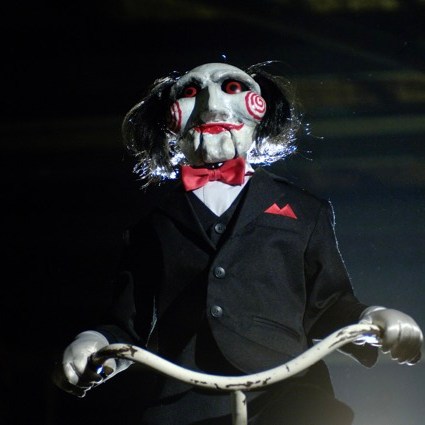
Wan’s directorial debut with Saw in 2004 marked a turning point in horror, introducing audiences to a new level of psychological depth and physical terror. The film’s success spawned a franchise and established Wan’s penchant for creating compelling narratives built around intricate plots and unexpected twists. His work on Insidious further demonstrated his ability to craft tense, atmospheric settings that rely more on psychological scares than on graphic violence. This film, along with The Conjuring, showcased Wan’s skill in using traditional horror motifs—like haunted houses and demonic possession—in ways that felt fresh and genuinely terrifying.
Wan’s career is marked by a distinctive style that combines traditional horror elements with a fresh, modern approach. He often utilises a blend of psychological horror and visceral imagery, creating a deeply unsettling atmosphere in his films. This is evident in Saw, where he introduced a new type of horror antagonist and a unique narrative structure that has influenced numerous subsequent films in the genre. Another notable aspect of Wan’s directorial style is his use of minimalistic settings to evoke intense fear and suspense, as seen in Insidious. This film, along with others in the series, showcases Wan’s ability to create horror through atmosphere and suggestion rather than relying solely on graphic imagery. Additionally, Wan often incorporates supernatural elements into his narratives, as exemplified in The Conjuring, blending these with a sense of realism to heighten the impact on the audience.
Wan frequently employs innovative camera techniques and sound design to enhance the storytelling experience, creating immersive and often claustrophobic environments. His films are also known for their well-developed characters and intricate plots, which add depth to the horror elements and ensure a lasting impact on the viewer. Wan’s ability to balance storytelling with technical skill has not only made him a standout director in the horror genre but also allowed him to successfully venture into other genres, as seen with his work in Aquaman.

James Wan (1977 –)
Calculated Films:
- NA
Similar Filmmakers
- Adam Wingard
- Andy Muschietti
- Ari Aster
- Dario Argento
- David F. Sandberg
- Fede Alvarez
- Jaume Collet-Serra
- John Carpenter
- Leigh Whannell
- Mike Flanagan
- Neil Marshall
- Oren Peli
- Pascal Laugier
- Sam Raimi
- Scott Derrickson
- Takashi Shimizu
- Tobe Hooper
- Wes Craven

James Wan’s Top 5 Films Ranked
1. The Conjuring (2013)
Genre: Haunted House, Supernatural Horror

2. Saw (2004)
Genre: Sadistic Horror, Psychological Thriller, Death Game

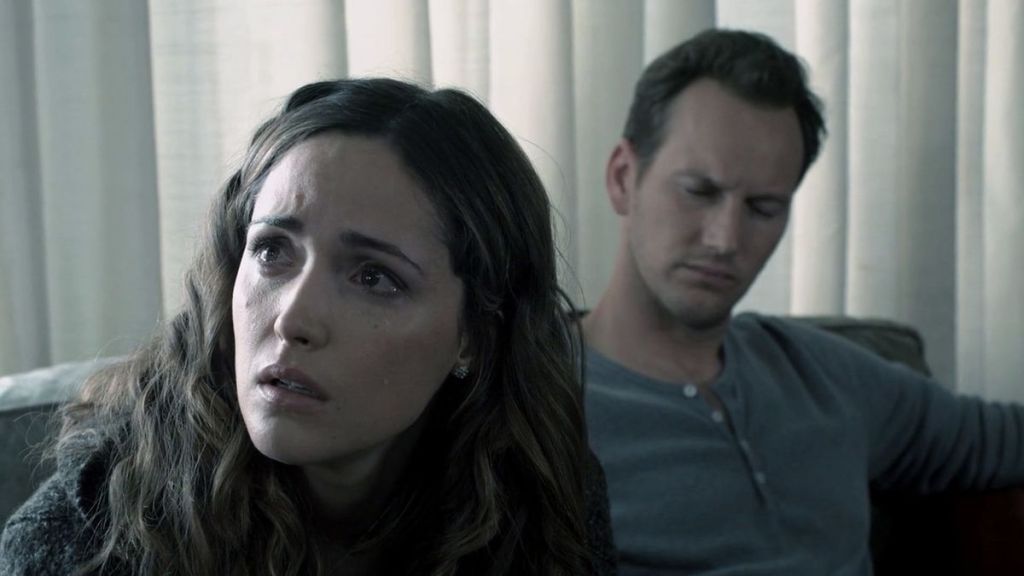
3. Insidious (2010)
Genre: Supernatural Horror
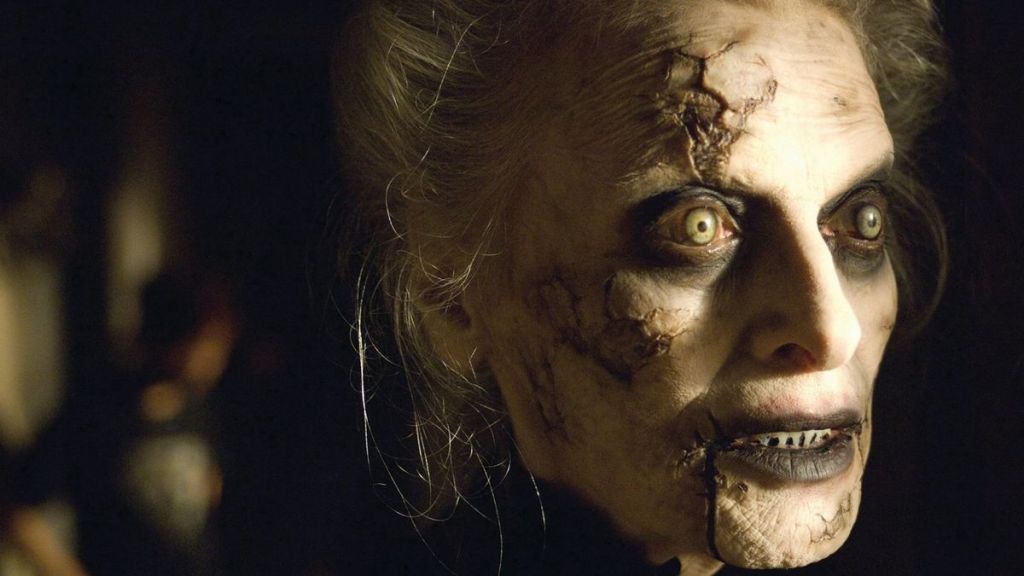
4. Death Sentence (2007)
Genre: Supernatural Horror
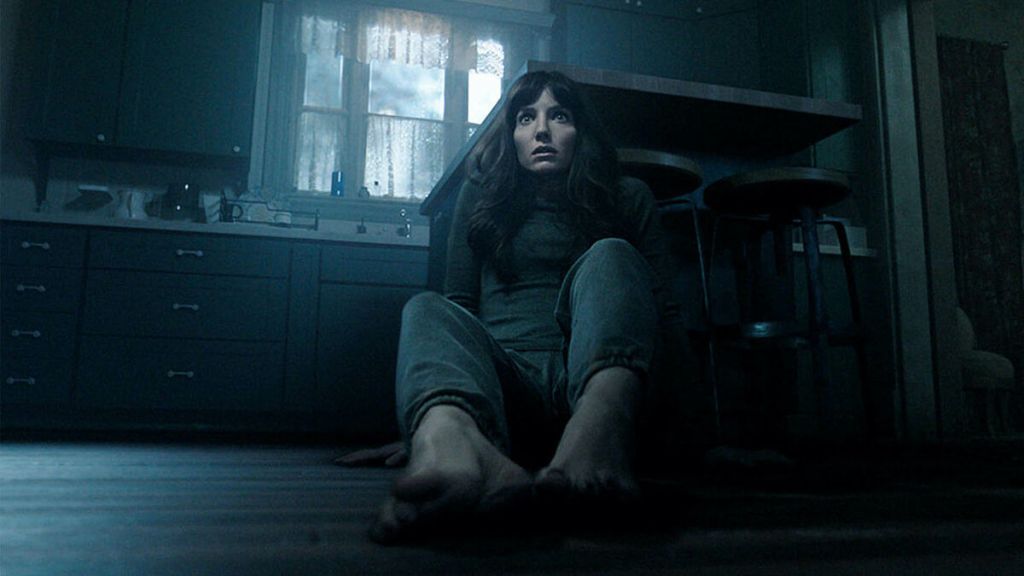
5. Malignant (2021)
Genre: Mystery, Horror, Psychological Horror
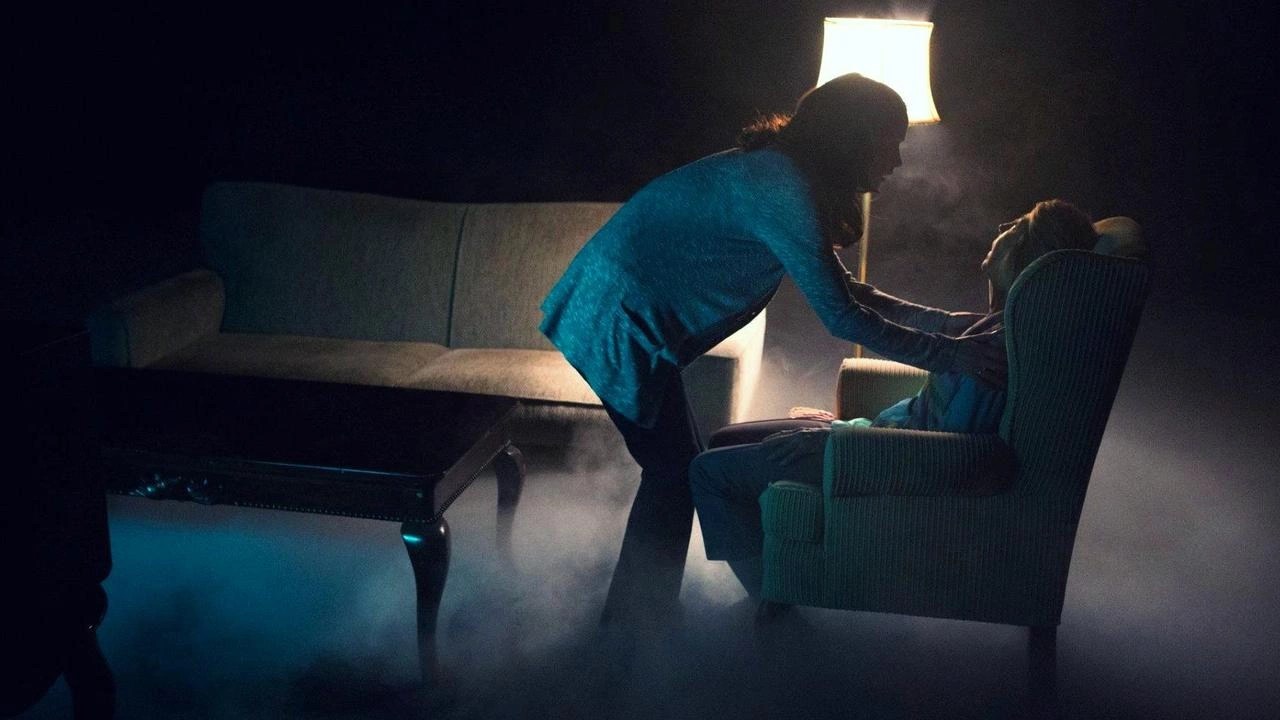
James Wan: Themes and Style
Themes:
- Supernatural and Horror: James Wan is renowned for his focus on supernatural elements and horror, as showcased in The Conjuring and Insidious. These films often explore haunted houses, demonic possessions, and the thin veil between the living and the dead.
- Psychological Terror: Wan delves into the psychological aspects of fear, creating suspense and terror more through atmosphere and anticipation than gore. This is evident in Saw, where the horror is as much psychological as it is physical.
- Family and Relationships: Underlying many of Wan’s horror narratives are themes of family and human relationships. In The Conjuring, the strength of family bonds is central to the plot, adding emotional depth to the supernatural frights.
- Revenge and Retribution: Themes of revenge and retribution are prominent, particularly in his early work, like Death Sentence and Saw, where a deep sense of vengeance often drives characters.
- Good vs. Evil: A classic theme in Wan’s films is the struggle between good and evil. This dichotomy is often personified by characters battling demonic forces or confronting their inner demons, as seen in Insidious.
Styles:
- Building Suspense: Wan is a master at building suspense, often using prolonged silence, eerie soundtracks, and sudden scares to heighten tension, as demonstrated in The Conjuring series.
- Innovative Camera Techniques: His use of creative camera techniques, such as the now-famous rotating room in Insidious, creates a disorienting and immersive horror experience.
- Minimal Gore: Unlike many contemporary horror directors, Wan often opts for minimal gore, relying more on atmosphere and psychological terror to elicit fear, a technique effectively used in The Conjuring.
- Stylised Lighting and Color: He uses stylised lighting and colour schemes to create mood and foreboding atmospheres. The blue-tinted night scenes in Insidious are a prime example of this technique.
- Homage to Classic Horror: Wan frequently pays homage to classic horror films and tropes, blending traditional genre elements with modern filmmaking techniques to create a familiar yet fresh horror experience.
Directorial Signature:
- Iconic Opening Scenes: Wan often sets the tone of his films with iconic, impactful opening scenes, as seen in Saw with its infamous bathroom trap scene, immediately immersing viewers in the film’s tense atmosphere.
- Creative Use of Dolls and Puppets: He has a distinctive motif of using dolls and puppets, like the ventriloquist dummies in Dead Silence and the creepy doll in The Conjuring, to symbolise innocence corrupted by evil.
- Strong Central Characters: Despite the focus on horror, Wan’s films often feature strong, well-developed central characters, adding depth and emotional stakes to the narrative, exemplified by the paranormal investigators in The Conjuring.
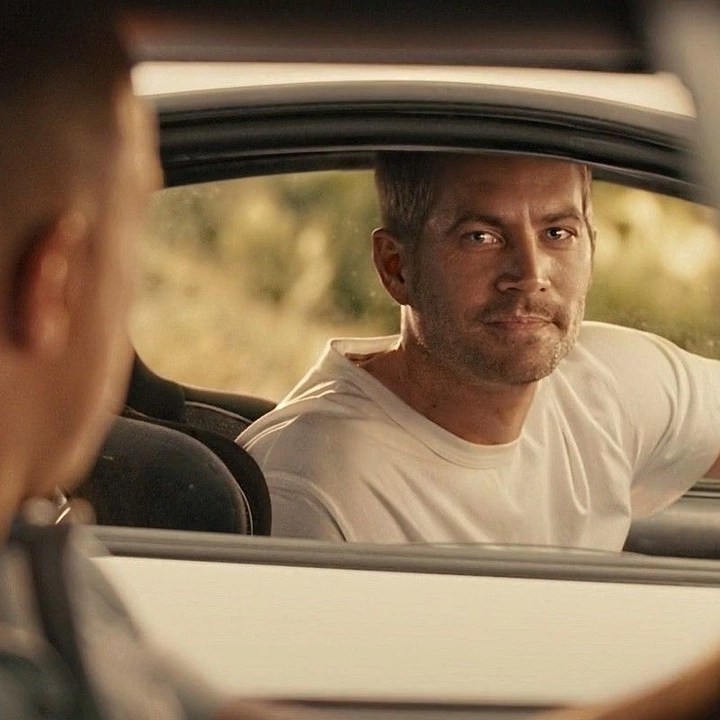
- Blending of Genres: While primarily known for horror, Wan seamlessly blends genres, incorporating elements of action, thriller, and drama into his films, as seen in his transition to directing Furious 7.
- Recurring Collaborations: Wan frequently collaborates with the same actors and crew members, like actor Patrick Wilson and screenwriter Leigh Whannell, creating a consistent quality and style across his films.
James Wan – Great Director


 Bronze Screen Dream