

James L. Brooks is an American filmmaker and television producer best known for his work on the television series The Simpsons and films like Terms of Endearment and Broadcast News. His projects often engage with the complexities of human relationships and the nuances of everyday life, presenting these themes with a unique blend of humour and heartrending drama.
Brooks’s filmography is characterised by a deep and insightful exploration of the human condition, often focusing on the intricacies of personal relationships and the challenges of communication. In Terms of Endearment, he skillfully navigates the dynamic between a mother and daughter, providing a poignant look at love, loss, and the enduring bonds of family. Similarly, Broadcast News delves into the professional and romantic entanglements of its protagonists, offering a sharp critique of the television news industry while highlighting the vulnerabilities and aspirations of its characters.
Beyond his adept handling of relational dynamics, Brooks’s work is also notable for its witty, intelligent dialogue and well-drawn, relatable characters. He has a talent for capturing the subtleties of human interaction, creating moments that are simultaneously humorous and touching. This, combined with his commitment to strong storytelling and character development, results in films that resonate deeply with audiences, providing both entertainment and thoughtful reflection on life’s complexities. Whether crafting an animated series that has become a cultural touchstone or directing films that explore the depths of human emotion, Brooks brings a distinctive voice and vision to the world of entertainment.

James L. Brooks (1940 – -)
Calculated Films:
- Terms of Endearment (1983)
- Broadcast News (1987)
- As Good As It Gets (1997)
Similar Filmmakers
- Alexander Payne
- Barry Levinson
- Billy Wilder
- Cameron Crowe
- Glenn Gordon Caron
- Joan Micklin Silver
- Richard Curtis
- Rob Reiner
- Ron Howard
- Tom McCarthy
- Sydney Pollack
- Woody Allen


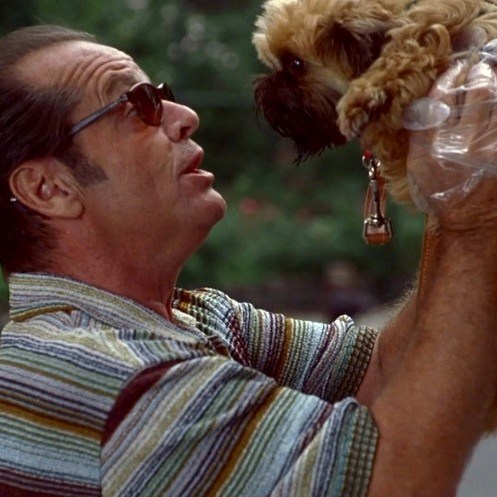
James L. Brooks’s Top 5 Films Ranked
1. Broadcast News (1987)
Genre: Drama, Romantic Comedy

2. As Good As It Gets (1997)
Genre: Drama, Romance, Romantic Comedy, Comedy

3. Terms of Endearment (1983)
Genre: Drama, Family Drama

4. Splanglish (2004)
Genre: Romantic Comedy, Drama, Slice of Life, Family Drama
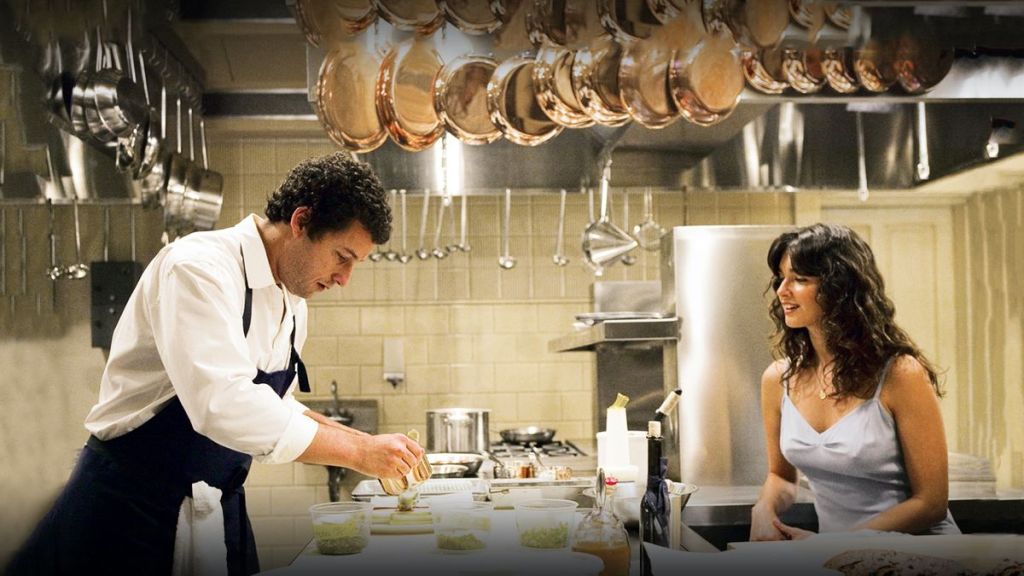
5. How Do You Know (2010)
Genre: Romantic Comedy

James L. Brooks: Themes and Style
Themes:
- Human Relationships and Interpersonal Dynamics: Brooks often explores the complexities of human relationships, focusing on familial bonds, romantic connections, and workplace dynamics. Films like Terms of Endearment and Broadcast News delve into the intricacies of love, friendship, and familial ties, providing viewers with a candid, often poignant look at the challenges and joys inherent in human interactions.
- Professional and Personal Identity: Many of his works dissect characters’ struggles with their professional lives and personal identities. For instance, in Broadcast News, the protagonists grapple with their roles as news broadcasters, their responsibilities to the public, and their aspirations and fears.
- Search for Meaning and Happiness: Brooks’s films often centre on individuals in pursuit of happiness, self-fulfilment, and meaning in their lives. Characters are usually seen navigating through emotional and existential crises, attempting to find balance and contentment amidst turmoil.
Styles:
- Character-Driven Storytelling: Brooks prioritises character development over plot. He crafts multi-dimensional, relatable characters, providing them with depth and authenticity. Through detailed character studies, he allows audiences to empathise with and understand the motivations and emotions driving his protagonists.
- Blend of Comedy and Drama (Dramedy): Known for pioneering the “dramedy” genre, Brooks masterfully balances comedic elements with dramatic moments. He utilises humour to underscore and alleviate the tension in dramatic situations, offering a nuanced and relatable portrayal of life’s absurdities and tragedies.
- Dialogue-Centric Approach: Brooks’s films feature sharp, witty, and emotionally charged dialogues that serve as the primary vehicle for character development and narrative progression. His dialogues are often reflective of everyday speech, imbued with humour, intelligence, and emotional depth.
Directorial Signature:
- Emotional Resonance: Brooks’s films are celebrated for their emotional authenticity. Audiences can easily relate to the feelings and situations presented on screen, as he often explores universal themes of love, loss, success, and failure.
- Visual and Narrative Subtlety: Rather than relying on grandiose visual effects or overly dramatic narrative devices, Brooks employs a subtle, understated style of filmmaking. This subtlety allows the characters and their stories to take centre stage, resonating with viewers on a deeply personal level.
- Cultural Commentary: While telling personal stories, Brooks’s films also offer commentary on broader cultural and societal issues. Through the lens of individual experiences, he explores themes such as media ethics, societal expectations, and the human quest for happiness and fulfilment.
James L. Brooks – Great Director




 Bronze Screen Dream