James Benning is an American independent filmmaker known for his unique approach to cinema that blends elements of avant-garde and structural filmmaking. With a career spanning over four decades, he has created a distinctive body of work characterised by its exploration of landscape, time, and American socio-political history. His notable films include 13 Lakes, Ten Skies, and RR, each of which exemplifies his minimalist style and rigorous attention to composition and duration.
Benning’s work is distinguished by its focus on the American landscape, often devoid of human presence, allowing the environment itself to become a central character. Through long, unbroken takes and a static camera, he invites viewers to observe subtle changes and movements within each frame, fostering a meditative viewing experience. This technique is evident in 13 Lakes, where each of the 13 ten-minute shots of various lakes across the United States serves as a contemplative study of water and its surroundings. Benning’s interest in the temporal aspects of cinema is further explored in Ten Skies, which consists of ten shots of the sky, each capturing the transient and dynamic nature of the atmosphere.
Benning’s visual style is marked by its simplicity and precision, often eschewing narrative for an exploration of theme and form. His films frequently engage with American history and culture, as seen in RR, which reflects on the industrial and economic landscapes of the country through the motif of trains. Through his methodical and contemplative approach, he challenges conventional cinematic expectations, encouraging viewers to engage with film in a more introspective and patient manner.

James Benning (1942 – -)
Calculated Films:
- Landscape Suicide (1986)
- Los (2001)
- RR (2007)
Similar Filmmakers
- Abbas Kiarostami
- Ben Rivers
- Chantal Akerman
- Chris Welsby
- Deborah Stratman
- Heinz Emigholz
- Jem Cohen
- Larry Gottheim
- Lav Diaz
- Michael Snow
- Nathaniel Dorsky
- Peter Hutton
- Peter Tscherkassky
- Phil Solomon
- Sharon Lockhart
- Stan Brakhage
- Thom Andersen
- Wang Bing


James Benning’s Top 5 Films Ranked
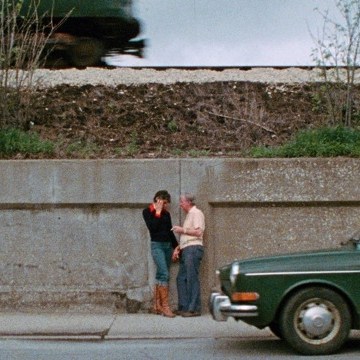
1. Landscape Suicide (1986)
Genre: Essay Film, Docudrama, Landscape Film
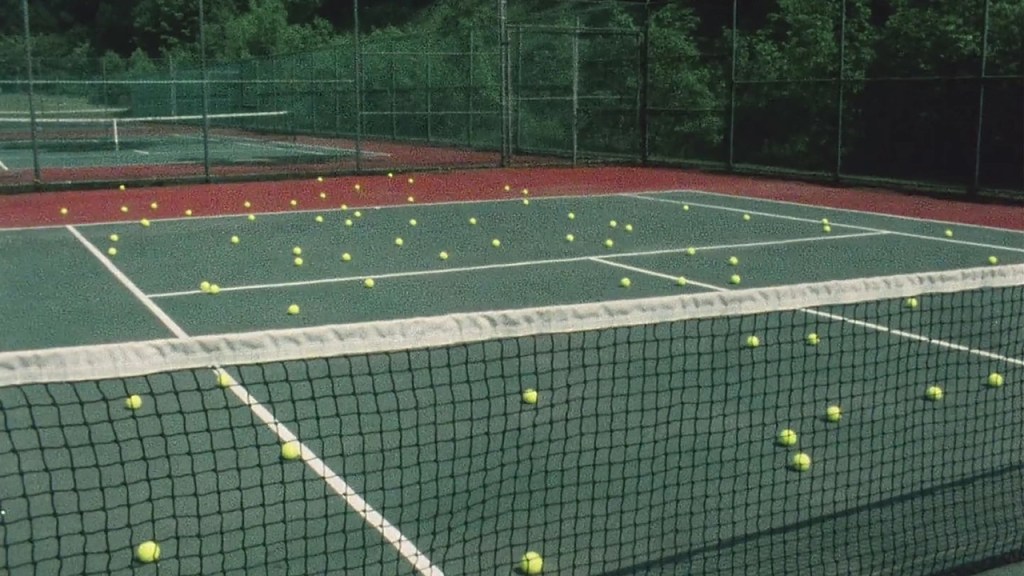
2. 11 x 14 (1977)
Genre: Structural Film, Landscape Film

3. The United States of America (1975)
Genre: Structural Film, Documentary, Landscape Film
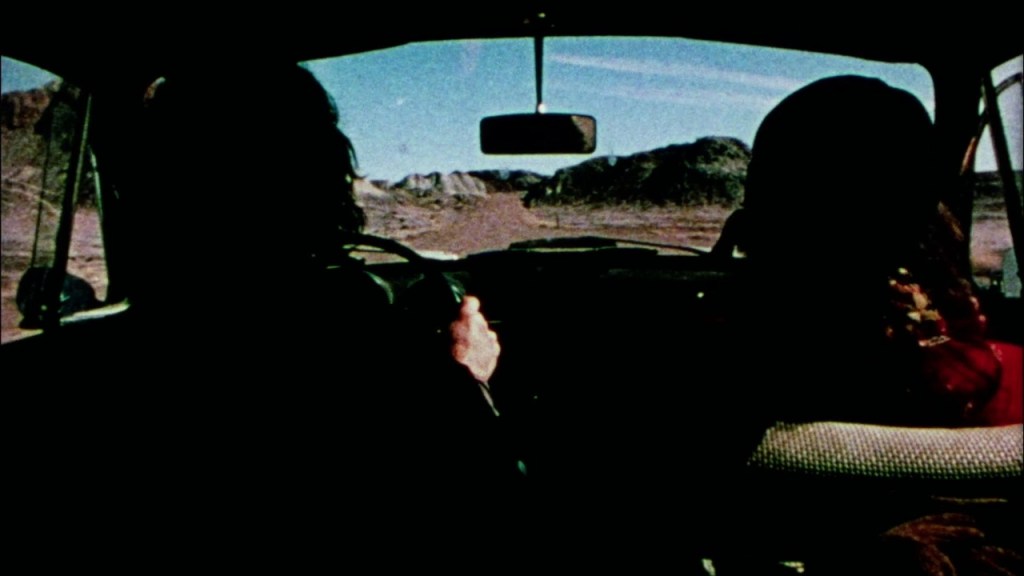
4. Los (2001)
Genre: Structural Film, Documentary, Landscape Film

5. RR (2007)
Genre: Structural Film, Documentary, Landscape Film

James Benning: Themes and Style
Themes:
- Exploration of Time and Space: Benning’s films, such as 13 Lakes and Ten Skies, often explore the nuanced interplay between time and space, inviting viewers to immerse themselves in the contemplative observation of natural and man-made environments.
- Political and Social Commentary: Through works like American Dreams (Lost and Found), Benning delves into the American psyche, reflecting on political, social, and historical themes and how they shape individual and collective identities.
- Environmental Awareness: Many of Benning’s films, including RR and Deseret, subtly critique ecological degradation and the impact of industrialisation on natural landscapes, urging a reflection on humanity’s relationship with the Earth.
- Personal and Historical Narratives: Benning often intertwines personal stories with broader historical narratives, as seen in Landscape Suicide, to explore how individual experiences reflect and are shaped by larger societal forces.
Styles:
- Long Takes and Static Shots: Benning’s signature style includes the use of long, uninterrupted takes and static camera positions, creating a meditative experience that encourages viewers to engage deeply with the visual and auditory elements of the scene.
- Minimalist Aesthetics: His work is characterised by a minimalist aesthetic, stripping away unnecessary elements to focus on the pure essence of the visual subject, whether it’s a landscape, a building, or a person.
- Integration of Soundscapes: Benning often employs natural soundscapes and occasionally non-diegetic sound to complement the visual component, enhancing the immersive quality of his films and adding layers of meaning.
- Absence of Conventional Narrative: Eschewing traditional narrative structures, Benning’s films prioritise the sensory and experiential aspects of cinema, inviting viewers to derive their own interpretations and meanings from the imagery and sounds.
Directorial Signature:
- Juxtaposition of Images and Themes: Benning skillfully juxtaposes disparate images and themes to evoke complex emotions and thoughts, as seen in the contrasting landscapes of Deseret, reflecting on the diversity and contradictions of the American West.
- Precision in Composition: Every frame in Benning’s films is meticulously composed, often aligning with the principles of still photography to capture the profound beauty and complexity of seemingly mundane scenes.
- Integration of Text and Image: In films like American Dreams (Lost and Found), Benning integrates text with images in a way that adds depth to the narrative, inviting viewers to engage with the film on multiple intellectual and emotional levels.
- Focus on the Marginal and Overlooked: Benning often turns his lens towards subjects that are marginalised or overlooked, whether it’s landscapes, people, or aspects of culture, thereby uncovering beauty and significance in the ostensibly ordinary.
James Benning – Great Director



 Bronze Screen Dream