

Jafar Panahi is an Iranian filmmaker, screenwriter, and director whose work has been widely celebrated for its bravery, creativity, and social and political engagement. Despite facing numerous challenges and restrictions from the Iranian government, Panahi has continued to make films that challenge the status quo and give voice to the marginalized and oppressed in his society.
Panahi began his career as a filmmaker in the 1980s, working as an assistant director on several notable Iranian films before making his directorial debut with The White Balloon in 1995. The film, which tells the story of a young girl’s quest to buy a goldfish, was a critical and commercial success, winning the Camera d’Or at the Cannes Film Festival and establishing Panahi as a major new voice in Iranian cinema.
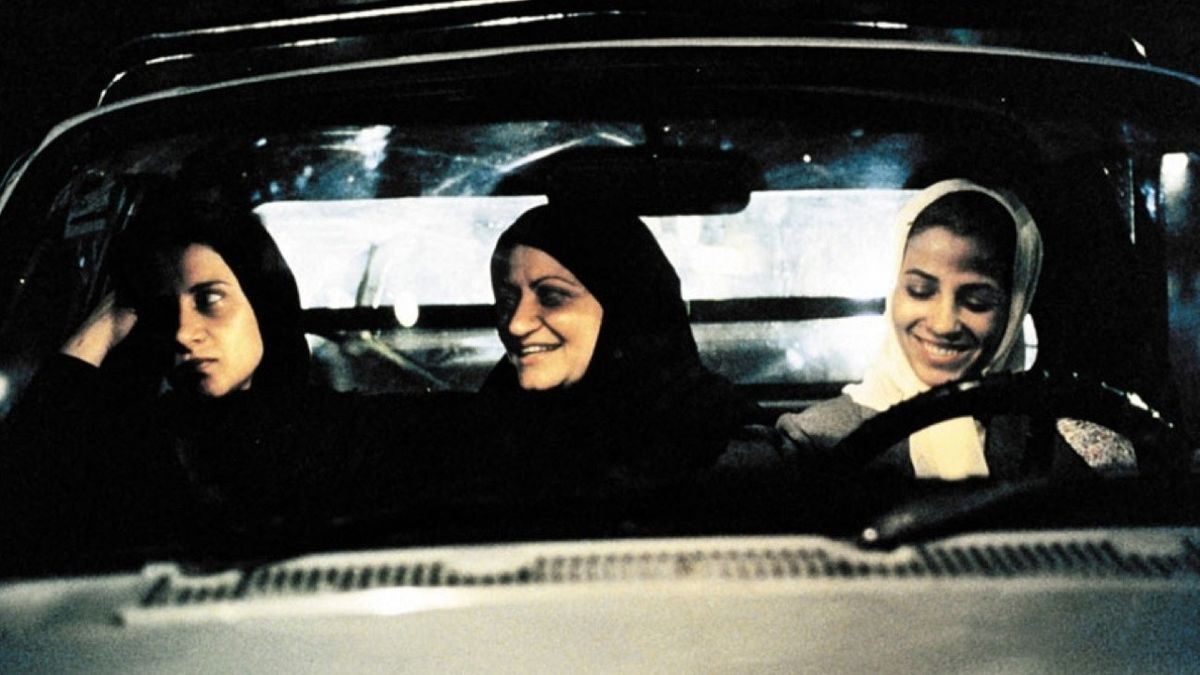
Panahi’s subsequent films continued to explore the social and political realities of life in Iran, often through the lens of everyday people and their struggles. Films such as The Mirror and The Circle used innovative storytelling techniques and non-professional actors to create powerful, naturalistic portraits of Iranian society, while Crimson Gold and Offside used humour and satire to critique the absurdities and injustices of the Iranian legal system.
In 2010, Panahi was arrested by the Iranian government and charged with making propaganda against the state. He was sentenced to six years in prison and banned from making films for 20 years, but he continued to work in secret, smuggling films out of the country and directing them remotely. His 2011 film This Is Not a Film was famously smuggled out of Iran on a USB drive hidden inside a cake and went on to screen at numerous international film festivals.
Despite the ongoing restrictions and threats he faces, Panahi has remained committed to his art and to the power of cinema to effect social and political change. His most recent films, such as Taxi and Three Faces, have continued to push the boundaries of what is possible under the constraints of censorship and repression, using innovative storytelling techniques and bold, unconventional approaches to filmmaking.

Jafar Panahi (1960 – -)
Calculated Films:
- The White Balloon (1995)
- The Mirror (1997)
- Crimson Gold (2003)
- This Is Not a Film (2011)
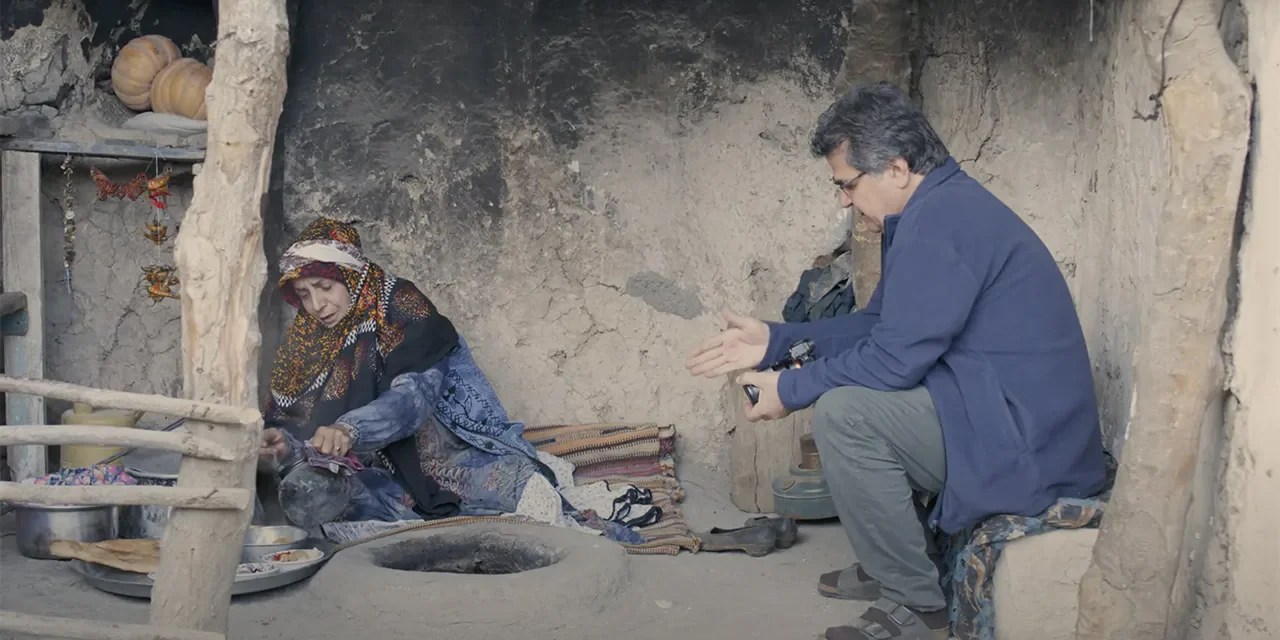
- No Bears (2022)
Similar Filmmakers
- Abbas Kiarostami
- Asghar Farhadi
- Bahman Ghobadi
- Bahram Beyzai
- Dariush Mehrjui
- Ermanno Olmi
- Kambuzia Partovi
- Ken Loach
- Mani Haghighi
- Mohammad Rasoulof
- Mohsen Makhmalbaf
- Nuri Bilge Ceylan
- Panah Panahi
- Parviz Kimiavi
- Rakhshan Bani-Etemad
- Samira Makhmalbaf
- Shahram Mokri
- Vittorio De Sica
Jafar Panahi’s Top 5 Films Ranked
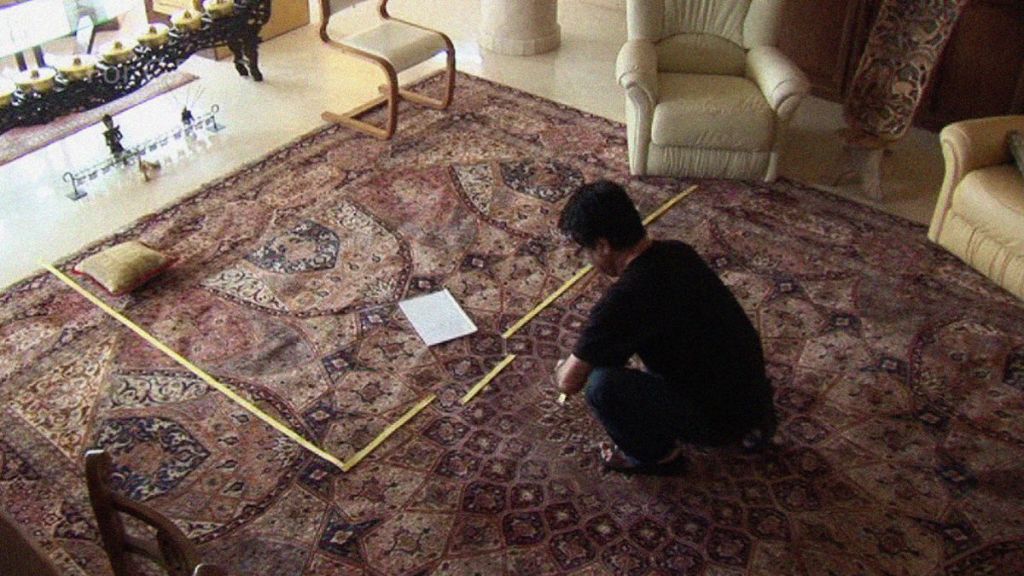
1. This is Not a Film (2011)
Genre: Diary Film, Movie Documentary
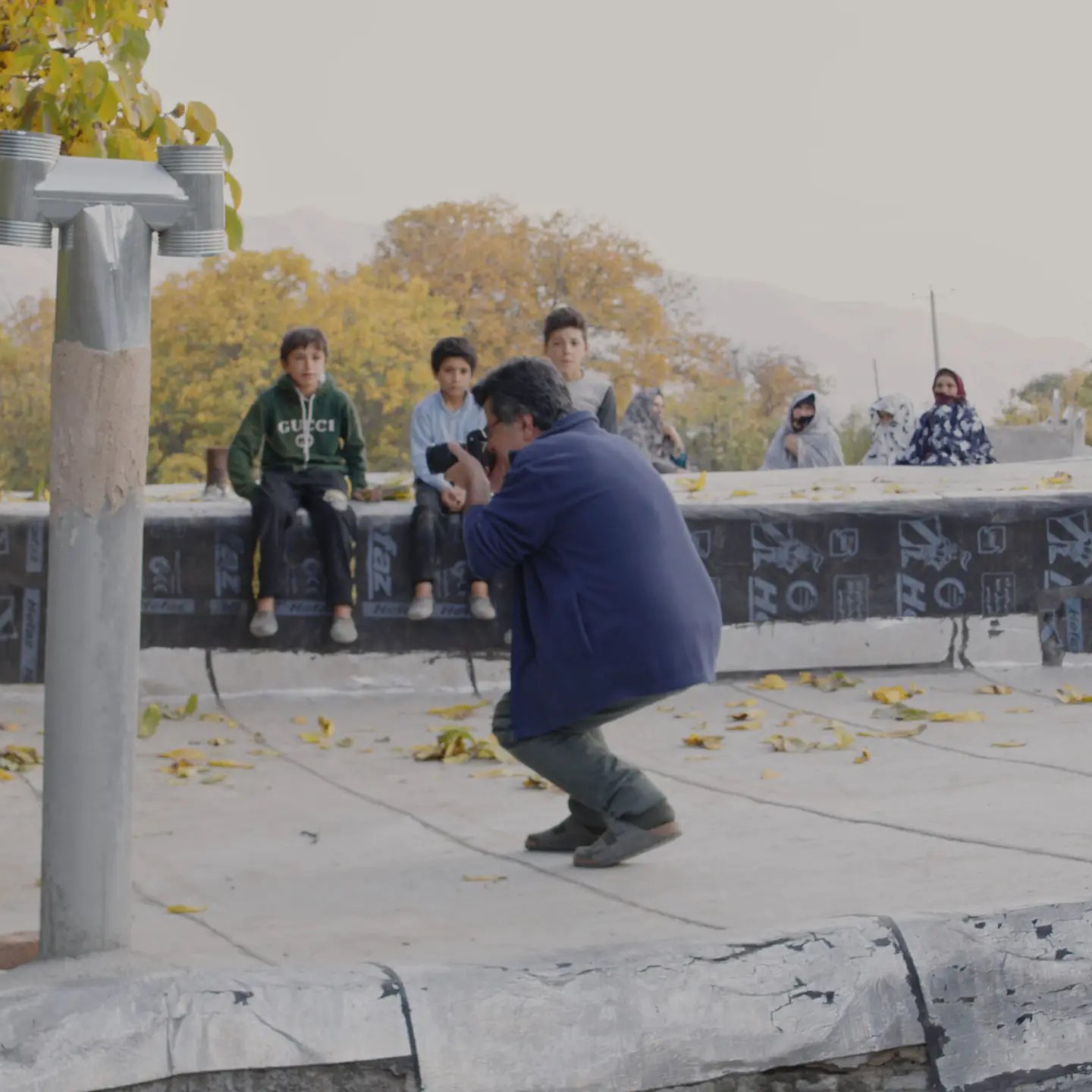
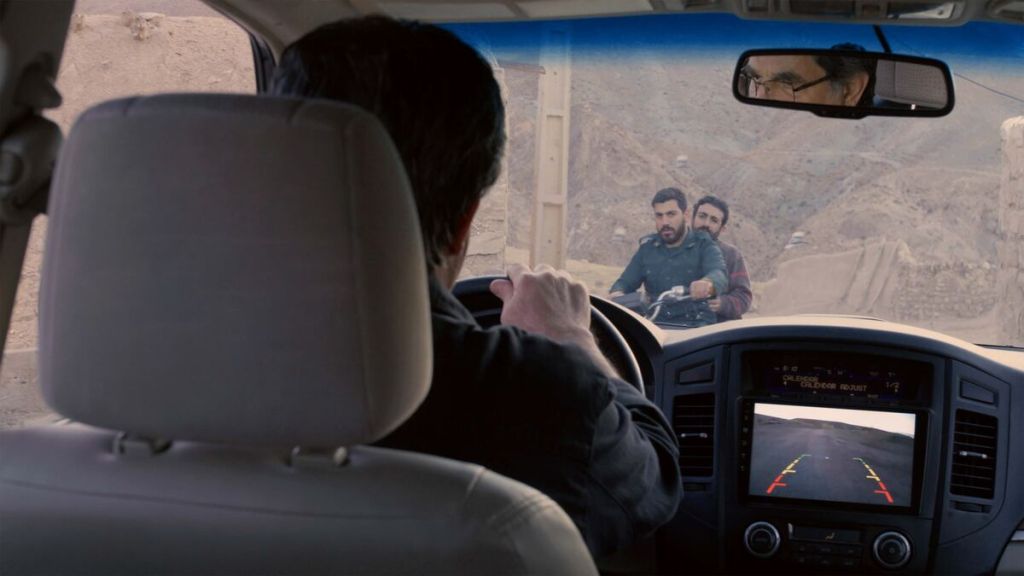
2. No Bears (2022)
Genre: Drama, Docudrama
3. The Mirror (1997)
Genre: Docudrama

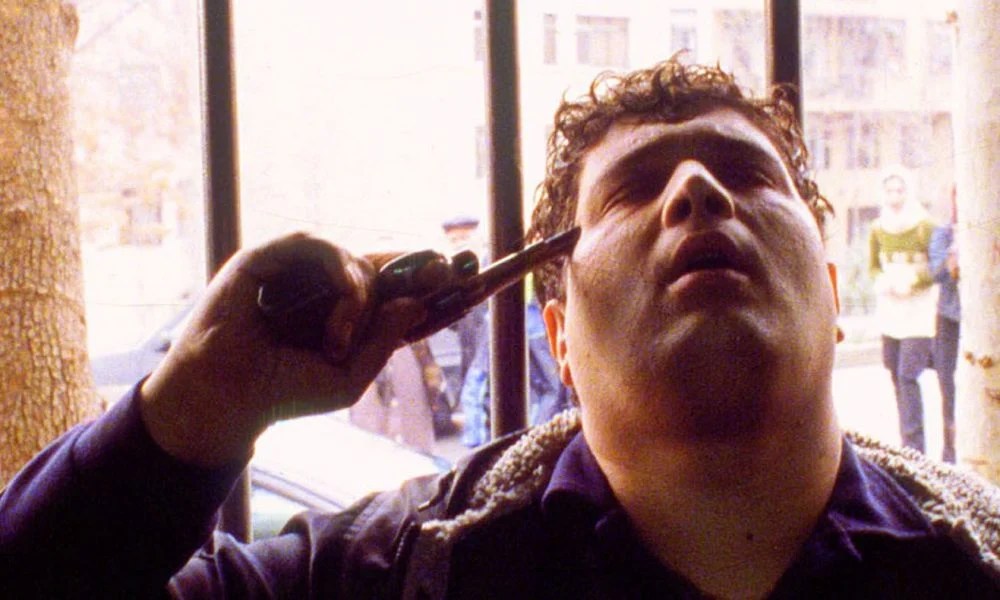
4. Crimson Gold (2003)
Genre: Psychological Drama, Crime
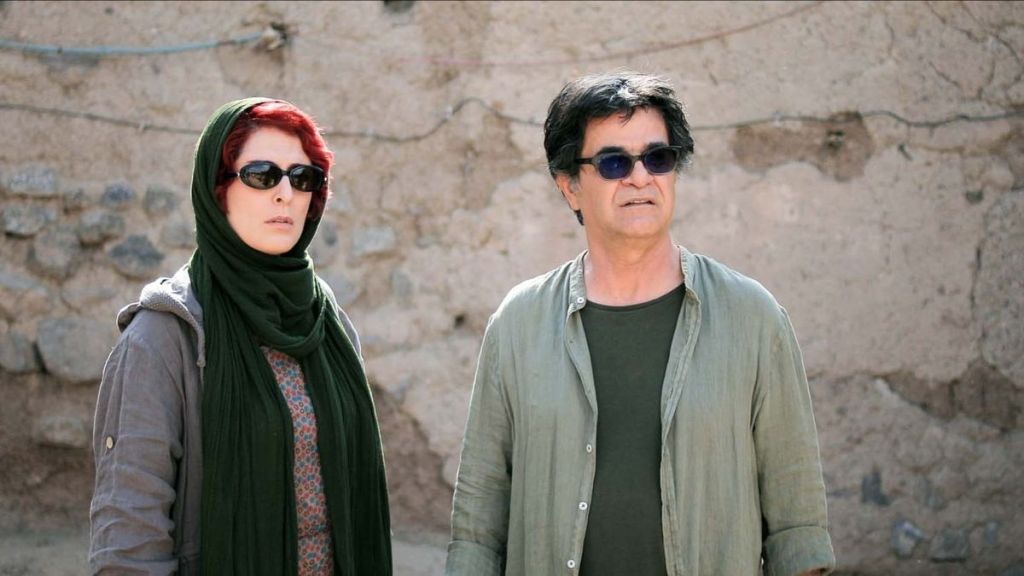
5. Three Faces (2018)
Genre: Drama, Road Movie
Jafar Panahi: Themes and Style
Themes:
- Societal Critique: Panahi’s films often delve deep into the sociopolitical fabric of Iran, addressing issues like women’s rights, censorship, and social disparity.
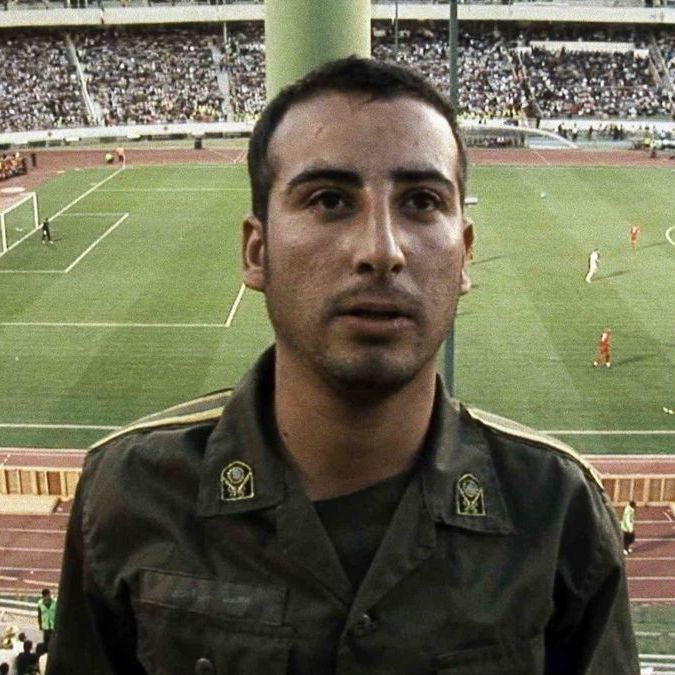
- Focus on the Marginalized: Whether it’s women trying to watch a soccer match in Offside or a pizza delivery man confronting class differences in Crimson Gold, Panahi emphasises the experiences of those on the fringes of society.
- Personal Reflection: Especially in his later works made under the ban, there’s a heightened sense of introspection, as seen in This Is Not a Film, where Panahi documents his struggles.
Styles:
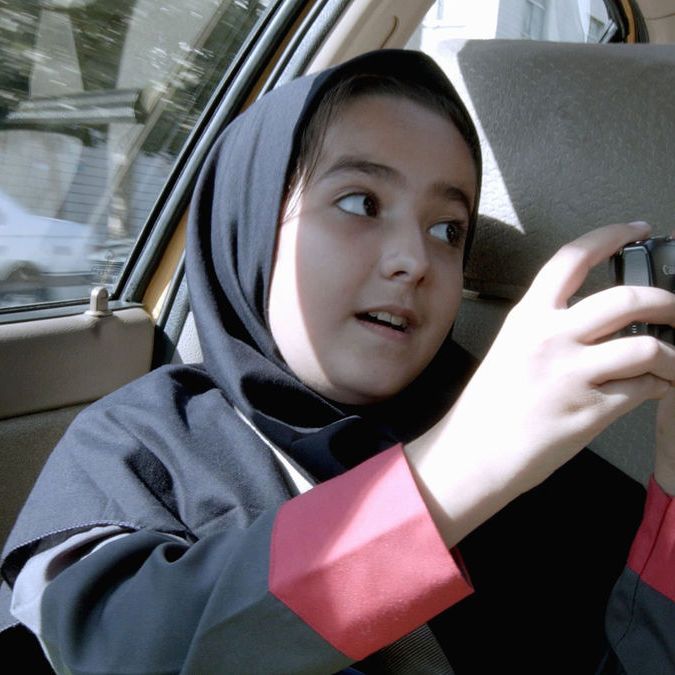
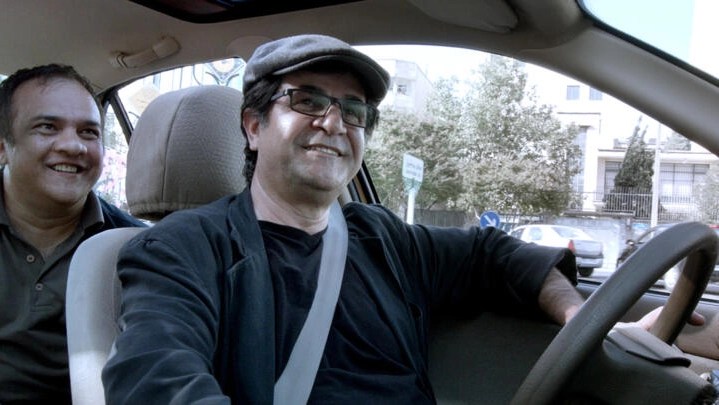
- Minimalist Settings: Panahi often opts for simplicity, using single locations or confined spaces (like a taxi in Taxi) to convey broader societal tales.
- Non-Professional Actors: Panahi frequently employs amateur actors to capture authenticity, emphasising natural performances over-rehearsed ones.
- Real-Time Narratives: Many of his films take place over a short duration, even a single day or a few hours, lending a sense of immediacy and urgency.
- Guerrilla Filmmaking: Panahi’s recent works have been produced covertly, often using handheld devices or hidden cameras due to the ban imposed on him.
Directorial Signature:
- Blurring Fact and Fiction: Panahi often melds reality with fiction, creating scenarios that feel intensely real even if staged, like the amalgamation of passenger stories in Taxi.
- Direct Involvement: Unlike many directors, Panahi often inserts himself into the narrative, becoming a character, observer, or commentator in his films.
- Subtle Defiance: Panahi’s films aren’t overtly aggressive despite the heavy themes. They often use allegory, humour, or simple tales to convey profound critiques, making the political undertones resonate deeper.
- Immersive Atmosphere: Panahi creates a palpable atmosphere that immerses viewers in the world he depicts, whether it’s the bustling streets of Tehran or the confines of his own apartment.
- Breaking the Fourth Wall: On several occasions, he breaks the cinematic illusion, reminding viewers of the reality outside the film’s narrative, as he did by revealing filmmaking processes in This Is Not a Film.
Jafar Panahi – Great Director

 Bronze Screen Dream