

Jacques Tati is a French director renowned for his distinctive comedic style that ingeniously melds physical comedy with visual gags, often employing minimal dialogue. Tati’s films, in which he frequently appeared as his signature character, Monsieur Hulot, are celebrated for their unique blend of humour, visual inventiveness, and social commentary. With his peculiar walk, pipe, and hat, Hulot became an iconic figure, representing the average man navigating the absurdities and complexities of modern life.
Tati’s trajectory into filmmaking was shaped by his early work as a mime artist, an influence seen in his use of physical comedy. This foundation in mime allowed Tati to emphasise the visual over the verbal in his films. His films, such as Mon Oncle and Playtime, often utilise long takes, wide shots, and deep focus, encouraging viewers to explore the frame and discover visual jokes and subtle details. This emphasis on the visual was complemented by Tati’s meticulous sound design, which used sound effects as an integral part of the atmosphere and a source of comedy in their own right.
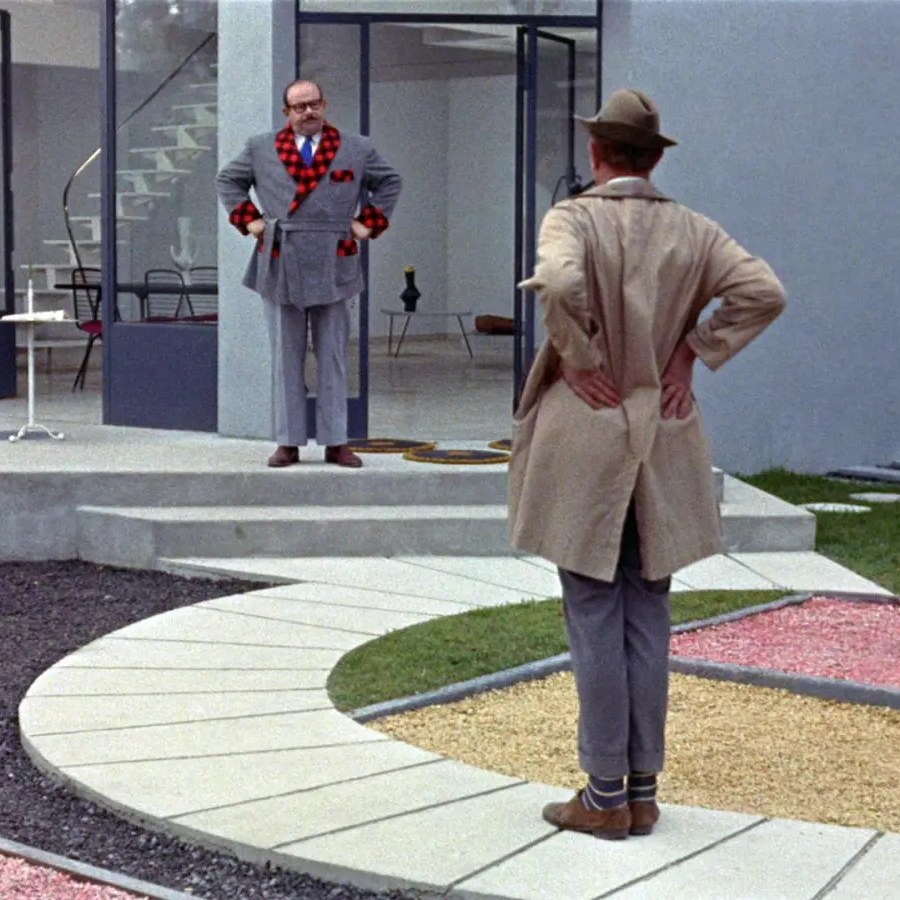
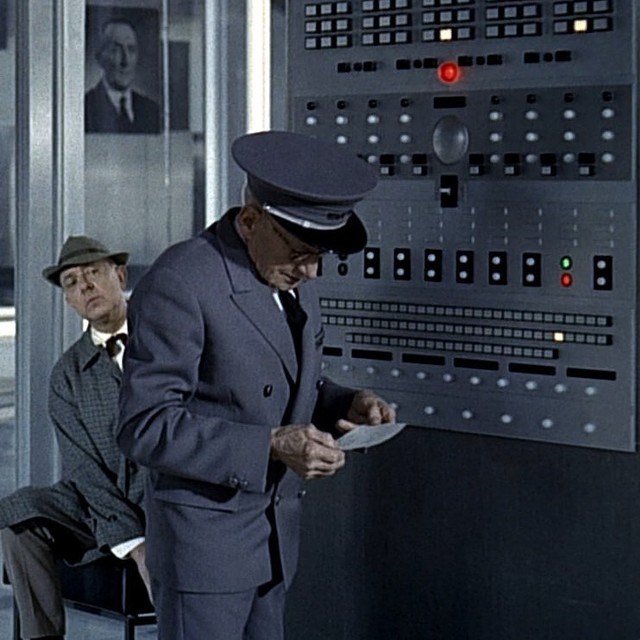
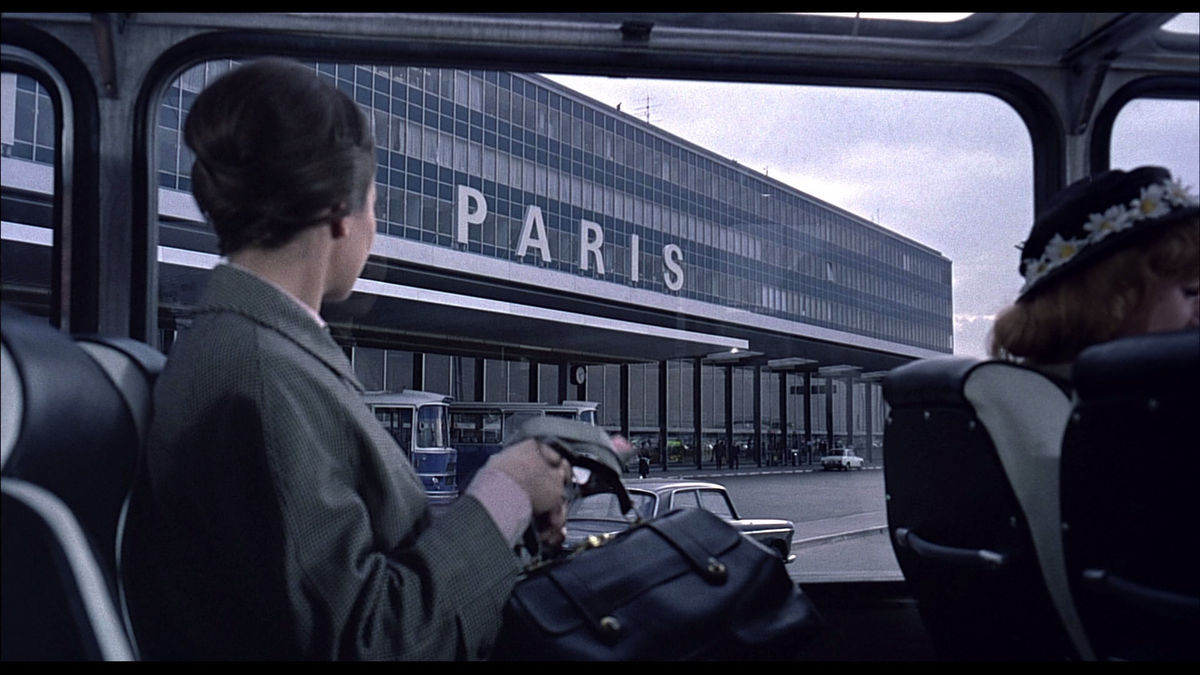
A consistent motif throughout Tati’s filmography is a comedic commentary on modern society and technology. Tati’s characters, particularly Monsieur Hulot, frequently find themselves at odds with the impersonality and mechanisation of the modern world. For instance, in Playtime, Hulot is lost amid the uniformity of the modern urban landscape, a comment on the dehumanising aspects of technological progress.
French Comedy’s Great Auteur
Tati was known for his total commitment to his art, often taking on multiple roles – writer, director, and actor – in his films. Tati established his own film studio to maintain creative control over his work. This dedication is reflected in the remarkable consistency and coherence of his filmography, which despite its minimal output, has had an enduring impact on the cinematic landscape.
Tati’s influence extends to many filmmakers, both within and beyond France. The whimsical, visually rich style of Wes Anderson, for example, clearly reflects Tati’s influence. At the same time, Steven Spielberg once expressed his admiration for Tati’s ability to create comedy through the mise-en-scène. Despite Tati’s limited output – he directed only six feature films – his impact on film history is profound, with his innovative use of sound and image and his distinctive comedic style continuing to inspire filmmakers worldwide.
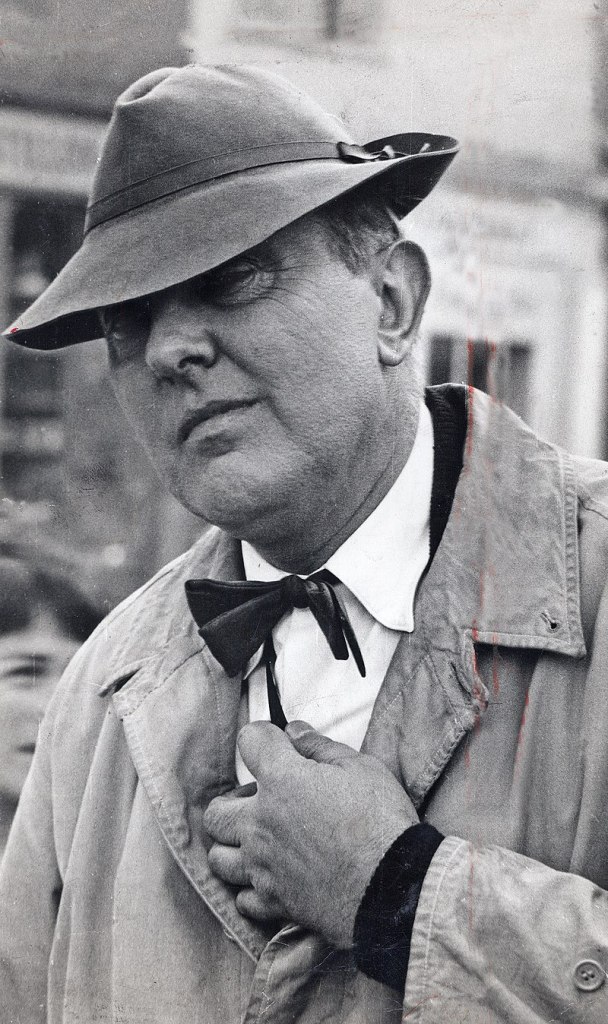
Jacques Tati (1907 – 1982)
Calculated Films:
- Mr Hulot’s Holiday (1953)
- Mon Oncle (1958)
- Playtime (1967)
Similar Filmmakers
- Aki Kaurismaki
- Bent Hamer
- Blake Edwards
- Buster Keaton
- Charlie Chaplin
- Elia Suleiman
- Pierre Etaix
- Rene Clair
- Roy Andersson
- Terry Gilliam
- Wes Anderson
- Woody Allen
Jacques Tati’s Top Films Ranked
1. Playtime (1967)
Genre: Satire, Slapstick

2. Mon Oncle (1958)
Genre: Satire, Slapstick
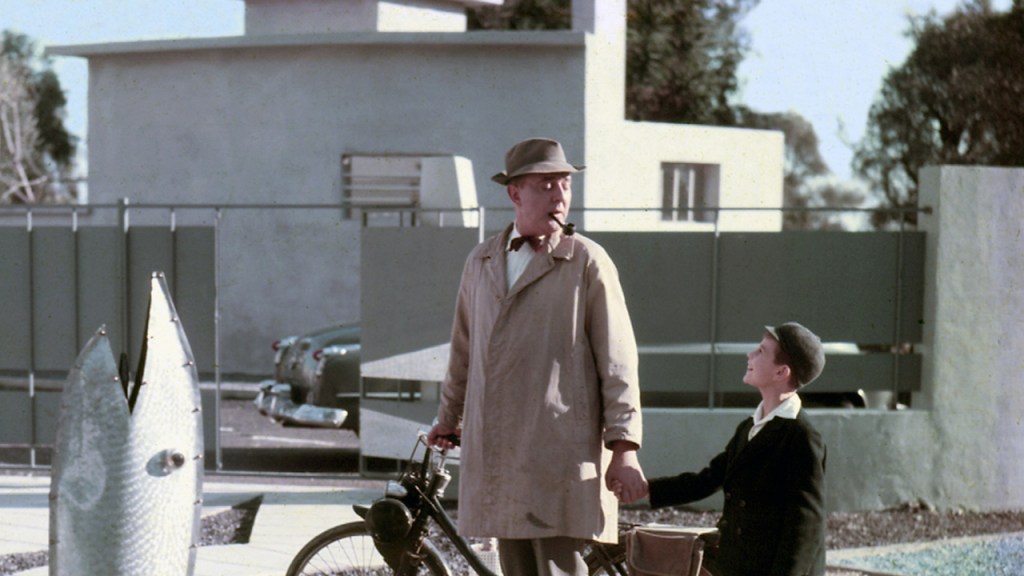
3 Monsieur Hulot’s Holiday (1953)
Genre: Satire, Slapstick
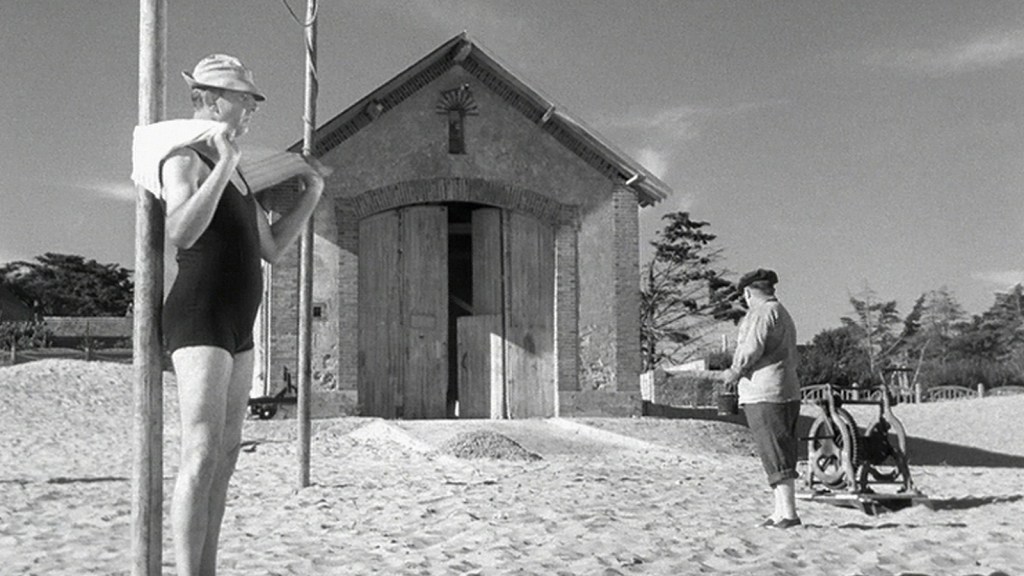
4. Jour de Fete (1949)
Genre: Slapstick, Comedy
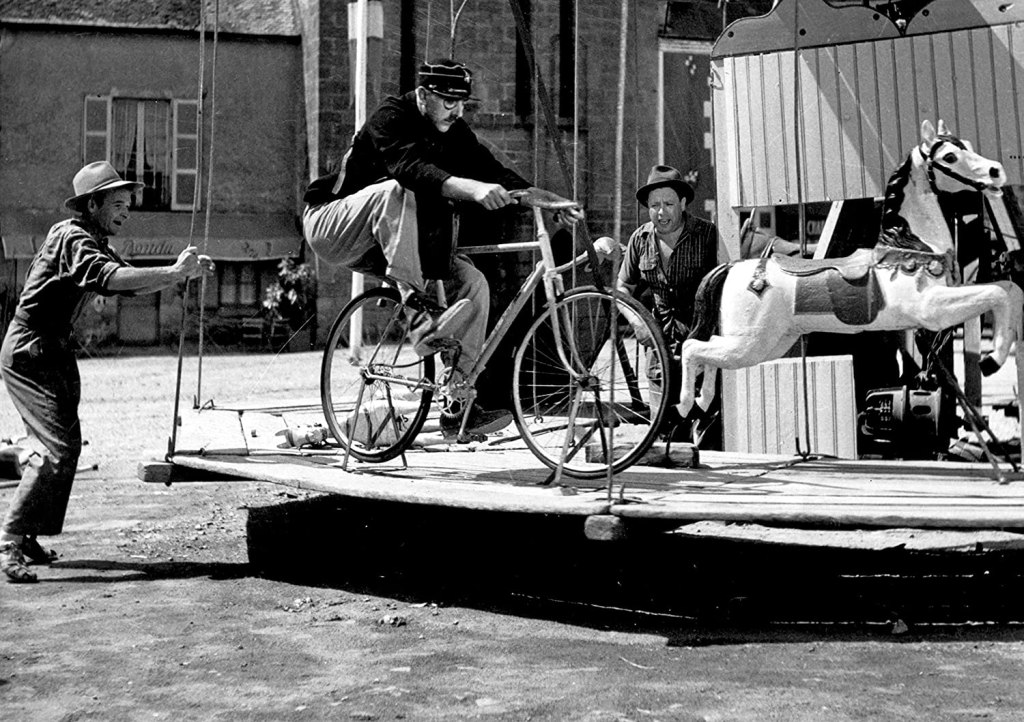
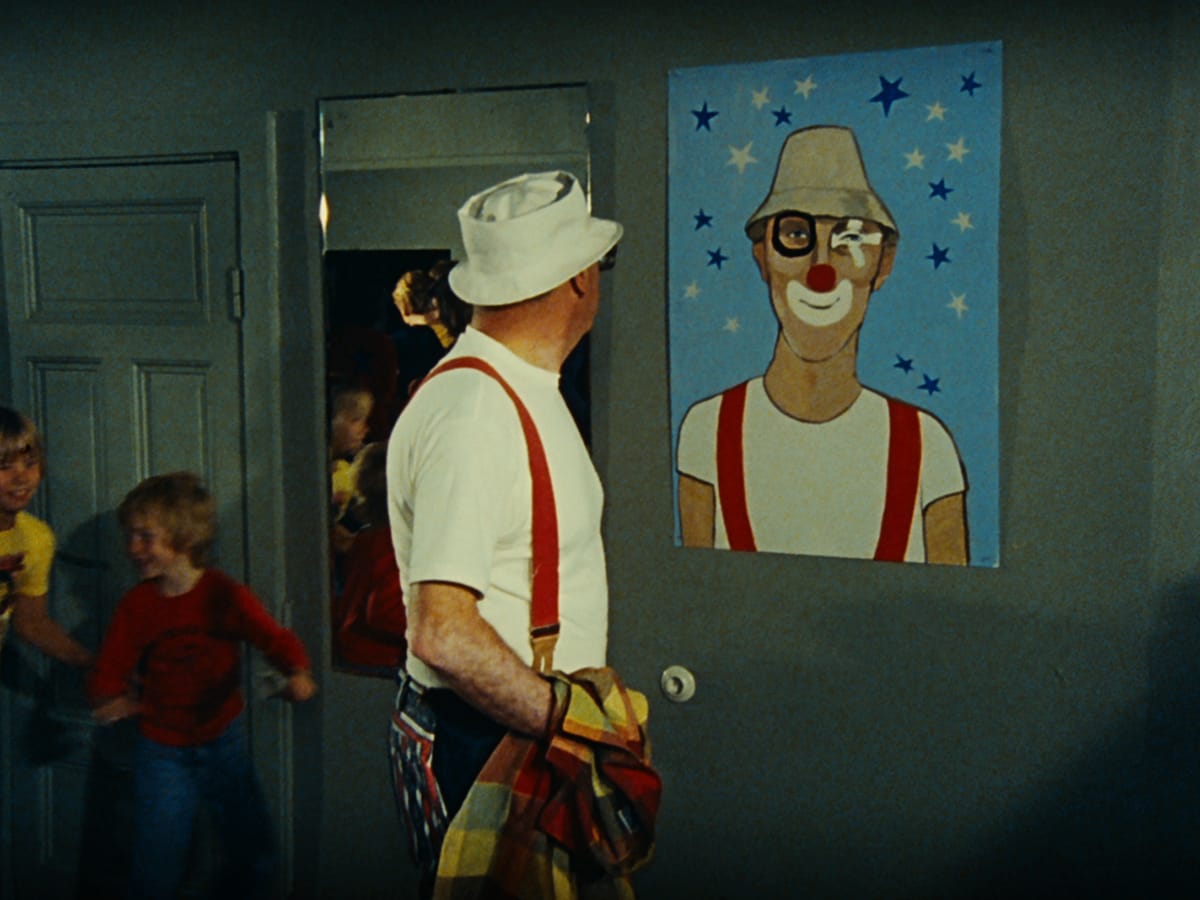
5. School for Postmen (1946)
Genre: Slapstick
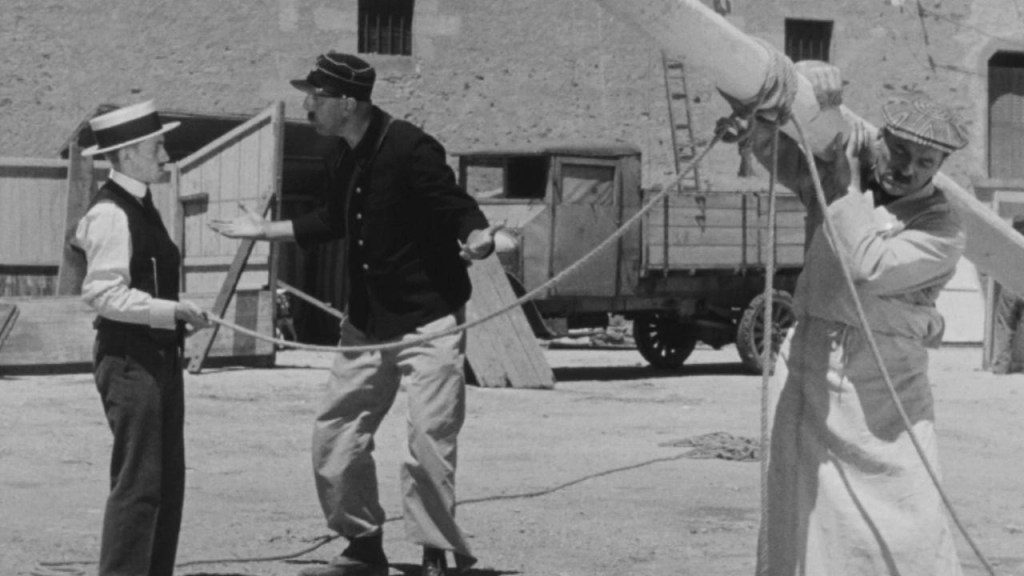
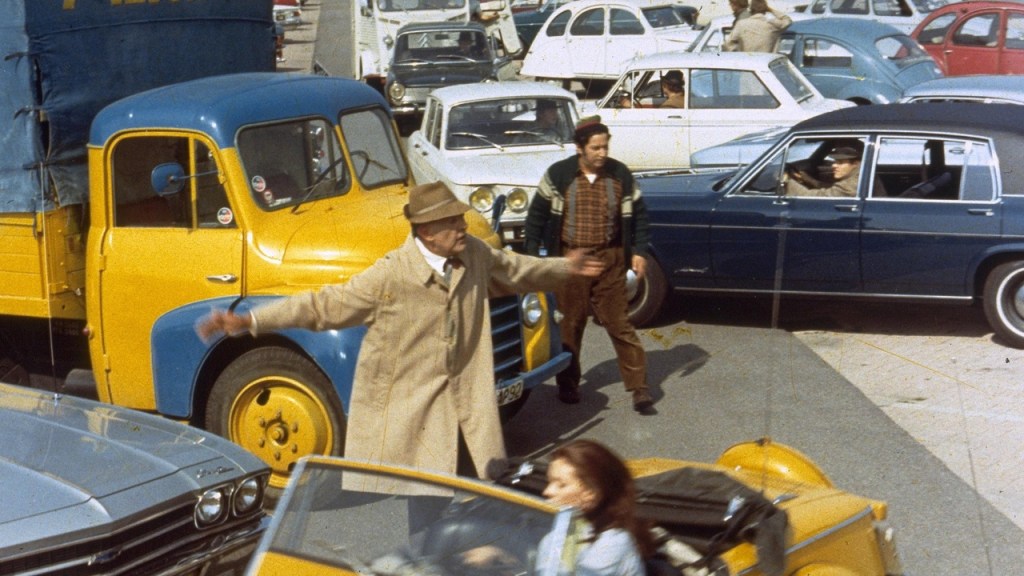
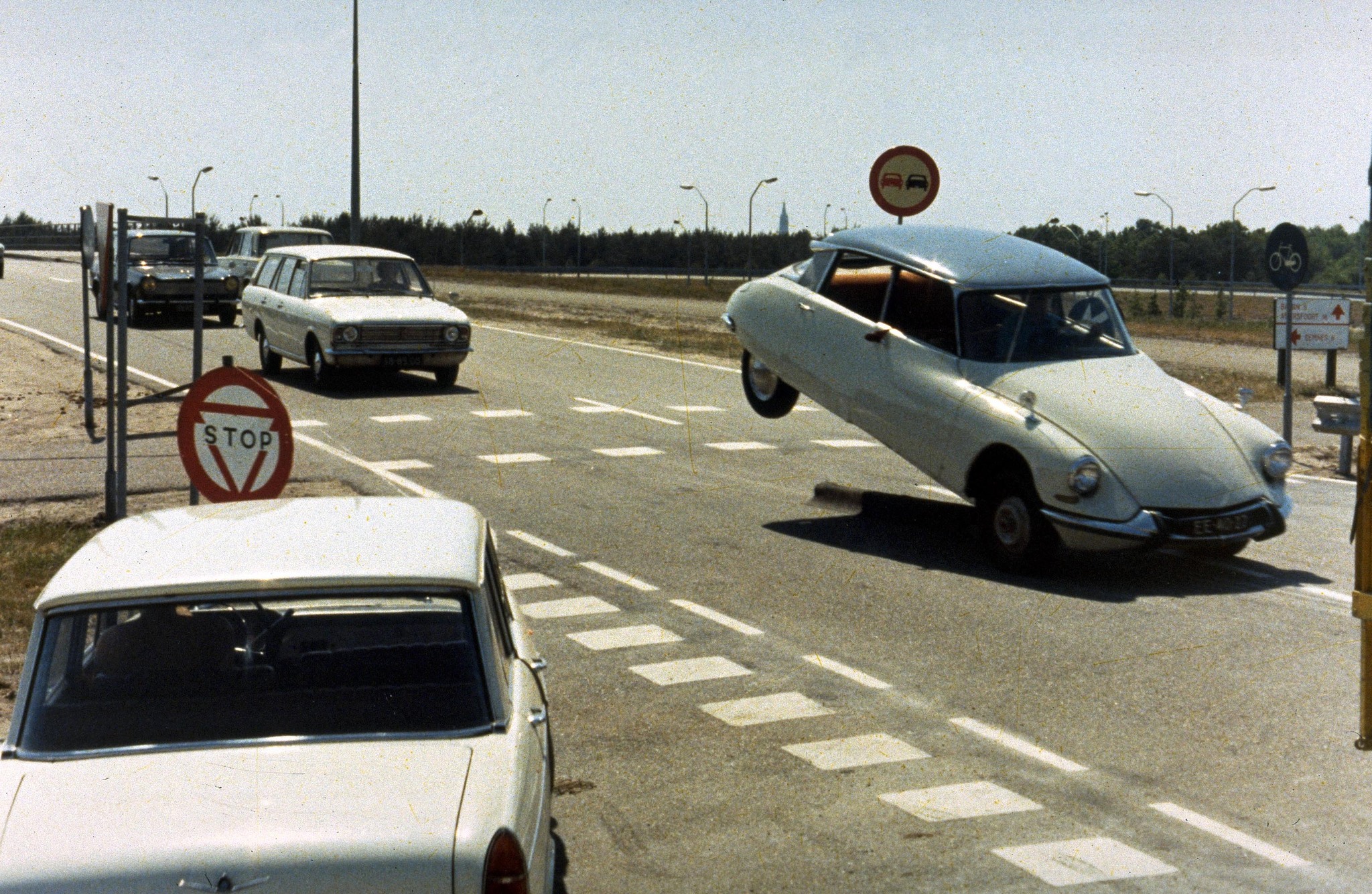
6. Trafic (1971)
Genre: Comedy, Road Movie, Satire
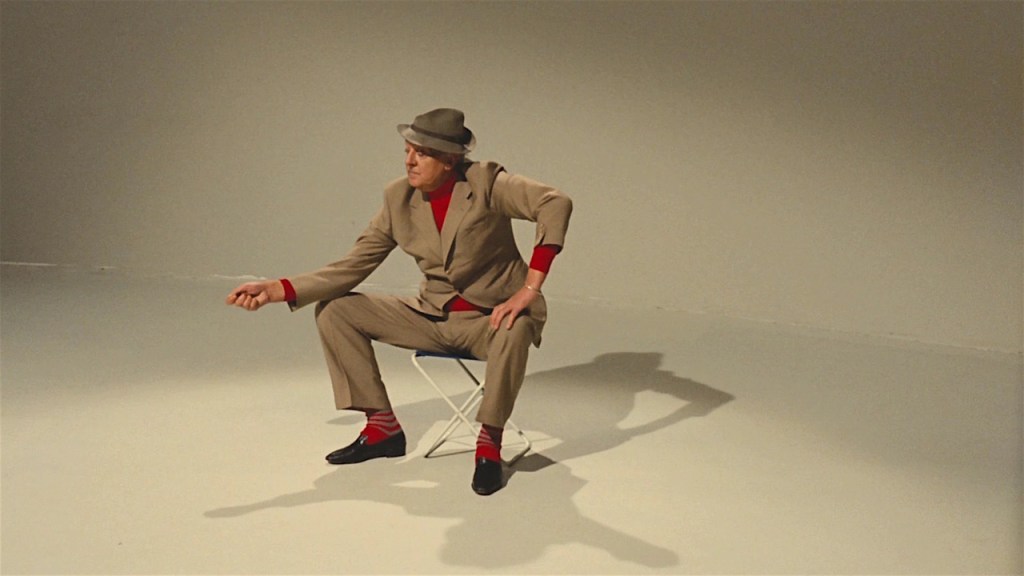
7. Parade (1974)
Genre: Live Performance, Comedy
Jacques Tati: Themes and Style
Themes:
- Modernisation and Technology: Tati often expressed scepticism of modern society’s increasing reliance on technology. Films like Playtime and Mon Oncle depict the sometimes comical inconveniences and dehumanisation brought about by modernity.
- Social Observation: Tati was keenly interested in the quirks and nuances of social behaviour. His films often portray and satirise social customs, particularly the pretensions of the middle class.
- Contrast of Old vs. New: Whether it’s the traditional Hulot contrasted with his modern surroundings in Mon Oncle or the juxtaposition of old and new Paris in Playtime, Tati’s work often underscores the clash between tradition and progress.
- Human Connection: Despite the comedic nature of his films, there’s an underlying exploration of the human need for connection amidst the isolating structures of modernity.
Styles:
- Visual Comedy: Tati’s comedy is largely visual, relying less on dialogue and more on sight gags, physical humour, and intricate set pieces.
- Minimal Dialogue: His films are known for their sparse use of dialogue. Instead, Tati creates humour through meticulously choreographed visual sequences.
- Long Shots: Instead of close-ups or traditional shot-reverse-shot sequences, Tati often employs long, wide shots that allow the audience to observe multiple comedic events occurring simultaneously.
- Soundscapes: Tati was innovative in his use of sound. He often utilised exaggerated or unexpected sound effects to punctuate comedic moments, creating a unique and immersive auditory experience.
- Recurring Characters: Monsieur Hulot, Tati’s on-screen alter ego, recurs in many of his films, acting as a bemused and often befuddled observer of modern society.
Directorial Signature:
- Architectural Use of Space: Tati’s sets are often expansive and intricate, with multiple events happening simultaneously. Buildings, especially modern ones, become characters in their own right.
- Meticulous Detail: Each frame in a Tati film is carefully constructed, with multiple layers of action and humour. The audience can often discover new details and jokes upon repeat viewings.
- Ambience Over Plot: Tati prioritises creating a specific mood or atmosphere over traditional narrative structures. His plots are often simple, acting as frameworks for his comedic observations.
- Physical Comedy: Tati, particularly as Hulot, employs a type of physical comedy reminiscent of silent film stars like Charlie Chaplin and Buster Keaton, adapting it to fit his commentary on modern life.
Jacques Tati: The 108th Greatest Director

 Bronze Screen Dream