
Jacques Demy, a celebrated French director, is renowned for his distinctive blending of the musical genre with conventional narrative storytelling. His profound exploration of romantic themes and emotional depth and his innovative approach to the musical form made him a unique voice in cinema. Best known for films such as The Umbrellas of Cherbourg and The Young Girls of Rochefort, Demy crafted poignant narratives filled with longing and love, underscored by vibrant aesthetics and memorable scores.
Originating from a seaside town in France and having a lifelong love for musicals, Demy brought a deeply personal touch to his cinematic universe. He often set his films in the seaside towns of his childhood, with recurring characters and locations creating a sense of continuity across his body of work. This approach introduced a quasi-mythological dimension to his cinema, as each film contributed to a shared universe, a tactic notably evident in his Lola and The Umbrellas of Cherbourg.
While Demy’s films are celebrated for incorporating elements from fairy tales and mythology, they are equally grounded in gritty realism. This unique intersection of fantasy and reality lends his narratives a rare balance that sets his work apart. Through films like The Umbrellas of Cherbourg, where all dialogue is sung, Demy deftly wove together the charm of a musical fantasy with the harsh realities of life and love, creating an enchanting yet poignant cinematic experience.
Perhaps The Only Great Non-American Musical Director
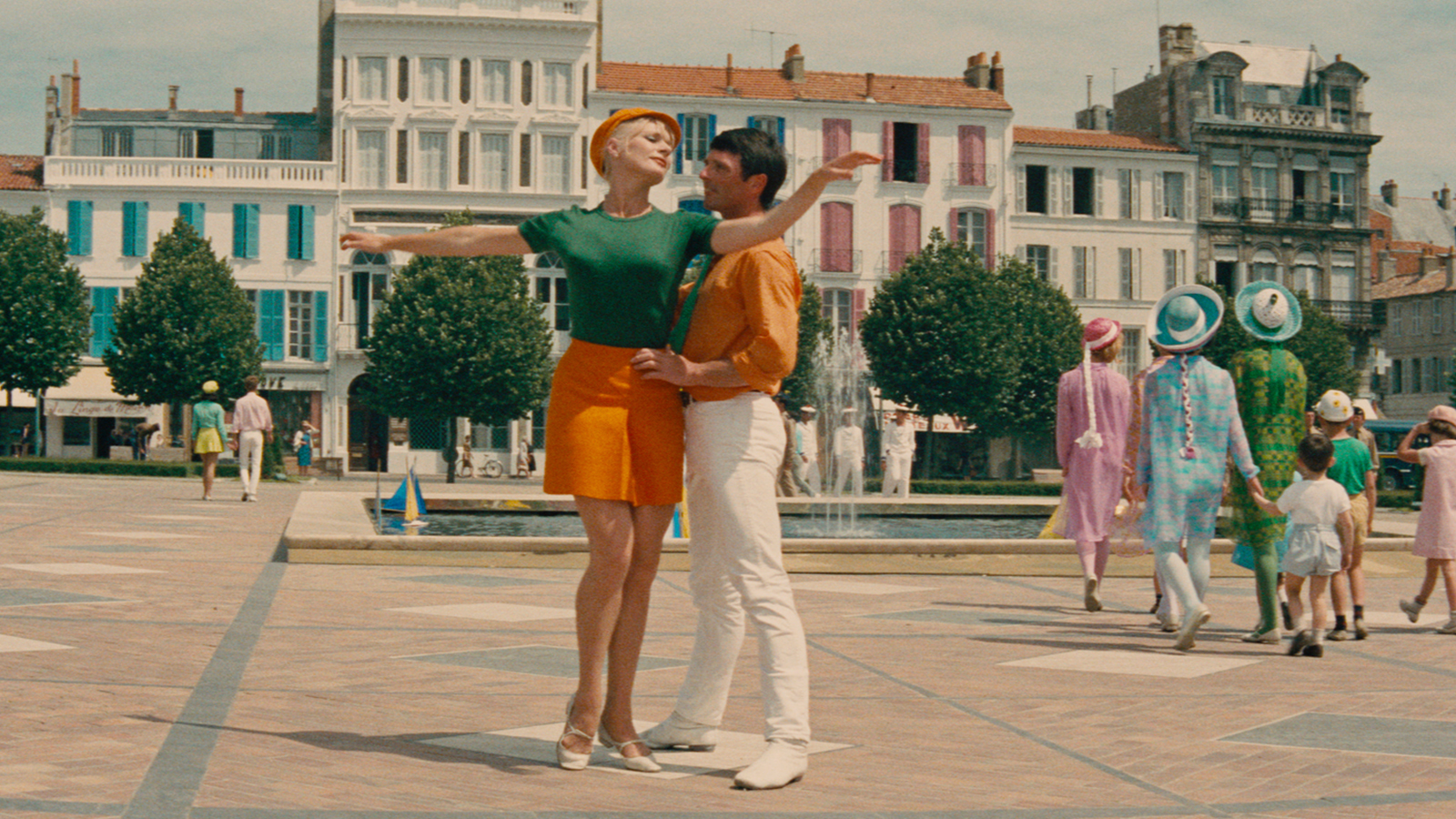
Stylistically, Demy’s films are instantly recognisable for their vibrant colour schemes and intricate production design. This eye-catching approach to visual storytelling contributed significantly to the enchanting quality of his work. Furthermore, his long-time collaboration with composer Michel Legrand resulted in some of the most memorable film scores in French cinema, their combined talents adding to the unique allure of his filmography.
Despite a career tragically cut short, Jacques Demy’s influence on global cinema is substantial. His innovative blend of the musical genre with traditional narrative storytelling, his recurring universe, and his delicate balance of realism and fantasy have inspired many filmmakers, from his wife Agnès Varda to modern directors like Damien Chazelle. Demy’s enduring impact on film and popular culture testifies to his exceptional creativity and vision, solidifying his legacy as one of the most distinctive voices in French cinema.

Jacques Demy (1931 – 1990)
Calculated Films:
- Lola (1961)
- The Umbrellas of Cherbourg (1964)
- The Young Girls of Rochefort (1967)
- Donkey Skin (1970)
Similar Filmmakers
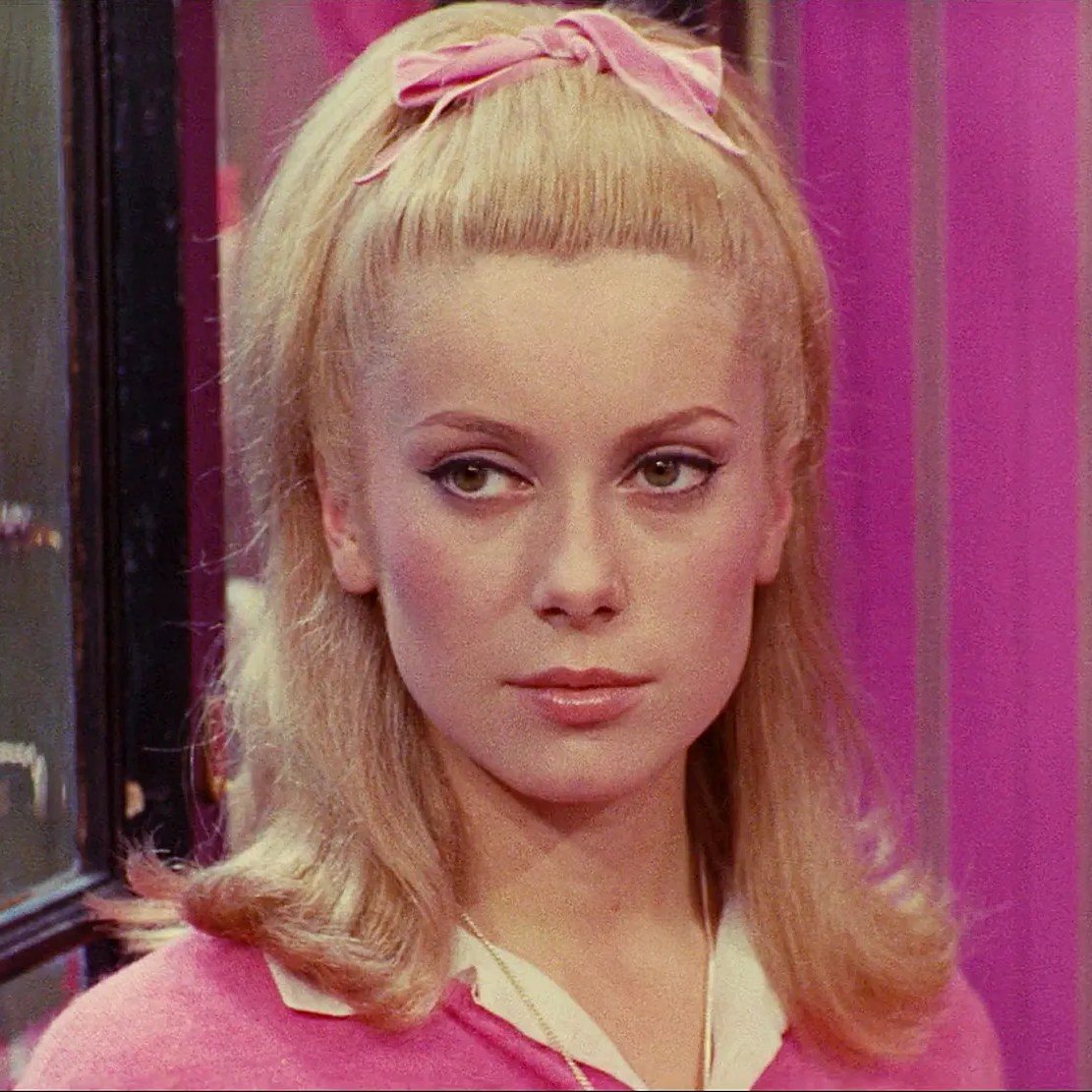
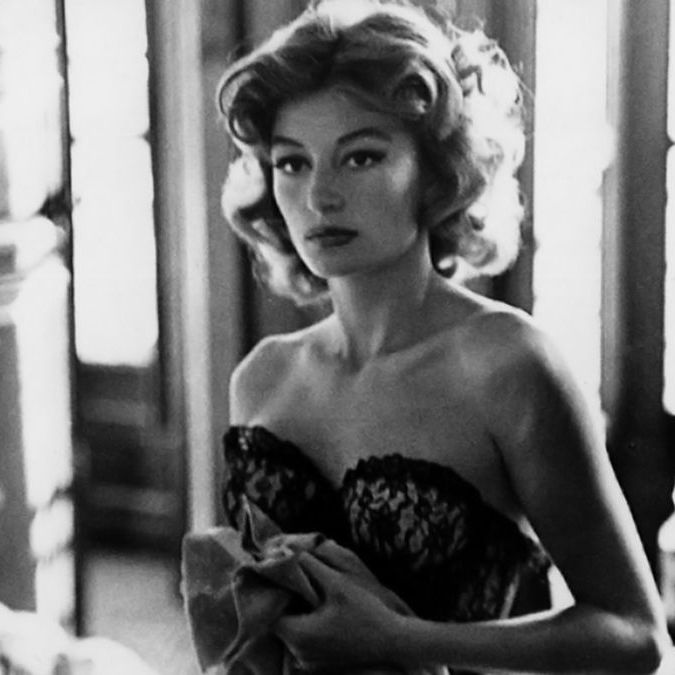
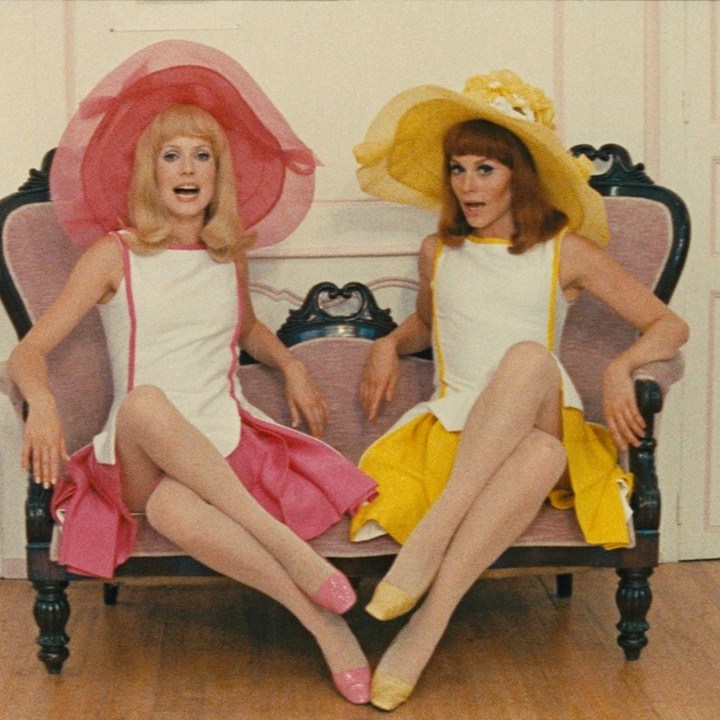
Jacques Demy’s Top 10 Films Ranked
1. The Umbrellas of Cherbourg (1964)
Genre: Musical, Romance, Melodrama

2. The Young Girls of Rochefort (1967)
Genre: Musical, Romance, Comedy
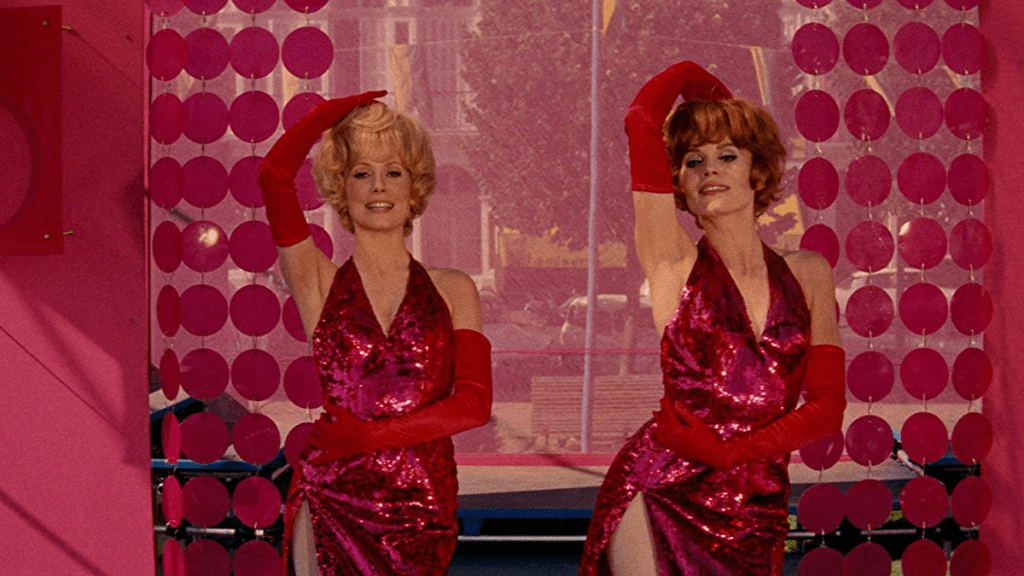
3. Lola (1961)
Genre: Drama, Romance

4. Bay of Angels (1963)
Genre: Romance, Drama

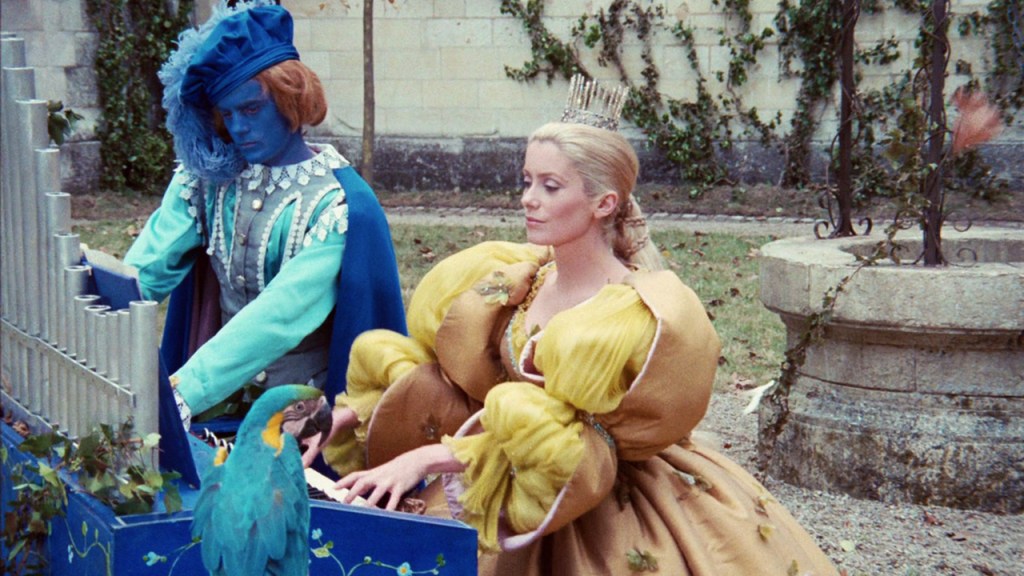
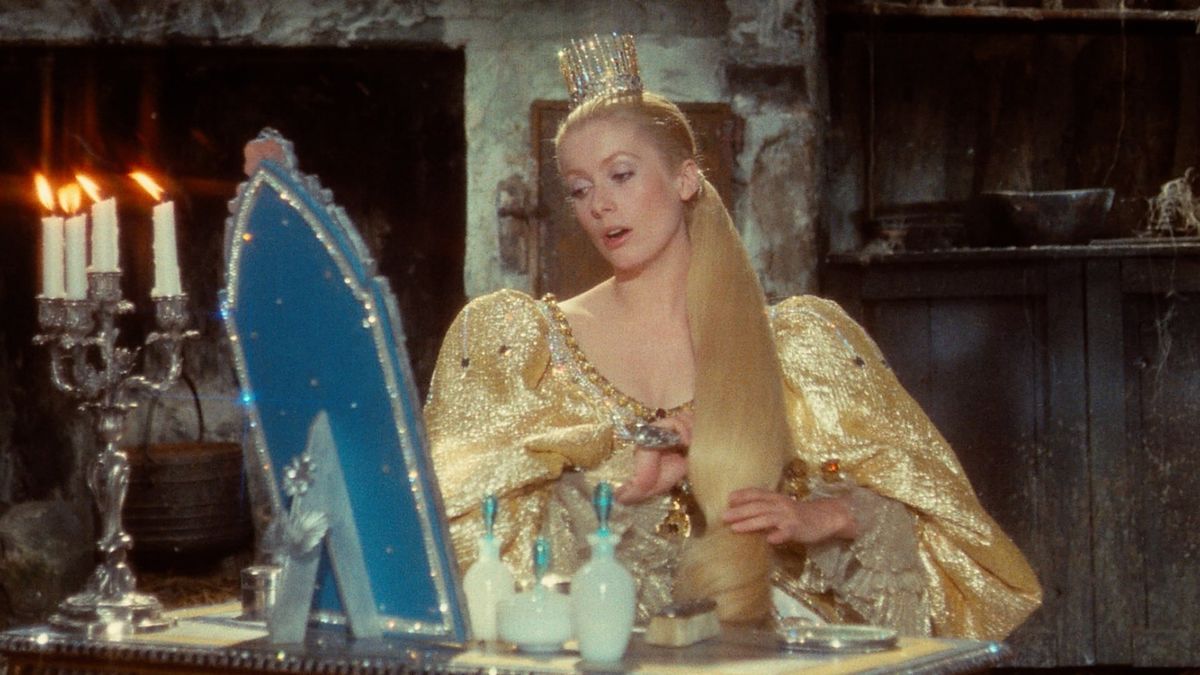
5. Donkey Skin (1970)
Genre: Fairy Tale, Musical, Medieval
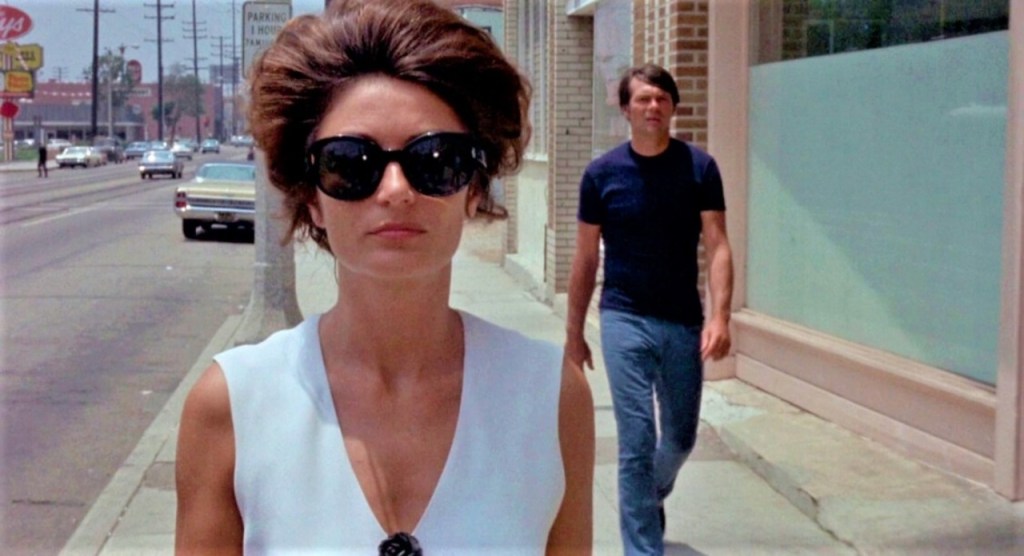
6. Model Shop (1969)
Genre: Drama, Slice of Life
7. Une Chambre en Ville (1982)
Genre: Musical, Romance, Melodrama, Tragedy

8. Le Sabotier du Val de Loire (1956)
Genre: Documentary
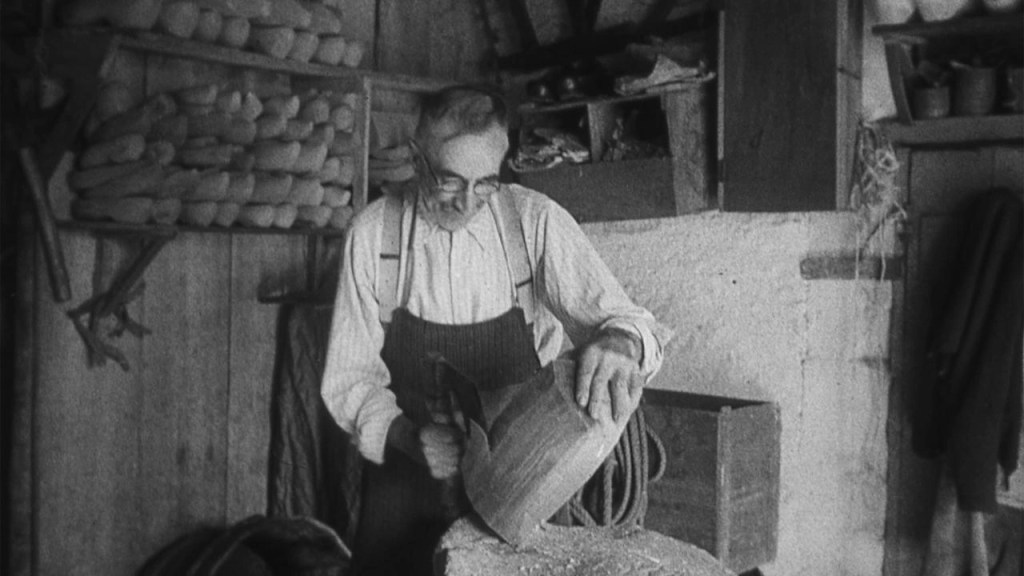
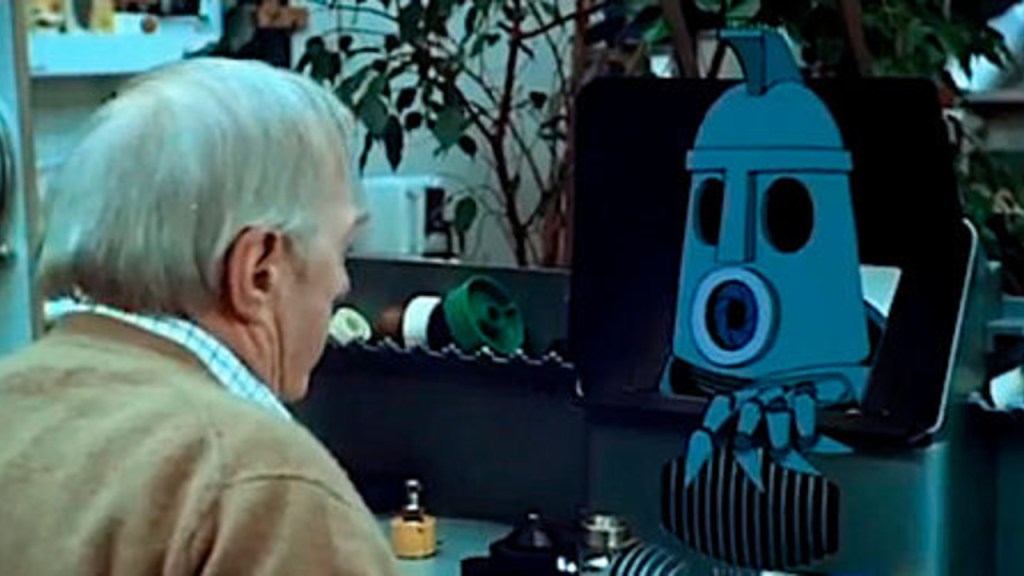
9. Turning Tables (1988)
Genre: Documentary, Animation, Anthology Film
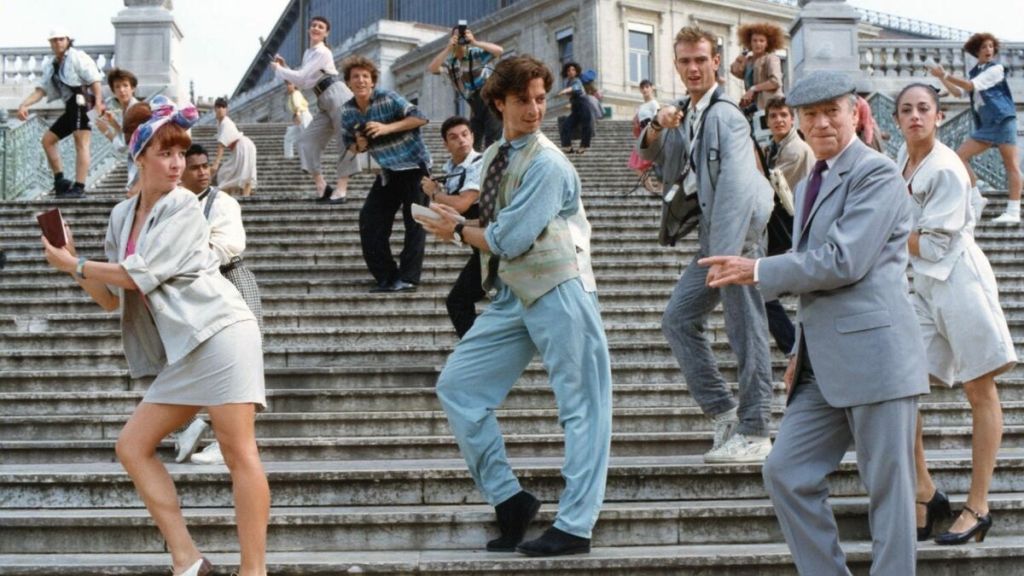
10. Three Seats for the 26th (1988)
Genre: Musical, Romance
Jacques Demy: Themes and Style
Themes:
- Romantic Fatalism: Many of Demy’s films revolve around the nature of love, fate, and the sometimes tragic intersections of the two. Characters often experience fleeting moments of happiness, with love that’s both enchanting and elusive.
- Fairy Tales and Mythology: Demy was influenced by classic tales and myths, imbuing his films with a dreamlike, almost fantastical quality. Donkey Skin is a prime example, directly adapting a fairy tale into a musical narrative.
- Dreams vs. Reality: Demy frequently blurred the lines between the fantastical world of dreams and the harshness of reality. His characters often find themselves torn between the two.
- Chance Encounters: Many of Demy’s stories involve random meetings that lead to profound impacts on characters’ lives, emphasising the role of fate and chance in human affairs.
Styles:
- Musicals and Song: Demy had an affinity for the musical genre. Films like The Umbrellas of Cherbourg and The Young Girls of Rochefort integrate song and dance seamlessly into the narrative.
- Vibrant Colour Palettes: His films are renowned for their rich and colourful visuals. Demy’s collaboration with composer Michel Legrand and cinematographer Jean Rabier resulted in movies that are as visually stunning as they are audibly captivating.
- Interconnected Universe: Demy’s films often inhabit a shared universe, with characters from one film making appearances or being referenced in another, creating a tapestry of interwoven narratives.
- Melodrama: Demy’s storytelling is deeply rooted in the melodramatic tradition, using it to amplify emotional intensities and highlight the intricacies of human relationships.
Directorial Signature:
- Narrative Innovation: Demy wasn’t afraid to break traditional narrative structures. The Umbrellas of Cherbourg, for instance, is entirely sung, turning an everyday love story into an operatic experience.
- Authenticity of Setting: Whether it was the dockyards of Nantes in Lola or the streets of Rochefort, Demy’s films have an authentic sense of place. He often chose locations from his own life, imbuing the movie with personal memories.
- Recurring Collaborators: Demy frequently collaborated with certain actors (Catherine Deneuve, Françoise Dorléac) and professionals (Michel Legrand for music), resulting in a consistent, familiar aura across his films.
- Mixture of Joy and Melancholy: One of the standout features of a Demy film is the juxtaposition of joy and sadness. His movies can be exuberantly happy in one scene and profoundly melancholic in the next, often mirroring the unpredictable nature of real life.
Jacques Demy: The 112th Greatest Director
 Bronze Screen Dream