
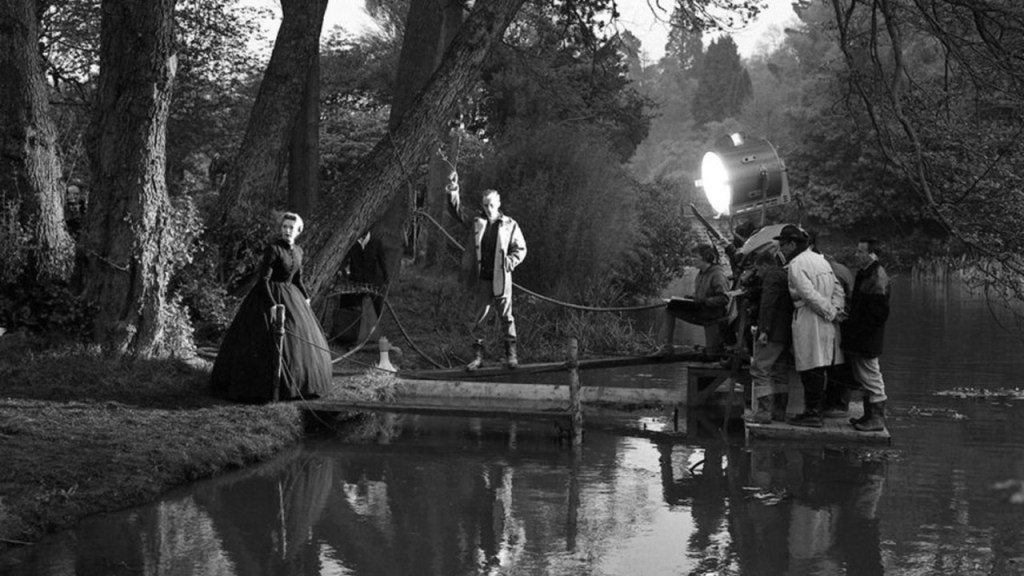
Jack Clayton was a British filmmaker best known for directing a range of cinematic classics that effectively bridged the line between realism and the more atmospheric, often chilling, elements of storytelling. His films were most renowned for their exploration of adult fears, childhood innocence, and the uncanny intersections between the two.
Clayton’s directorial career began with Room at the Top, which catapulted him into the limelight and established him as a director capable of navigating the intricate landscape of British social realism. This film not only earned him critical acclaim but also set the stage for his future endeavours in exploring human emotions and societal norms. The pinnacle of Clayton’s career came with the release of The Innocents, a film that is still celebrated for its innovative use of sound and visuals to create an eerie atmosphere, demonstrating Clayton’s mastery over the psychological horror genre. However, his journey was not without its challenges; Clayton faced periods of professional stagnation and projects that did not achieve what they could have.
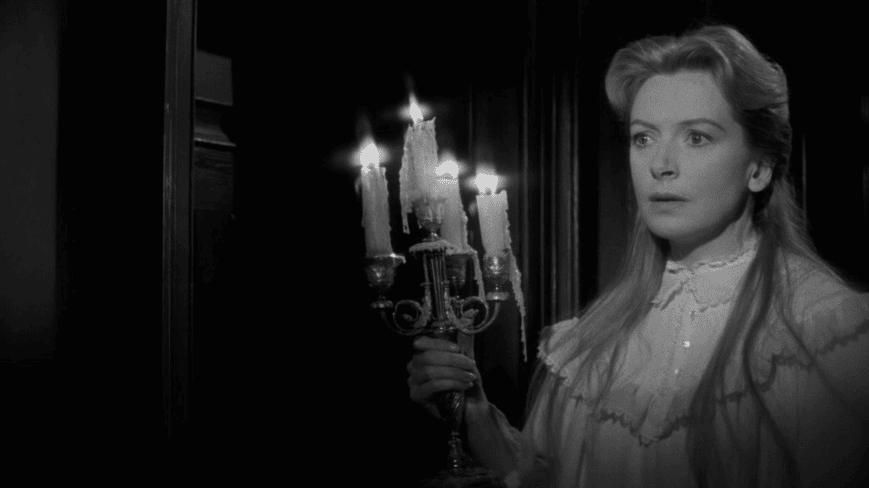
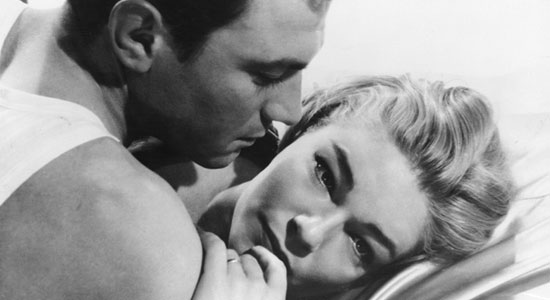
Many of Clayton’s films are marked by a nuanced sensitivity to the complexities of human relationships and the quiet horrors that lie just beneath the surface of everyday life. For instance, The Innocents, based on Henry James’ “The Turn of the Screw,” delves deep into the blurred boundaries between the supernatural and psychological as it unravels a tale of a governess who believes her charges are possessed. This juxtaposition of the innocent and the eerie can also be seen in Our Mother’s House, where children, after the death of their mother, try to maintain a semblance of normalcy even as their reality starts to unravel. Beyond the realm of childhood, Clayton’s Room at the Top is a stark exploration of ambition, class, and sexual politics in post-war Britain, offering a brutal commentary on societal norms and the lengths individuals go to climb the societal ladder.
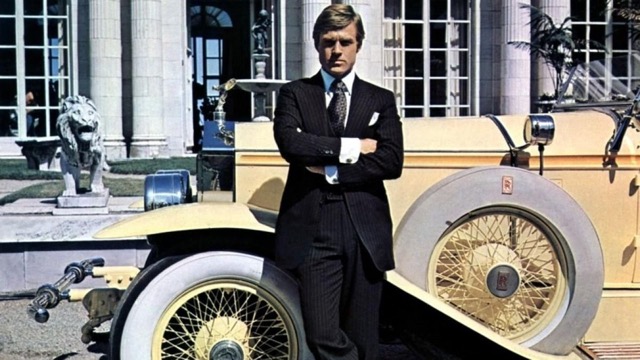
Clayton had an eye for details that amplified the emotional tension within his stories. His approach to filmmaking often combined atmospheric cinematography with meticulous production design to create a moody and hauntingly beautiful aesthetic. In The Great Gatsby, the visual opulence of the Roaring Twenties is juxtaposed with the underlying emptiness and disillusionment of its characters, reflecting the hollowness of the American Dream.

Jack Clayton (1921 – 1995)
Calculated Films:
- Room at the Top (1959)
- The Innocents (1961)
Similar Filmmakers
- Alfred Hitchcock
- Bryan Forbes
- Carol Reed
- Cyril Frankel
- David Lean
- Elia Kazan
- Franklin J. Schaffner
- Jack Cardiff
- Jack Lee
- John Huston
- Joseph Losey
- Joseph L. Mankiewicz
- Michael Powell
- Peter Brook
- Robert Wise
- Seth Holt
- Tony Richardson
- William Wyler
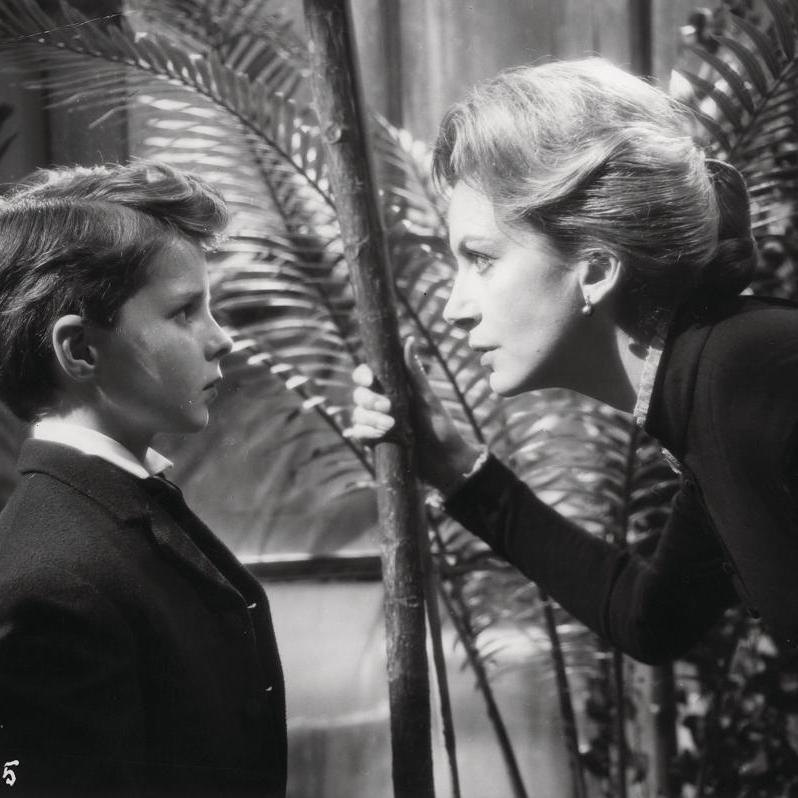

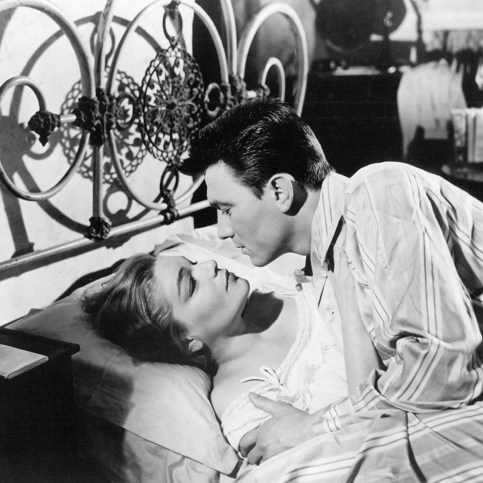
Jack Clayton‘s Top 5 Films Ranked
1. The Innocents (1961)
Genre: Haunted House, Gothic Horror, Psychological Horror

2. Room at the Top (1959)
Genre: Kitchen Sink Realism, Romance
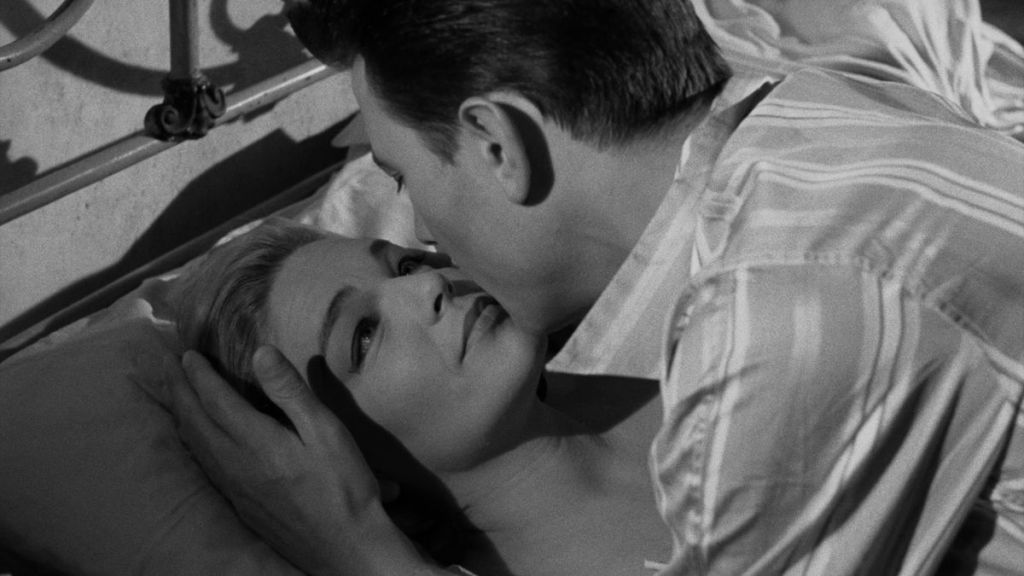
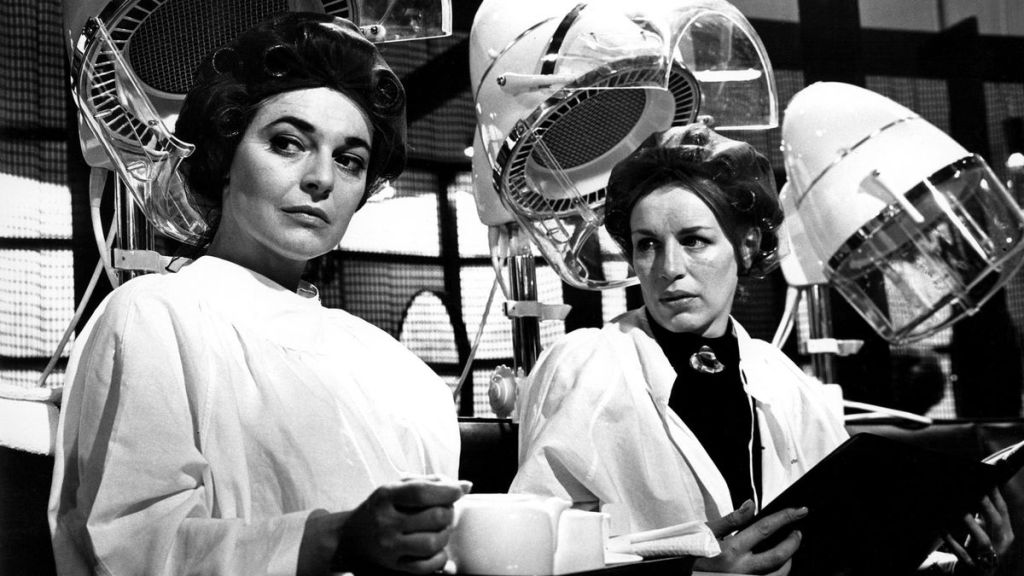
3. The Pumpkin Eaters (1964)
Genre: Drama, Psychological Drama
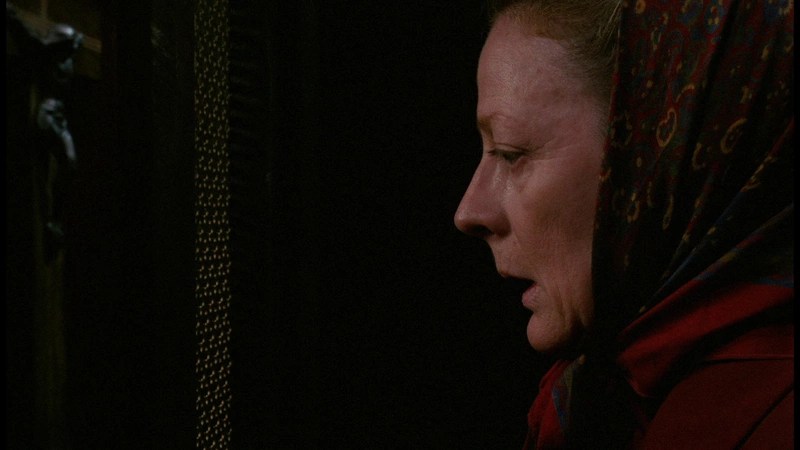
4. The Lonely Passion of Judith Hearne (1987)
Genre: Drama, Coming-of-Age, Family Drama
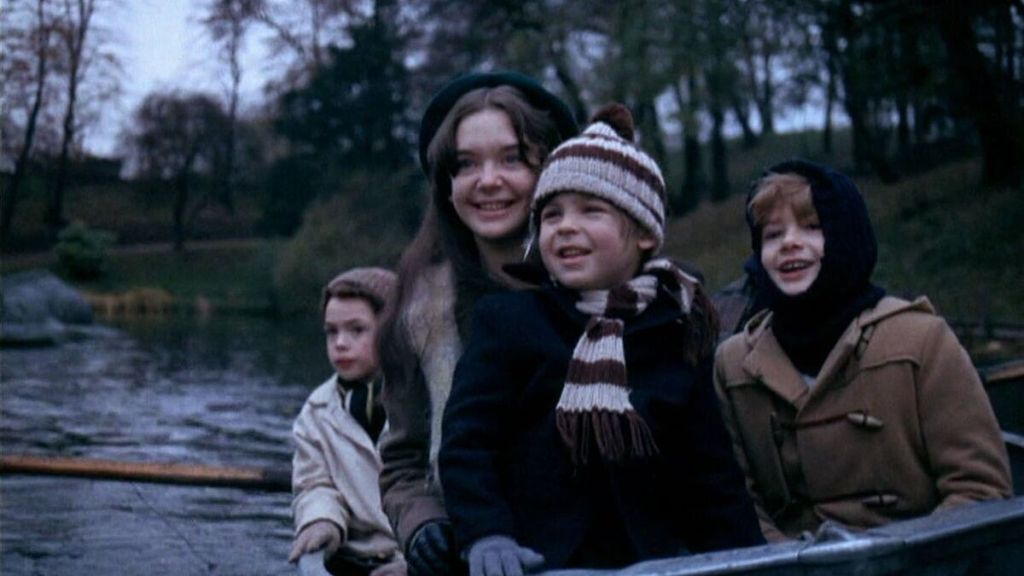
5. Our Mother’s House (1967)
Genre: Romance, Drama
Jack Clayton: Themes and Style
Themes:
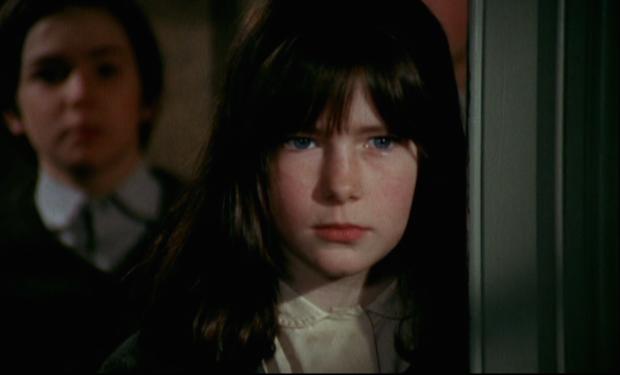
- Childhood and Innocence: Many of Clayton’s films revolve around the innocence of childhood and the transition to adulthood. Movies like The Innocents and Our Mother’s House delve deep into the psyche of children, exploring their fears, perceptions, and realities.
- Societal Constraints: Clayton’s characters often grapple with societal expectations and norms. In The Great Gatsby and Room at the Top, the protagonists confront the limitations set by society, including those tied to class and personal ambition.
- Supernatural and Psychological Horror: Some of his films, like The Innocents, blend supernatural elements with psychological horror, tapping into the primal fears of the audience. The uncertainty between reality and supernatural occurrences becomes a recurring motif.
- Moral Ambiguity: Clayton’s characters often exist in grey areas, neither entirely good nor entirely bad. This moral complexity creates tension and challenges viewers to confront their own biases and preconceptions.
Styles:
- Atmospheric Cinematography: Clayton’s films are known for their rich, atmospheric visuals. He uses lighting, shadow, and composition to establish mood and tone, drawing viewers into the narrative’s emotional landscape.
- Subtle Storytelling: Rather than relying on overt exposition, Clayton opts for subtlety. His narratives unfold slowly, often leaving room for viewer interpretation.
- Nuanced Characters: Clayton’s characters are multifaceted and undergo significant development. Their layered personalities and relatable struggles make them memorable.
- Intimate Camera Work: Many of his films employ close-ups and tight camera angles, allowing audiences to connect deeply with the characters and their emotions.
Directorial Signature:
- Adaptation Expertise: Clayton had a knack for adapting literary works into compelling cinema. Many of his most notable films are based on novels or plays, showcasing his ability to translate complex narratives and characters onto the screen.
- Master of Mood: One of the defining characteristics of a Jack Clayton film is its mood. Whether it’s the haunting atmosphere of The Innocents or the societal critique of Room at the Top, the mood is always palpable and serves as a character in its own right.
- Subversion of Genre: While many of his films can be categorised into specific genres, Clayton often subverts genre expectations. His horror films, for example, might eschew traditional jump scares in favour of a slow-burn psychological tension.
Jack Clayton – Great Director
 Bronze Screen Dream