
J.J. Abrams is an American filmmaker renowned for his work as a director, producer, and writer in the film and television industry. He is best known for his ability to rejuvenate existing franchises with a fresh and contemporary approach, evidenced in his involvement with major series such as Star Trek, Star Wars, and Mission: Impossible. Abrams’ work is characterised by its broad appeal, combining elements of science fiction, action, and drama, often with an underpinning of mystery and intrigue. His films are typically high-energy, visually striking, and feature complex, well-developed characters.
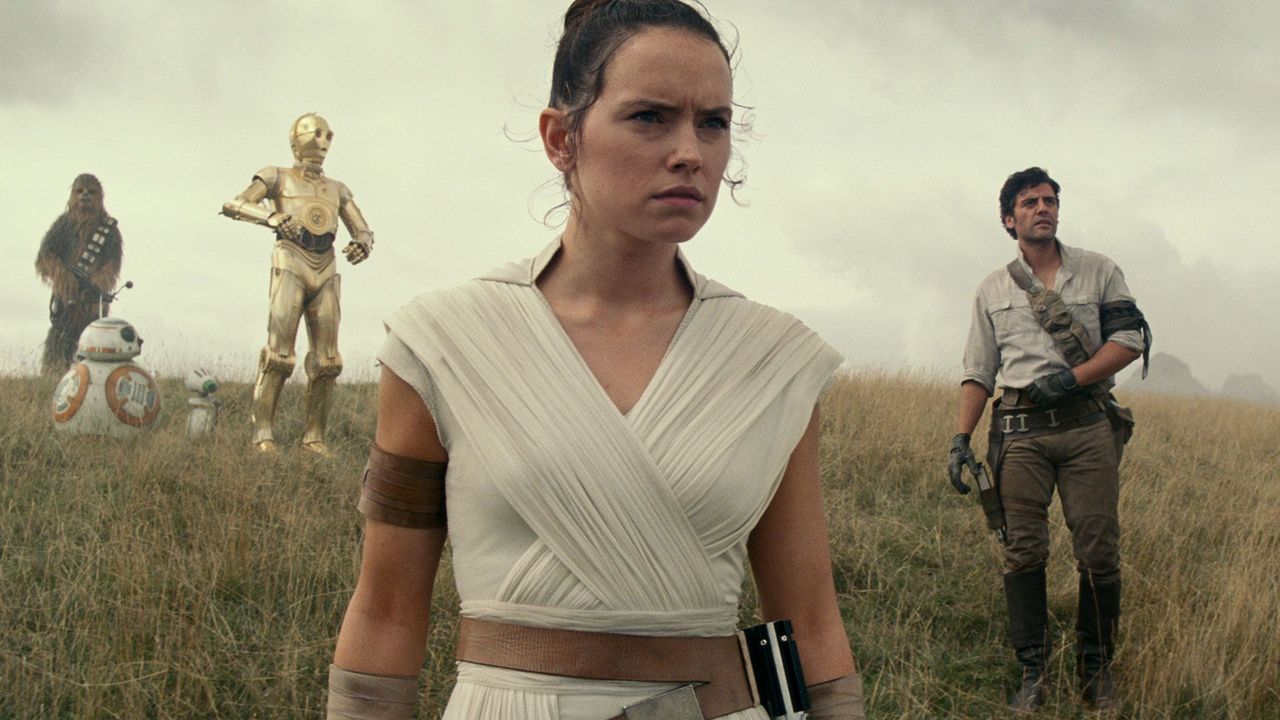
Abrams often explores themes of destiny, time, and the interplay between good and evil. His visual style is recognised for its use of lens flare and dynamic camera movements, creating a sense of energy and immediacy. In Star Trek, Abrams reimagined the iconic franchise for a new generation while maintaining the spirit of the original series, blending fast-paced action with a deep reverence for the source material. His approach to Star Wars: The Force Awakens and Star Wars: The Rise of Skywalker similarly combined nostalgia with innovation, breathing new life into the beloved series while respecting its legacy. Abrams’ work on Super 8 showcased his ability to blend science fiction with a human-centric story, paying homage to classic Spielberg films while maintaining his unique voice.
A key aspect of Abrams’ filmmaking is his ability to construct intricate narratives that keep audiences engaged and guessing. This is exemplified in his television work, such as Lost and Fringe, where he blends science fiction elements with complex, character-driven plots. Abrams also has a knack for assembling strong ensemble casts, often working with the same actors across different projects. His collaboration with composers like Michael Giacchino brings a distinctive auditory signature to his films.

J. J. Abrams (1966 – -)
Calculated Films:
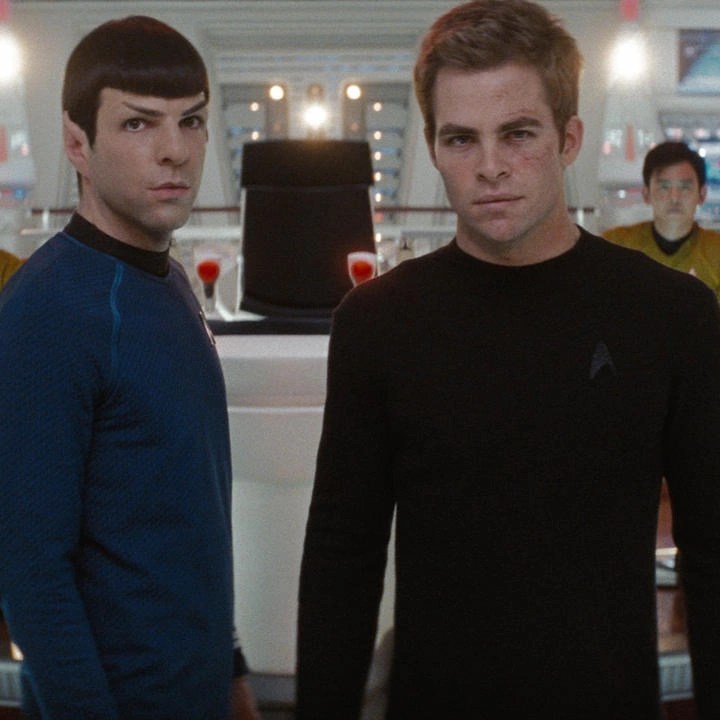
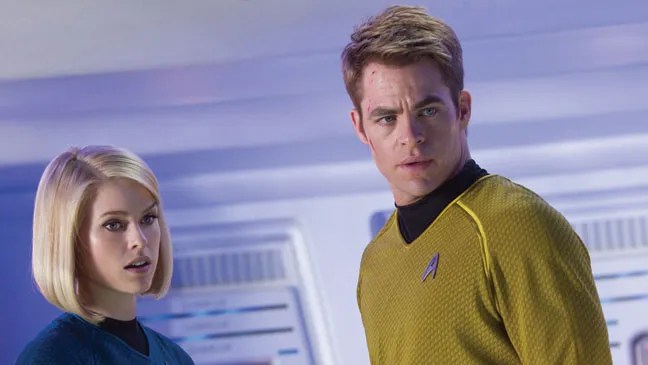
- Star Trek (2009)
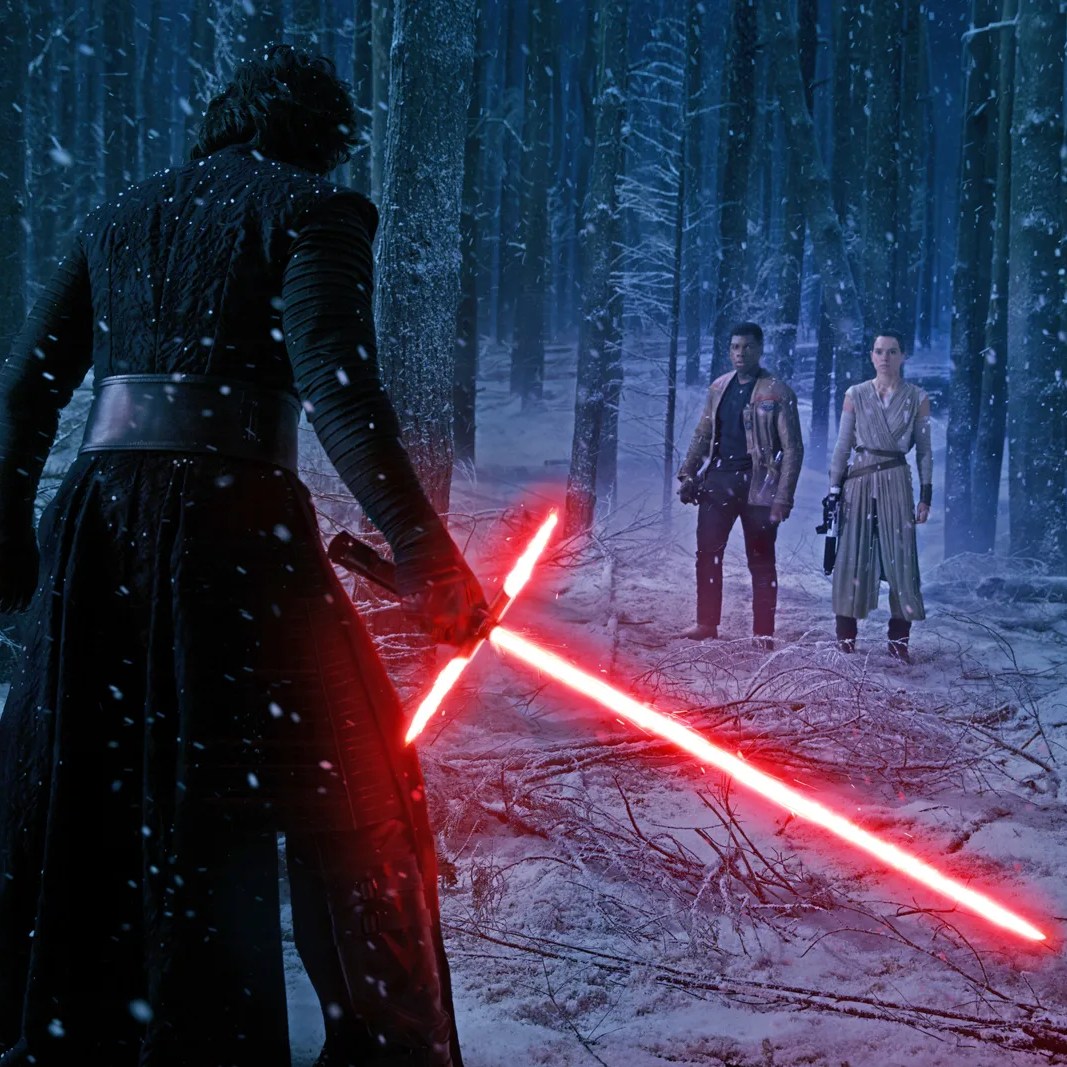
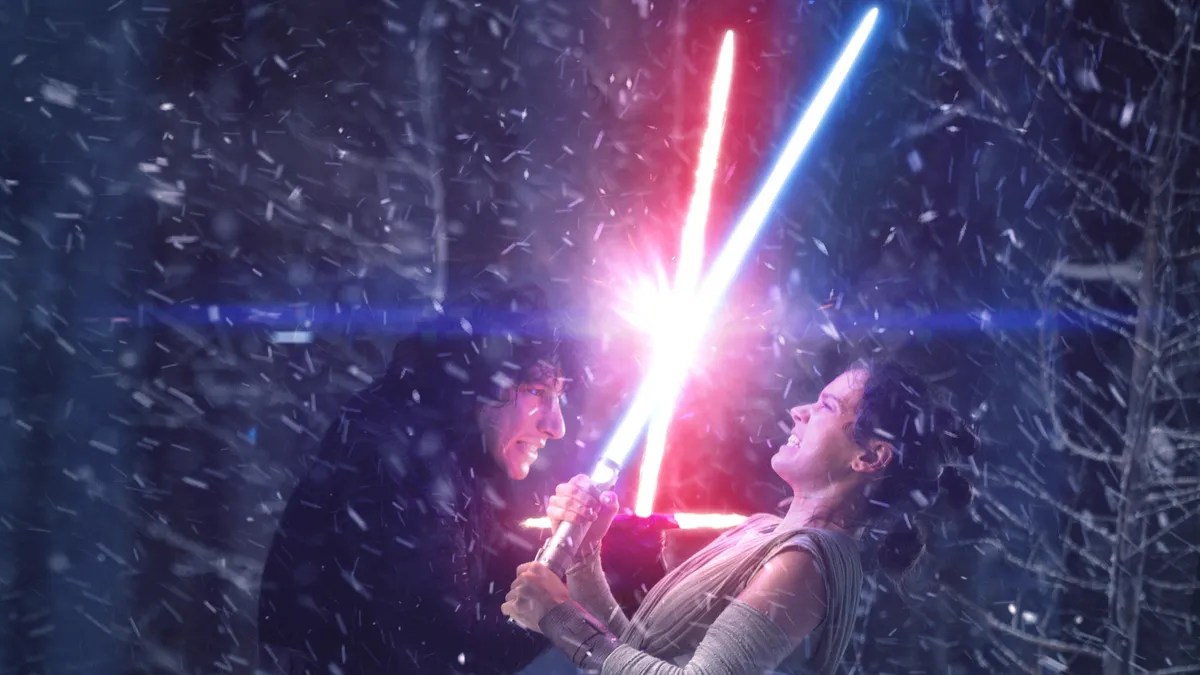
- Star Wars: Episode VII – The Force Awakens(2015)
Similar Filmmakers
- Brad Bird
- Bryan Singer
- Dan Trachtenberg
- Duncan Jones
- Gareth Edwards
- George Lucas
- James Cameron
- Josh Trank
- Joss Whedon
- Joseph Kosinski
- Matt Reeves
- Michael Bay
J.J. Abrams’ Top 5 Films Ranked
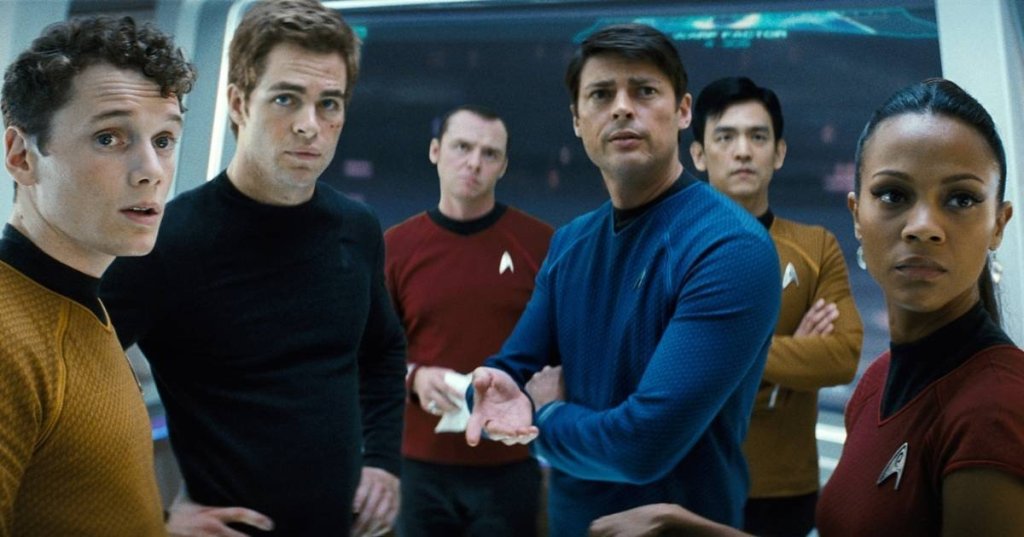
1. Star Trek (2009)
Genre: Action, Space Opera, Sci-Fi
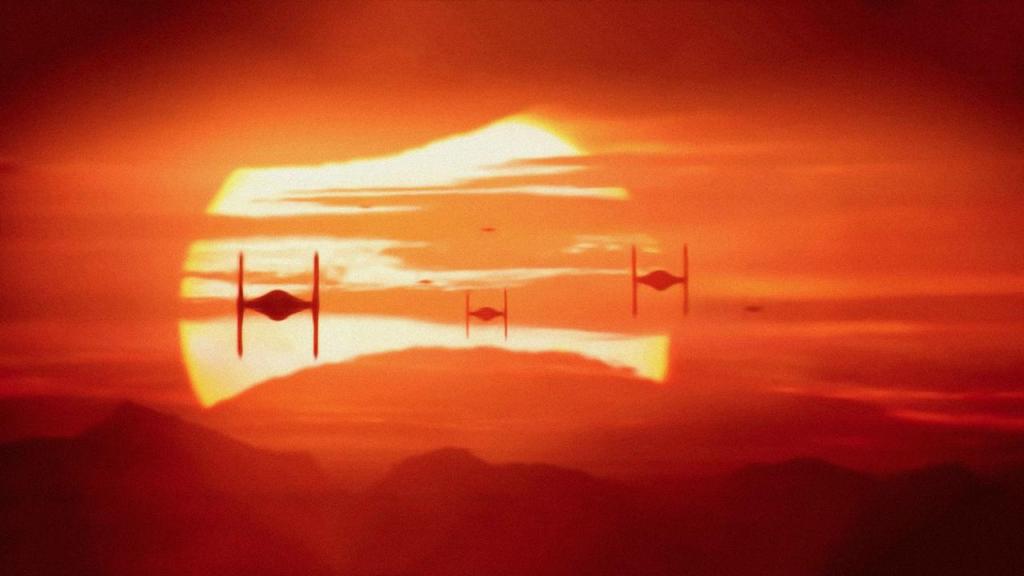
2. The Force Awakens (2015)
Genre: Space Opera, Action, Epic
3. Star Trek Into Darkness (2013)
Genre: Action, Space Opera

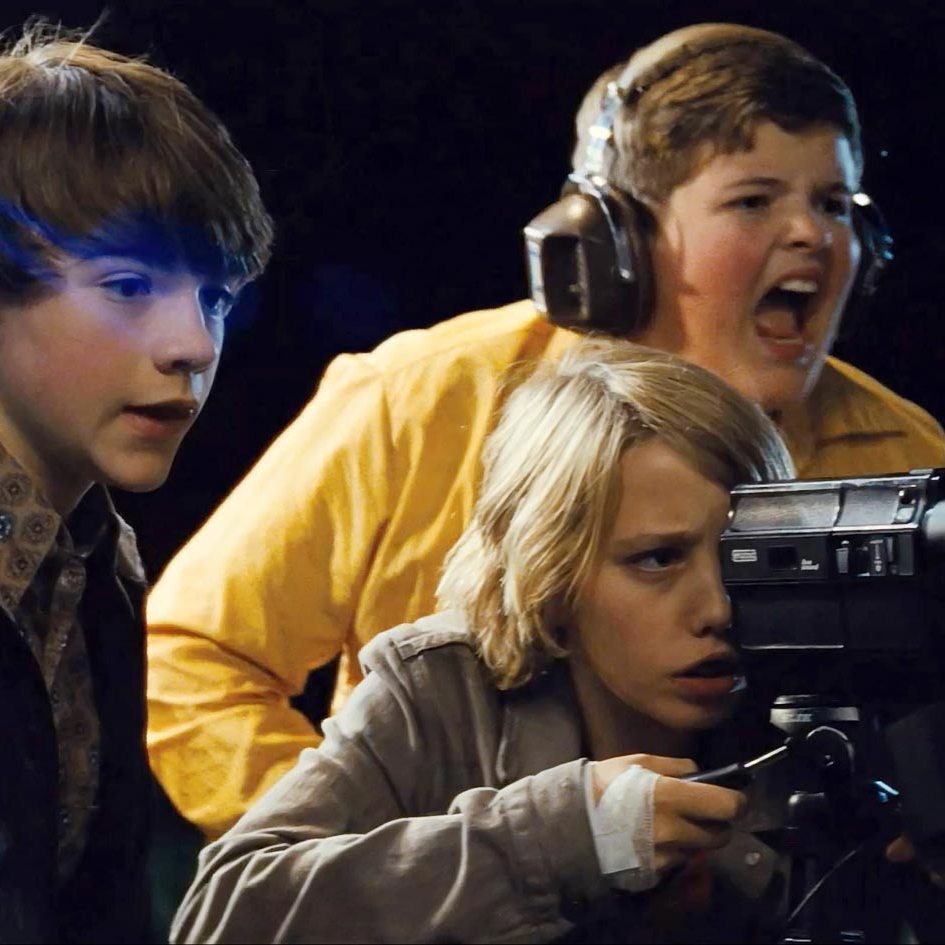
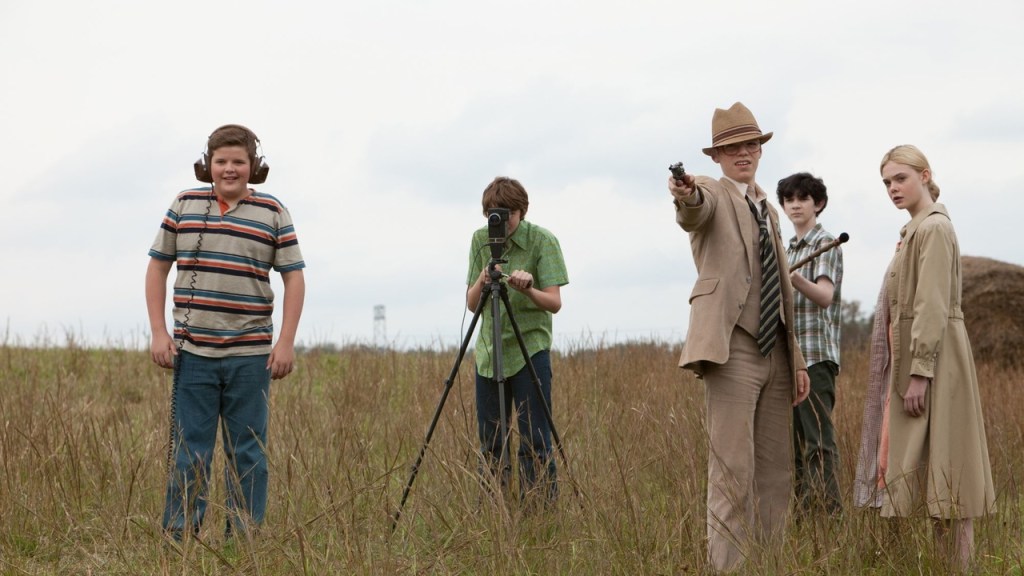
4. Super 8 (2011)
Genre: Sci-Fi, Giant Monster, Mystery, Extraterrestrial
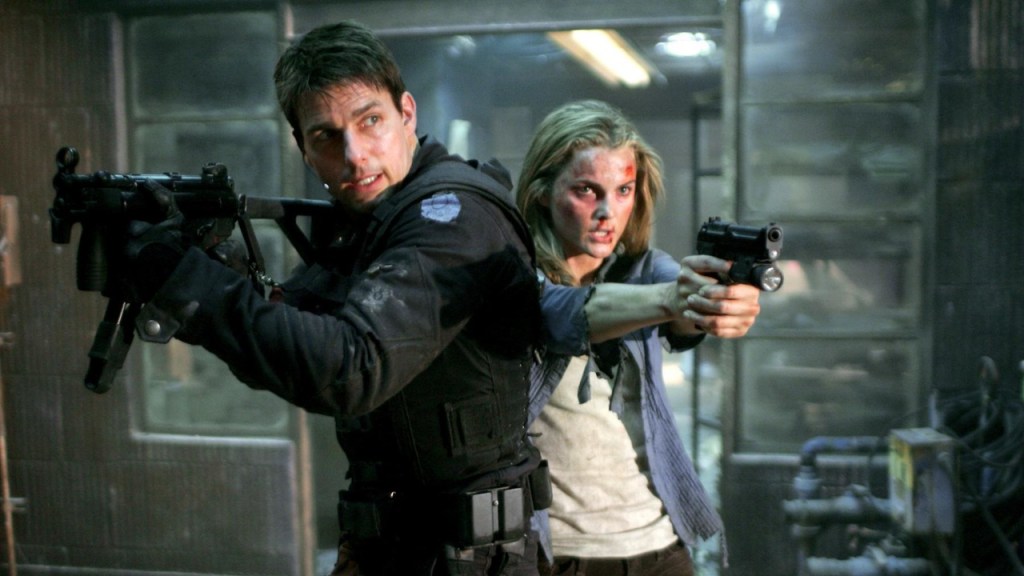
5. Mission: Impossible III (2006)
Genre: Spy, Action, Thriller
J.J. Abrams: Themes and Style
Themes:
- Mystery Box Concept: J.J. Abrams is renowned for his “Mystery Box” approach, where he creates a sense of intrigue and suspense by withholding key elements of the plot. This technique keeps the audience guessing and engaged, as seen in films like Star Trek and Super 8.
- Human Connections in Extraordinary Circumstances: Abrams often explores deep human relationships and emotional dynamics against the backdrop of extraordinary events. In Lost and Cloverfield, the focus is as much on the characters’ interpersonal dramas as it is on the fantastical elements.
- Interplay of Light and Darkness: A recurring theme in Abrams’ work is the struggle between good and evil, or light and darkness. This is particularly evident in Star Wars: The Force Awakens, where the balance between the dark and light sides of the Force is a central element.
- Redemption and Self-Discovery: Many of Abrams’ characters undergo journeys of redemption and self-discovery. In Mission: Impossible III, the protagonist’s journey is not just about saving the world but also about personal growth and overcoming internal conflicts.
Styles:
- Dynamic Visual Flair: Abrams’ films are known for their vibrant cinematography and visual flair. His use of rapid camera movements, innovative angles, and intense close-ups creates a distinctive and immersive cinematic experience, as seen in Star Trek Into Darkness.
- Lens Flares: One of Abrams’ most recognisable visual styles is his frequent use of lens flares. This technique adds a futuristic, other-worldly quality to his films, notably in the Star Trek series.
- Seamless Integration of CGI: Abrams skillfully integrates CGI with live-action, creating a seamless blend that enhances the storytelling. His work in Star Wars: The Rise of Skywalker showcases his ability to combine digital effects with real-world elements to create believable and compelling worlds.
- Emphasis on Practical Effects: Despite his adept use of CGI, Abrams often prefers practical effects and real sets to digital alternatives. This approach is evident in Star Wars: The Force Awakens, where he used practical effects to ground the fantastical elements in a more tangible reality.
Directorial Signature:
- Collaborative Soundtracks: Abrams frequently collaborates with composer Michael Giacchino, whose distinctive soundtracks contribute significantly to the mood and tone of Abrams’ films. The scores in Star Trek and Super 8 are notable examples of this partnership.
- Nostalgia with a Modern Twist: Abrams has a knack for reviving classic franchises with a modern twist, maintaining the original spirit while infusing contemporary elements. This is evident in his rejuvenation of the Star Trek and Star Wars franchises.
- Ensemble Casts: Abrams often works with ensemble casts, developing multiple character arcs and interwoven stories. This approach is clearly seen in Lost, where a diverse group of characters is as important as the overarching plot.
- Cliffhangers and Plot Twists: A signature aspect of Abrams’ directorial style is his use of cliffhangers and unexpected plot twists. This keeps audiences engaged and constantly guessing, a technique effectively employed in Alias and Lost.
J.J. Abrams – Great Director

 Bronze Screen Dream