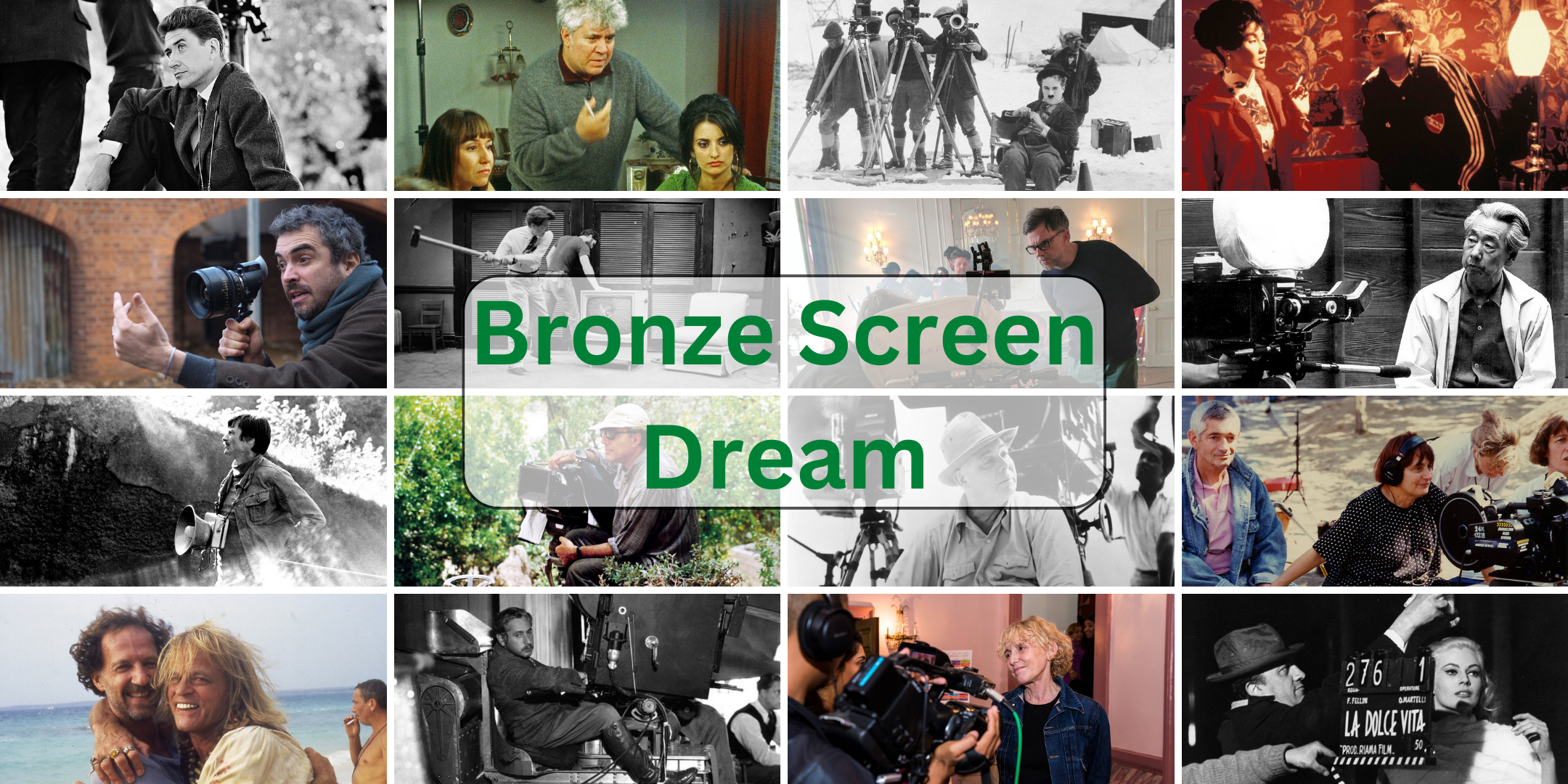
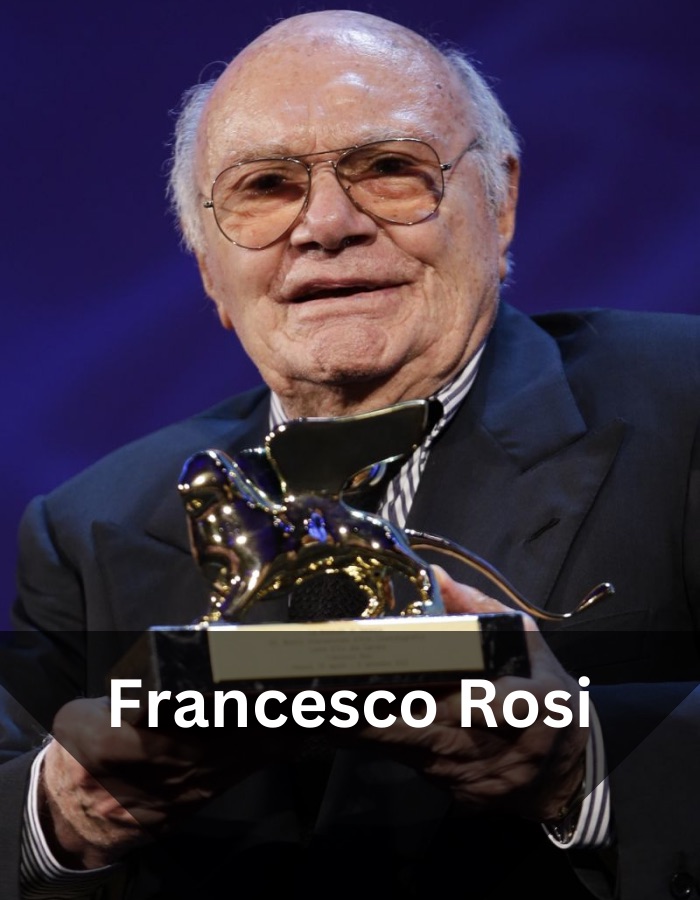
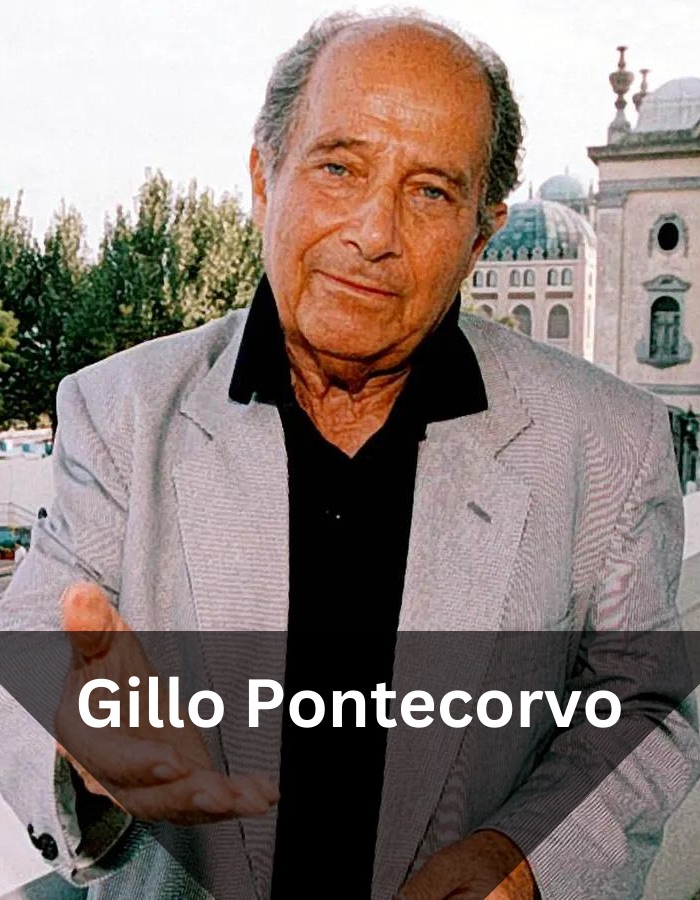
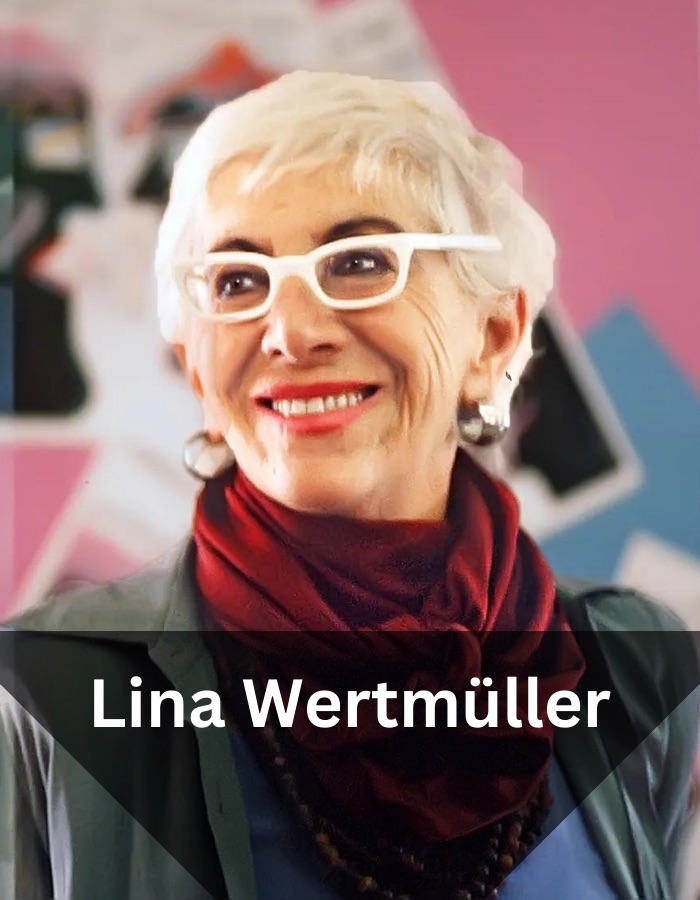
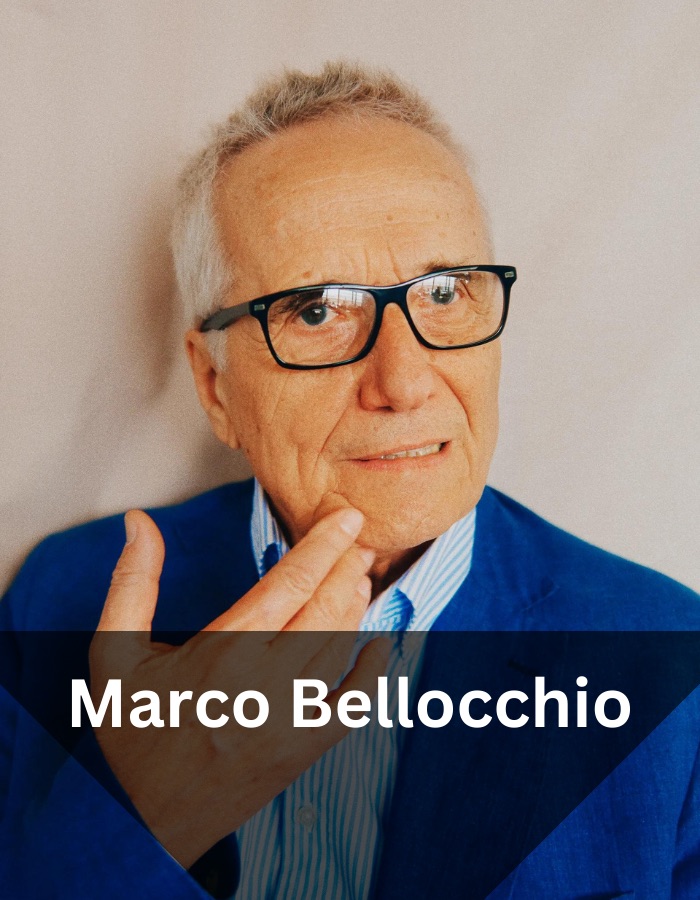
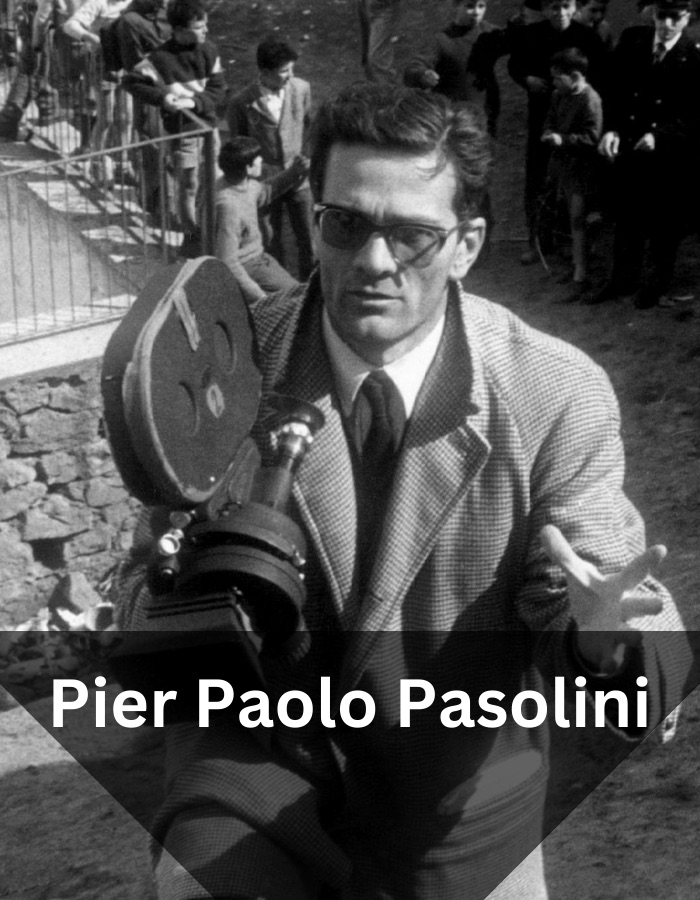
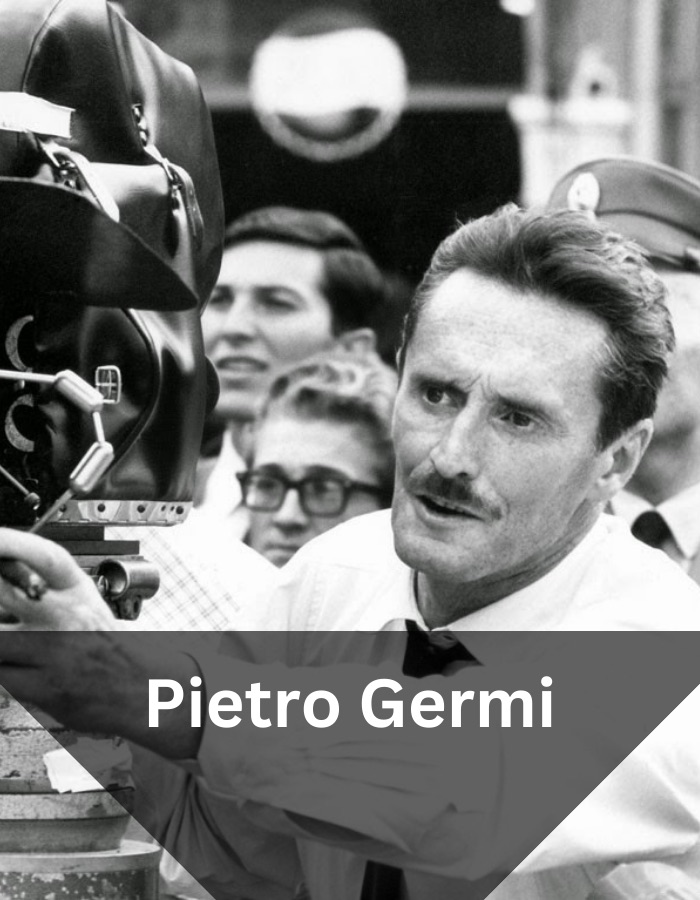
Below are some of the best Italian directors ever. Click on their pictures to discover more about them.


A Brief History of Italian Political Cinema
Italian political cinema emerged in the post-World War II era as a response to the country’s turbulent political landscape and a medium to explore social issues, class struggles, and ideological conflicts. Its inception is often linked to the neorealist movement of the 1940s and 1950s, which sought to portray the everyday life of ordinary people with a stark, unfiltered lens. Directors like Roberto Rossellini and Vittorio De Sica were pioneers in this movement, with films such as “Rome, Open City” and “Bicycle Thieves” providing a raw, unvarnished look at the struggles of post-war Italy.
In the 1960s and 1970s, Italian political cinema evolved, reflecting the changing societal and political conditions. This period saw the rise of more explicitly political films, often critiquing the establishment and exploring Marxist and leftist ideologies. Directors like Pier Paolo Pasolini and Francesco Rosi were instrumental in this phase. Pasolini’s works, including “Accattone” and “The Gospel According to St. Matthew,” were known for their controversial and provocative content, challenging traditional social norms. Rosi, on the other hand, delved into political corruption and Mafia influence in films like “Salvatore Giuliano” and “Hands over the City.”
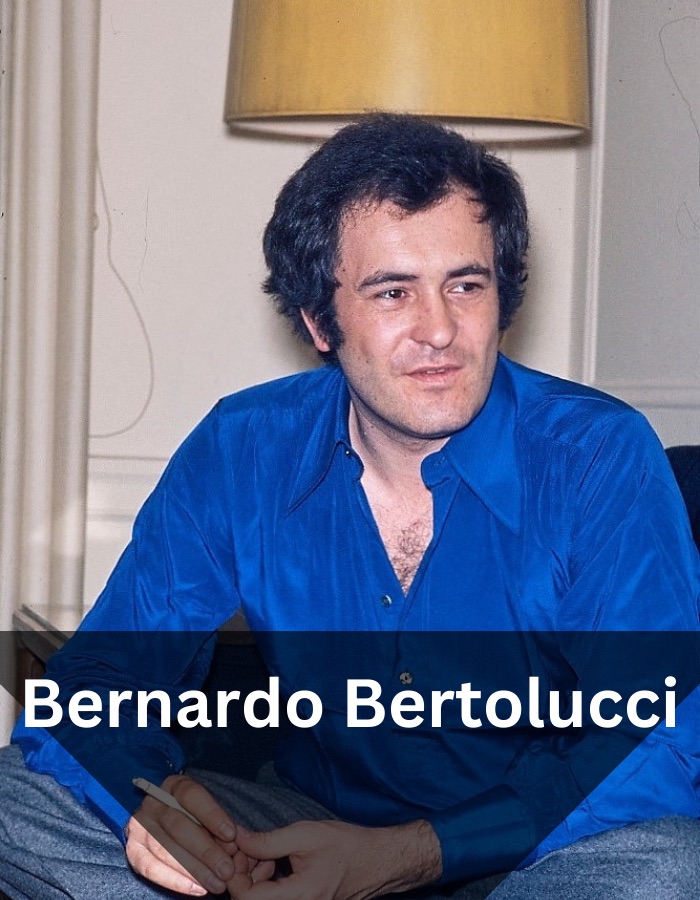
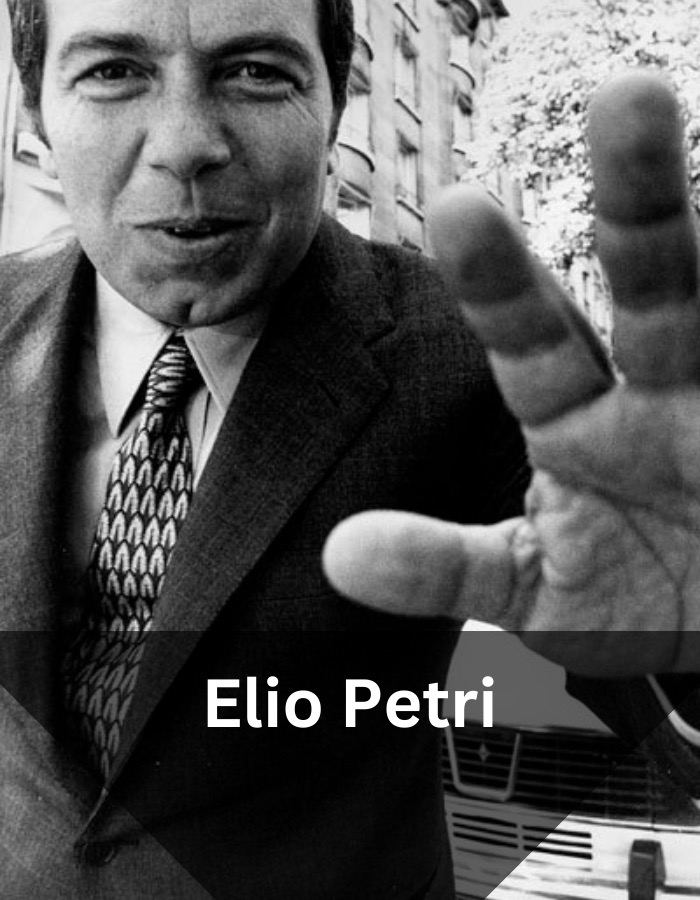
The 1970s and 1980s marked a period of heightened political engagement in Italian cinema, with filmmakers like Bernardo Bertolucci and Elio Petri contributing significantly. Bertolucci’s “The Conformist” and “1900” are prime examples of films that blend aesthetic beauty with political commentary, exploring themes of fascism and class struggle. Elio Petri, known for his critical approach to social issues, directed influential works such as “Investigation of a Citizen Above Suspicion” and “The Working Class Goes to Heaven,” both of which offered incisive critiques of the Italian political and judicial systems.
The late 20th century and early 21st century saw a transformation in the landscape of Italian political cinema. Directors like Nanni Moretti and Matteo Garrone brought a new perspective, often blending personal stories with broader political themes. Moretti’s “Caro Diario” and “The Caiman” reflect this trend, offering a more introspective and satirical take on Italian politics and society. Garrone’s “Gomorrah,” a stark depiction of the Neapolitan mafia, reflects the continued preoccupation with corruption and crime in Italian political discourse.
 Bronze Screen Dream