

István Szabó is a Hungarian filmmaker renowned for his contributions to European cinema. He gained international acclaim for his ability to weave intricate narratives that often explore the psychological depth of his characters, set against the backdrop of historical and political upheaval. Szabó’s films are best known for their introspective and often personal portrayal of individuals grappling with issues of identity, morality, and the impact of history on personal lives.
Szabó’s career, marked by a distinctive narrative style, frequently delves into the complexities of human nature and the interplay between personal and political identities. His 1981 film Mephisto, a stark depiction of a German actor’s moral compromises during the Nazi era, showcases Szabó’s skill in blending personal dramas with larger historical contexts. This film, along with Colonel Redl and Hanussen, forms a trilogy that examines the seductive power of fascism and the moral ambiguities of survival under oppressive regimes. Szabó’s focus on the inner turmoil of his protagonists, often set against the tumultuous 20th-century European history, makes his work deeply resonant and thought-provoking.
Visually, Szabó’s films are characterised by their elegant cinematography and meticulous attention to period detail, enhancing the authenticity of the historical settings. His unique approach to filmmaking often involves a subtle interplay of light and shadow, creating a mood that reflects the internal states of his characters. Szabó’s work is also notable for its recurring collaboration with actor Klaus Maria Brandauer, whose performances in Mephisto, Colonel Redl, and Hanussen are particularly celebrated. This partnership underscores Szabó’s ability to draw profound and complex performances from his actors, further cementing his status as a director of deep psychological insight and artistic sophistication.
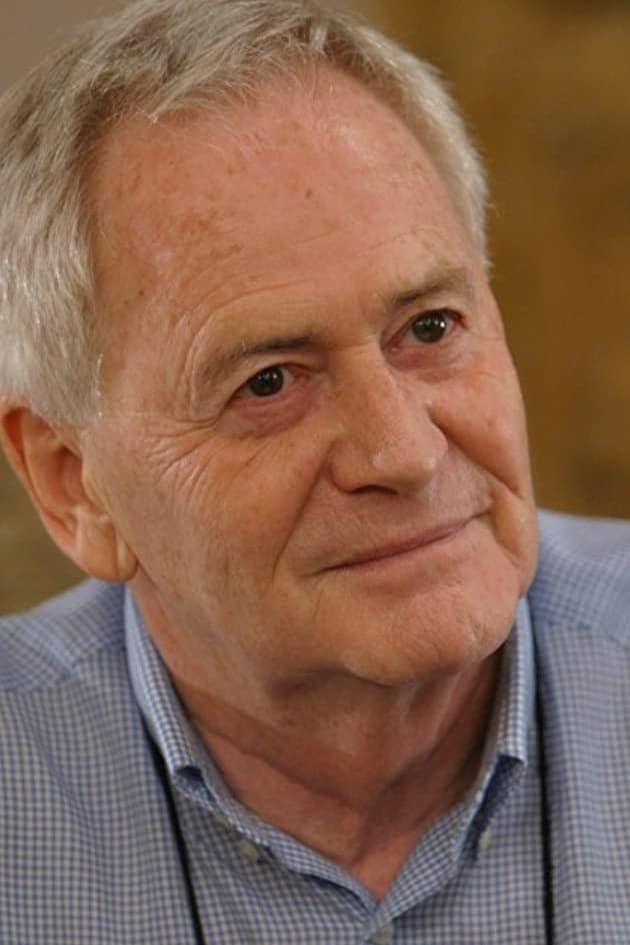
István Szabó (1938 –)
Calculated Films:
- Father (1966)
- Confidence (1980)
- Mephisto (1981)
- Hanussen (1988)
Similar Filmmakers
- Agnieszka Holland
- Andras Kovacs
- Andrzej Wajda
- Dusan Hanak
- Ferenc Kosa
- Frantisek Vlacil
- Jan Troell
- Karoly Makk
- Krzysztof Kieslowski
- Miklos Jancso
- Milos Forman
- Pal Gabor
- Pal Sandor
- Peter Gothar
- Theo Angelopoulos
- Volker Schlondorff
- Zivojin Pavlovic
- Zoltan Fabri


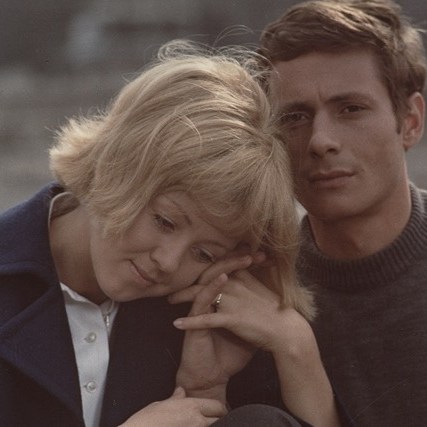
István Szabó’s Top 5 Films Ranked
1. Mephisto (1981)
Genre: Period Drama, Political Drama

2. Colonel Redl (1985)
Genre: Biographical, Period Drama
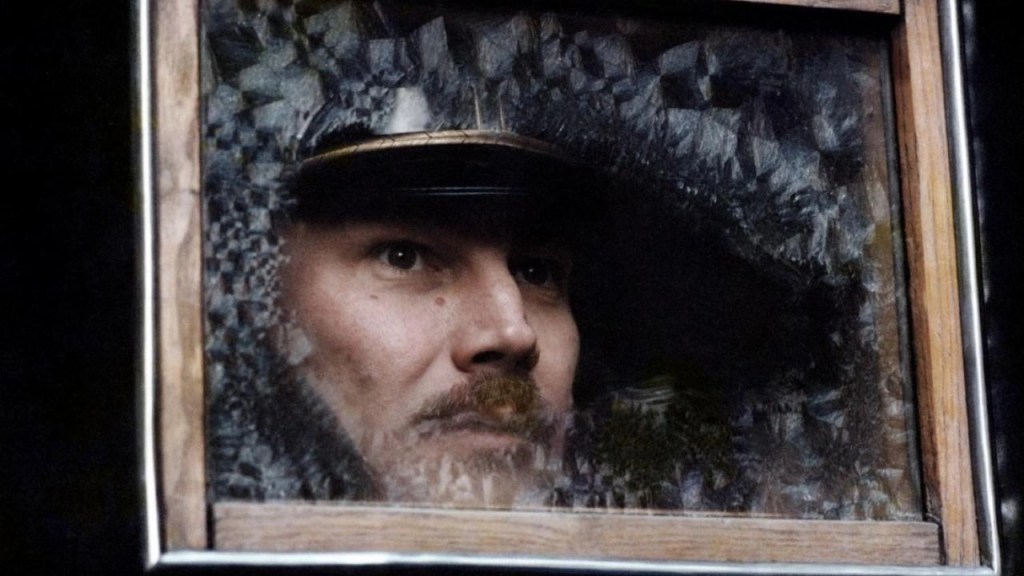
3. Lovefilm (1970)
Genre: Psychological Drama, Hungarian New Wave, Romance

4. Father (1966)
Genre: Coming-of-Age, Drama, Family Drama, Hungarian New Wave

5. Confidence (1980)
Genre: Romance, Psychological Drama

István Szabó: Themes and Style
Themes:
- Historical and Political Contexts: Szabó often delves into the complex historical and political landscapes of Eastern Europe. In Mephisto, Colonel Redl, and Hanussen, he explores the impact of political turmoil on personal identities and moral choices.
- Individual vs. Authority: A recurrent theme is the tension between individual desires and the oppressive nature of authority, as seen in Father, where the protagonist grapples with personal loss against the backdrop of political change.
- Art and Power: The intersection of art, politics, and power is a key theme. Mephisto scrutinises how artists and their work can become entangled in political machinations.
- Identity and Memory: Szabó often explores the themes of identity and memory, particularly in the context of Eastern European history. Sunshine traces a Jewish family’s multi-generational saga, highlighting the impact of historical events on personal and collective identities.
- Moral Ambiguity and Compromise: Many of Szabó’s films, like Colonel Redl, examine the moral ambiguities and compromises made by individuals in times of political unrest or societal pressure.
Styles:
- Psychological Depth: Szabó’s style is characterised by a deep psychological exploration of characters. He delves into their inner worlds, often revealing complex emotional states, as depicted in Being Julia.
- Epic Storytelling: He frequently employs epic narratives to explore historical and personal themes, as in Sunshine, which covers several decades and generations.
- Intimate Cinematography: His cinematography often features close-ups and intimate framing, creating a personal connection between the audience and the characters. This technique is evident in films like Mephisto.
- Blending of History and Fiction: Szabó skillfully blends historical events with fictional narratives, creating a tapestry that reflects the complexities of Eastern European history, a hallmark of his film Colonel Redl.
- Artistic and Theatrical Elements: His films often incorporate elements of theatre and performance, reflecting his interest in the arts. In Mephisto, the world of theatre becomes a metaphor for political and personal drama.
Directorial Signature:
- Collaboration with Klaus Maria Brandauer: Szabó is known for his frequent collaborations with actor Klaus Maria Brandauer, who starred in Mephisto, Colonel Redl, and Hanussen. This partnership is central to the unique character portrayals in these films.
- Focus on Central European Identity: His work often reflects on the Central European identity, delving into the region’s complex history and cultural dynamics, a theme prevalent in Sunshine.
- Narrative Complexity: Szabó’s films are known for their narrative complexity, weaving together personal stories with broader historical and political contexts, as seen in Father.
- Exploration of Human Folly and Ambition: His films frequently explore the folly and ambition inherent in human nature, particularly in the context of art and politics, a theme effectively portrayed in Mephisto.
- Use of Symbolism and Metaphor: He often employs symbolism and metaphor to deepen the narrative layers and to comment on broader social and political themes, evident in his use of theatre as a metaphor in Mephisto.
István Szabó – Great Director




 Bronze Screen Dream