

Isao Takahata, a Japanese animation titan, is best known for his deeply touching and evocative films produced at Studio Ghibli, which he co-founded with Hayao Miyazaki. His most notable work, Grave of the Fireflies, is widely regarded as a masterpiece and a poignant example of the potential of animation to convey complex themes and emotions.
Initially working at Toei Animation, Takahata made a name for himself with the film Horus: Prince of the Sun before establishing Studio Ghibli. His career transition from television animation to filmmaking was marked by an emphasis on mature narratives and a deeper exploration of the human condition. From the ecological focus of Pom Poko to the realistic depiction of post-war Japan in Only Yesterday, Takahata proved that animation could successfully grapple with heavy societal themes.
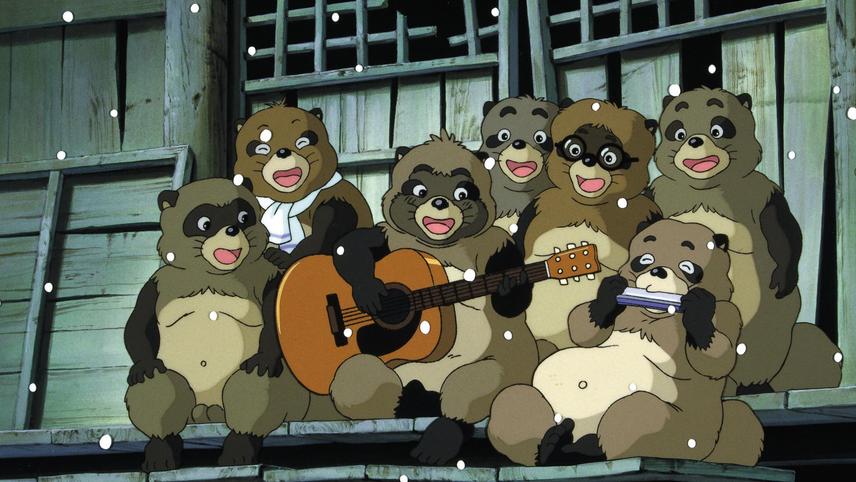
Takahata’s films are distinguished by their thematic richness, blending complex social issues with deeply personal narratives. A recurrent theme in his films is the exploration of childhood innocence against societal challenges or natural calamities, as seen in Grave of the Fireflies. Moreover, his works often champion environmental conservation, as in Pom Poko, or underscore the importance of embracing the beauty of everyday life, like in My Neighbors the Yamadas.
The Other Half of Studio Ghibli
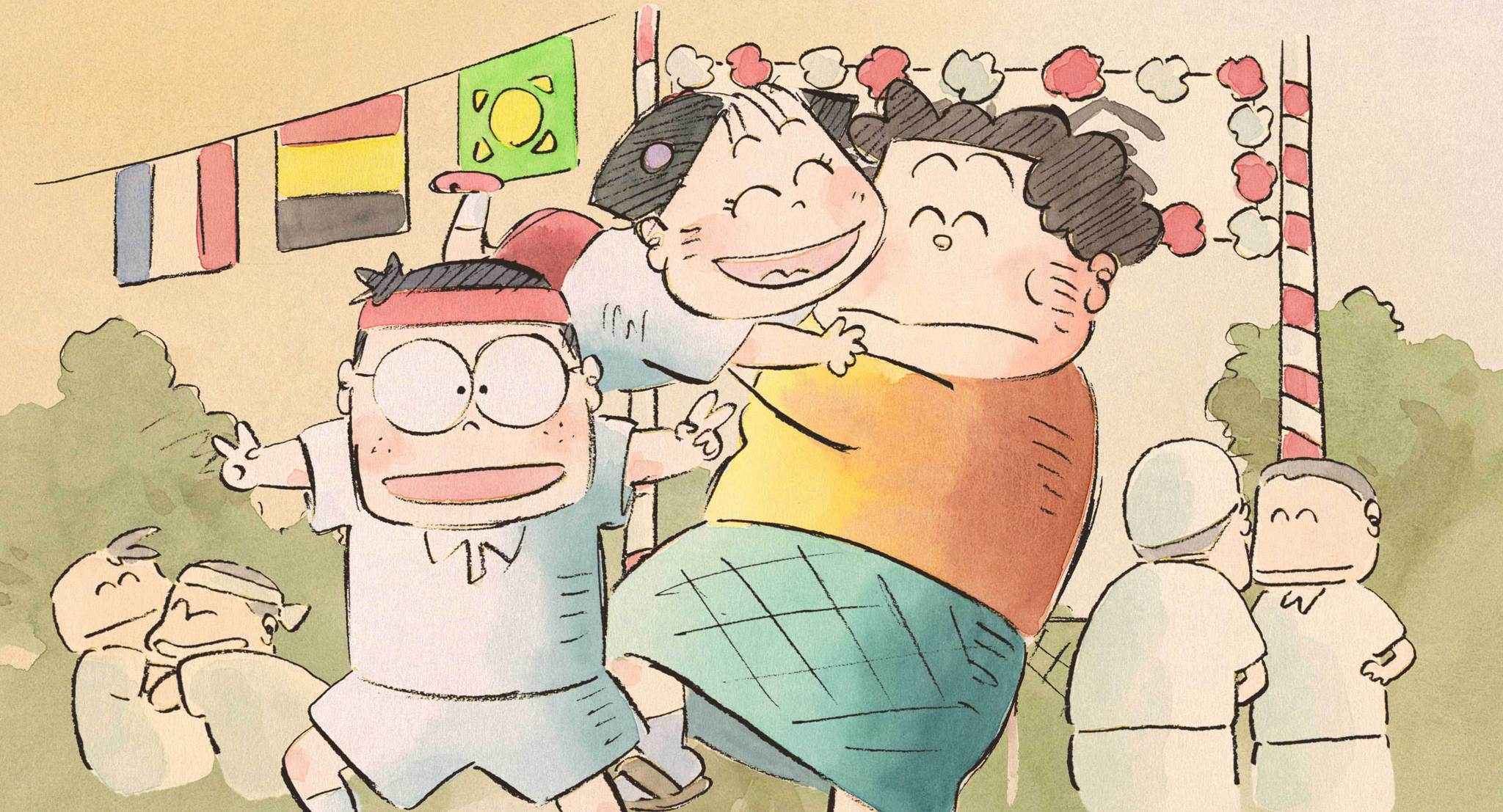
Visually, Takahata’s style is characterised by its diversity. Unlike many animators, Takahata didn’t possess a single, unchanging aesthetic. Instead, he innovatively adapted his visual style to best suit the narrative of each film. The watercolour-like visuals of The Tale of the Princess Kaguya vary greatly from the realism of Grave of the Fireflies or the comic strip style of My Neighbors the Yamadas, showing his exceptional versatility and his mastery of various animation techniques.
Takahata’s impact on the animation industry is immeasurable, inspiring countless filmmakers worldwide. His unique storytelling approach, innovation in animation styles, and thematic depth have influenced directors such as Pete Docter and Tomm Moore. Moreover, his efforts, alongside Miyazaki, in establishing Studio Ghibli have significantly shaped the international perception of Japanese animation, raising it to a level of global admiration and respect. His influence continues reverberating through the animation world, marking him as one of the great masters of the medium.
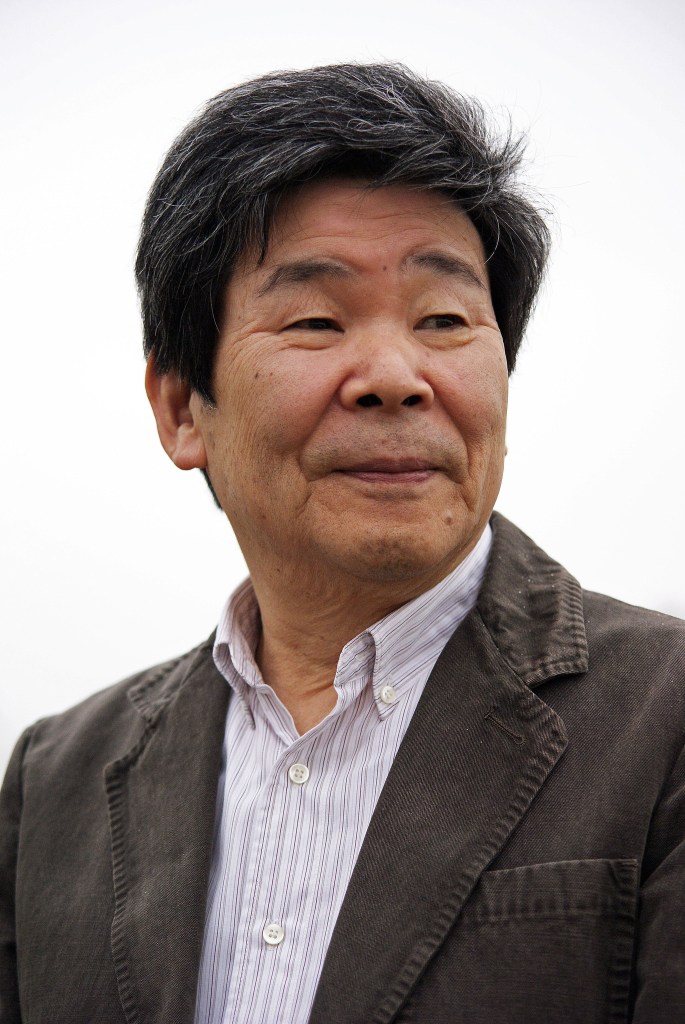
Isao Takahata (1935 – 2018)
Calculated Films:
- Grave of the Fireflies (1988)
- Only Yesterday (1991)
- The Tale of Princess Kaguya (2013)
Similar Filmmakers
- Hayao Miyazaki
- Hideaki Anno
- Hiromasa Yonebayashi
- Hiroyuki Okiura
- Katsuhiro Otomo
- Mamoru Hosoda
- Makoto Shinkai
- Mamoru Oshii
- Masaaki Yuasa
- Michael Dudok de Wit
- Naoko Yamada
- Naomi Kawase
- Satoshi Kon
- Shinchiro Watanabe
- Shunji Iwai
- Sunao Katabuchi
- Tomm Moore
- Yoshifumi Kondo

Isao Takahata’s Films & Shows Ranked
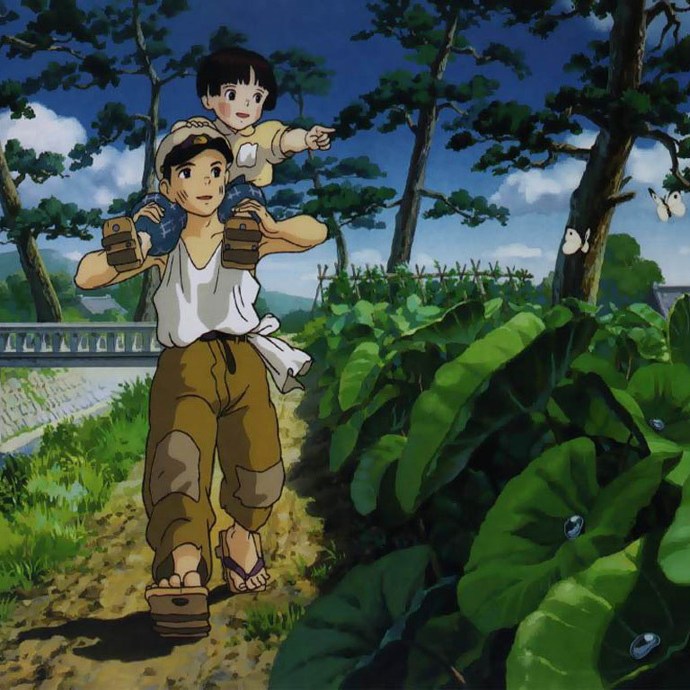
1. Grave of the Fireflies (1988)
Genre: Anime, War, Period Drama, Tragedy

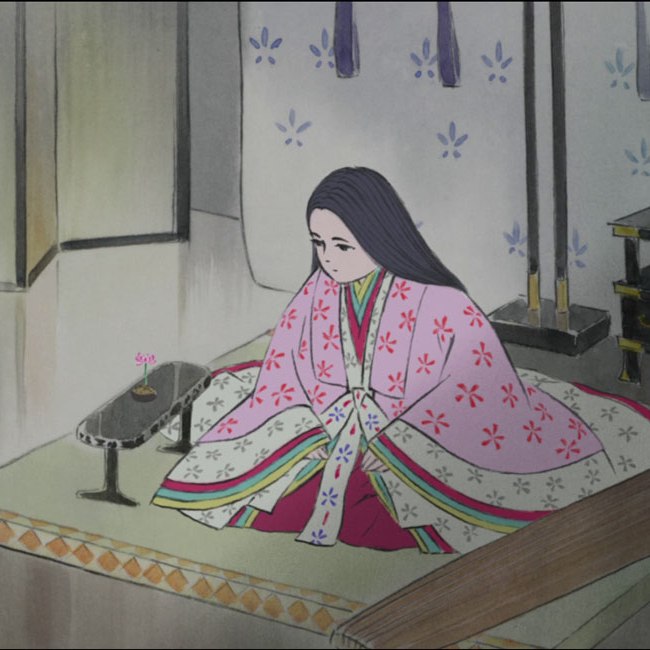
2. The Tale of Princess Kaguya (2013)
Genre: Fairy Tale, Anime, Drama
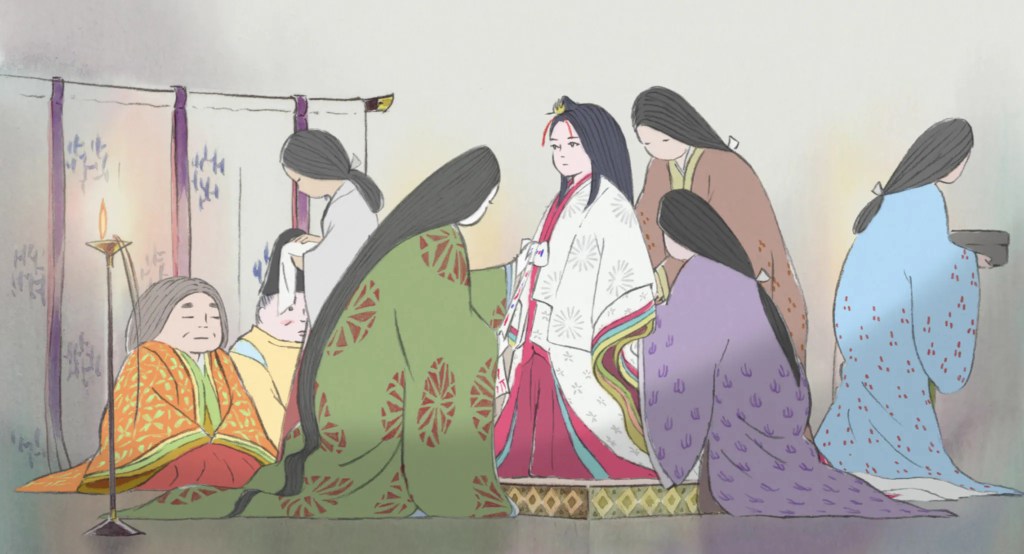
3. Only Yesterday (1991)
Genre: Coming-of-Age, Anime, Drama, Slice of Life

4. Pompoko (1994)
Gnere: Anime, Fantasy, Drama, Fable

5. Conan, The Boy From The Future (1978)
Genre: Anime, TV

6. My Neighbors: The Yamadas (1999)
Genre: Anime, Family, Comedy, Slice of Life, Sketch Comedy

7. Chie the Brat (1981)
Genre: Anime, Comedy, Slice of Life

8. Anne of Green Gables (1979)
Genre: Anime, TV

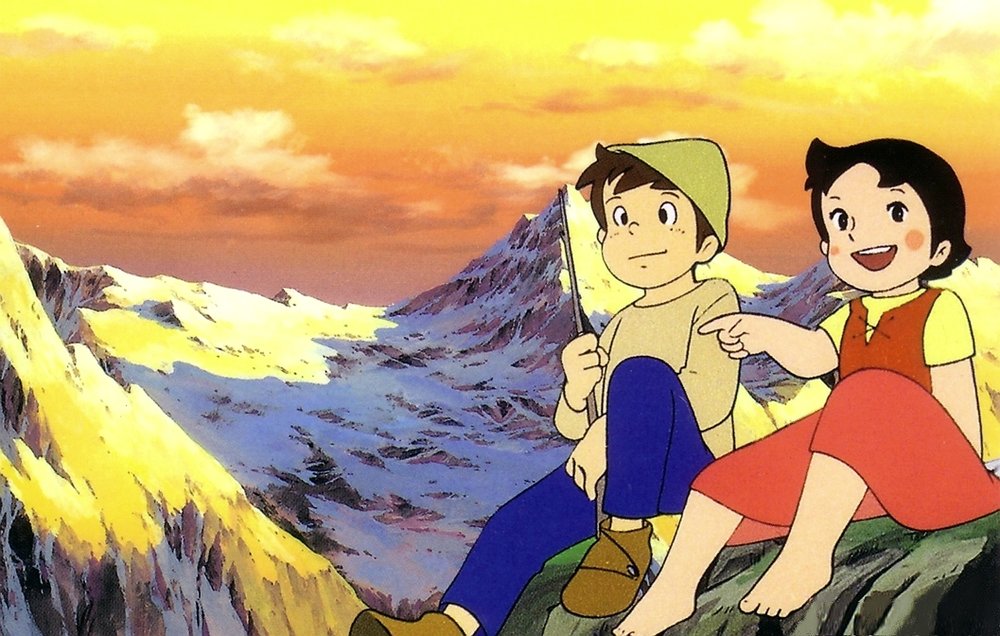
9. Heidi, Girl of the Alps (1974)
Genre: Anime, TV
10. Horus, Prince of the Sun (1968)
Genre: Anime, Adventure, Fairy Tale

Isao Takahata: Themes and Style
Themes:
- Humanity and War: Takahata’s works often delve into the complexities of human nature and the impacts of war. His acclaimed film, Grave of the Fireflies, provides a heartbreaking depiction of the human cost of World War II, emphasising the innocence lost during such tumultuous times.
- Environmental Conservation: With films like Pom Poko, Takahata explores the theme of environmental degradation and its effect on wildlife, calling for a harmonious relationship between humanity and nature.
- Folklore and Fantasy: Drawing inspiration from Japanese folklore and Western fairy tales, many of his works, like The Tale of Princess Kaguya, blend myth and reality to craft compelling narratives that appeal to both children and adults.
- Family and Community: Takahata often focused on the dynamics of family and community, exploring relationships, bonds, and the sense of belonging, as seen in Only Yesterday and My Neighbors the Yamadas.
Distinctive Styles:
- Visual Aesthetic: Unlike many animators, Takahata didn’t have a consistent visual style. Instead, he adapted the aesthetic of each film to suit its tone and theme. For instance, My Neighbors the Yamadas utilises watercolour-like, simplistic animation, while The Tale of Princess Kaguya boasts a more sophisticated and painterly style.
- Realism: Takahata was known for implementing a realistic approach to animation, showcasing meticulous attention to detail and authentic expressions of the human experience, making his works relatable and emotionally resonant.
Directorial Signature:
- Narrative Depth: Takahata’s films are characterised by their narrative sophistication and depth, providing viewers with multi-layered stories that explore complex themes and emotions.
- Cultural Representation: Incorporating elements of Japanese culture, history, and folklore, Takahata’s films serve as a bridge connecting audiences worldwide with the rich tapestry of Japanese heritage.
- Character Development: Characters in Takahata’s films are intricately designed and developed, embodying a wide range of human emotions and experiences, making them relatable and endearing to audiences.
Isao Takahata: The 186th Greatest Director


 Bronze Screen Dream