
Idrissa Ouédraogo, a Burkinabé filmmaker, is renowned for his exploration of the conflicts between rural and urban life, as well as tradition and modernity, particularly in Burkina Faso and Africa at large. His most notable films include Tilaï, which won the Grand Prix at the 1990 Cannes Film Festival, and Samba Traoré, nominated for the Silver Bear award at the 43rd Berlin International Film Festival.
Ouédraogo’s career began with Yam Daabo (“The Choice”; 1986), focusing on a rural family’s dilemma between relying on aid or becoming self-sufficient. His breakthrough film Yaaba (“Grandmother”), acclaimed for its beauty and simplicity, won awards at various festivals, including the FIPRESCI Prize at Cannes. Tilaï (“A Question of Honour”), his subsequent film, delved into the Mòoré culture’s struggles with tradition in a modernising world. His filmography also includes The Heart’s Cry (Le Cri du cœur; 1994), Kini and Adams (1997), and others. However, his later works, such as Anger of the Gods (La Colère des dieux; 2003) and Kato Kato (2006), did not receive as much critical attention as his earlier films.
Ouédraogo’s style is characterised by visual allure, charming vignettes, affecting performances, technical sophistication, and inventive mise en scène. His films Yaaba and Tilaï showcase stylistic qualities typically associated with francophone African cinema, such as unhurried editing and measured rhythms. These films have been described as moral fables reflective of African oral traditions, using static long shots to create a distance between the spectator and the characters, elevating the narrative to a broader moral level. However, his approach is not limited to these techniques, as he also employs close-ups, reaction shots, and shot-reverse shots.
Ouédraogo’s films often discuss themes of modernity and tradition and the tension between rural and urban life. His work represents a literal and thematic journey from rural to urban settings, showcasing transitions and connections between these spaces. For instance, A Karim na Sala and Le Cri du cœur explore these dynamics, with characters navigating and reconciling the differences between village and city life. Similarly, Samba Traoré and Kini and Adams centre on characters caught between rural and urban spaces, often leading to tragic or intractable situations for adults, in contrast to the adaptability of children in his narratives.
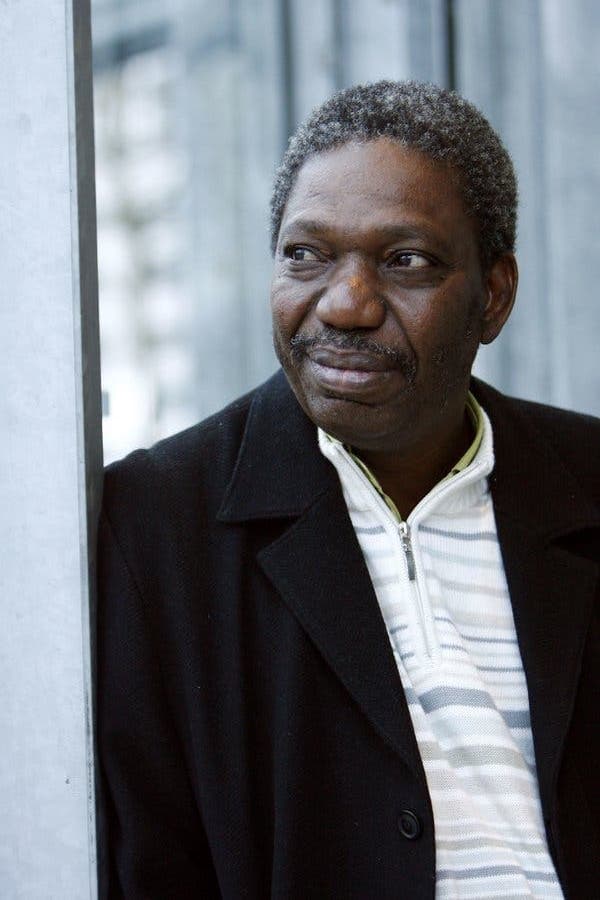
Idrissa Ouédraogo (1954 – 2018)
Calculated Films:
- NA
Similar Filmmakers
- Abderrahmane Sissako
- Adama Drabo
- Apolline Traore
- Cheick Oumar Sissoko
- Dani Kouyate
- Djibril Diop Mambety
- Fanta Regina Nacro
- Gaston Kabore
- Imunga Ivanga
- Ingrid Sinclair
- Issa Serge Coelo
- Jean-Marie Teno
- Kollo Daniel Sanou
- Licino Azevedo
- Ousmane Sembene
- Semih Kaplanoglu
- Souleymane Cisse
- Zeze Gamboa

Idrissa Ouédraogo’s Top 5 Films Ranked
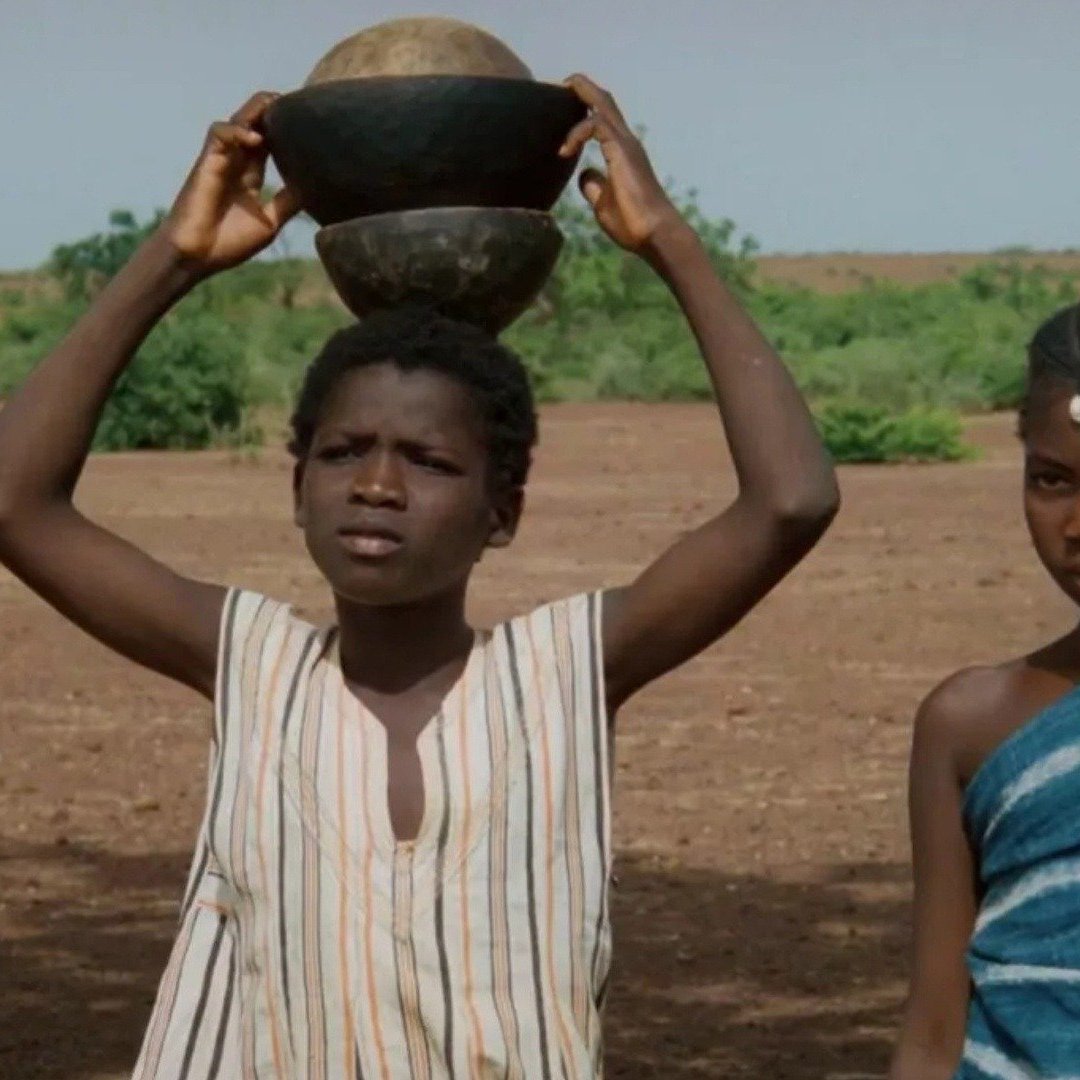
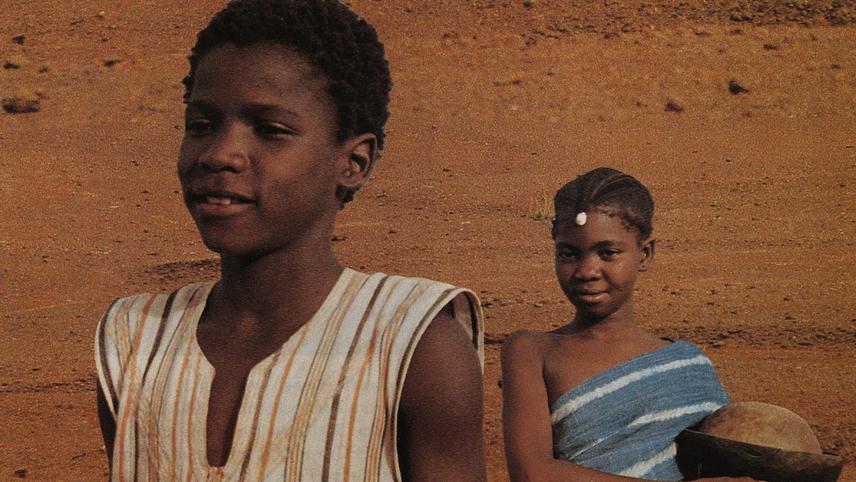
1. Yaaba (1989)
Genre: Drama, Family
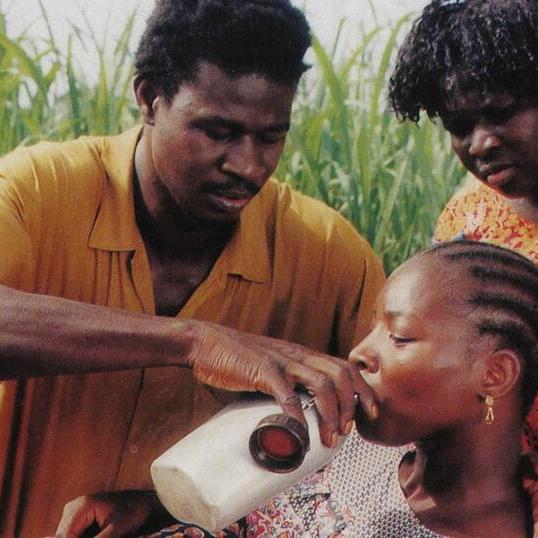
2. The Law (1990)
Genre: Drama, Family Drama

3. Samba Traore (1992)
Genre: Drama

4. The Choice (1987)
Genre: Drama
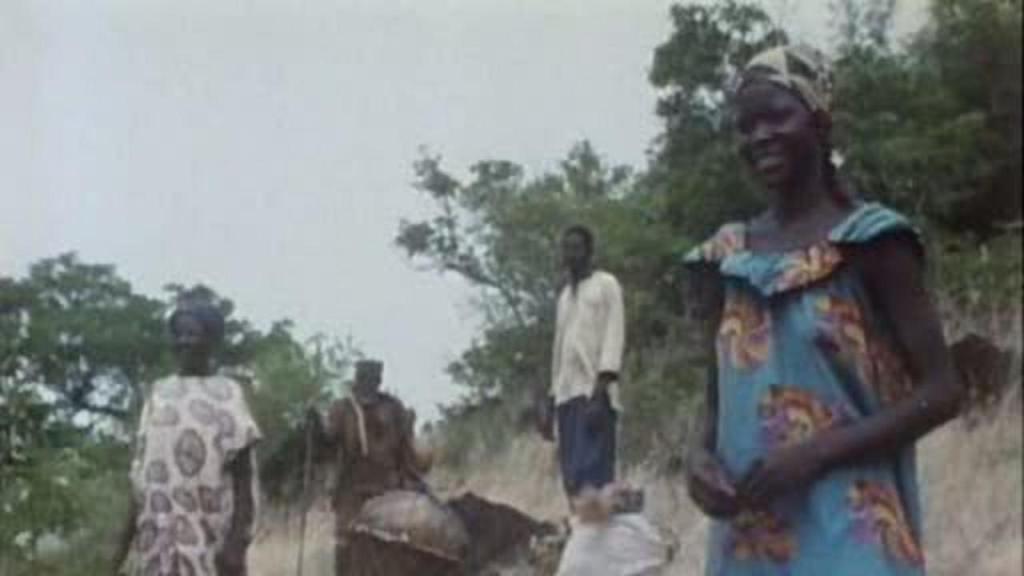
5. Kini and Adams (1997)
Genre: Drama

Idrissa Ouédraogo: Themes and Style
Themes:
- Everyday Life in Burkina Faso: Ouédraogo’s films, such as Tilai and Yaaba, often portray the daily lives, struggles, and joys of people in Burkina Faso, offering a window into a world rarely depicted in mainstream cinema.
- Social and Moral Issues: He addresses social and moral dilemmas, focusing on themes like family dynamics, community values, and individual versus collective interests. Tilai is an example where the protagonist confronts traditional family values.
- Impact of Modernity and Tradition: The tension between modernity and tradition is a recurring theme. Ouédraogo explores how traditional values and modern influences coexist and conflict, as seen in Samba Traoré, where the protagonist returns to his village after a stint in the city.
- Human Relationships and Compassion: His films often emphasize the importance of human relationships, empathy, and compassion. In Yaaba, the friendship between a young boy and an ostracized woman illustrates these qualities.
- Economic Hardships: Ouédraogo doesn’t shy away from depicting the financial challenges faced in African societies. Films like Kini & Adams show characters striving for a better life amid limited resources.
Styles:
- Realism: Ouédraogo is known for his realistic portrayal of African life. He often casts non-professional actors and uses actual locations, as seen in Yaaba, to lend authenticity to his stories.
- Simple and Direct Narrative: He favors straightforward storytelling with clear narratives, avoiding overly complex plots or stylistic embellishments. This approach is evident in Tilai, which tells a compelling story with a minimalistic style.
- Focus on Characters: Ouédraogo’s films are character-driven, with a deep focus on individual experiences and emotions. In Yaaba, the characters’ journeys and interactions are central to the film’s impact.
- Use of Local Music and Soundscapes: He often incorporates traditional music and natural soundscapes to enhance the cultural context and emotional depth of his films, as evident in the rich auditory backdrop of Tilai.
Directorial Signature:
- Emphasis on Community: Ouédraogo frequently highlights the importance of community in African societies. His films often revolve around how individuals relate to their community, as seen in Yaaba.
- Exploration of Moral Complexity: His works explore moral ambiguities and complexities, avoiding simple judgments or stereotypes. In Tilai, the characters face difficult choices that challenge traditional ethical frameworks.
- Empathy and Humanism: His directorial approach is marked by a deep sense of compassion and humanism, focusing on the dignity and resilience of his characters, even in difficult circumstances.
Idrissa Ouédraogo – Great Director


 Bronze Screen Dream