

Humphrey Jennings was a British filmmaker best known for his work during the 1940s as a key figure in the British documentary film movement. Jennings’s filmmaking career began at the GPO Film Unit, where he quickly gained recognition for his ability to create visually striking and emotionally resonant films. His most acclaimed works were made during World War II and showcased the resilience of the British people during the conflict.
Jennings’s films often revolve around themes of national identity, wartime experience, and the power of community. His work captures the spirit of the time, focusing on ordinary people’s everyday lives and struggles in the face of adversity. Through his documentaries, Jennings documented the British experience during World War II, highlighting the importance of solidarity and unity in overcoming hardships. He showcased the resilience and determination of the British people, allowing audiences to find strength and hope amid the chaos of war.
Jennings’s visual style was marked by a poetic sensibility, blending observational footage with carefully crafted imagery and soundscapes to create atmosphere and emotion. His approach to cinema was deeply personal, and his films often blurred the lines between documentary and fiction, weaving together elements of both to tell powerful stories. In Listen to Britain, Jennings used a montage of images and sound to capture the spirit of a nation at war, creating a unique portrait of the country through its people, music, and environment.
Humphrey Jennings’s impact on cinema, particularly documentary filmmaking, is significant. His innovative blending of documentary and poetic elements has inspired countless filmmakers. His ability to capture the essence of an era through his unique storytelling techniques has left a lasting impression on the genre. His work is a testament to cinema’s power to evoke emotion and inspire a sense of unity and national identity.

Humphrey Jennings (1907 – 1950)
Calculated Films:
- Spare Time (1939)
- Listen to Britain (1942)
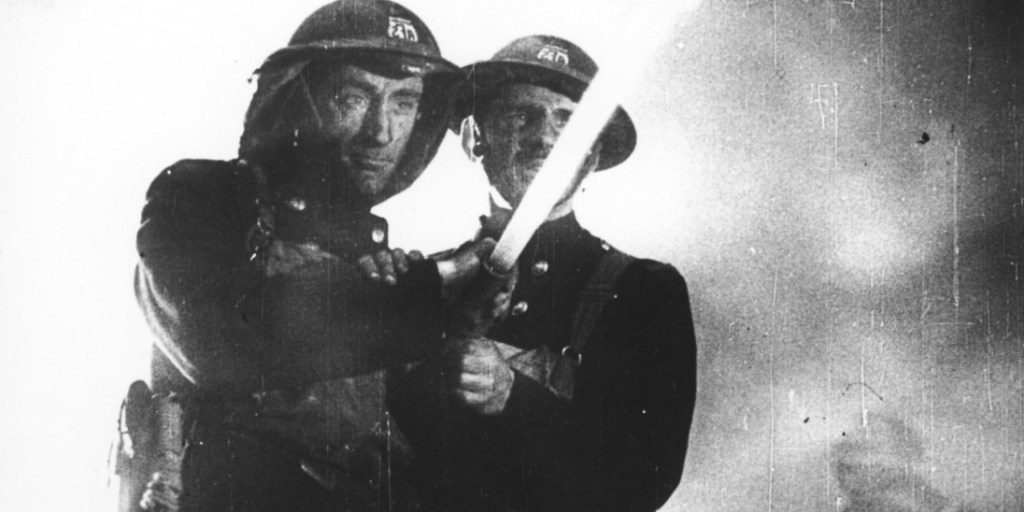
- Fires Were Started (1943)
Similar Filmmakers
- Agnes Varda
- Alberto Cavalcanti
- Basil Wright
- Bill Douglas
- Chris Marker
- Dziga Vertov
- Frederick Wiseman
- Harry Watt
- Henri Storck
- John Grierson
- Joris Ivens
- Lindsay Anderson
- Marcel Ophuls
- Paul Rotha
- Peter Watkins
- Robert Flaherty
- Terence Davies
- Werner Herzog
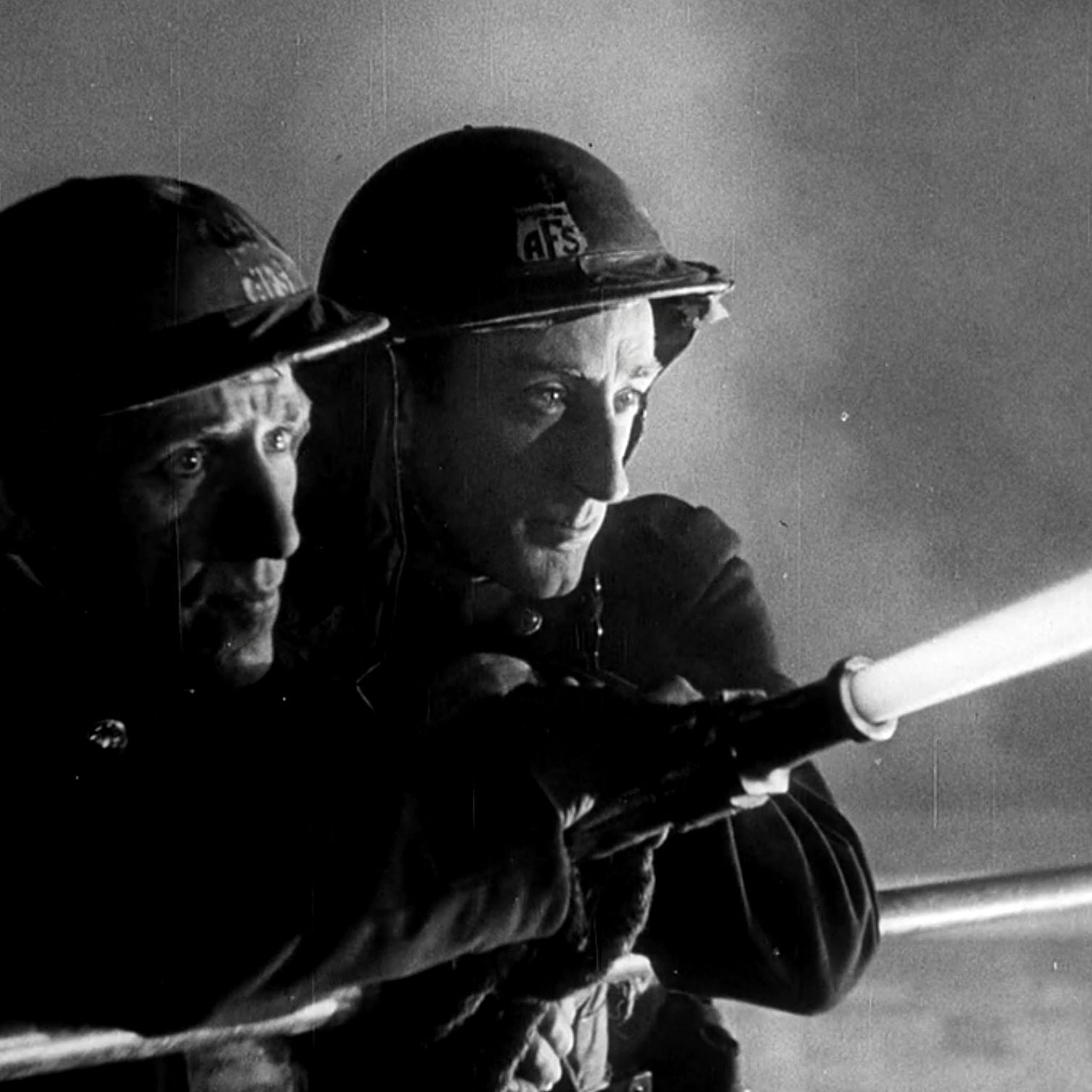
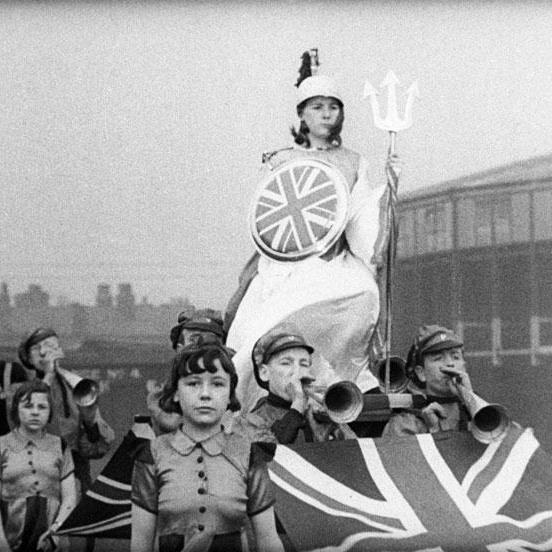

Notable Humphrey Jenning Films
Spare Time (1939)
Genre: British Documentary Film Movement

London Can Take It (1940)
Genre: War Documentary, British Documentary Film Movement
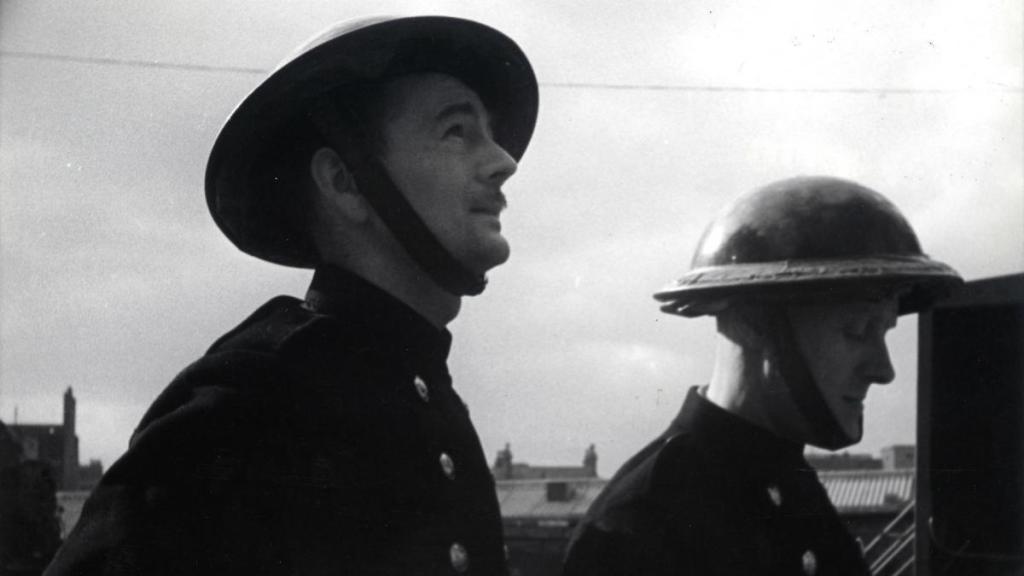
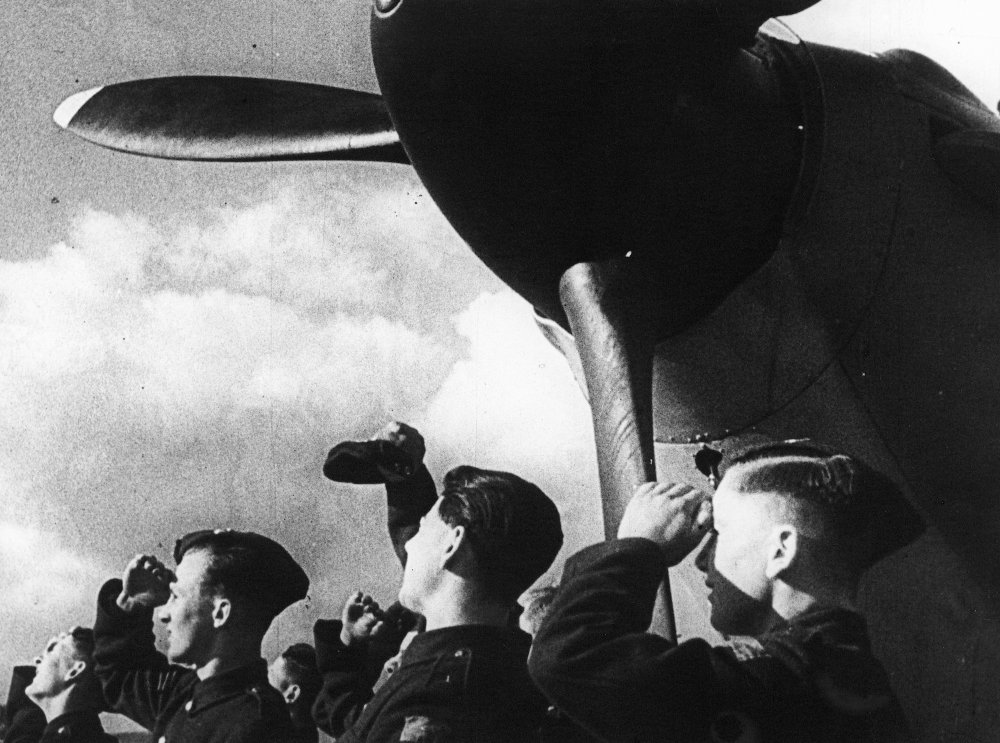
Listen to Britain (1942)
Genre: Propaganda Film, War Documentary, British Documentary Film Movement
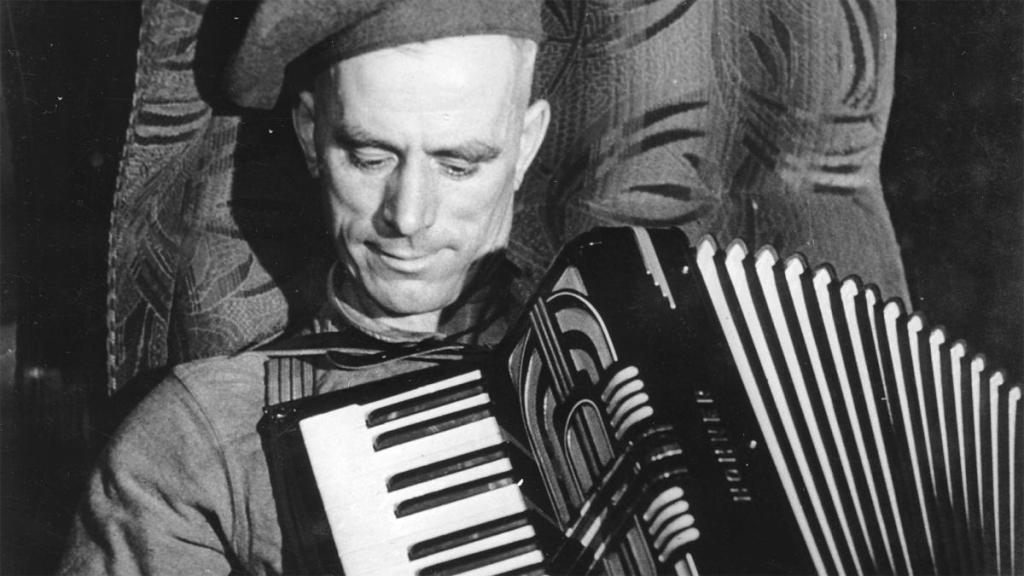
Fires Were Started (1943)
Genre: War, Docudrama, British Documentary Film Movement
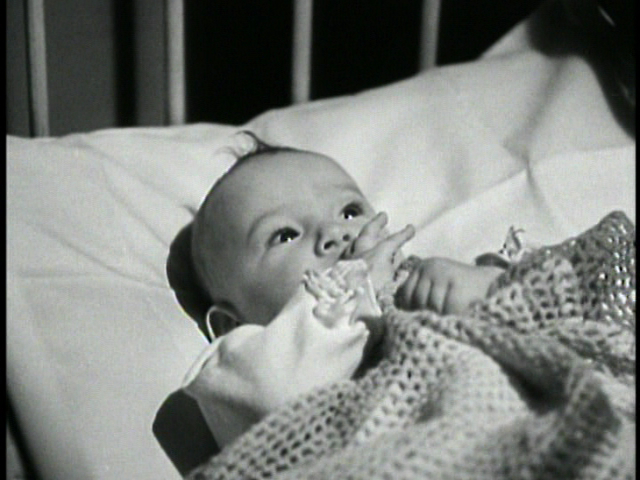
A Diary for Timothy (1945)
Genre: War Documentary, British Documentary Film Movement, Propaganda Film

Humphrey Jennings: Themes and Style
Themes:
- World War II & British Resilience: Many of Jennings’s most celebrated works focus on Britain during World War II. Films such as Listen to Britain and Fires Were Started depict the country’s struggle, resilience, and everyday life amidst the chaos of war. These documentaries serve as historical chronicles and as symbols of hope and endurance.
- Social Realism: Jennings had a keen eye for capturing the nuances of British society. Through his films, viewers explore various social strata, witnessing the lives of common people, their challenges, triumphs, and simple joys. Social realism in his works presents an unfiltered, empathetic view of the human condition.
- National Identity: His films often grapple with concepts of British identity and nationalism, delving into what it means to be British. The war documentaries, in particular, evoke a strong sense of national pride and unity, encapsulating the collective spirit of a nation under siege.
Styles:
- Poetic Realism: Jennings’s filmmaking style is often described as ‘poetic realism’ due to his ability to weave together the grit and truth of reality with the lyricism of visual and auditory elements. This blend results in films that are both engaging and deeply reflective of their subjects and themes.
- Montage Technique: He frequently employed montage techniques to create a cohesive narrative from disparate scenes and moments. This method allowed him to convey complex stories and emotions effectively, providing audiences with a holistic understanding of the subject matter.
- Diegetic Sound: Jennings often utilised diegetic sound to enhance the authenticity and immersive quality of his films. Natural sounds from the environment, dialogue, and music inherent to the scene contributed to creating a convincing, engaging atmosphere in his works.
Directorial Signature:
- Empathy and Humanity: One of Jennings’s hallmark traits as a director was his empathetic approach to his subjects. Regardless of the scenario or individuals depicted, his films consistently resonate with a deep understanding and respect for humanity, making them timeless and relatable.
- Visual Storytelling: Though his films were grounded in reality, Jennings had a talent for finding the extraordinary within the ordinary. His framing, composition, and attention to visual details turned simple scenes into compelling visual narratives, enhancing the storytelling aspect of his documentaries.
- Integration of Art and Documentary: As a multifaceted artist, Jennings successfully integrated various art forms into his documentaries. His background in painting, literature, and theatre informed his directorial style, resulting in films that are not only informative but also aesthetically and conceptually rich.
Humphrey Jennings: The 296th Greatest Director


 Bronze Screen Dream