

Howard Hawks, an American film director, is celebrated for his versatility across various genres and his ability to infuse his films with distinctive, fast-paced dialogue. His body of work, which includes iconic films like His Girl Friday, The Big Sleep, and Rio Bravo, is characterised by its strong characters, witty dialogue, and professional competence. Hawks’ films often explore themes of friendship and professionalism.
Hawks’ journey into filmmaking began in the silent film era, where he worked as a prop boy before making his directorial debut. His early films, such as Scarface and Bringing Up Baby, demonstrated his ability to work across various genres, from gangster films to screwball comedies, establishing him as a director with a unique and adaptable vision.
Hawks’ films are known for their recurring themes and motifs. He often explored the dynamics of male friendship and professional competence, as seen in Only Angels Have Wings, which delves into the lives of daredevil pilots. His films also frequently feature strong, independent women, particularly evident in His Girl Friday, which showcases a fast-talking female reporter matching wits with her editor and ex-husband.
Straightforward – Straight shooting
Hawks was known for his straightforward and efficient use of the camera. His films often feature medium shots and two-shots, focusing on the characters and their interactions rather than elaborate visual compositions. This is particularly evident in The Big Sleep, where Hawks’ visual style complements the film’s complex narrative and rapid-fire dialogue.
His approach to filmmaking was characterised by a focus on character and dialogue. He was known for his fast-paced, overlapping dialogue, adding realism and energy to his films. This is evident in His Girl Friday, where the rapid-fire exchanges between the characters create a dynamic and engaging viewing experience.
Howard Hawks’ influence on cinema is vast and enduring. Directors such as Quentin Tarantino in the United States and Jean-Luc Godard in France have cited Hawks as a major influence on their work. His impact extends beyond Hollywood, with his distinctive dialogue and strong characterisations influencing filmmakers worldwide. Hawks’ films have been recognised for their cultural and historical significance, with several being selected for preservation in the United States National Film Registry.
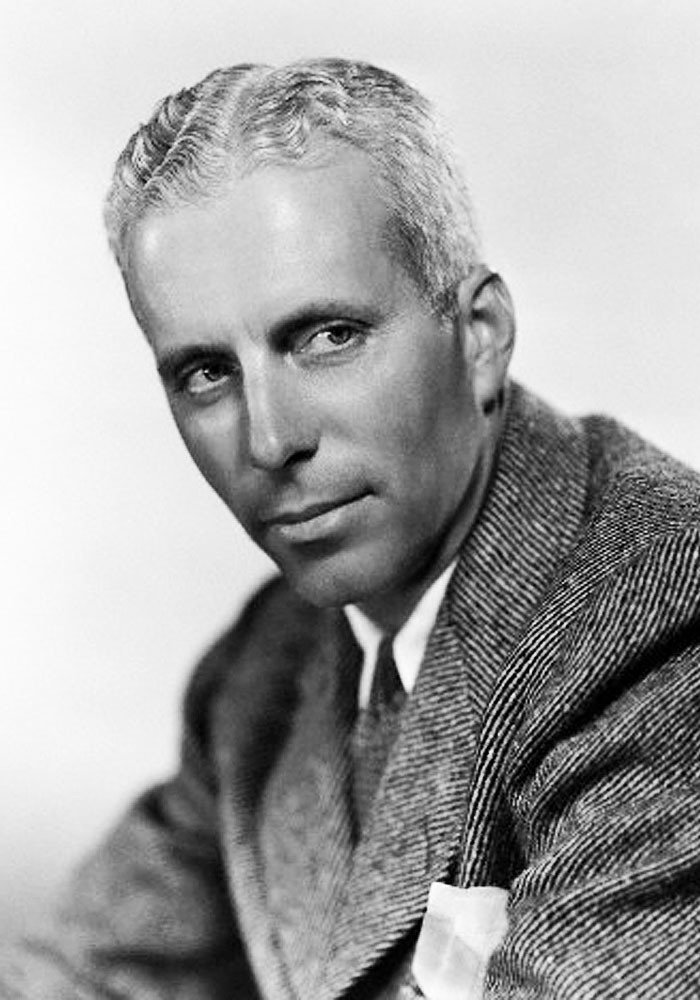
Howard Hawks (1896 – 1977)
Calculated Films:
- The Dawn Patrol (1930)
- The Criminal Code (1930)
- Scarface (1932)
- Twentieth Century (1934)
- The Road to Glory (1936)
- Bringing Up Baby (1938)
- Only Angels Have Wings (1939)
- His Girl Friday (1940)
- Ball of Fire (1941)
- Sergeant York (1941)
- Air Force (1943)
- To Have and Have Not (1944)
- The Big Sleep (1946)
- Red River (1948)
- The Big Sky (1952)
- Monkey Business (1952)
- Gentlemen Prefer Blondes (1953)
- Rio Bravo (1959)
- Hatari! (1962)
- El Dorado (1966)
Similar Filmmakers


Howard Hawks’s Top 10 Films Ranked
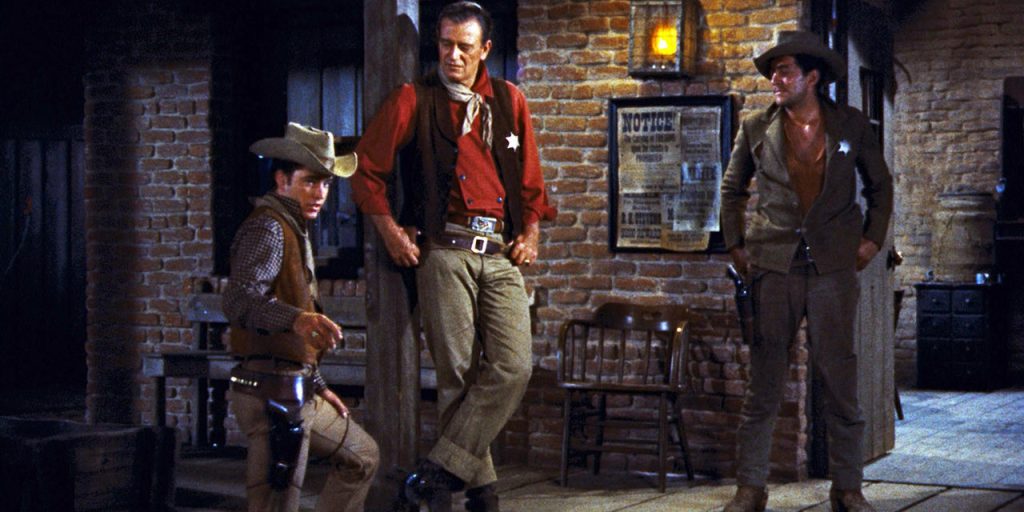
1. Rio Bravo (1959)
Genre: Western, Buddy
2. Bringing Up Baby (1938)
Genre: Screwball Comedy, Romantic Comedy

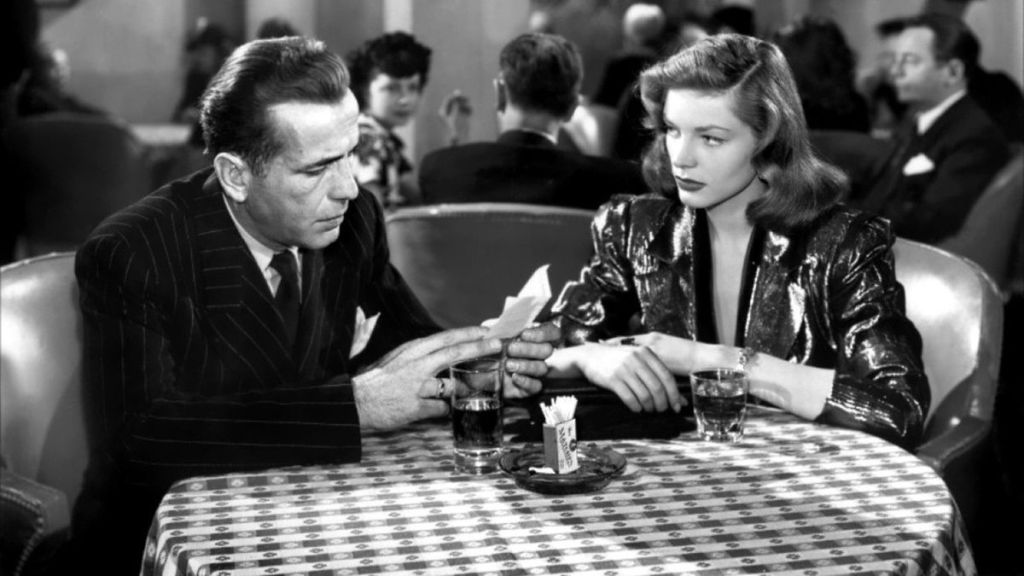
3. The Big Sleep (1946)
Genre: Film Noir, Mystery, Crime
4. His Girl Friday (1940)
Genre: Screwball Comedy, Satire

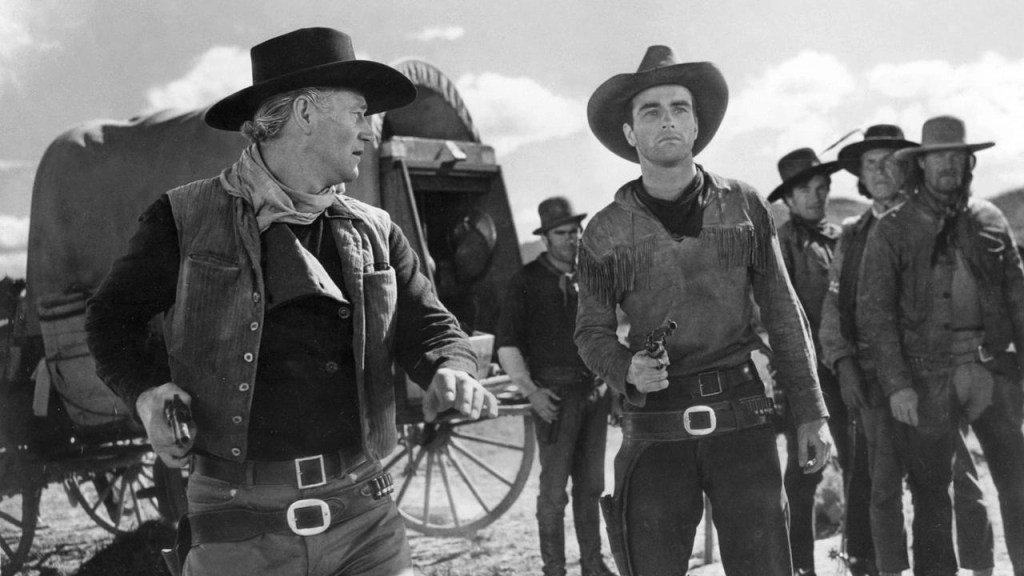
5. Red River (1948)
Genre: Western
6. To Have and Have Not (1944)
Genre: Film Noir, Drama, Romance

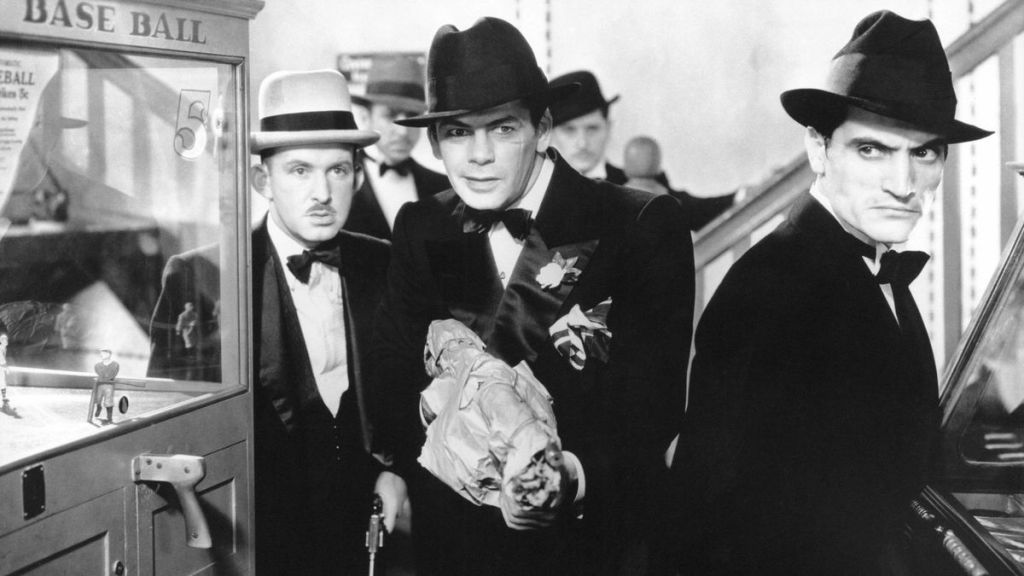
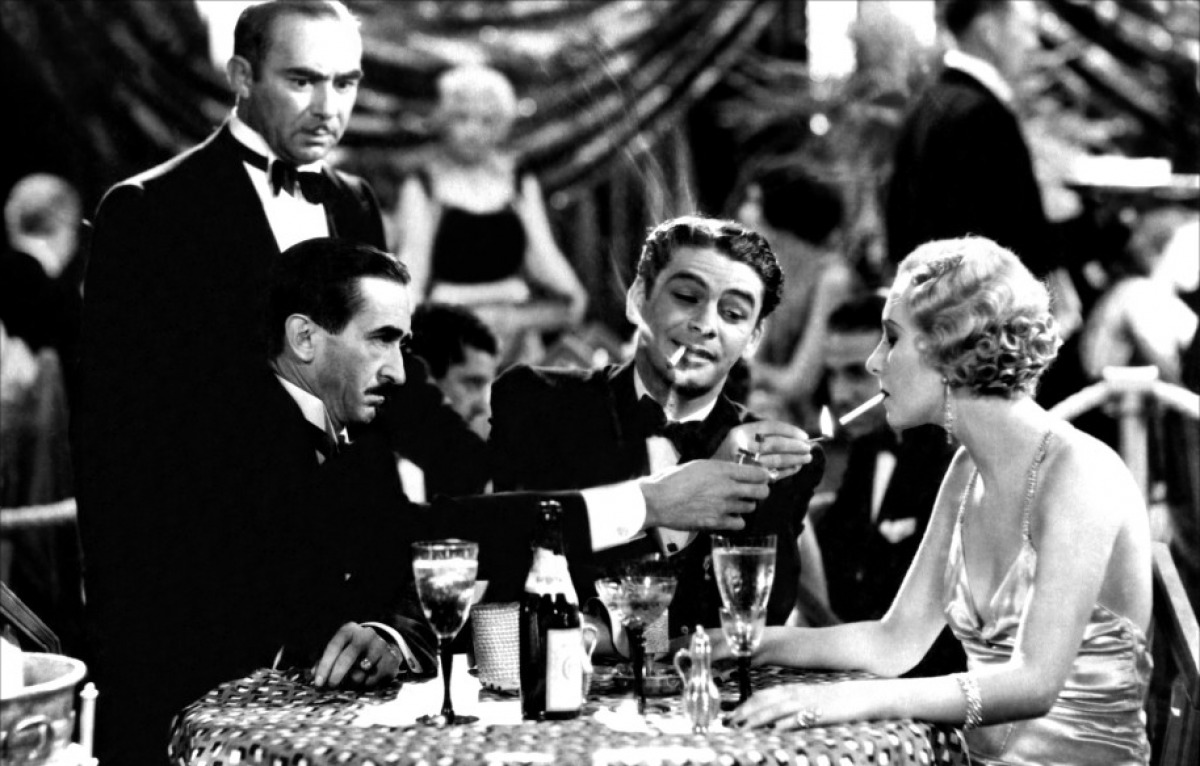
7. Scarface (1932)
Genre: Gangster Film, Drama
8. Only Angels Have Wings (1939)
Genre: Adventure, Drama, Romance, Buddy

9. Ball of Fire (1941)
Genre: Screwball Comedy, Crime

10. El Dorado (1966)
Genre: Western

Howard Hawks: Themes and Style
Themes:
- Professionalism and Competence: In many of Hawks’s films, characters often exemplify a high degree of professionalism and dedication to their craft. For instance, in Only Angels Have Wings, the pilots showcase commitment and expertise in the face of danger.
- Male Camaraderie: Many of Hawks’s films depict deep, platonic relationships between men. Rio Bravo showcases this theme with the bond between the sheriff and his deputies.
- Strong Female Characters: Hawks frequently featured strong, independent female leads. Characters like Hildy Johnson in His Girl Friday challenge societal norms of femininity.
- Morality and Ethics: Personal integrity and moral dilemmas often underpin the narratives of Hawks’s films. Scarface, for example, delves into the dark underbelly of crime, shedding light on the moral compromises of its characters.
Styles:
- Rapid-fire Dialogue: Hawks is known for his use of fast-paced, overlapping dialogue. His Girl Friday is a quintessential example, with its quick-witted exchanges that demand audience attention.
- Genre Versatility: Hawks was proficient across various genres, from screwball comedies like Bringing Up Baby to gritty noirs like The Big Sleep. This versatility distinguishes his filmmaking style.
- Economy of Expression: Hawks often used understated, subtle expressions and actions to convey deep emotions. This is evident in To Have and Have Not, where subtle glances and gestures reveal complex relationships.
- Ensemble Casts: Many of his films employed an ensemble cast, emphasising the interplay between multiple characters. The interactions among the group in Rio Bravo demonstrate this style effectively.
Directorial Signature:
- Realism and Authenticity: Hawks often sought to depict a realistic environment, whether it’s the world of newspaper reporting in His Girl Friday or the aviation industry in Only Angels Have Wings. His commitment to authenticity was unwavering.
- Adaptable Aesthetics: While having a consistent thematic core, Hawks’s visual aesthetics were flexible depending on the genre he was working in. The noir shadows of The Big Sleep contrast with the brighter tones of Bringing Up Baby.
- Recurring Collaborators: Hawks often worked with the same actors across multiple films, creating a unique rapport and on-screen chemistry. Cary Grant, for instance, starred in several of Hawks’s productions.
- Subversion of Expectations: Hawks enjoyed playing with audience expectations. His screwball comedies, for instance, would often subvert traditional romantic tropes, offering refreshing, unconventional narratives.
Howard Hawks: The 12th Greatest Director



 Bronze Screen Dream