
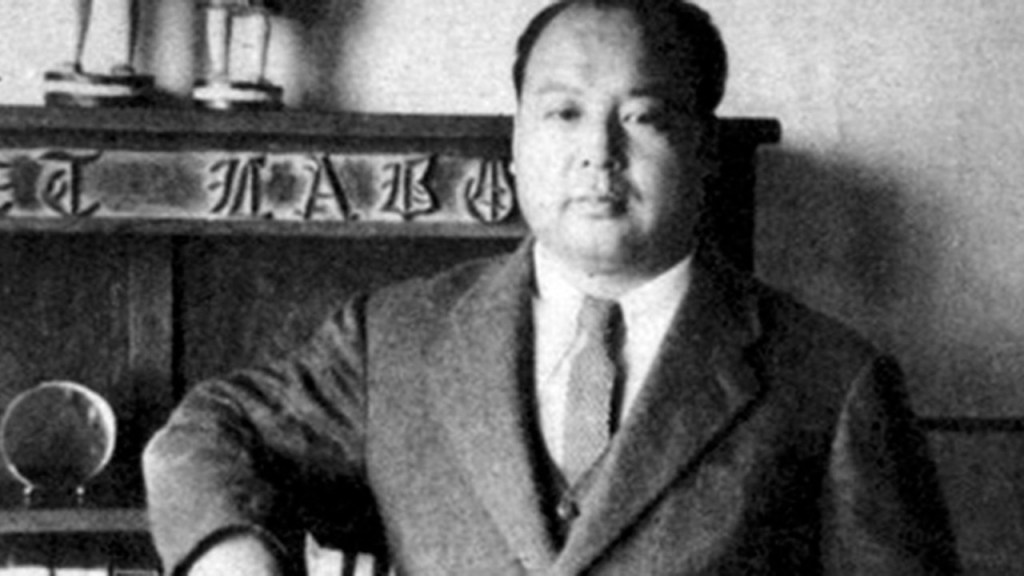
Hiroshi Shimizu was a Japanese filmmaker best known for his prolific output during the early to mid-20th century. His films are often celebrated for their nuanced portrayals of everyday people and the gentle, lyrical manner in which they unfold. Shimizu’s cinematic works are frequently highlighted for their subtle commentary on societal norms, human relationships, and the changing face of Japan during his era.
One of the ways Shimizu’s films stood out in the 1930s was his innovative use of location shooting, which was relatively rare in Japanese filmmaking at the time. This technique allowed him to infuse his narratives with a sense of authenticity and immediacy, capturing the scenic beauty of Japan and the genuine interactions among his characters. Films such as Ornamental Hairpin benefitted greatly from this approach, with their stories being enhanced by the natural backdrops against which they unfolded. Shimizu’s preference for long takes and a dynamically moving camera further contributed to the naturalistic feel of his work, making viewers feel as though they were part of the unfolding scenes.
The subjects of Shimizu’s films often included children, travellers, and individuals living on the fringes of society. He portrayed their journeys and encounters with a compassionate lens, highlighting their resilience in the face of adversity. The director’s ability to explore the complexities of human relationships and emotions without resorting to melodrama sets his work apart. Instead, Shimizu opted for a more subtle and nuanced exploration of these themes, allowing the inherent strength and kindness of his characters to emerge naturally.
Shimizu’s casting choices also played a crucial role in the authenticity of his narratives. By blending non-professional actors with experienced performers, he was able to elicit genuine and compelling portrayals of character and emotion. This blend of acting talent helped to blur the lines between reality and fiction, making the stories more relatable and engaging for the audience.
Moreover, Shimizu’s films often carried a gentle satirical undertone, through which he commented on the ironies and intricacies of life. This subtle critique, combined with his observational style, lent a unique charm and depth to his work, making it resonate with audiences on multiple levels. Despite his relatively lesser international recognition compared to his contemporaries like Yasujirō Ozu, Shimizu’s work is an essential contribution to the pantheon of classic Japanese cinema, offering viewers a sensitive, insightful gaze into the lives of ordinary people navigating the complexities of life.
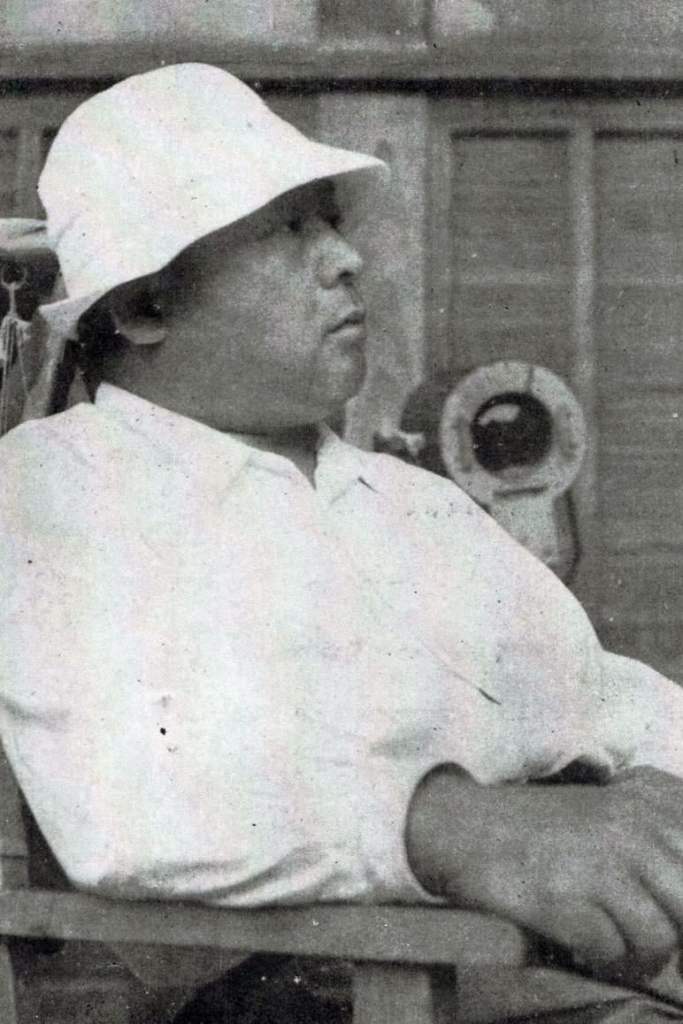
Hiroshi Shimizu (1903 – 1966)
Calculated Films:
- Mr Thank You (1936)
- The Masseurs and a Woman (1948)
- Ornamental Hairpin (1941)
- Children of the Beehive (1948)
Similar Filmmakers
- Heinosuke Gosho
- Hirokazu Koreeda
- Hiroshi Inagaki
- Juzo Itami
- Kajiro Yamamoto
- Keisuke Kinoshita
- Kenji Mizoguchi
- Kon Ichikawa
- Koreyoshi Kurahara
- Kozaburo Yoshimura
- Masaki Kobayashi
- Mikio Naruse
- Sadao Yamanaka
- Tadashi Imai
- Tomu Uchida
- Yasujiro Ozu
- Yoji Yamada
- Yoshitaro Nomura


Hiroshi Shimizu’s Top 5 Films Ranked
1. Mr Thank You (1936)
Genre: Drama, Road Movie, Slice of Life

2. Children of the Beehive (1948)
Genre: Drama, Road Movie, Slice of Life

3. The Masseurs and a Woman (1938)
Genre: Drama, Slice of Life

4. Children in the Wind (1937)
Genre: Drama, Comedy

5. Four Seasons of Children (1939)
Genre: Drama, Slice of Life

Hiroshi Shimizu: Themes and Style
Themes:
- Everyday Life and Common People: Shimizu often centred his narratives around ordinary individuals, reflecting the daily lives, aspirations, and struggles of common people, creating a relatable tapestry of human experiences.
- Children and Youth: A considerable number of his films focus on children and young adults. He meticulously explored their innocence, curiosity, and distinctive viewpoint, crafting narratives that were both poignant and observant.
- Travel and Journey: Many of Shimizu’s works incorporate travel as a significant theme, serving both as a metaphor for life’s journey and as a tool for character development and storytelling.
- Societal Commentary: Implicit in his films is the subtle critique and reflection of contemporary societal norms, values, and the socio-economic landscape of Japan, particularly during the pre and post-WWII era.
Styles:
- Naturalistic Approach: His storytelling leaned towards realism, often with a documentary feel. Shimizu favoured natural lighting and on-location shooting to enhance the authenticity and atmosphere of his films.
- Long Takes and Deep Focus: Shimizu was known for his long takes and deep focus shots, allowing audiences to immerse themselves in the environment while also paying attention to the characters’ emotions and interactions.
- Minimalism: His films often embraced a minimalist aesthetic, with straightforward, unembellished dialogue and restrained use of music, underscoring the quiet subtleties of life and relationships.
- Improvisation: Shimizu encouraged a degree of improvisation amongst his actors, aiming to capture spontaneous, genuine moments that contributed to the films’ overall naturalism.
Directorial Signature:
- Intuitive Storytelling: Hiroshi Shimizu possessed an intuitive grasp of narrative flow, gently guiding the audience through the storyline with a subtle hand. His storytelling was not aggressive or imposing but rather reflective and contemplative.
- Empathy for Characters: Shimizu’s films often exuded a deep compassion for his characters, regardless of their age, social status, or circumstances. This empathetic lens allowed for a nuanced exploration of human nature and relationships.
- Visual Poetry: With a keen eye for composition and visual expression, Shimizu crafted scenes that were poetically charged, balancing between aesthetic beauty and emotional depth.
- Subtle Humor: His films incorporated humour subtly, often emerging naturally from character interactions and everyday situations, adding a layer of warmth and relatability to his work.
Hiroshi Shimizu – Great Director


 Bronze Screen Dream