

Hiroshi Inagaki was a Japanese filmmaker who made significant contributions to the golden age of Japanese cinema. He is best known for his epic samurai films, which often explored themes of loyalty, honour, and the human condition. Inagaki’s films are celebrated for their stunning visuals, intricate storytelling, and powerful performances.
Throughout his career, Inagaki worked with some of the most prominent actors and actresses in Japan, including Toshiro Mifune, Koji Tsuruta, and Machiko Kyo. He began his career in the silent film era and successfully transitioned to sound films, directing over 100 movies spanning various genres. However, it was his samurai films that garnered him international recognition, particularly his Samurai Trilogy (1954-1956), which chronicled the life of the legendary swordsman Miyamoto Musashi.
Inagaki’s films often delved into the complexities of human relationships, particularly those between master and disciple, as seen in movies like The Rickshaw Man and Chushingura. He had a keen eye for capturing the beauty of the Japanese landscape, using it as a backdrop to enhance the emotional depth of his stories. Inagaki’s approach to filmmaking was meticulous, with a strong emphasis on historical accuracy and authentic period details.
One of the unique aspects of Inagaki’s work was his ability to seamlessly blend action and drama. His samurai films were known for their thrilling sword fights, but they also explored the characters’ psychological and emotional struggles. In the Samurai Trilogy, Inagaki delved into Miyamoto Musashi’s personal growth and spiritual journey, showcasing the director’s skill in creating multi-dimensional characters. Inagaki’s films often featured strong moral messages, emphasising the importance of perseverance, self-discipline, and the pursuit of one’s true path in life.

Hiroshi Inagaki (1905 – 1980)
Calculated Films:
- Samurai III: Duel at Ganryu Island (1956)
Similar Filmmakers
- Akira Kurosawa
- Daisuke Ito
- Eiichi Kudo
- Eisuke Takizawa
- Hideo Gosha
- Kazuo Ikehito
- Kazuo Mori
- Kenji Mizoguchi
- Kihachi Okamoto
- Kon Ichikawa
- Kosaku Yamashita
- Masaki Kobayashi
- Sadao Yamanaka
- Tokuzo Tanaka
- Tomotaka Tasaka
- Tomu Uchida
- Yasujiro Ozu
- Yoji Yamada


Hiroshi Inagaki’s Top 5 Films Ranked
1. Samurai II: Duel at Ichijoji Temple (1955)
Genre: Jidaigeki, Chambara

2. Samurai III: Duel at Ganryu Island (1956)
Genre: Jidaigeki, Chambara

3. Samurai I: Musashi Miyamoto (1954)
Genre: Jidaigeki, Chambara
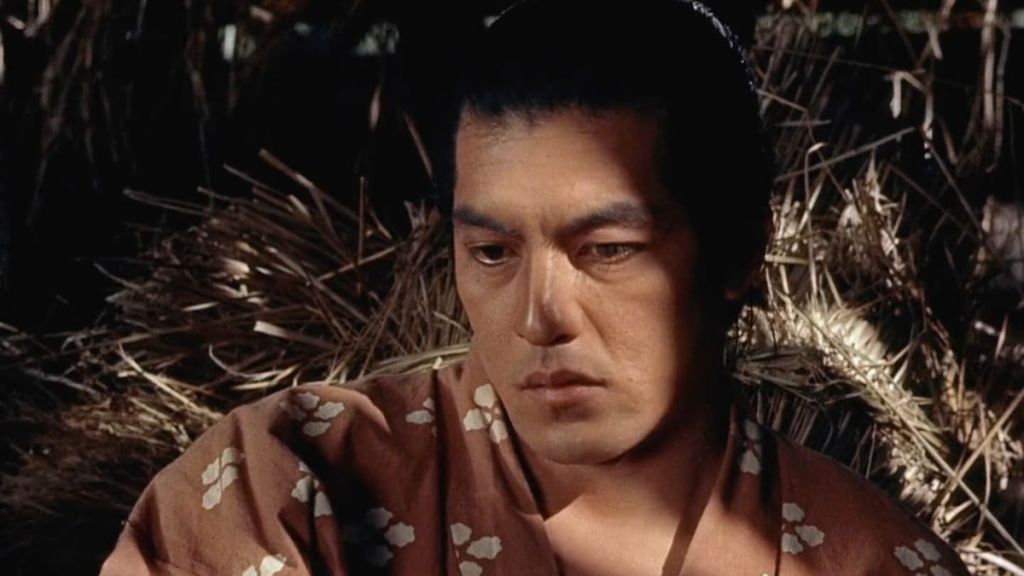
4. 47 Ronin (1962)
Genre: Jidaigeki
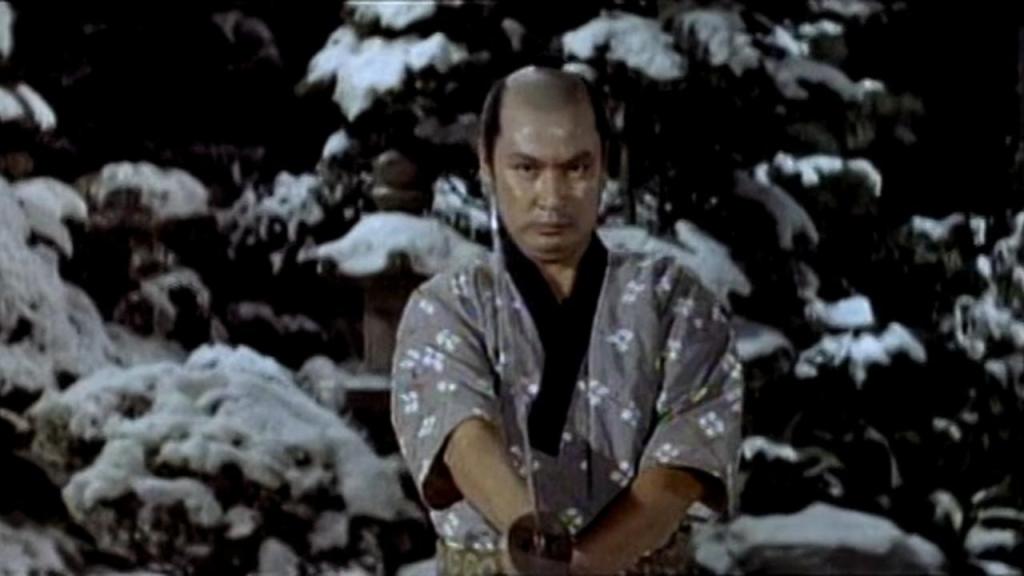
5. The Rickshaw Man (1958)
Genre: Drama, Romance
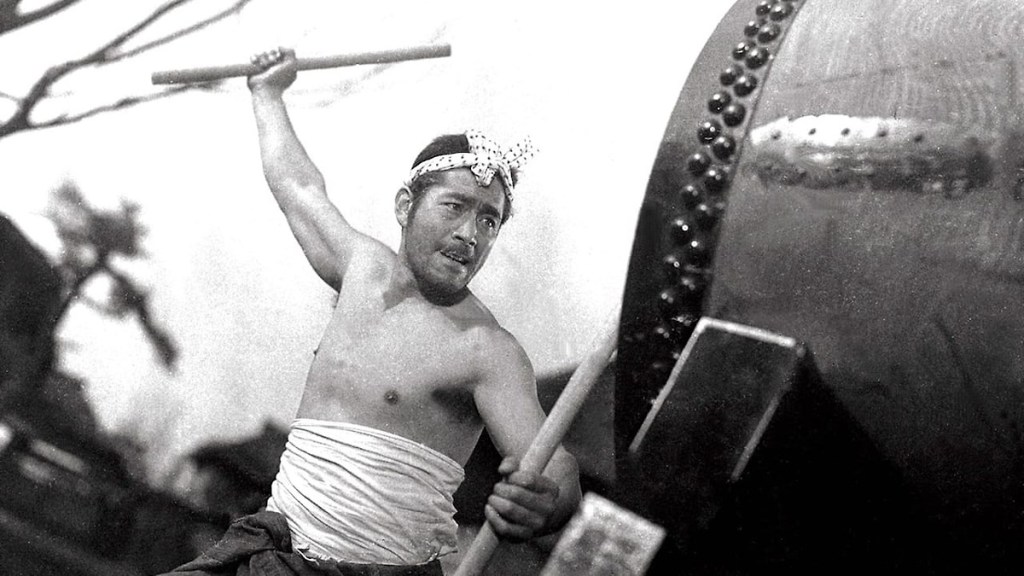
Hiroshi Inagaki: Themes and Style
Themes:
- Samurai Code and Honor: Inagaki frequently explored the bushido code, focusing on the spiritual and moral dilemmas faced by samurai. In films like the Samurai Trilogy, he delves into the internal struggles of his characters as they navigate honour, duty, and personal desires, presenting a nuanced view of the samurai’s life beyond mere physical prowess.
- Historical Epics and National Identity: His works often reflect on Japanese history and identity, using the past as a backdrop for broader reflections on Japan’s place in the world. Films such as Chushingura showcase pivotal moments in Japanese history, emphasising themes of loyalty, sacrifice, and the collective spirit of the Japanese people.
- Humanism and Personal Growth: Inagaki’s films, including Rickshaw Man, frequently feature protagonists undergoing significant personal growth. These narratives highlight human resilience and the capacity for change, often set against the challenges of societal constraints or personal hardship.
- Nature and Environment: The natural world plays a crucial role in setting the tone and context of Inagaki’s stories. He uses nature not just as a backdrop but as a character that reflects, influences and interacts with the human characters. This is seen in the scenic landscapes of the Samurai Trilogy, which mirror the protagonist’s internal journey.
Styles:
- Vivid Cinematography: Inagaki was known for his vibrant use of colour and sweeping landscapes, which helped to immerse the audience in the story’s setting. His films, like the Samurai Trilogy, are visually striking, using colour and composition to enhance the narrative and emotional impact.
- Epic Storytelling: Inagaki’s style is marked by a grand scale of storytelling, often involving large casts, extensive sets, and complex narratives. His historical epics, such as Chushingura, are characterised by their detailed recreation of historical events and settings, offering a cinematic experience that is both grandiose and immersive.
- Character-Driven Drama: Despite the epic scope of his films, Inagaki maintained a strong focus on character development and interpersonal relationships. His ability to balance large-scale historical narratives with intimate character studies is evident in films like Rickshaw Man, where personal stories unfold against broader societal backdrops.
- Dynamic Action Sequences: Inagaki’s samurai films, in particular, are noted for their dynamic and stylised action sequences. He had a distinctive approach to choreographing sword fights and battle scenes, blending realism with a theatrical flair that heightened the drama and excitement without overshadowing the story’s emotional core.
Directorial Signature:
- Integration of Theater and Cinema: Inagaki’s direction often reflected his background in theatre, integrating theatrical elements into his cinematic works. This is evident in his deliberate pacing, expressive performances, and how he stages scenes, creating a unique blend of cinematic storytelling with a theatrical sensibility.
- Moral Complexity: A hallmark of Inagaki’s direction is the portrayal of characters with complex moral landscapes. He eschewed one-dimensional heroes and villains in favour of characters who embody the contradictions and complexities of real human nature, as seen in the conflicted samurai of the Samurai Trilogy.
- Cultural Fusion: Inagaki’s films showcase a fusion of Eastern and Western storytelling techniques and aesthetics, making his work accessible and appealing to a global audience. This blend is particularly evident in his adaptation of traditional Japanese stories for broader audiences, as in the Samurai Trilogy, which combines the depth of Japanese history with the universal appeal of the hero’s journey.
- Philosophical Depth: Inagaki’s films are imbued with a sense of philosophical inquiry. They often explore themes of existence, destiny, and morality. His narrative style invites viewers to reflect on the deeper meanings behind the action and drama.
Hiroshi Inagaki – Great Director



 Bronze Screen Dream