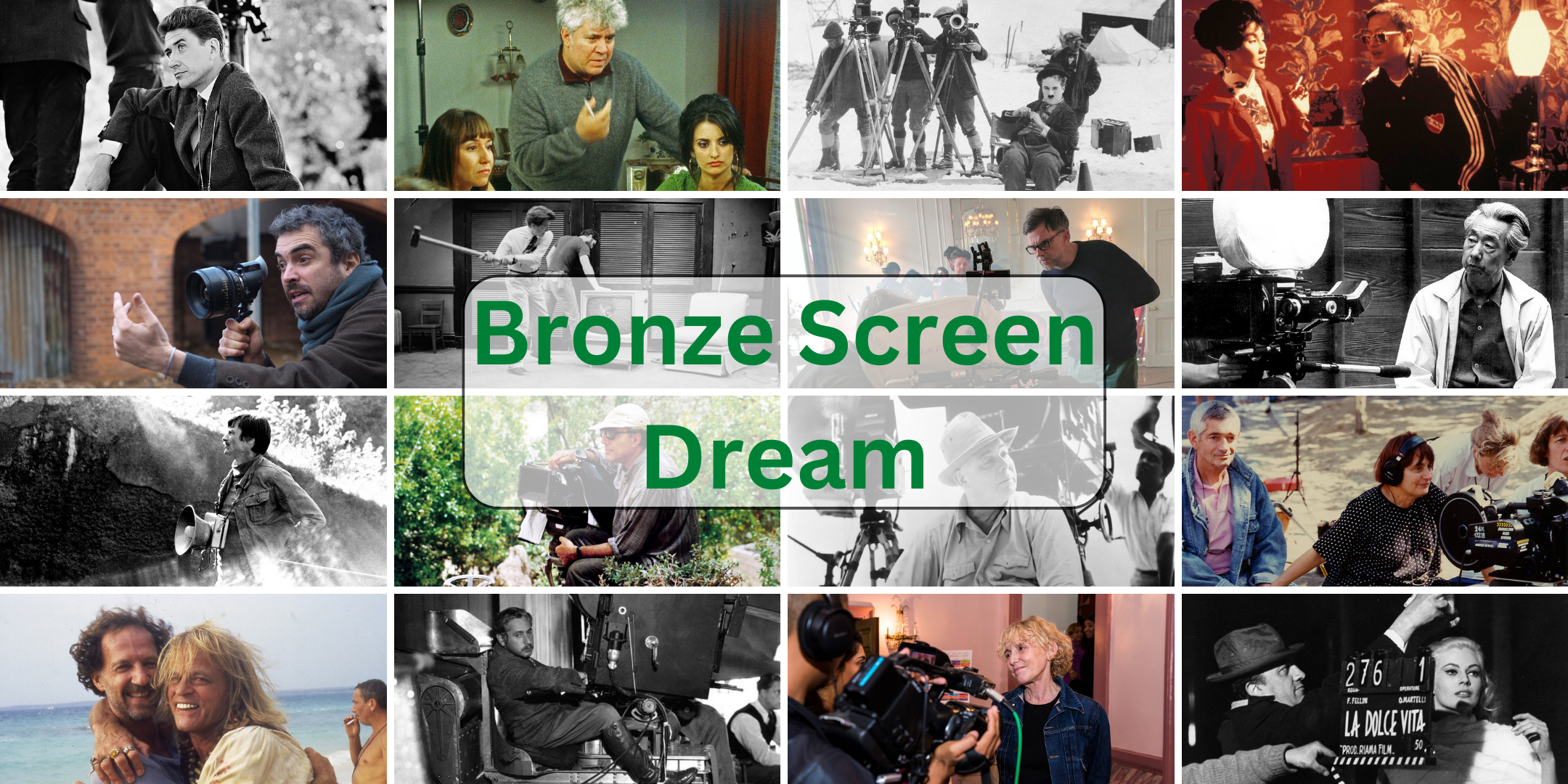

Hideaki Anno is a Japanese director best known for his work in anime, especially his groundbreaking anime series Neon Genesis Evangelion. His work spans various genres, but he’s particularly recognised for his explorations in science fiction and his unique take on the “mecha” (giant robots) genre.
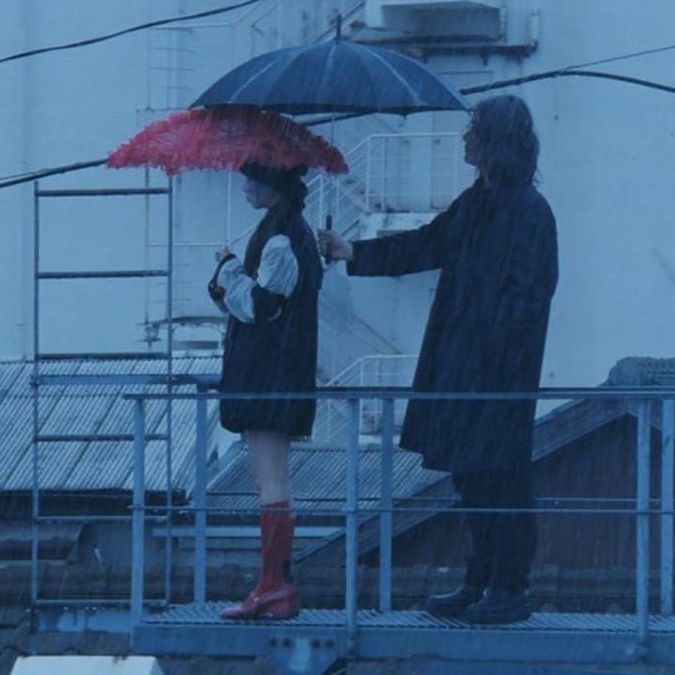
Anno’s work often explores themes of existential anxiety, societal alienation, and the complexities of the human psyche. His characters are psychologically layered, frequently dealing with self-identity issues and mental health struggles. For instance, in Love & Pop, Anno explores the darker corners of contemporary youth culture in Tokyo, portraying the emotional struggles of a group of teenage girls involved in ‘compensated dating.’ Similarly, in Shiki-Jitsu, Anno delves into mental health, using a non-linear narrative to depict the subjective reality of a character suffering from depression.
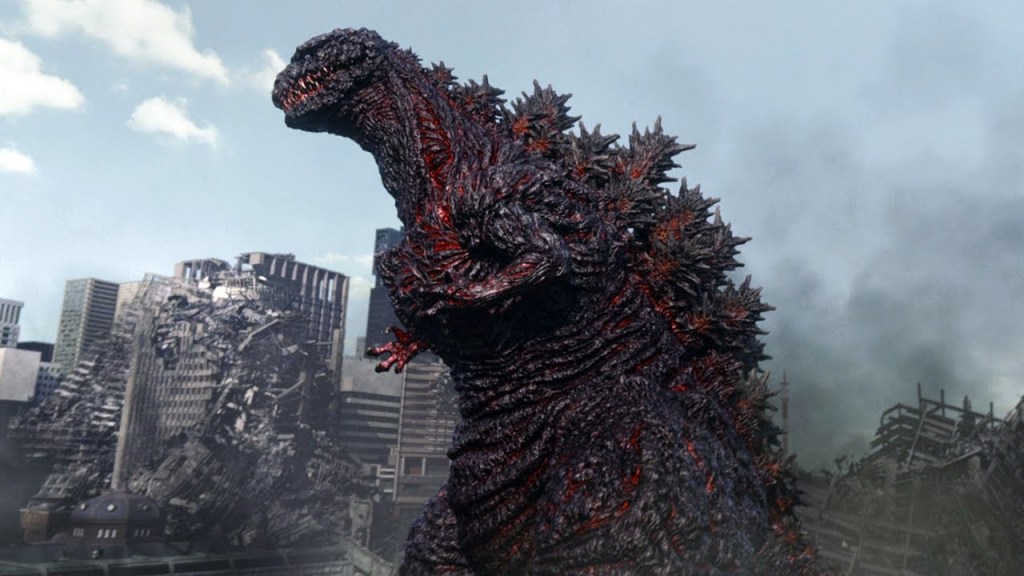
Anno’s style is marked by meticulous detail and innovative camera work. He often experiments with visual form, challenging traditional narrative structures and anime tropes. For instance, in Shin Godzilla, Anno employs rapid cuts and unconventional camera angles to enhance the dramatic tension and create a sense of immediacy. His use of religious and philosophical symbolism and bold narrative choices leads to an immersive and thought-provoking cinematic experience.
Hideaki Anno’s bold approach to storytelling, innovative visual style, and exploration of complex themes have significantly influenced the anime genre, pushing its boundaries and raising its potential as a medium for deep psychological and societal exploration. Anno’s courage to confront challenging themes and relentless pursuit of innovative storytelling techniques make him a unique and transformative figure in animation and beyond.

Hideaki Anno (1960 –)
Calculated Films:
- The End of Evangelion (1997)
- Love & Pop (1998)
- Shiki-Jitsu (2000)
- Evangelion 3.0+1.0 Thrice Upon a Time (2021)
Similar Filmmakers
- Akiyuki Shinbo
- Darren Aronofsky
- David Lynch
- Isao Takahata
- Katsuhiro Otomo
- Kazuya Tsurumaki
- Kunihiko Ikuhara
- Makoto Shinkai
- Mamoru Hosoda
- Mamoru Oshii
- Masaaki Yuasa
- Ryuhei Kitamura
- Satoshi Kon
- Shin’ya Tsukamoto
- Sion Sono
- Takeshi Miike
- Tetsuya Nakashima
- Yoshiyuki Tomino

Hideaki Anno’s Top 10 Works Ranked
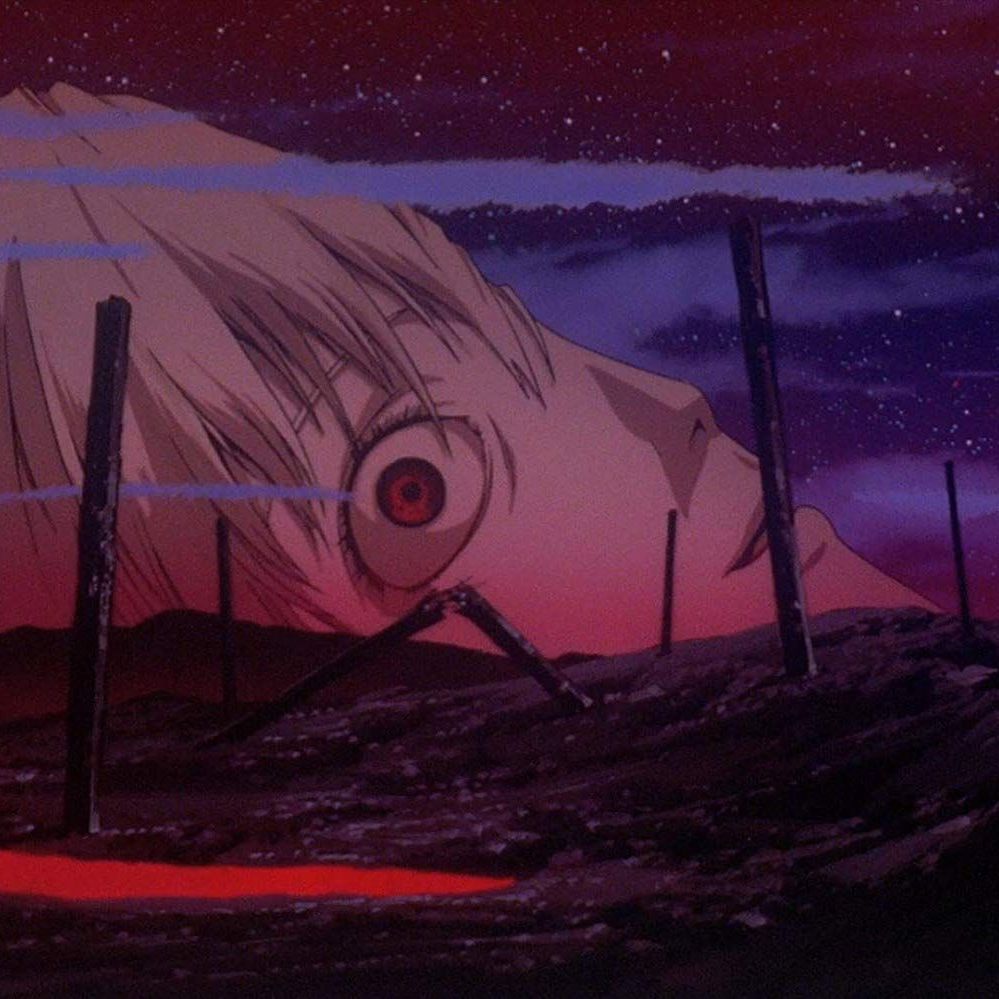
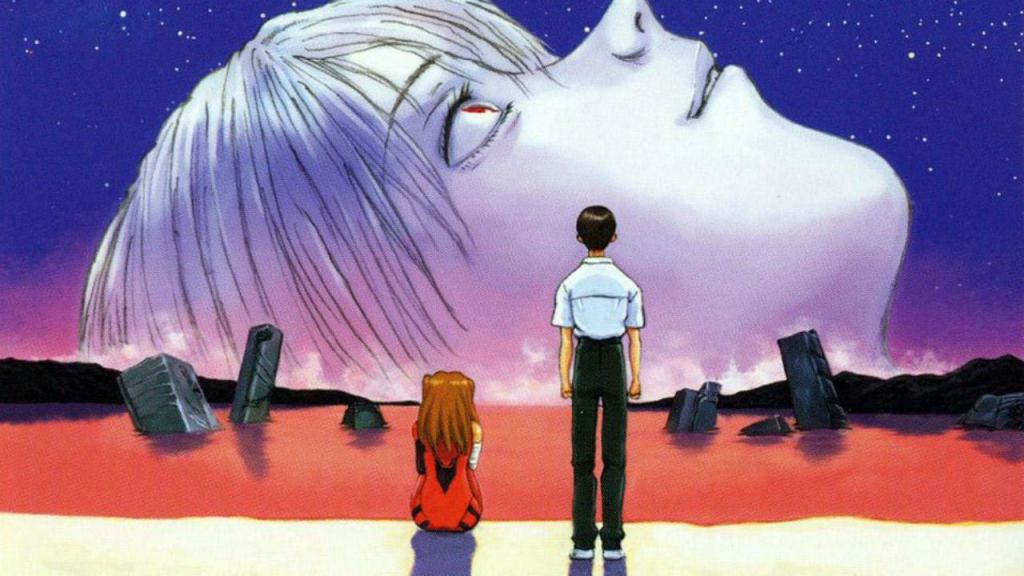
1. The End of Evangelion (1997)
Genre: Psychological Drama, Anime, Mecha, Post-Apocalypse, Surrealism, Disaster
2. Evangelion: 3.0+1.0 Thrice Upon a Time (2021)
Genre: Anime, Mecha, Post-Apocalypse, Psychological Drama, Action, Coming-of-Age
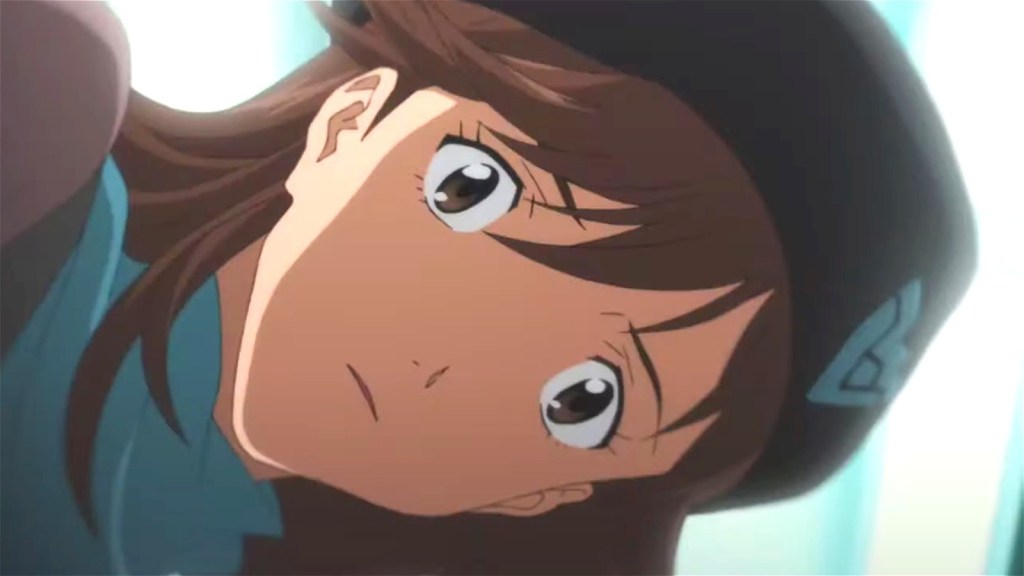
3. Ritual (2000)
Genre: Psychological Drama, Romance
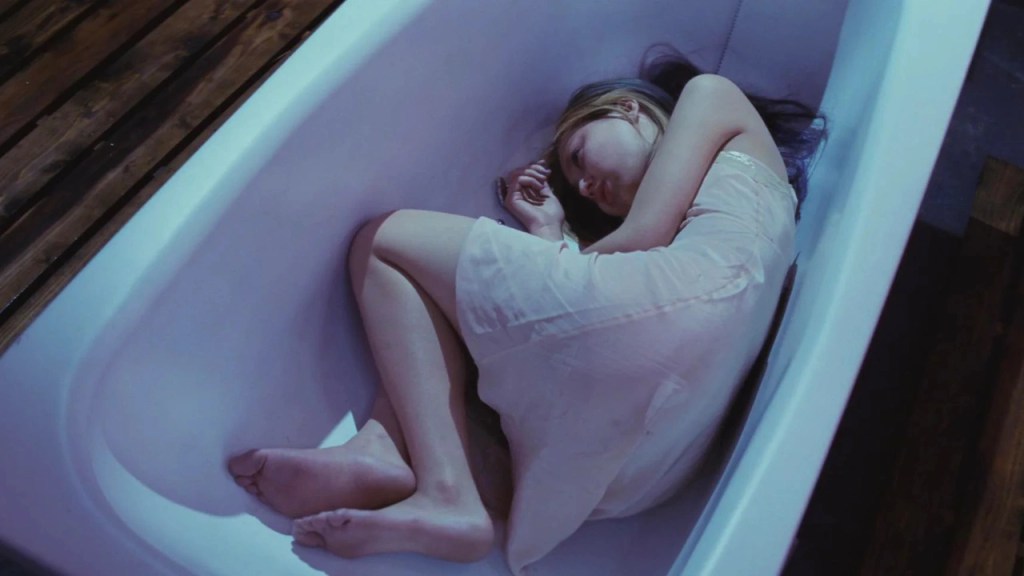
4. Neon Genesis Evangelion (1995)
Genre: TV Series
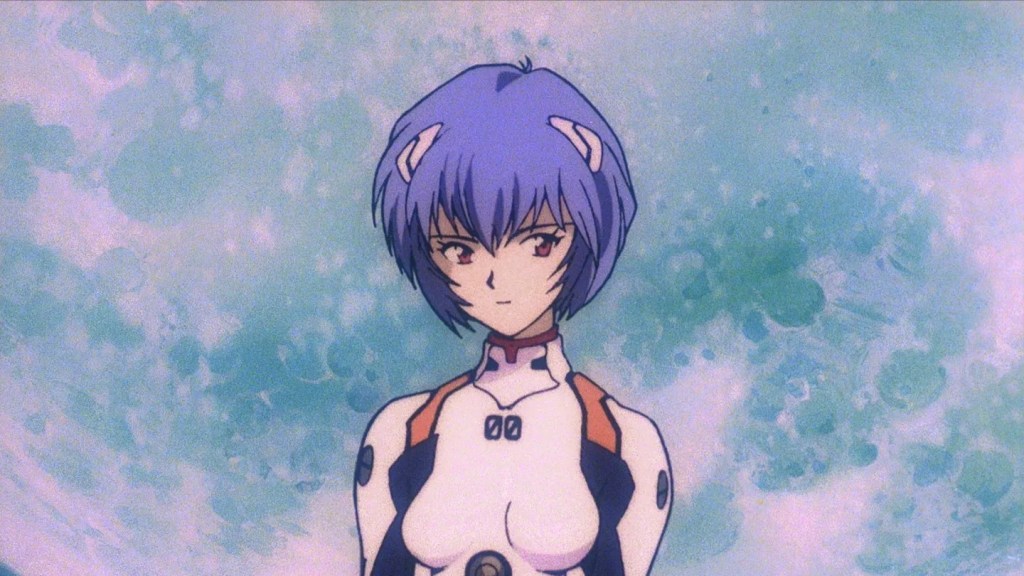
5. Evangelion: 2.0 You Can (Not) Advance (2009)
Genre: Mecha, Action, Anime, Psychological Drama
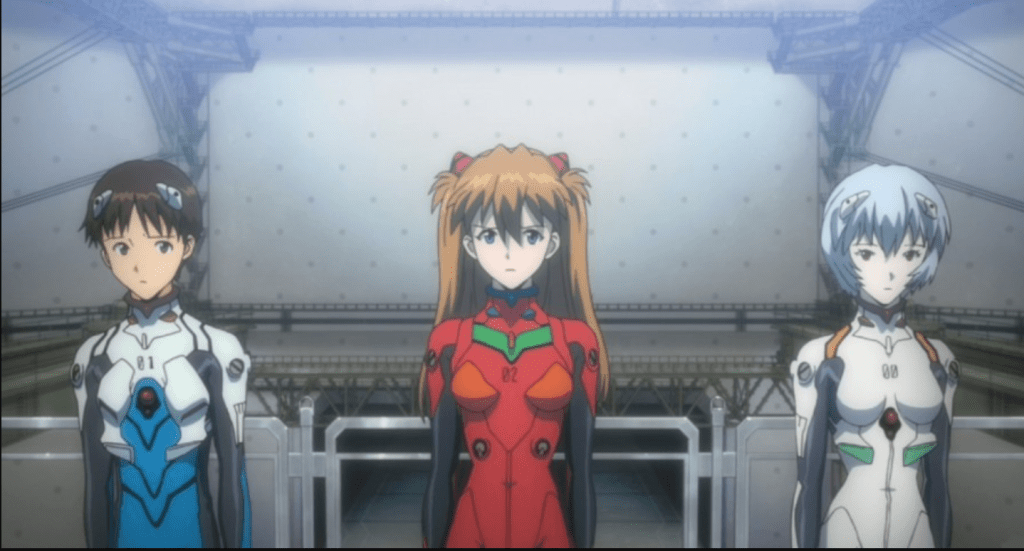
6. Love & Pop (1998)
Genre: Coming-of-Age, Drama

7. Shin Godzilla (2016)
Genre: Political Thriller, Disaster, Sci-Fi, Giant Monster, Kaiju
8. Gunbuster (1988)
Genre: TV Series

9. Evangelion: 1.0 You Are (Not) Alone (2007)
Genre: Mecha, Action, Anime, Giant Monster, Alien Invasion
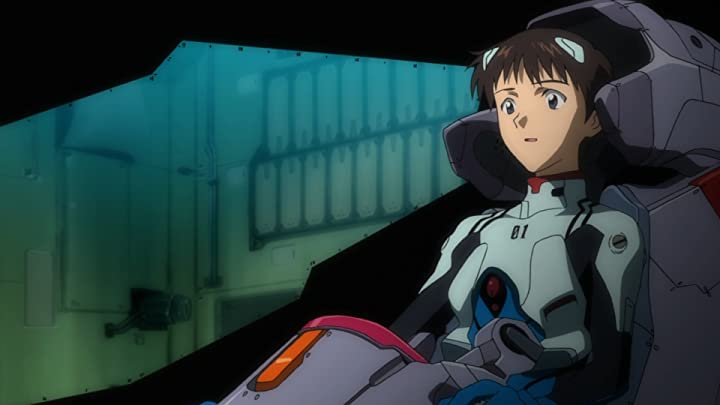
10. Neon Genesis Evangelion: Death and Rebirth (1997)
Genre: Mecha, Psychological Drama, Anime, Coming-of-Age, Giant Monster

Hideaki Anno: Themes and Style
Themes:
- Human Isolation & Loneliness: Anno delves into the depths of human emotions, particularly the feelings of loneliness and the struggle to connect with others. This theme is evident in works like Neon Genesis Evangelion, where characters grapple with their traumas and seek understanding.
- Depression & Mental Struggles: Anno’s personal battles with depression have influenced his storytelling, leading to narratives that explore the human psyche’s darker realms and mental health challenges.
- Apocalyptic Scenarios: Many of Anno’s works feature cataclysmic events, representing both external threats and internal emotional turmoil.
- Teenage Angst & Growing Pains: His stories often centre around adolescents confronting societal expectations, personal insecurities, and the challenges of coming of age.
- Critique of Otaku Culture: Anno often presents a meta-commentary on obsessive fan culture and its potential pitfalls.
Styles:
- Unique Mecha Designs: Anno redefined the “mecha” genre. His giant robots, particularly in Evangelion, are symbolic, deeply emotional entities rather than just tools of war.
- Complex Narratives: His stories often have multi-layered plots that interweave personal, societal, and existential challenges, leading to open-ended conclusions that encourage viewer interpretations.
- Visual Experimentation: Anno is known for his creative use of animation techniques, including abstract imagery, rapid cuts, and symbolic visuals that convey characters’ psychological states.
- Mix of Genres: While rooted in science fiction, Anno’s works blend various genres, from drama and action to psychological thriller and even slice-of-life.
Directorial Signature:
- Introspection: Anno’s characters often undergo deep reflection, portrayed through monologues, internal dialogues, or visual representations of their psyche.
- Cinematic References: Anno frequently pays homage to other films or genres, be it from Japanese tokusatsu films or iconic scenes from worldwide cinema.
- Contrast in Tone: His works often juxtapose moments of mundane daily life with intense, emotionally charged sequences, highlighting the human experience’s dichotomies.
- Iconic Shots: Anno’s directorial style is replete with memorable shots, such as the silhouetted cross in Evangelion or the use of striking colour palettes to convey emotion.
- Breaking the Fourth Wall: He occasionally engages in meta-storytelling, making viewers question their role as spectators or challenging their expectations of the medium.
- Recurring Imagery: Symbols like crosses, religious references, and motifs related to the human heart appear throughout his works, enhancing the narratives’ depth.
Hideaki Anno: The 190th Greatest Director



 Bronze Screen Dream