
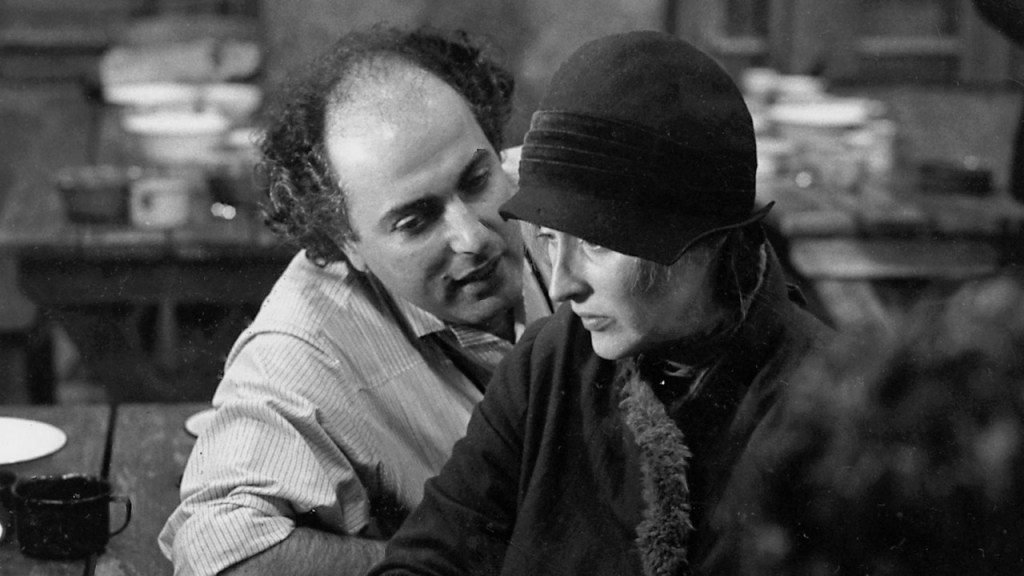
Hector Babenco was an acclaimed Brazilian-Argentine filmmaker widely recognised for his powerful and thought-provoking films that often delved into the lives of marginalised individuals and communities. His works, such as Pixote and Kiss of the Spider Woman, garnered international recognition for their raw, realistic portrayals of social issues and the human condition.
Throughout his career, Babenco directed numerous films that left a lasting impact on world cinema. His breakthrough came with the release of Pixote in 1981, which depicted the harsh realities faced by street children in Brazil. The film’s success led to further opportunities, including the chance to direct Kiss of the Spider Woman in 1985, which earned lead actor William Hurt an Academy Award for Best Actor. Babenco’s ability to tackle challenging subjects with sensitivity and depth continued to be evident in his later works, such as Carandiru and My Hindu Friend.
Babenco’s films often explored themes of identity, oppression, and the struggles of those on the fringes of society. He had a keen eye for capturing the raw emotions and experiences of his characters, creating compelling narratives that resonated with audiences worldwide. His films frequently addressed social and political issues, shedding light on the injustices and inequalities prevalent in Latin American societies. Babenco’s approach to filmmaking was characterised by his commitment to authenticity and his ability to elicit powerful performances from his actors.
Visually, Babenco’s films were known for their gritty realism and unflinching depictions of harsh realities. He often employed a documentary-like style, using handheld cameras and natural lighting to create a sense of immediacy and intimacy. This approach allowed him to immerse the audience in the worlds of his characters, making their struggles and triumphs all the more palpable.

Hector Babenco (1946 – 2016)
Calculated Films:
- Pixote (1980)
Similar Filmmakers
- Alejandro G. Inarritu
- Alfonso Cuaron
- Amat Escalante
- Anna Muylaert
- Andrucha Waddington
- Claudio Assis
- Fabian Bielinsky
- Fernando Meirelles
- Kleber Mendonca Filho
- Lais Bodanzky
- Lucia Murat
- Luis Puenzo
- Rainer Werner Fassbinder
- Rodrigo Garcia
- Ruy Guerra
- Sebastian Lelio
- Tomas Gutierrez Alea
- Walter Salles
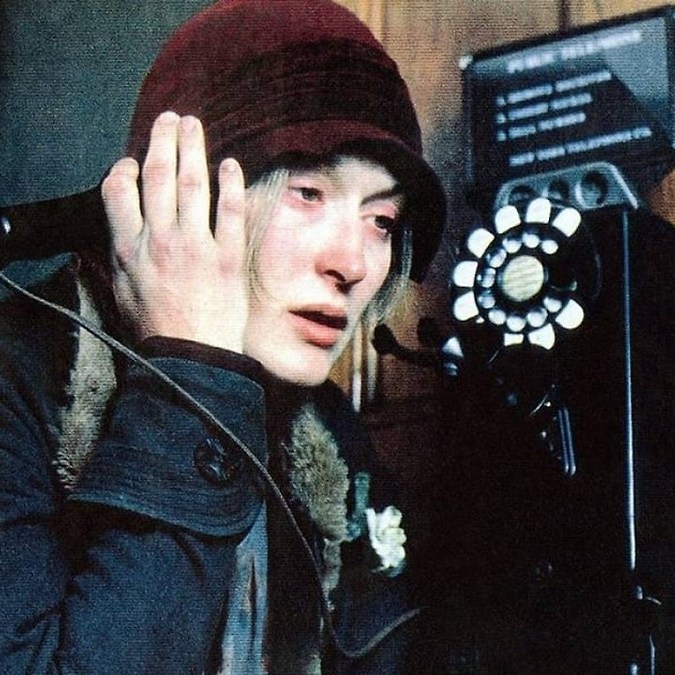


Hector Babenco’s Top 5 Films Ranked
1. Pixote (1980)
Genre: Drama, Crime, Coming-of-Age
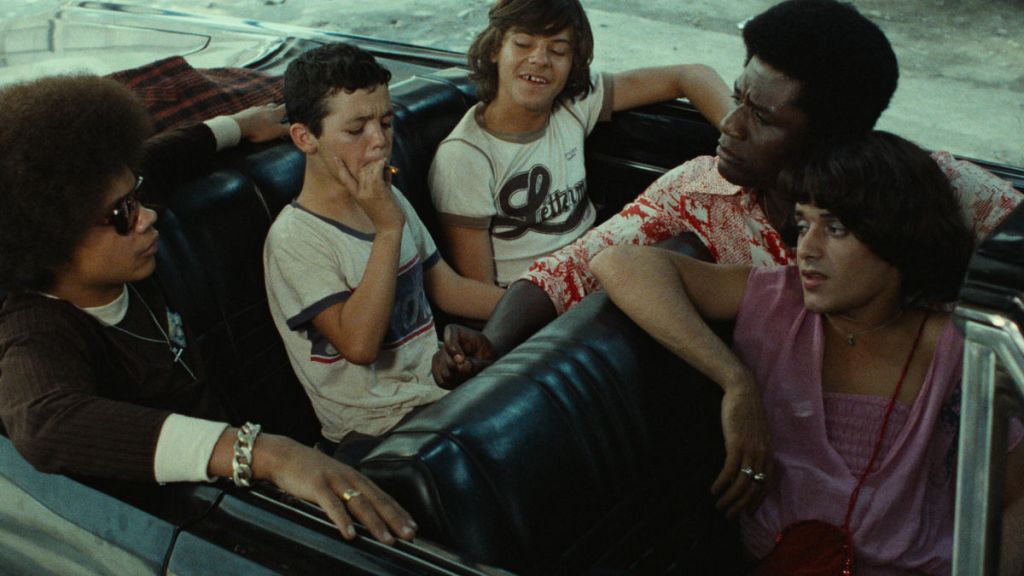
2. Carandiru (2003)
Genre: Prison Film, Drama, Crime
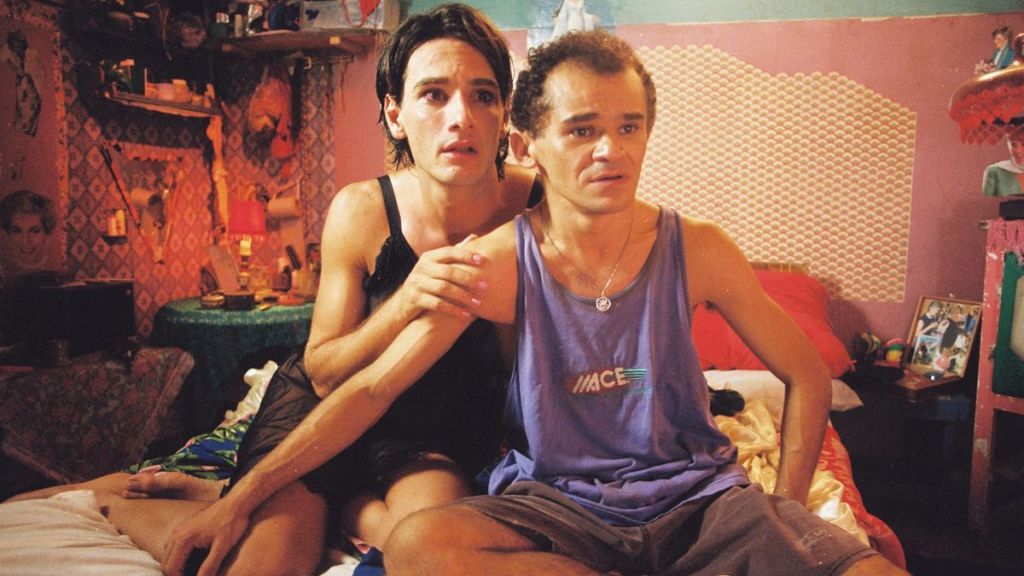
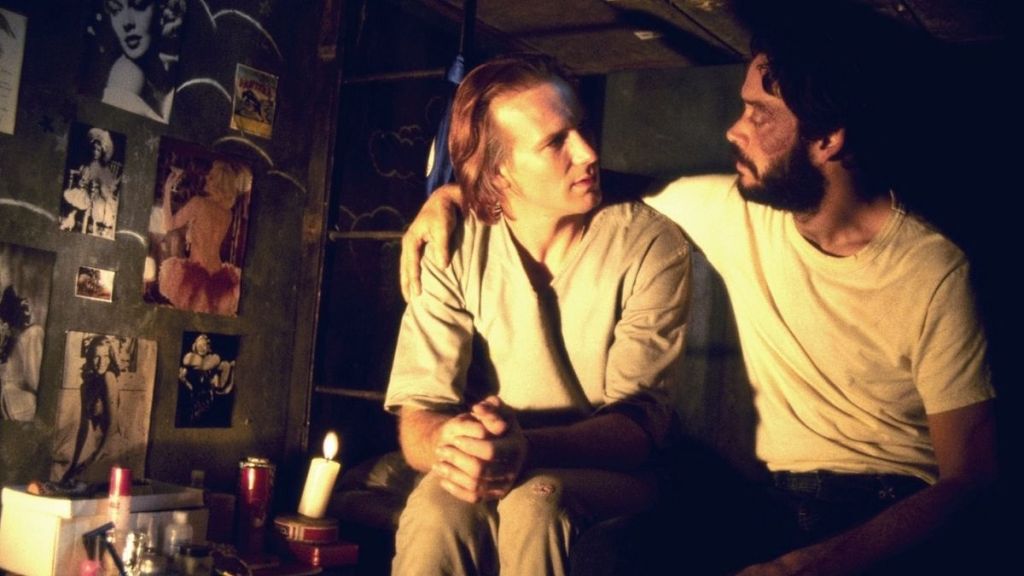
3. Kiss of the Spider Woman (1985)
Genre: Prison Film, Drama, LGBTQ
4. Lucio Flavio (1977)
Genre: Crime, Drama, Prison Film

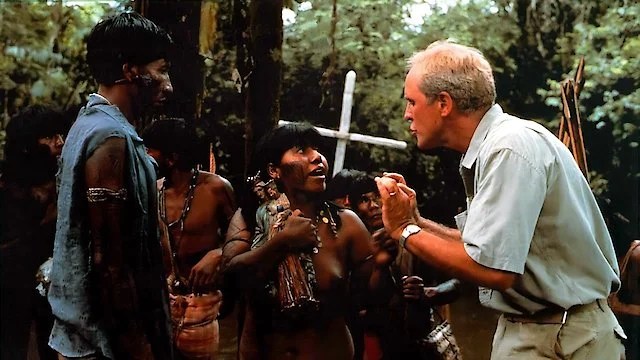
5. At Play in the Fields of the Lord (1991)
Genre: Drama, Adventure

Hector Babenco: Themes and Style
Themes:
- Social Realism: Babenco’s films, like Pixote and Carandiru, often delve into the gritty realities of society’s underbelly, spotlighting issues like poverty, crime, and social injustice. His storytelling provides a raw, unfiltered look at the struggles of marginalised individuals, drawing audiences into a world where survival is a daily battle.
- Humanity in Desolation: In works such as Kiss of the Spider Woman, Babenco explores the depths of human connection and resilience in the face of desolation and despair. His characters often find strength and compassion in the most unlikely circumstances, revealing the complexity and endurance of the human spirit.
- Institutional Critique: Babenco frequently critiques institutions like prisons and hospitals, as seen in Carandiru and Pixote. He exposes the dehumanising conditions and systemic failures, prompting viewers to question the societal structures that allow such injustices to persist.
- Existential Reflections: Films like Kiss of the Spider Woman also showcase Babenco’s fascination with existential themes, pondering the nature of freedom, identity, and reality. His characters often grapple with their own existence, leading to profound reflections on life and the choices that define us.
Styles:
- Cinematic Verité: Babenco’s directorial approach often incorporates elements of documentary filmmaking, creating a sense of realism and immediacy. His use of handheld cameras, natural lighting, and on-location shooting in films like Pixote blurs the line between fiction and reality, immersing the viewer in the story.
- Character-Driven Narratives: Babenco’s storytelling is deeply rooted in the development of complex, multi-dimensional characters. Whether through intimate close-ups or prolonged scenes that allow actors to fully embody their roles, his films offer a deep dive into the psyche and emotions of his characters.
- Poetic Visuals: Despite the often harsh realities depicted, Babenco’s films are imbued with a poetic visual quality. In Kiss of the Spider Woman, for example, the use of dreamlike sequences and symbolic imagery contrasts with the grim setting, offering moments of beauty and escapism.
- Intimate Storytelling: Babenco excels in creating intimate portrayals of his characters’ lives, often focusing on small, personal stories within larger societal contexts. This approach allows for a deeper emotional connection and understanding of the characters’ experiences and struggles.
Directorial Signature:
- Empathetic Lens: Babenco’s films are marked by an inherent empathy towards his characters. He portrays even the most flawed individuals with dignity and complexity, inviting the audience to see beyond their circumstances and recognise their shared humanity.
- Blending Genres: While primarily known for his social dramas, Babenco often weaves elements of other genres into his work. For example, Kiss of the Spider Woman mixes political drama with elements of romance and fantasy, showcasing his versatility and creative storytelling.
- Cross-Cultural Storytelling: Babenco’s directorial career spans different cultures and languages, from his Brazilian masterpieces to Hollywood films like At Play in the Fields of the Lord. This cross-cultural experience enriches his storytelling, allowing him to tell diverse stories with authenticity and insight.
Hector Babenco – Great Director


 Bronze Screen Dream