
Hayao Miyazaki, a celebrated Japanese animator and filmmaker, is internationally recognised for his unique style, thematic depth, and innovative approach to animation. As co-founder of Studio Ghibli, he has crafted numerous award-winning films that blend lush visual design with compelling narratives, including Spirited Away, Princess Mononoke, and My Neighbour Totoro. Miyazaki’s films, known for their detailed animation, fantastical elements, and strong, independent female characters, have set new standards in animation and storytelling.
Born in Tokyo, Miyazaki started his career in animation at Toei Animation, where he developed his skills as an in-betweener and storyboard artist. However, his rise to prominence began with the establishment of Studio Ghibli in 1985, along with fellow animator Isao Takahata. Throughout his career, Miyazaki has directed many of Ghibli’s most critically acclaimed and commercially successful films, earning worldwide recognition for his work. His film, Spirited Away, was the first non-English language film to win the Academy Award for Best Animated Feature.
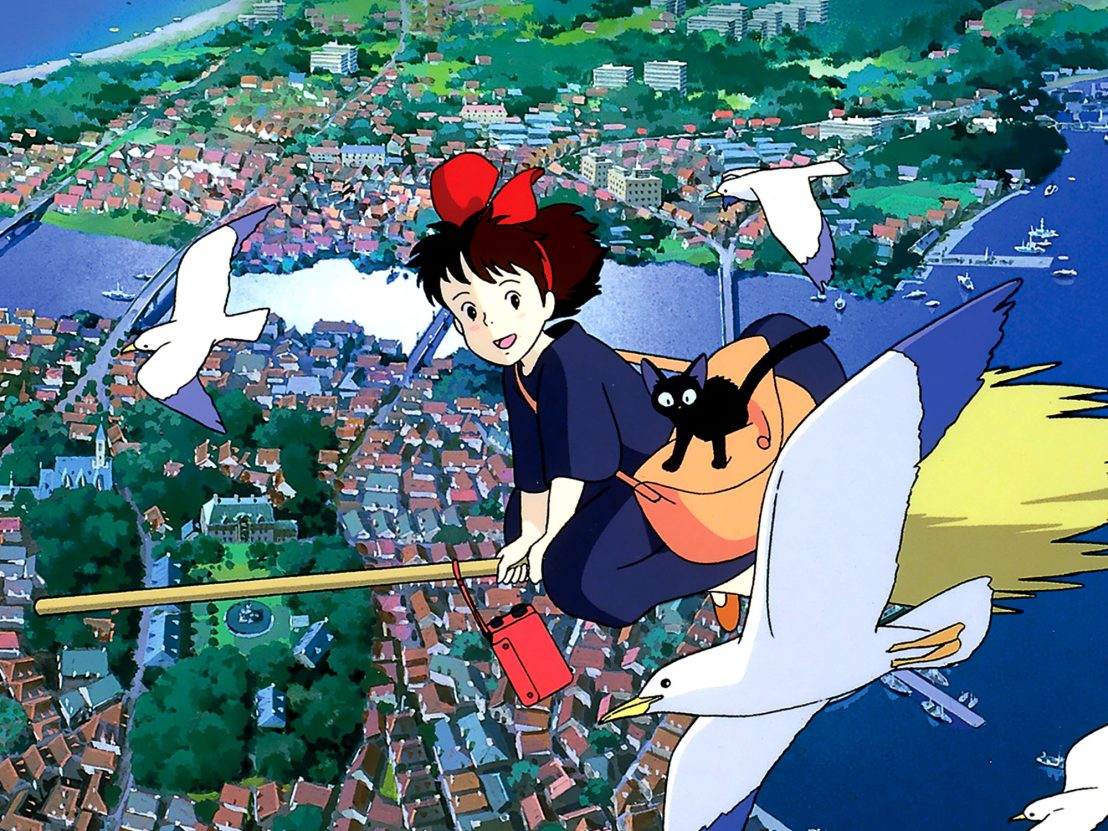
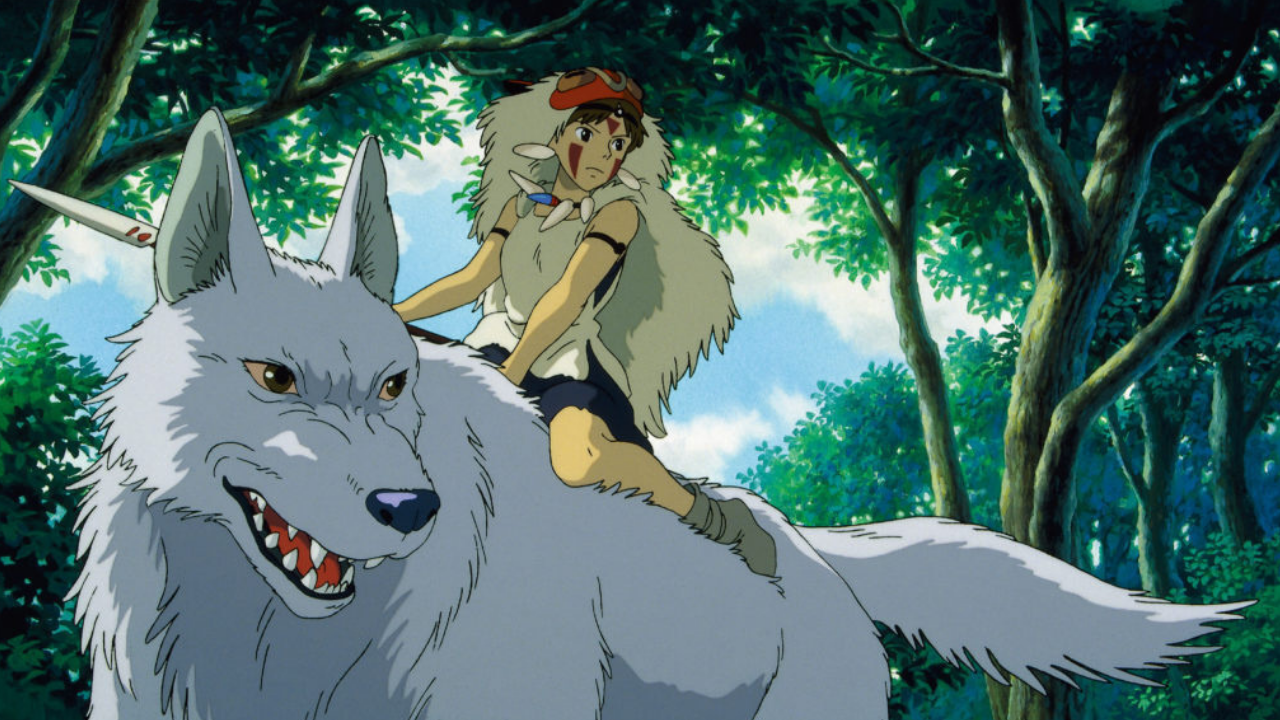
Miyazaki’s films frequently explore themes of environmentalism and ecology. Works like Princess Mononoke and Nausicaä of the Valley of the Wind underline the importance of ecological balance and respect for nature, depicting conflicts between humans and the natural world. His female characters’ strength and complexity are other defining traits of his work, with films such as Spirited Away and Kiki’s Delivery Service featuring young women as positive role models who exhibit independence and resilience.
The Greatest Animation Director
In Miyazaki’s narratives, fantasy and reality often intertwine, creating a unique, dream-like atmosphere. His storytelling effortlessly blends everyday life with fantastical elements, contributing to the enchanting quality of his films. This interplay of fantasy and reality, coupled with his detailed, vibrant animation style, gives his work a distinctive aesthetic. Additionally, anti-war sentiments and pacifism form an important part of his thematic repertoire, most notably in films like Howl’s Moving Castle.
Miyazaki’s long-term collaboration with composer Joe Hisaishi is another notable aspect of his films. Hisaishi’s musical scores, perfectly attuned to Miyazaki’s vision, have resulted in some of the most memorable music in animation, enhancing the emotional resonance of his films. This collaborative spirit is at the heart of Studio Ghibli, which has had a significant global impact on the animation industry.
Miyazaki’s influence extends far beyond Japan, inspiring animators and filmmakers across the globe. Notable figures such as Pixar’s Pete Docter and Cartoon Saloon’s Tomm Moore have cited Miyazaki as a significant inspiration. His ability to weave intricate narratives with deep thematic undertones, all while pushing the boundaries of animation, has solidified Miyazaki’s legacy as one of the greatest animation directors in film history.

Hayao Miyazaki (1941 – -)
Calculated Films:
- Lupin the Third: The Castle of Cagliostro (1979)
- Nausicaa of the Valley of the Wind (1984)
- Castle in the Sky (1986)
- My Neighbour Totoro(1988)
- Kiki’s Delivery Service (1989)
- Porco Rosso(1992)
- Princess Mononoke (1997)
- Spirited Away (2001)
- Howl’s Moving Castle (2004)
- Ponyo (2008)
- The Wind Rises (2013)
Similar Filmmakers
- Andrew Stanton
- Brad Bird
- Henry Selick
- Hideaki Anno
- Hiromasa Yonebayashi
- Isao Takahata
- John Lasseter
- Katsuhiro Otomo
- Makoto Shinkai
- Mamoru Hosoda
- Mamoru Oshii
- Nick Park
- Michel Ocelot
- Pete Docter
- Satoshi Kon
- Tomm Moore
- Yoshifumi Kondo
- Yuri Norstein


Hayao Miyazaki’s Top 10 Films Ranked
1. Spirited Away (2001)
Genre: Anime, Fantasy, Coming-of-Age, Adventure

2. Princess Mononoke (1997)
Genre: Anime, Fantasy, Adventure, Drama, Epic

3. My Neighbour Totoro (1988)
Genre: Anime, Low Fantasy, Family, Magical Realism

4. Nausicaa of the Valley of the Wind (1984)
Genre: Anime, Post-Apocalypse, Fantasy, Adventure, Sci-Fi

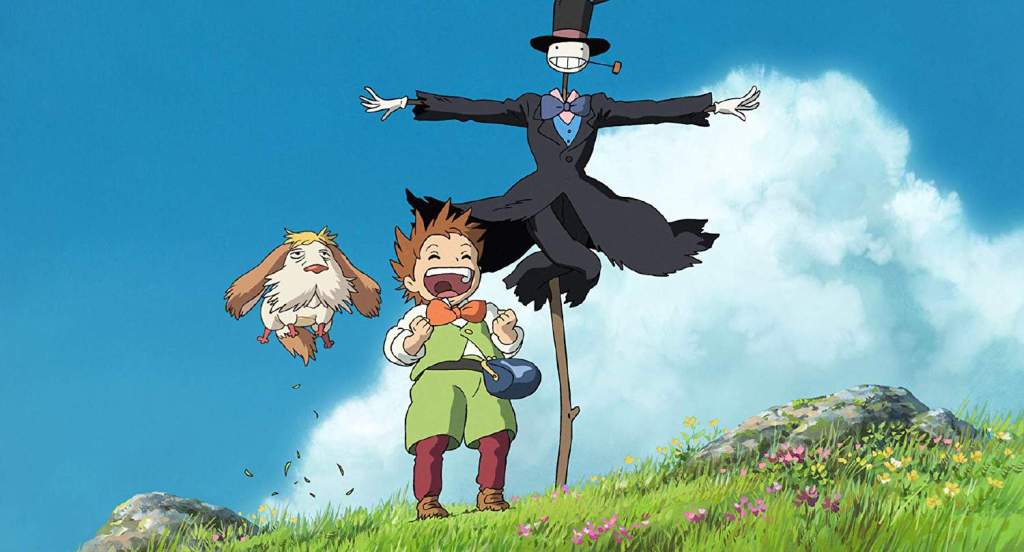
5. Howl’s Moving Castle (2004)
Genre: Anime, Fantasy, Adventure, Steampunk
6. Porco Rosso (1992)
Genre: Anime, Adventure, Low Fantasy, Comedy

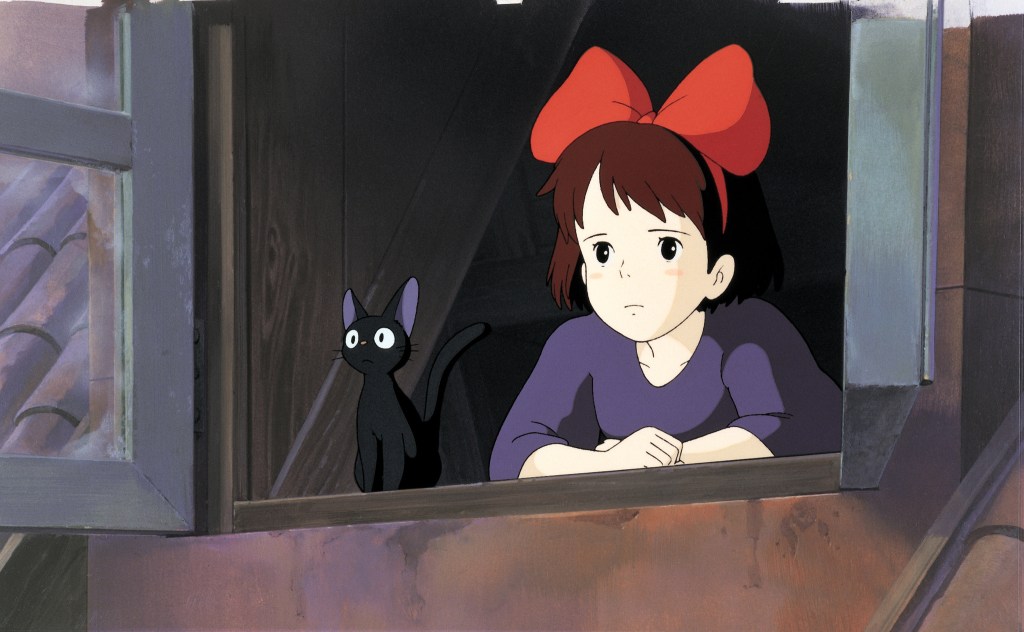
7. Kiki’s Delivery Service (1989)
Genre: Anime, Coming-of-Age, Family, Low Fantasy
8. Castle in the Sky (1986)
Genre: Anime, Adventure, Steampunk, Fantasy

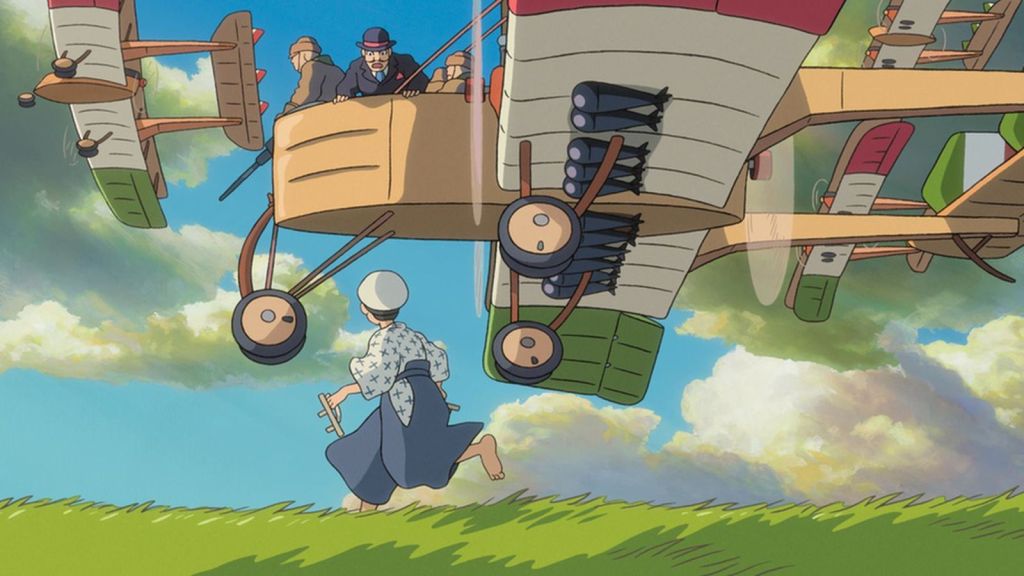
9. The Wind Rises (2013)
Genre: Anime, Period Drama, Romance, Melodrama
10. Lupin the Third: The Castle of Cagliostro (1979)
Genre: Anime , Adventure, Action, Comedy

Hayao Miyazaki: Themes and Style
Themes:
- Environmentalism and Harmony with Nature: Miyazaki frequently embeds a deep respect for nature and its elements in his films. In Princess Mononoke, the conflict between industrial progress and the sanctity of the natural world is central to the narrative.
- Flight and Freedom: The motif of flight in Miyazaki’s work, as seen in Kiki’s Delivery Service and Castle in the Sky, often symbolises freedom, innovation, and the characters’ aspirations, reflecting his own fascination with aeronautics.
- The Complexity of Good and Evil: Instead of clear-cut villains, films like Spirited Away present antagonists with redeeming qualities, suggesting a nuanced view of morality.
- Empowerment of the Young, Especially Girls: Strong, independent young female protagonists are a hallmark of his storytelling, demonstrated by characters like Chihiro in Spirited Away and Nausicaä in Nausicaä of the Valley of the Wind.
- Impact of War: The devastation of war and its effect on innocence and humanity are explored in movies such as Howl’s Moving Castle, showcasing his anti-war sentiments.
Styles:
- Detailed Hand-Drawn Animation: Miyazaki’s films, like My Neighbour Totoro, are known for their lush, hand-drawn animations that emphasise attention to detail, contributing to richly immersive worlds.
- Blend of the Mythical and the Mundane: He has a distinctive style of blending fantastic elements with everyday life, creating a sense of wonder and accessibility, as seen in Spirited Away.
- Surreal Imagery: Miyazaki employs dream-like, often whimsical imagery that defies conventional logic, inviting viewers into surreal landscapes as in The Cat Returns.
- Traditional Japanese Aesthetics: There’s a frequent incorporation of traditional Japanese motifs and a celebration of the country’s cultural heritage, particularly in My Neighbour Totoro.
- Fluid Motion and Dynamic Sequences: His animation style often features smooth, flowing motion and dynamic action sequences, such as the breathtaking flight scenes in Porco Rosso.
Directorial Signature:
- Recurring Themes of Aviation: Many of Miyazaki’s works, including Porco Rosso and The Wind Rises, showcase his love for planes and the theme of flight, often serving as a key element in the story.
- No Villains: In a Miyazaki film, like Princess Mononoke, antagonists are often portrayed with depth and empathy, lacking traditional villainy and instead presenting multiple perspectives.
- Silence and Pauses: He often uses moments of silence or “ma” (negative space), giving viewers time to reflect or absorb the beauty of a scene, a technique evident in Princess Mononoke.
- Focus on Organic, Living Backgrounds: Backgrounds in his movies are not just settings but living components of the story, such as the bustling bathhouse in Spirited Away.
- Miyazaki’s “Wandering” Plot Structure: Rather than following a conventional plot structure, his films often allow the story to unfold in an organic, meandering way, as seen in My Neighbour Totoro.
Hayao Miyazaki: The 29th Greatest Director


 Bronze Screen Dream