

Harold Ramis was an American actor, director, and writer best known for his work in the comedy genre. He played a significant role in shaping American comedy cinema with iconic films such as Ghostbusters (Which he wrote and acted in) and Caddyshack, which he directed. These films are celebrated for their enduring humour, quirky characters, and inventive storytelling, leaving a lasting impression on audiences and the comedy film genre.
Ramis’s career in comedy began as a performer and writer with Chicago’s Second City improvisational comedy troupe, which led to his work on the groundbreaking sketch comedy show SCTV. His transition to film saw him co-writing National Lampoon’s Animal House, setting the stage for a successful career in Hollywood. As a director, Ramis’s Caddyshack, National Lampoon’s Vacation, and Groundhog Day have become enduring classics, the latter of which, in particular, is often cited for its ingenious blend of humour with philosophical depth. Despite the commercial and critical success of many of his films, Ramis also faced challenges, such as the mixed reception of Year One.
Ramis had a distinctive knack for blending intellectual and slapstick humour, often addressing significant social and existential themes through a comedic lens. For instance, in Groundhog Day, he explored the concept of self-improvement and the human experience’s cyclical nature, all while maintaining a light and humorous tone. This film is emblematic of Ramis’ ability to craft stories that are both deeply philosophical and broadly appealing, effectively balancing wit with wisdom. His work often depicts underdog characters navigating absurd or supernatural situations, providing audiences with laughter while subtly reflecting on life’s complexities.
His approach to filmmaking was highly collaborative, often working closely with fellow comedians and actors to create an improvisational atmosphere on set. This collaborative spirit brought out the best in the cast, resulting in performances that were natural, dynamic, and hilariously memorable.

Harold Ramis (1944 – 2014)
Calculated Films:
- Caddyshack (1980)
- National Lampoon’s Vacation (1983)
- Groundhog Day (1993)
Similar Filmmakers
- Adam McKay
- Amy Heckerling
- Barry Levinson
- Ben Stiller
- Carl Reiner
- Charles Crichton
- Christopher Guest
- Elaine May
- Farrelly Brothers
- Frank Oz
- Ivan Reitman
- John Hughes
- John Landis
- Judd Apatow
- Mel Brooks
- Penny Marshall
- Rob Reiner
- Todd Phillips
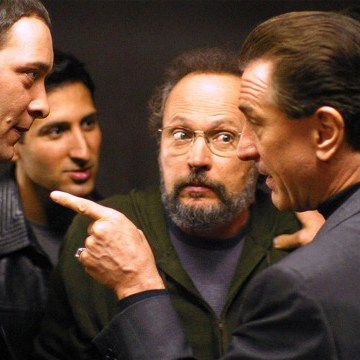

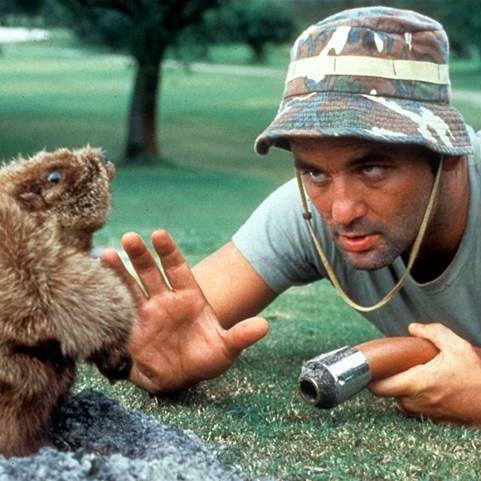
Harold Ramis’ Top 5 Films Ranked
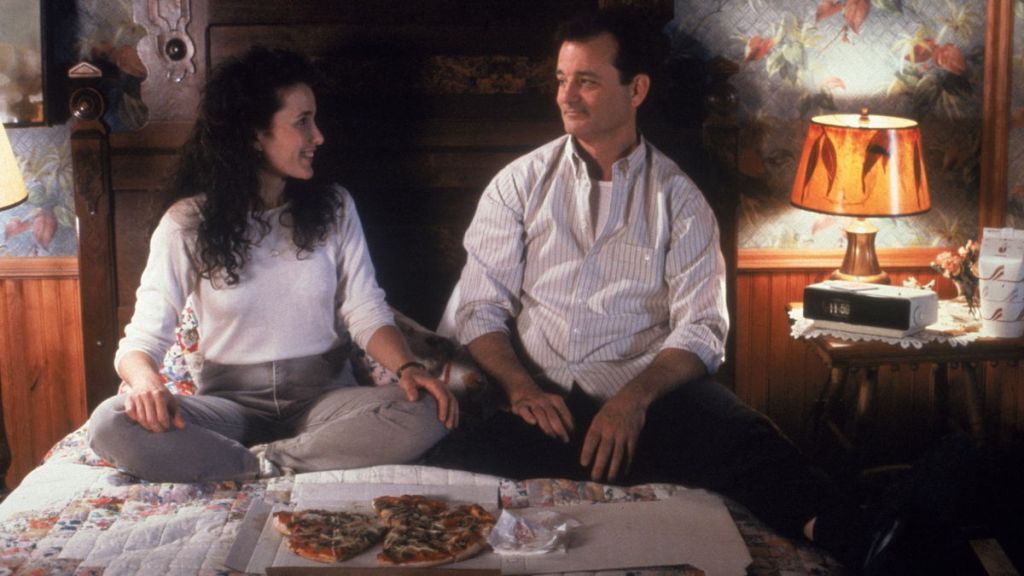
1. Groundhog Day (1993)
Genre: Low Fantasy, Romantic Comedy, Time Loop
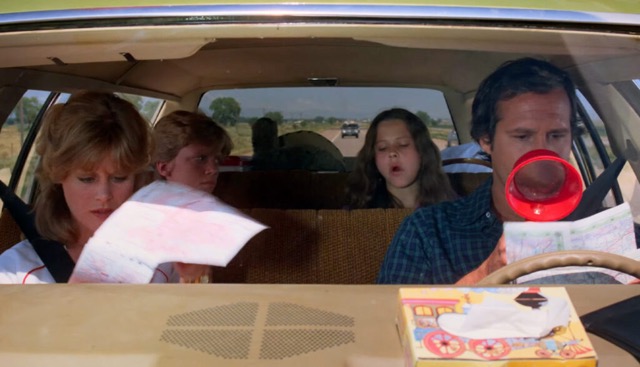
2. National Lampoon’s Vacation (1983)
Genre: Comedy, Road Movie

3. Caddyshack (1980)
Genre: Comedy, Sports

4. Analyze This (1999)
Genre: Comedy, Gangster Film, Mafia Film

5. Bedazzled (2000)
Genre: Comedy, Low Fantasy

Harold Ramis: Themes and Style
Themes:
- Everyman Hero: Ramis’s films often featured ordinary individuals thrust into extraordinary circumstances. Characters Phil Connors in Groundhog Day embody this theme as they navigate bizarre, unexpected situations with humour and humanity.
- Supernatural and Fantasy Elements: Many of Ramis’s projects incorporated elements of the magical or fantastical. Films like Ghostbusters and Groundhog Day cleverly use these themes as a backdrop to explore human behaviour and societal norms.
- Self-Discovery and Transformation: Characters in Ramis’s films often undergo significant personal growth and transformation. Through humorous and often absurd scenarios, they learn essential truths about themselves and the world around them, leading to profound (and often hilarious) personal development.
- Social Satire: Ramis subtly critiqued societal conventions and expectations through his comedic lens, employing satire to explore themes of identity, conformity, and the human condition. His films often provided insightful commentary on the absurdities of modern life.
Styles:
- Visual Comedy: Ramis had a flair for visual gags, using physical comedy, facial expressions, and visual effects to generate laughs. This style is evident in the slapstick elements of Caddyshack.
- Wit and Intellectual Humor: Ramis’s writing and directing showcased his sharp wit and intellectual humour. His characters often engaged in clever, rapid-fire dialogue, engaging audiences with their intelligence and comic timing.
- Ensemble Cast: Many of Ramis’s projects utilised ensemble casts, with multiple talented comedians contributing to the film’s humour. This approach created a dynamic, engaging atmosphere on screen, allowing for varied comedic styles and perspectives.
Directorial Signature:
- Character-Focused Comedy: Ramis’s directorial approach prioritised character development, allowing the humour to emerge organically from the characters’ personalities, relationships, and circumstances. This character-driven comedy resulted in more relatable, enduring films.
- Balancing Humour and Heart: Ramis’s films struck a delicate balance between humour and heart. While primarily comedies, his projects also explored deeper emotional and philosophical themes, providing audiences with both laughter and insight.
- Accessible Comedy: Ramis’s directorial signature involved crafting comedy that was accessible and appealing to broad audiences. His films were inclusive, inviting viewers from various backgrounds to partake in the joy and laughter of his cinematic world.
Harold Ramis – Great Director



 Bronze Screen Dream