

Hal Hartley, an American film director, is a prominent figure in the independent film movement of the 1980s and ’90s. He is renowned for films like The Unbelievable Truth, Trust, and Henry Fool. These films are distinguished by their deadpan humour and the presence of offbeat characters who often engage in philosophical dialogue. His work has been instrumental in launching the careers of actors such as Adrienne Shelly, Edie Falco and Martin Donovan. Hartley is also known for scoring his films under the pseudonym Ned Rifle and featuring music from indie rock acts like Sonic Youth, Yo La Tengo, and PJ Harvey.
Hartley’s career as a filmmaker is marked by his distinctive style and thematic exploration. His first feature, The Unbelievable Truth, set the tone for his future works with its unique blend of deadpan humour, offbeat dialogue, and philosophical musings, combined with a stylised approach to acting, choreography, and camera movement. Trust and Simple Men continued these themes and styles. However, with Amateur, Hartley took a turn towards darker and more tragic themes. Flirt experimented with a triptych narrative structure, using the same dialogue across different stories set in New York, Berlin, and Tokyo. His greatest commercial and critical success came with Henry Fool, a dark comedy that entered into competition at the 1998 Cannes Film Festival, where Hartley won the Best Screenplay Award. In the late 1990s, he also explored digital filmmaking with The Book of Life, a black comedy about the millennium.
Hartley’s films are characterised by their portrayal of existential themes and wayward malaise. His characters often embody a blend of contradictions, being at once sincere and ironic, passionate yet apathetic, principled but compromised. These characters reflect true human nature in their complexity. Hartley’s dialogue writing is particularly noteworthy; he focuses on the way people speak and think, blending European Modernism with American-style dialogue and banter. This fusion creates compelling, humorous, and moving scenes. Additionally, Hartley’s approach to suburbia in his films is unconventional, eschewing stereotypical portrayals for a more nuanced depiction that includes a sense of community alongside feelings of foreboding or paranoia. In terms of his filmmaking process, Hartley has evolved from extensive rehearsals in his early career to a more confident approach, focusing on finding perfect locations and minimising set dressing to create a more authentic feel in his films.

Hal Hartley (1959 –)
Calculated Films
- The Unbelievable Truth (1989)
- Trust (1990)
Similar Filmmakers
- Aki Kaurismaki
- Alexander Payne
- Andrew Bujalski
- Duplass Brothers
- Eric Rohmer
- Jim Jarmusch
- John Cassavetes
- Kevin Smith
- Michael Almereyda
- Mike Leigh
- Nathan Silver
- Noah Baumbach
- Richard Linklater
- Spike Jonze
- Spike Lee
- Tom DiCillo
- Wes Anderson
- Whit Stillman


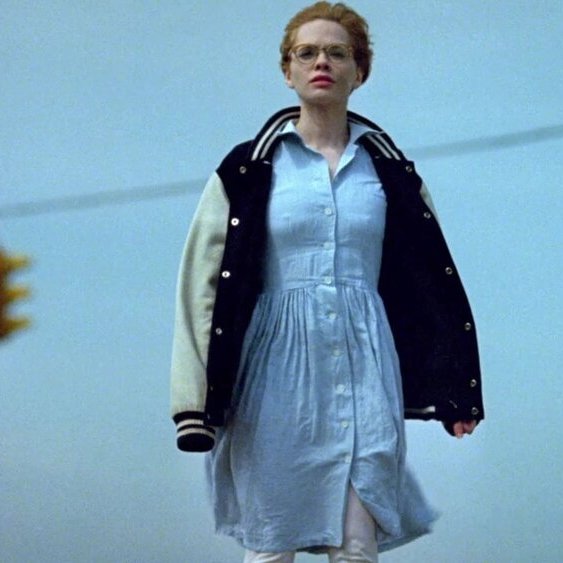
Hal Hartley’s Top 5 Films Ranked
1. Trust (1990)
Genre: Drama, Black Comedy

2. The Unbelievable Truth (1989)
Genre: Black Comedy, Romantic Comedy, Drama
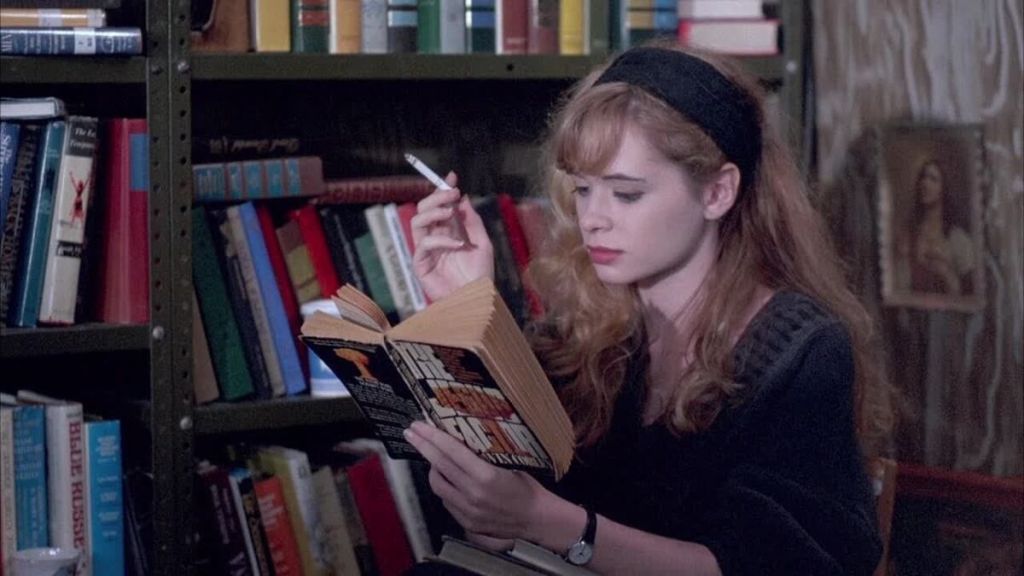
3. Simple Men (1992)
Genre: Drama, Comedy, Romance

4. Surviving Desire (1991)
Genre: Comedy, Romance

5. Henry Fool (1997)
Genre: Drama, Black Comedy

Hal Hartley: Themes and Style
Themes:
- Existential and Moral Dilemmas: Hartley frequently explores existential questions and moral dilemmas. In films like The Unbelievable Truth and Henry Fool, characters are often caught in situations that challenge their ethical boundaries and personal beliefs.
- Quirky and Flawed Characters: His films showcase an array of quirky, often deeply flawed characters. This is evident in Simple Men, where the characters’ idiosyncrasies drive the narrative and add depth to the story.
- Romance and Human Relationships: Hartley often delves into the complexities of romantic and interpersonal relationships. In Trust, the unconventional romance highlights the nuances and challenges of human connections.
- Socio-Political Commentary: His work subtly critiques social and political norms. Films like Amateur and Fay Grim offer commentary on societal issues wrapped in an engaging narrative.
- Art and Creativity: The theme of art and the life of the artist is a recurring subject. Hartley’s films, such as Henry Fool, often portray the struggles and societal impacts of being an artist.
Styles:
- Deadpan Comedy and Dialogue: Hartley is known for his unique blend of deadpan humour and sharp, witty dialogue. This style is a signature element in films like Trust and The Unbelievable Truth, where the dialogue often carries a dry, humorous undertone.
- Minimalist Aesthetic: His films often exhibit a minimalist aesthetic, with a focus on simple, composed shots and a restrained colour palette. This is evident in Simple Men, where the visual style complements the narrative’s simplicity.
- Stylised, Choreographed Movements: Hartley frequently uses stylised, almost choreographed movements for his characters, creating a distinctive visual rhythm, as seen in the dance sequences of Simple Men.
- Indie Film Sensibility: He maintains an independent film sensibility, often working with low budgets and focusing on character-driven stories rather than action or special effects.
- Contrasting Music Scores: Hartley often uses music scores that contrast with the on-screen action or mood, creating an ironic or thought-provoking effect. This is particularly noticeable in Henry Fool, where the score adds another layer to the narrative.
Directorial Signature:
- Ensemble Casts: Hartley often works with ensemble casts, many of whom appear regularly in his films. This creates a sense of continuity and familiarity across his body of work, as seen with actors like Martin Donovan and Parker Posey.
- Intellectual and Philosophical Underpinnings: His films are often underpinned by intellectual and philosophical themes, inviting the audience to engage in deeper thinking, a trait evident in The Book of Life.
- Narrative Ambiguity: Hartley frequently leaves elements of his stories open-ended or ambiguous, encouraging viewers to draw their own conclusions and engage more actively with the narrative.
- Focus on Dialogue: His directorial style places a strong emphasis on dialogue, which often drives the narrative and character development. The crisp, witty exchanges in Trust exemplify this approach.
- Cult Film Appeal: Many of Hartley’s films have achieved cult film status, appealing to a niche audience with their unique blend of style, humour, and storytelling, a pattern that started with his early works like The Unbelievable Truth.
Hal Hartley – Great Director



 Bronze Screen Dream