
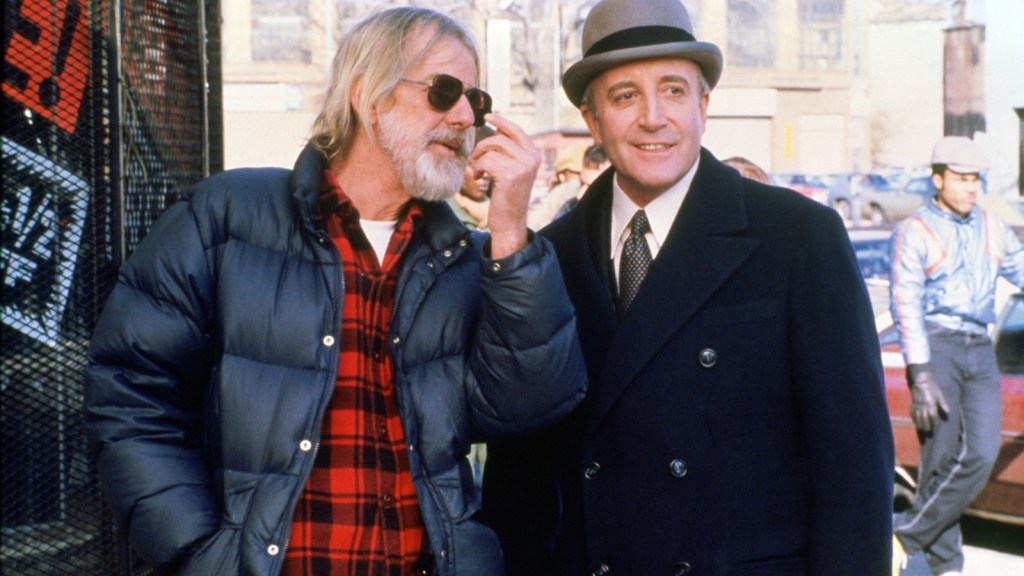
Hal Ashby, an American filmmaker, carved out a distinct niche for himself during the Hollywood New Wave of the 1970s. His best-known works, including Harold and Maude, Being There, and Shampoo, explored societal norms, human relationships, and political institutions with a distinctive blend of humour and drama.
Ashby’s journey into film began in the editing room, where he honed his storytelling skills, even winning an Academy Award for editing In the Heat of the Night. This background undoubtedly influenced his directorial approach, especially his penchant for character-driven stories and fluid narratives that often blended fantasy and reality. His films frequently tackled societal and political issues, from the youth counterculture in Harold and Maude to the political disillusionment of the late 1970s in Being There.
Ashby’s films often balanced comedy and tragedy. This is perhaps best exemplified in Harold and Maude, where a morbidly obsessed young man develops a relationship with a vivacious septuagenarian, creating a dark comedy about life, death, and the freedom to live according to one’s own rules. His characters often defied societal norms and expectations, contributing to a sense of unpredictability and freshness in his narratives.
Ashby’s work was marked by a naturalistic style that often allowed the story and characters to take centre stage. However, his films also showcased notable aesthetic elements like the bold, symbolic use of colour in Harold and Maude or the detailed period recreation in Shampoo, effectively enhancing the narrative’s themes.
Despite his relatively short career, Ashby’s influence on the film industry is significant and enduring. Numerous directors have lauded his unconventional narratives, attention to character, and blending of humour and drama, including Wes Anderson, whose idiosyncratic characters and stylistic choices echo Ashby’s. Ashby’s work continues to inspire filmmakers worldwide, a powerful voice during a transformative period of American cinema. His films persist as poignant social commentaries, revered for their distinct thematic and stylistic imprint on the cinematic landscape.

Hal Ashby (1929 – 1988)
Calculated Films:
- Harold & Maude (1971)
- The Last Detail (1973)
- Coming Home (1978)
- Being There (1979)
Similar Filmmakers
- Alexander Payne
- Bob Rafelson
- Claudia Weill
- Elaine May
- Frank Perry
- Jonathan Demme
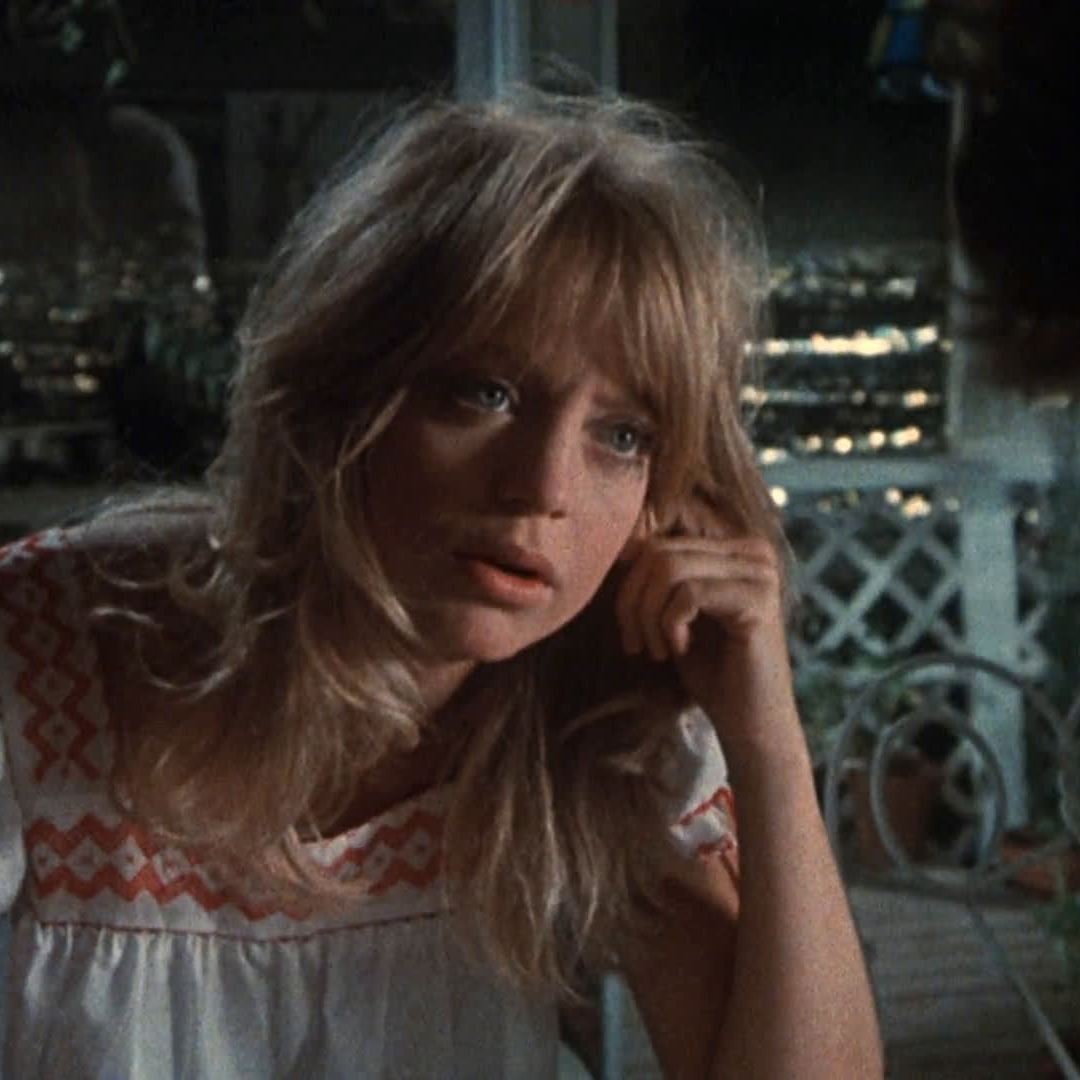

Hal Ashby’s Top 10 Films Ranked
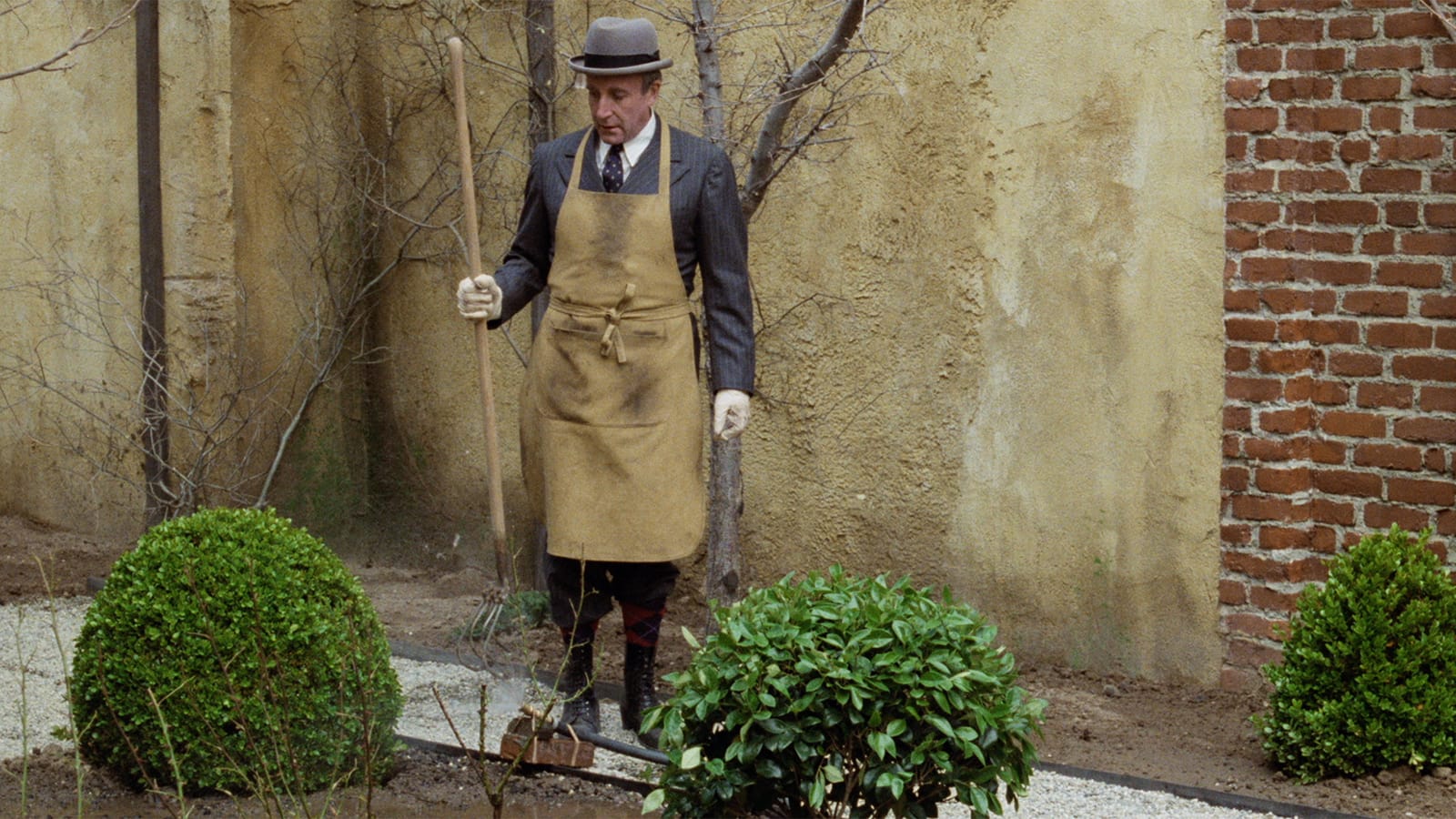
1. Being There (1979)
Genre: Satire, Comedy, Drama

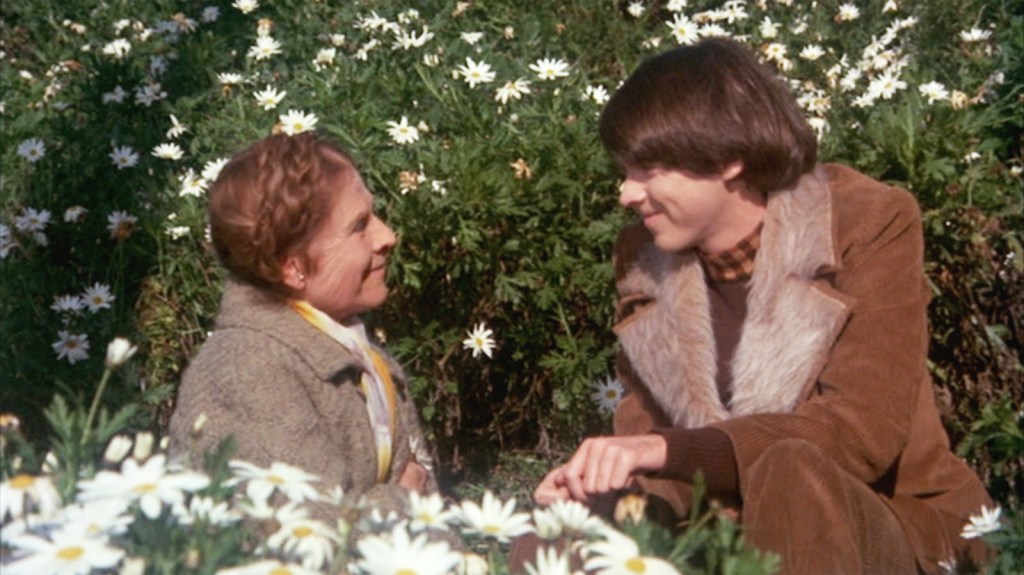
2. Harold & Maude (1971)
Genre: Black Comedy, Romance, Coming-of-Age, Drama
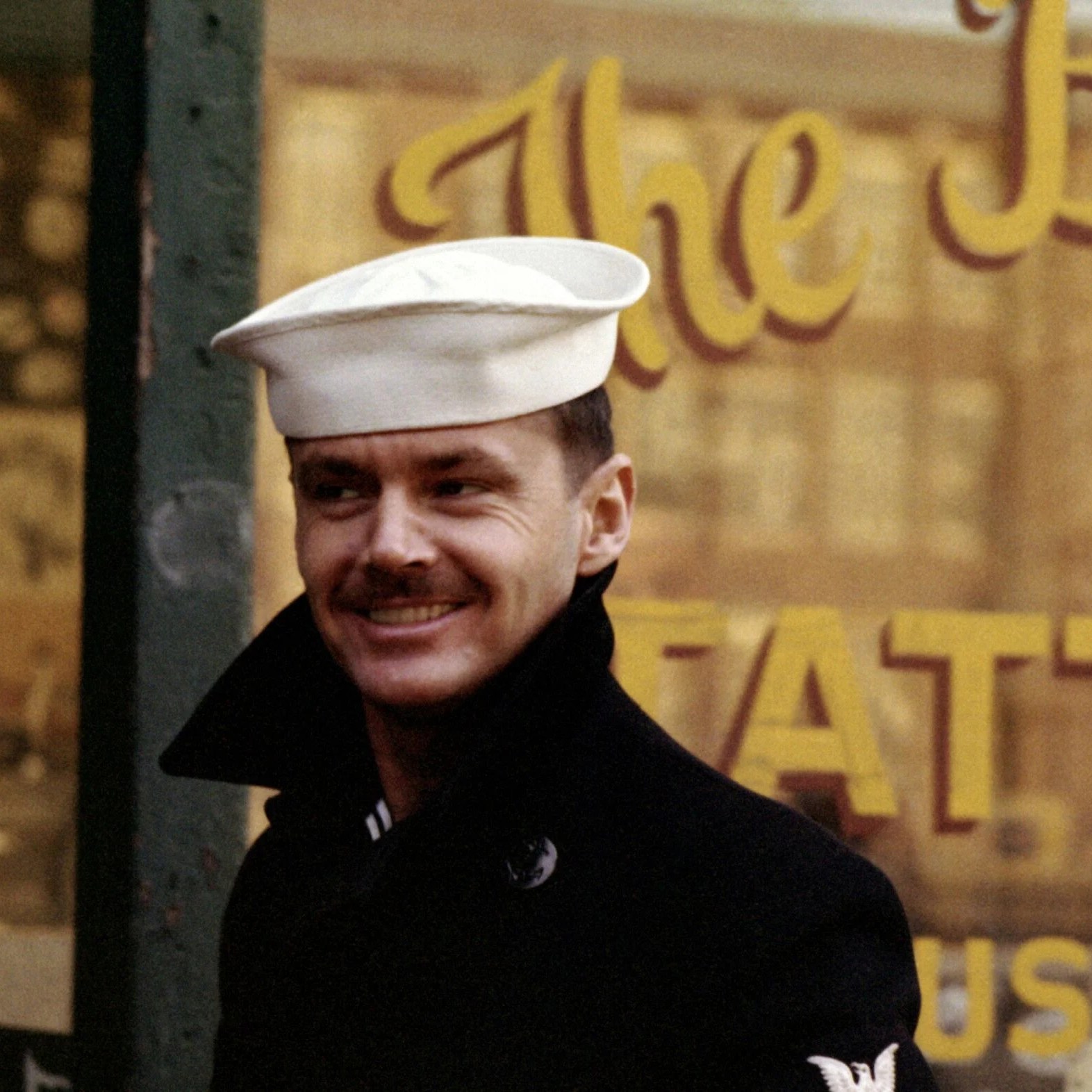
3. The Last Detail (1973)
Genre: Drama, Road Movie, Buddy

4. Coming Home (1978)
Genre: Romance, Drama

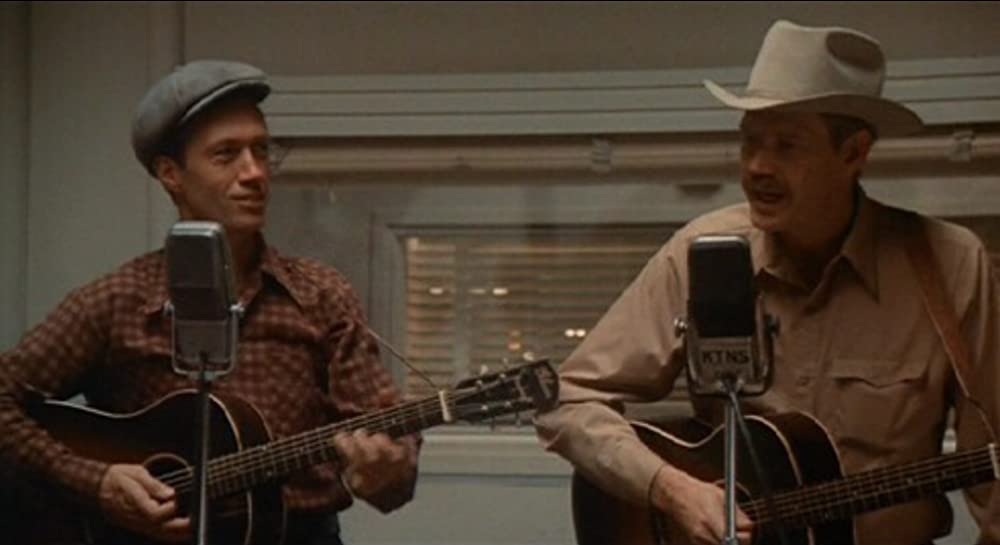
5. Bound for Glory (1976)
Genre: Biographical, Music, Drama

6. The Landlord (1970)
Genre: Comedy, Drama

7. Shampoo (1975)
Genre: Comedy, Sex Comedy, Drama
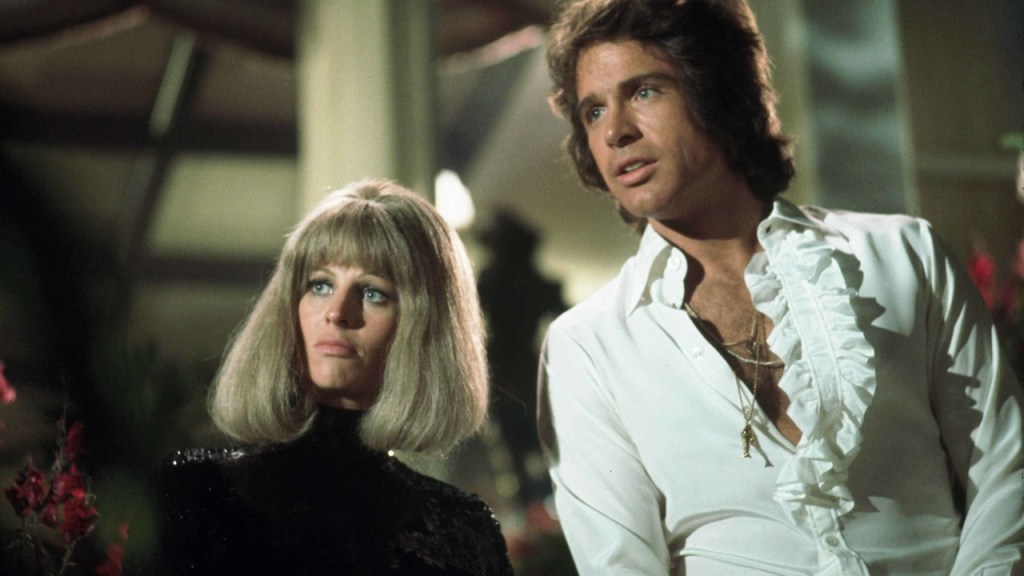
8. 8 Million Ways To Die (1986)
Genre: Thriller, Crime, Neo-Noir

9. Lookin To Get Out (1982)
Genre: Comedy
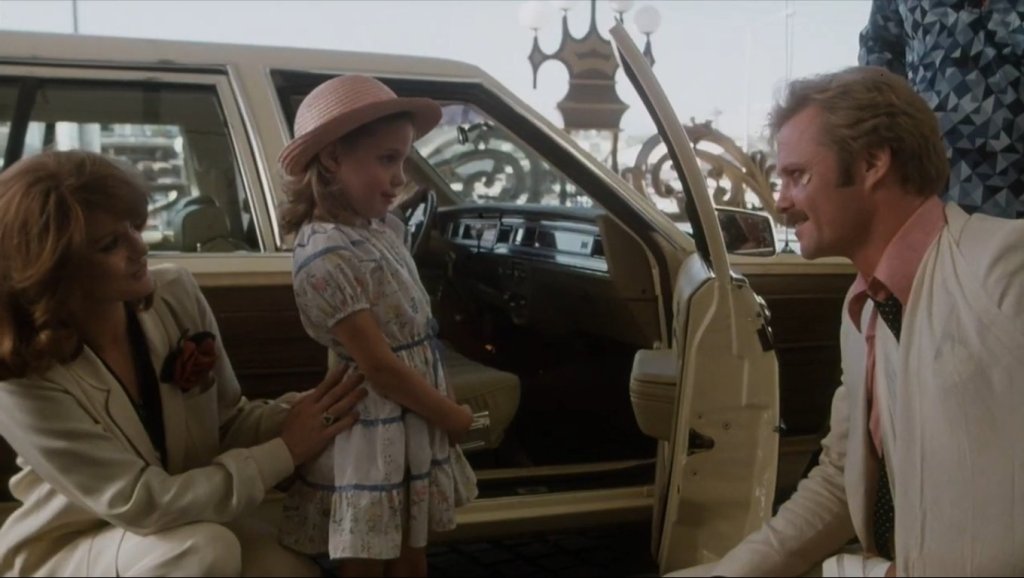
10. Second-Hand Hearts (1981)
Genre: Comedy
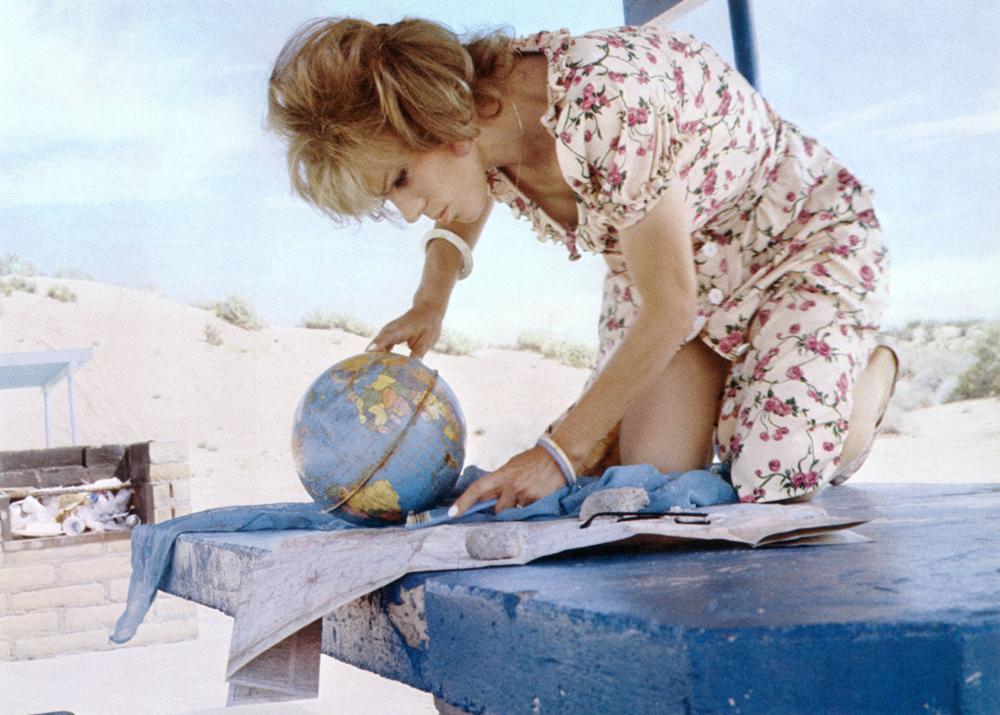
Hal Ashby: Themes and Style
Themes:
- Human Connection and Loneliness: Ashby frequently explored the depth of human relationships and the poignant solitude of his characters, as seen in Harold and Maude, where the unlikely bond between a young man and an older woman challenges societal norms.
- Social and Political Commentary: Films like Being There subtly critique political and media-driven landscapes, highlighting Ashby’s penchant for weaving social observations into his narratives, often with a satirical edge.
- Personal Transformation: Ashby’s protagonists often undergo significant personal growth and self-discovery. In Coming Home, the characters are profoundly changed by the Vietnam War, reflecting Ashby’s interest in the potential for individual transformation amidst the turmoil.
Styles:
- Naturalistic Approach: Ashby favoured a realistic style, using minimalistic techniques to create a sense of realism. His work in The Last Detail showcases this approach, allowing the performances and script to drive the film’s emotional core.
- Musical Influence: Music plays a central role in establishing mood and character in Ashby’s films. The eclectic soundtrack of Shampoo reflects the era’s cultural shifts, while the Cat Stevens songs in Harold and Maude underscore the film’s themes of life and death.
- Editing: Before becoming a director, Ashby was an editor, and his skill in that field informed his directorial style. His editing prowess is evident in the seamless blending of humour and drama, as seen in Being There.
Directorial Signature:
- Collaborative Spirit: Ashby was known for his collaborative nature, often allowing actors to improvise and contribute to their characters’ development, which can be seen in the authentic performances in Coming Home.
- Counter-Culture Representation: He had an affinity for stories that represented the counterculture of the 60s and 70s, often highlighting characters who are outsiders or rebels, as in Harold and Maude.
- Emphasis on Character: Ashby’s films are character-driven, focusing on the depth and complexity of individuals rather than on plot, which allows for nuanced performances and memorable character arcs, such as the one experienced by the lead in Being There.
Hal Ashby: The 163rd Greatest Director
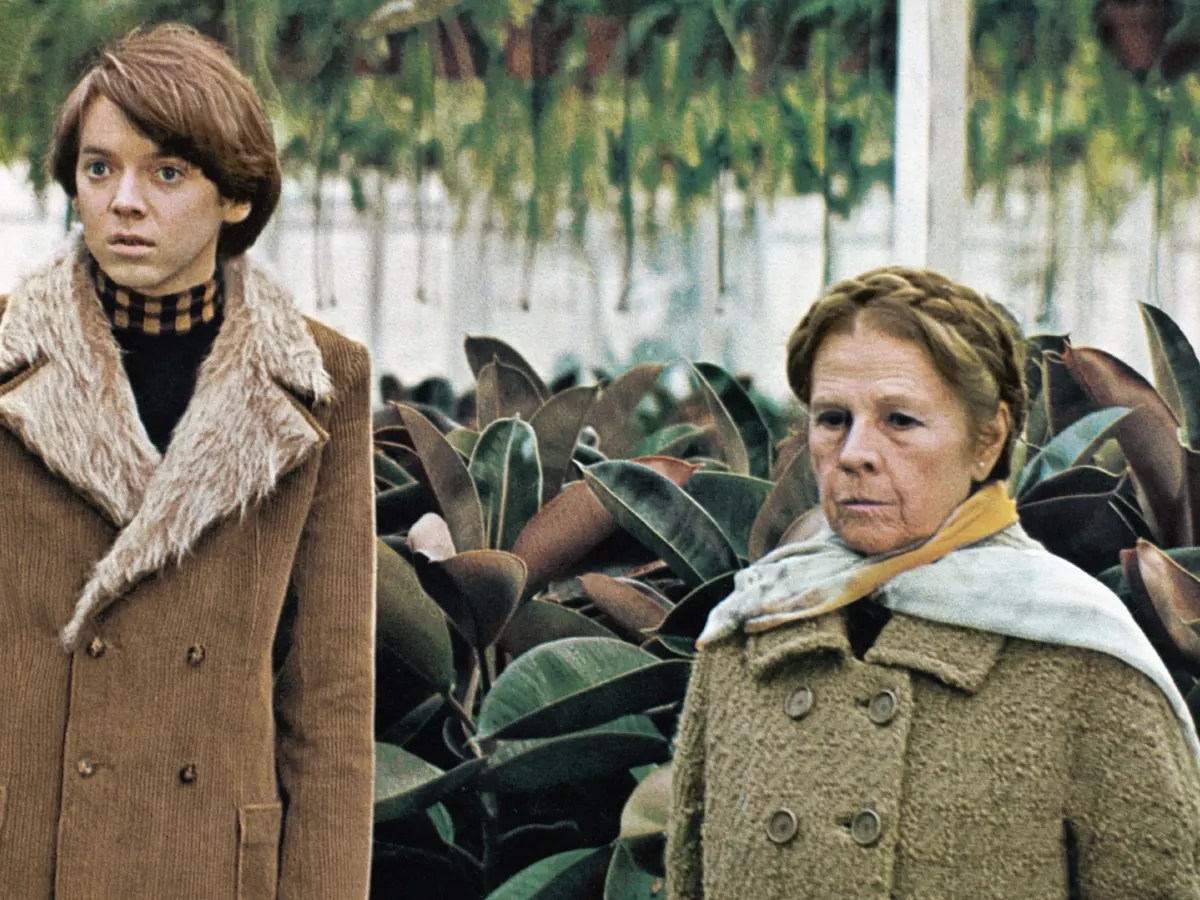

 Bronze Screen Dream