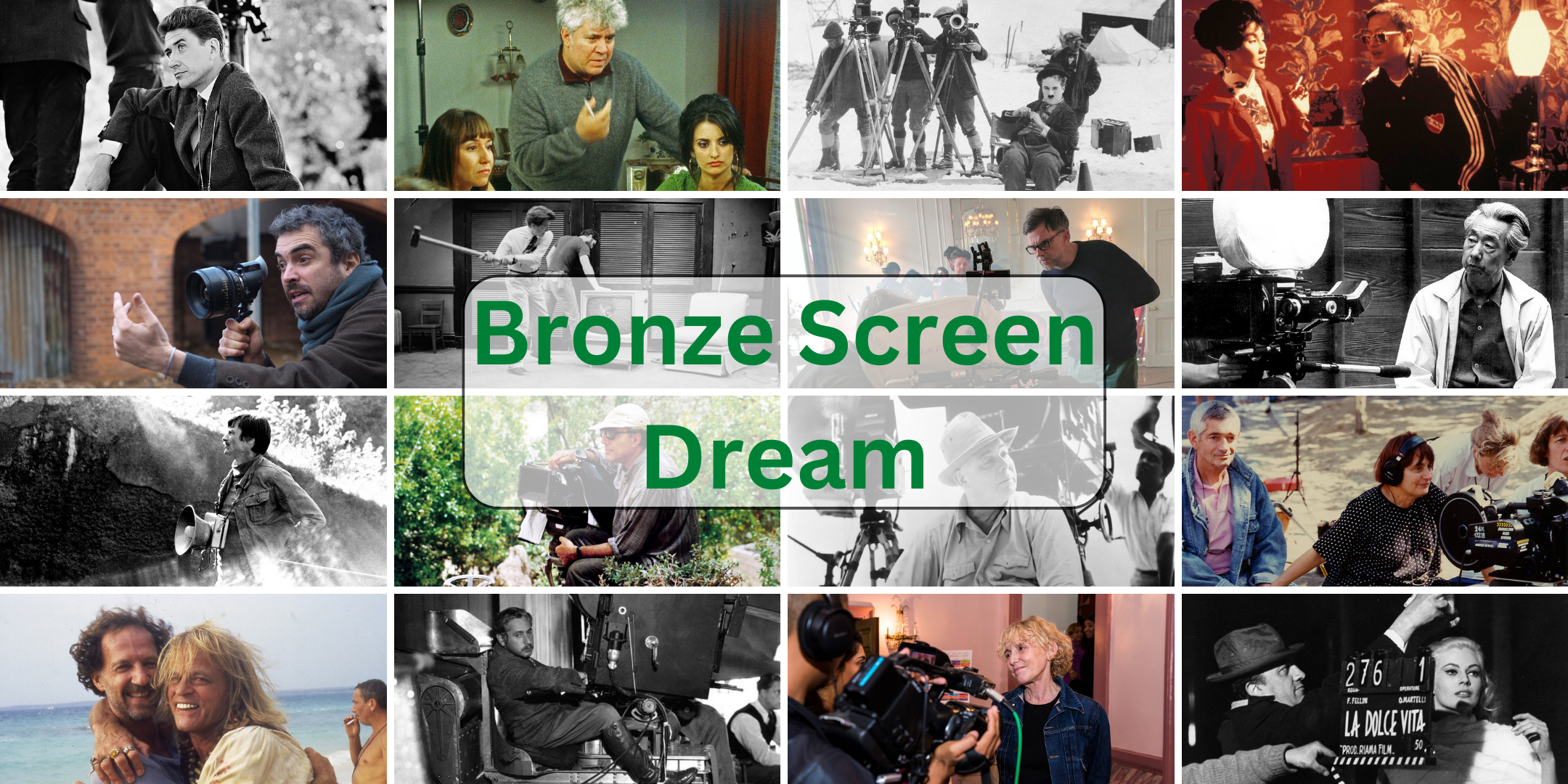

Haile Gerima is an Ethiopian filmmaker best known for his powerful films, which primarily focus on the African and African-American experience. His work includes the critically acclaimed Sankofa, a film that explores the brutal history of slavery and resistance while advocating for a deep connection to one’s heritage and roots. Gerima’s films have garnered widespread attention and acclaim for their compelling storytelling and unique perspectives on significant social and historical issues.
Gerima’s filmmaking career began in the United States, where he studied at the UCLA School of Theater, Film and Television, becoming a significant figure in the L.A. Rebellion, a movement of African-American filmmakers in the 1960s and 1970s who sought to create an alternative to the classical Hollywood cinema. His early works, such as Bush Mama and Harvest: 3000 Years, reflect his commitment to social and political issues, blending narrative and documentary techniques to create a distinctive style. Sankofa, arguably his most acclaimed film, marked a high point in his career, gaining international recognition for its unflinching look at slavery and its enduring impact. Despite facing challenges in distribution due to the independent and often radical nature of his films, Gerima has remained steadfast in his vision, founding Mypheduh Films to distribute his and other independent filmmakers’ work.
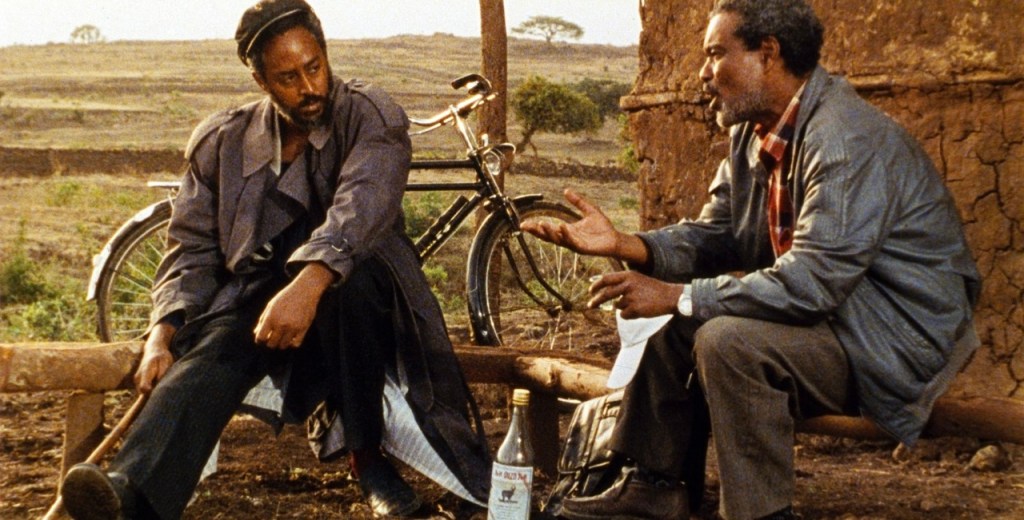
Gerima’s is dedicated to exploring of the themes of displacement, identity, and heritage. His works often encapsulate the struggle of individuals or communities that grapple with their past while navigating the challenges of the present. In Teza, for instance, he examines the disillusionment of an Ethiopian intellectual who returns home after studying abroad, reflecting broader themes of cultural alienation and the quest for identity amid political turmoil. Gerima’s films frequently employ nonlinear storytelling and a blend of myth and reality, providing a rich tapestry that deepens the audience’s understanding and empathy for the characters and their struggles.
His films are known for their dynamic use of imagery and meticulous attention to the nuances of light and shadow, creating atmospheres that are both haunting and evocative. His approach to filmmaking is deeply rooted in a sense of communal participation and collaboration. He often works closely with communities depicted in his films, fostering a sense of authenticity and respect for the subjects and their stories.

Haile Gerima (1946 – -)
Calculated Films:
- NA
Similar Filmmakers
- Abderrahmane Sissako
- Charles Burnett
- Cheick Oumar Sissoko
- Djibril Diop Mambety
- Euzhan Palcy
- Flora Gomes
- Jamaa Fanaka
- Julie Dash
- Med Hondo
- Merzak Allouache
- Ola Balogun
- Ousmane Sembene
- Raoul Peck
- Sarah Maldoror
- Souleymane Cissé
- Spike Lee
- William Greaves
- Youssef Chahine
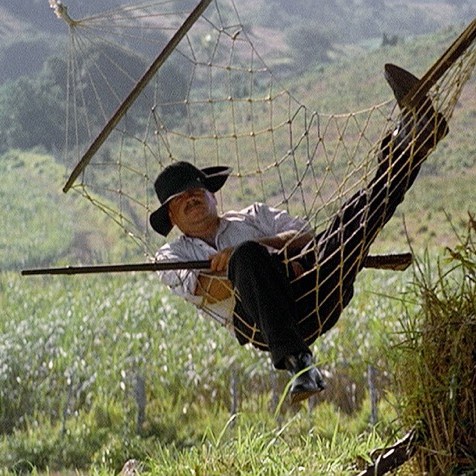

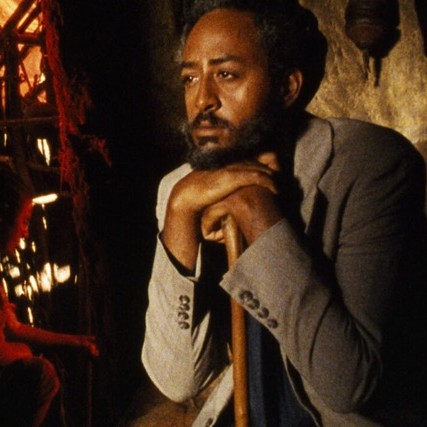
Haile Gerima’s Top 5 Films Ranked
1. Bush Mama (1979)
Genre: L.A. Rebellion, Psychological Drama

2. Harvest: 3000 Years (1975)
Genre: Drama, Third Cinema
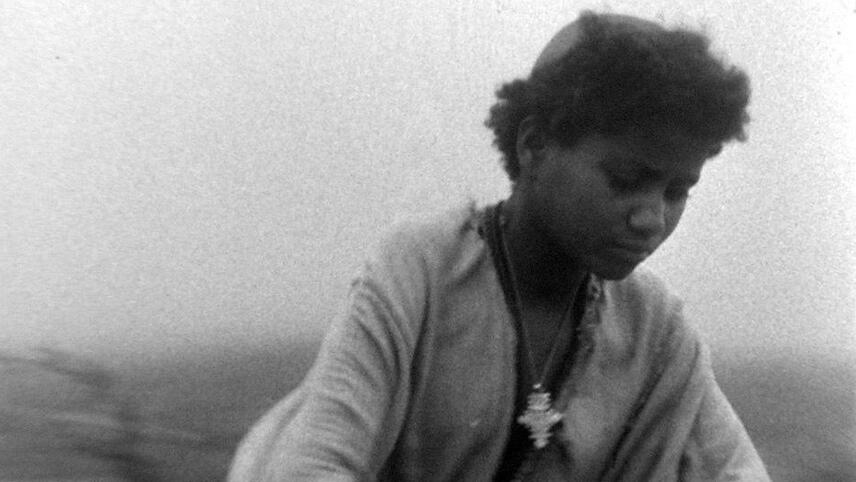
3. Teza (2008)
Genre: Period Drama
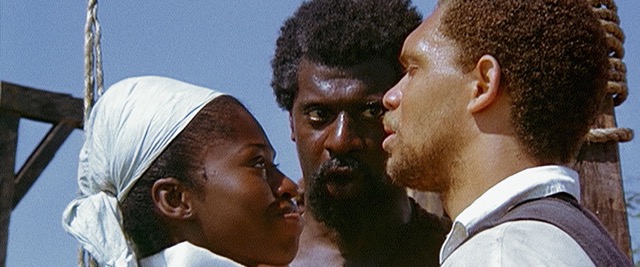
4. Sankofa (1993)
Genre: Drama, Low Fantasy

5. Ashes and Embers (1982)
Genre: L.A. Rebellion, Experimental

Haile Gerima: Themes and Style
Themes:
- Diasporic Identity: Gerima’s films frequently delve into the experiences of individuals within the African Diaspora. He explores their struggles, triumphs, and the complex relationship between their African heritage and adopted homes. The theme of diasporic identity serves as a conduit through which Gerima navigates post-colonial narratives and cultural identity.
- Resistance and Liberation: Many of his works embody the ethos of resistance and liberation. Characters are often depicted battling oppression, racism, and colonial legacies. These narratives are designed not just as historical retrospectives but also as a commentary on contemporary societal issues.
- Pan-Africanism: Pan-Africanism plays a significant role in his storytelling, advocating for the solidarity of Africans worldwide. Gerima’s films encourage a deeper understanding and connection between African Americans and their African heritage, fostering a sense of unity and shared identity.
- Social Commentary: Through his films, Gerima provides incisive commentary on socio-political dynamics, particularly those affecting the Black community. His films often tackle issues like racism, social injustice, and economic disparity, pushing viewers to reflect and engage in discourse.
Styles:
- Nonlinear Storytelling: Gerima often employs nonlinear storytelling techniques. His narratives are fragmented and non-chronological, mimicking the complexity and multifaceted nature of memory and history. This style engages viewers actively, prompting them to piece together the story’s elements and engage deeply with the content.
- Visual Aesthetic: His visual style is characterised by its raw, gritty aesthetic. Gerima utilises natural lighting, handheld cameras, and long takes to create an immersive and authentic atmosphere. This visual approach enhances the emotional intensity and realism of his films.
- Dialogic Cinema: His works are meant to provoke thought and discussion. Gerima views cinema as a dialogue between the film and the audience, creating a space where viewers are encouraged to think critically about the themes presented and engage with them at a personal level.
Directorial Signature:
- Narrative Focus: Gerima’s films predominantly centre around individual characters, through whom broader societal issues and historical narratives are explored. These character-focused stories allow for a deep, empathetic understanding of the themes presented.
- Engagement with History: History and heritage are integral to his directorial approach. By engaging with the past, Gerima’s films offer insights into the present, drawing parallels between historical events and contemporary issues.
- Independent Filmmaking: As a staunch advocate for independent cinema, Gerima often works outside the traditional Hollywood system. This independence allows him creative control over his projects, ensuring that his films maintain their integrity and authenticity.
- Educational Undertone: Gerima infuses his films with educational elements. His works are not merely for entertainment; they are designed to inform, enlighten, and stimulate intellectual and emotional engagement with the issues addressed.
Haile Gerima – Great Director
 Bronze Screen Dream