
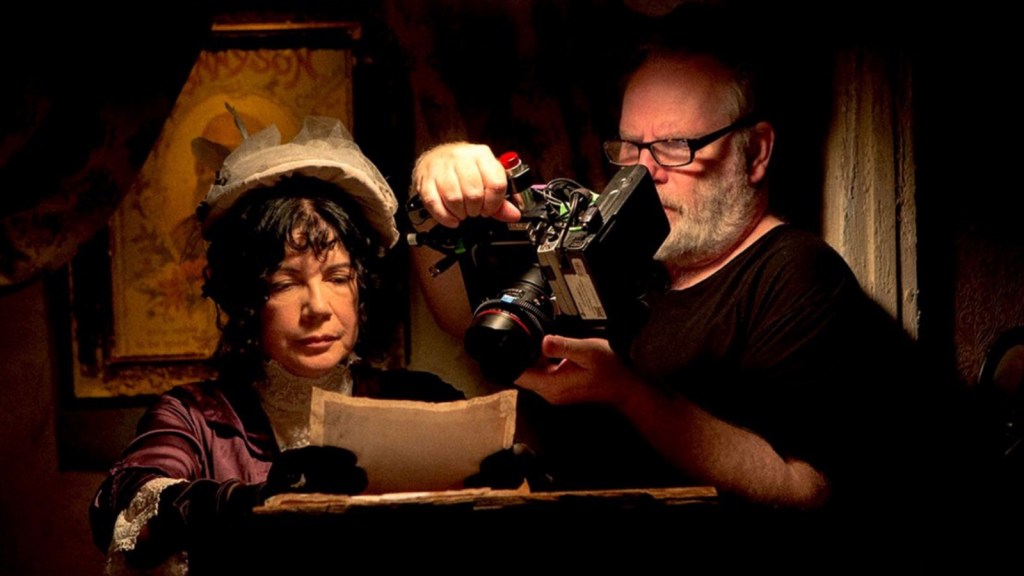
Guy Maddin is a Canadian filmmaker and writer best known for his visually distinctive and stylistically unique films. Often compared to the works of filmmakers from the silent era and early talkies, Maddin’s work is celebrated for its experimental, avant-garde approach and nostalgic aesthetic. He frequently draws inspiration from the visual and narrative style of classic films, creating works that feel simultaneously contemporary and timeless.
Maddin’s filmography is often characterised by its dreamlike, surreal atmosphere and darkly comic sensibility. He frequently explores themes of memory and identity, creating narrative landscapes that are both bizarre and deeply personal. For instance, My Winnipeg is a pseudo-documentary that combines fantasy and reality, providing an idiosyncratic view of Maddin’s hometown and blurring the lines between personal history and myth. Through the combination of obscure, fantastical elements and autobiographical details, Maddin crafts a multifaceted, mystical image of the city, reflecting his own complex relationship with it.
His films often mimic the aesthetics of early 20th-century cinema, incorporating deliberately aged visuals, erratic editing, and melodramatic acting styles. The Heart of the World, for instance, pays homage to Russian constructivist films, presenting a visually arresting, rapid-paced narrative that feels like a forgotten relic of a bygone era. Through his utilisation of old-fashioned techniques and aesthetics, like in Careful where he employs two-strip Technicolor reminiscent of early colour films, Maddin creates films that are visually entrancing and narratively enigmatic, providing audiences with a cinematic experience that is as confounding as it is captivating.

Guy Maddin (1956 – -)
Calculated Films:
- The Heart of the World (2000)
- Cowards Bend the Knee (2003)
- The Saddest Music in the World (2003)
- Brand Upon the Brain! (2006)
- My Winnipeg (2007)
Similar Filmmakers
- Alejandro Jodorowsky
- Bertrand Mandico
- Bill Morrison
- Damon Packard
- David Lynch
- Derek Jarman
- Peter Greenaway
- Peter Tscherkassky
- Quay Brothers
- Raul Ruiz
- Sergei Eisenstein
- Wojciech Has


Guy Maddin’s Top 5 Films Ranked
1. My Winnipeg (2007)
Genre: Surrealism, Essay Film, Postmodernism

2. Brand Upon the Brain! (2006)
Genre: Surrealism, Experimental, Melodrama, Steampunk, Psychological Drama, Postmodernism

3. Cowards Bend the Knee (2003)
Genre: Surrealism, Psychological Drama, Melodrama, Magical Realism
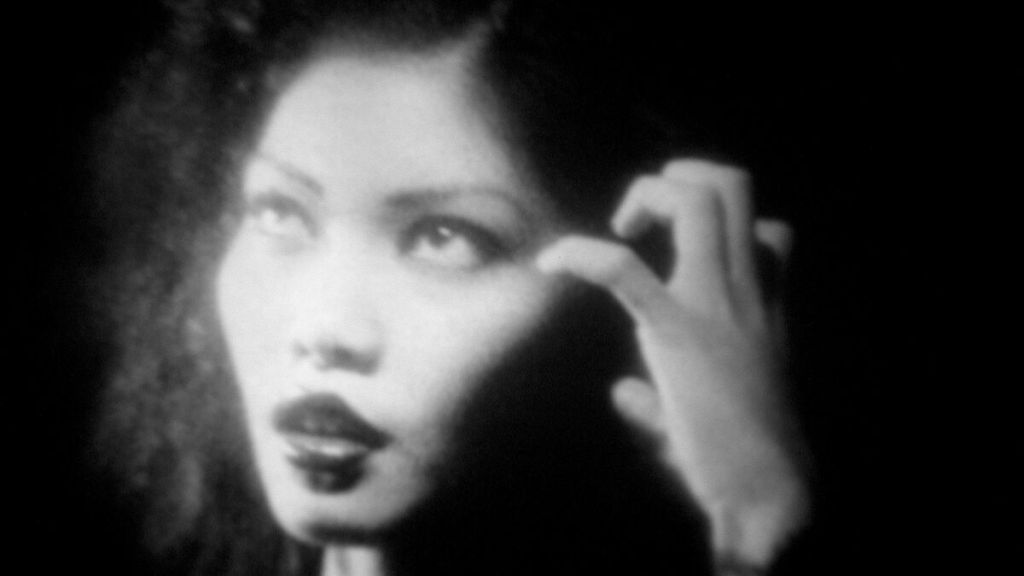
4. The Forbidden Room (2015)
Genre: Surrealism, Experimental, Absurdist Comedy

5. Dracula: Pages from a Virgin’s Diary (2002)
Genre: Vampire, Dance Film, Gothic Horror

Guy Maddin: Themes and Style
Themes:
- Memory and Nostalgia: Maddin often explores the realms of memory and nostalgia in his films. He invites viewers to traverse personal and collective histories, sometimes intertwining fact and fiction to create dream-like narratives that evoke a sense of loss and longing.
- Gothic Sensibilities: Many of Maddin’s films are imbued with gothic elements. They often engage with the macabre, supernatural, and the uncanny, utilising these elements to delve into the human psyche, fears, and desires.
- Personal and Geographical Identity: Winnipeg, Maddin’s hometown, frequently serves as a backdrop in his films. The city is not just a physical space but a character, with its history, myths, and identity interwoven with the narrative and the characters’ lives.
Styles:
- Aesthetic of Early Cinema: Maddin’s films often mimic the aesthetic of silent films and early talkies. They showcase exaggerated acting styles, intertitles, and grainy, high-contrast images reminiscent of German Expressionism and Soviet Montage films.
- Experimentation with Form: The director is known for experimenting with film form, using techniques like superimposition, scratchy film stock, and erratic editing to create a visually arresting, often disorienting effect.
- Narrative Style: Maddin employs non-linear, fragmented, and dream-like narrative structures. His storytelling oscillates between melodrama, fantasy, and dark comedy, offering audiences an unpredictable and surreal cinematic experience.
- Sound Design: The soundscapes in Maddin’s films are meticulously crafted. He makes extensive use of music, dialogue, and sound effects that echo the aesthetic of early sound films, further immersing viewers in the atmosphere he creates.
Directorial Signature:
- Homage to Classic Cinema: Maddin’s work is a tribute to the history of cinema. While drawing from the aesthetics of early films, he deconstructs and reimagines them in contemporary contexts, providing a unique perspective on the medium’s past and present.
- Intimate and Autobiographical: Many of Maddin’s films are deeply personal. He often inserts autobiographical elements into his work, blurring the lines between reality and fiction, personal and universal.
- Use of Intertextuality: His films often reference literary works, myths, and other films. This layering of texts creates a rich tapestry of meanings and interpretations, allowing viewers to engage with his work on multiple levels.
- Cult Film Sensibility: Maddin’s films often embody the characteristics of cult cinema with their eccentric characters, bizarre plots, and unconventional storytelling techniques. They attract a niche audience who appreciates their oddity and originality.
Guy Maddin – Great Director



 Bronze Screen Dream