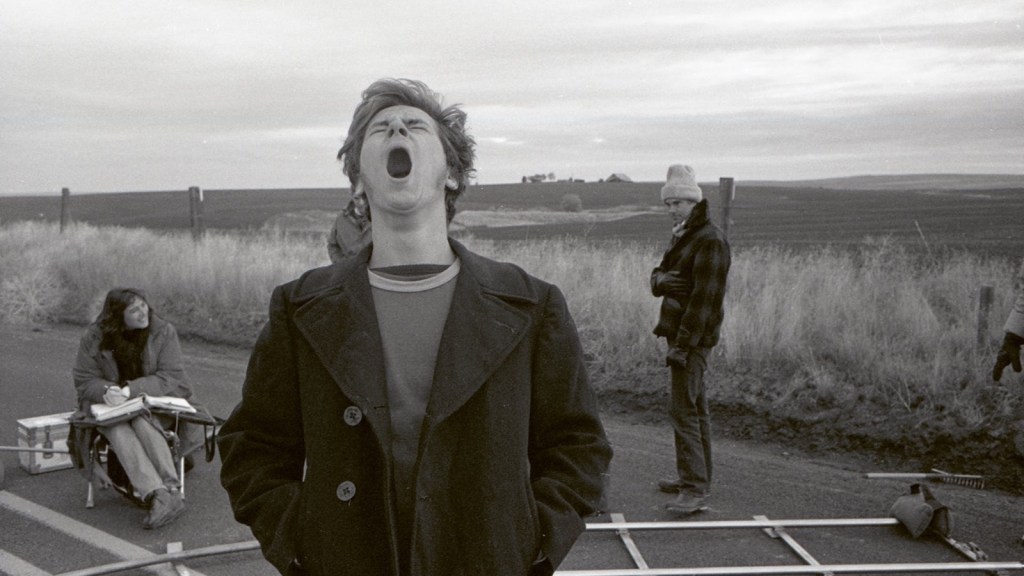
Gus Van Sant, an American director known for his individualistic and unconventional style, has carved out a unique place in the cinematic landscape. His filmography, including Good Will Hunting, My Own Private Idaho, and Milk, highlights his commitment to telling deeply human stories that often explore the margins of society.
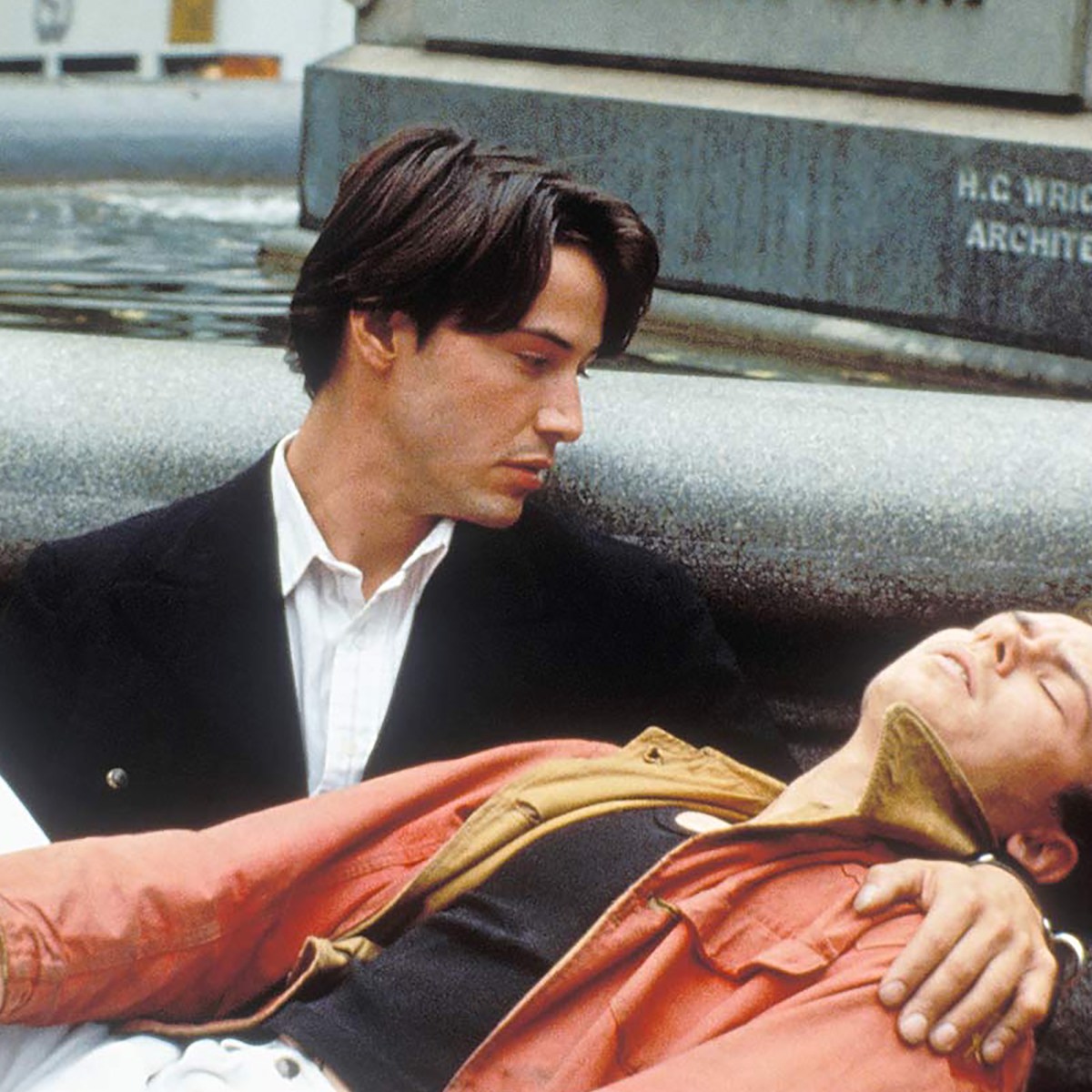
Van Sant’s journey into cinema was influenced by his diverse background, ranging from painting to advertising. This eclectic mix lent itself to a varied filmmaking style that successfully blends commercial viability with artistic authenticity. For instance, while Good Will Hunting gained mainstream popularity and earned him an Academy Award nomination, My Own Private Idaho is hailed as a seminal work of New Queer Cinema, a movement in the 90s focused on portraying complex LGBTQ+ narratives.
Van Sant’s work’s recurring themes often centre around alienation, identity, and the struggle for acceptance. His exploration of LGBTQ+ narratives in My Own Private Idaho and Milk was revolutionary for their time and continues to resonate with contemporary audiences. His films often feature characters on society’s outskirts, navigating their way through the complexities of their lives, such as the titular character in Elephant, which delves into the disturbing psyche of a school shooter.
“I’m really going in a weird I-don’t-know-where direction. I prefer it to anything like what standardised filmmaking has become.”
Van Sant’s style is visually distinctive, often featuring long tracking shots, minimalistic dialogue, and non-linear narrative structures, as seen in Elephant and Last Days. His films have a poetic realism, using the camera to immerse viewers into his characters’ worlds, eliciting empathy for their journeys.
Van Sant’s influence is evident in a new generation of filmmakers worldwide, who echo his fearless exploration of marginalised communities and his unique stylistic choices. Directors like Xavier Dolan have praised Van Sant for his sensitive portrayal of queer narratives, while his impact on independent cinema is profound. Despite some controversial projects, such as his shot-for-shot remake of Hitchcock‘s Psycho, Van Sant’s contribution to film is undeniable, creating a legacy of empathy, authenticity, and artistic vision.

Gus Van Sant (1952 –)
Calculated Films:
- My Own Private Idaho (1991)
- Good Will Hunting (1997)
- Elephant (2003)
- Milk (2008)
Similar Filmmakers
- Andrew Haigh
- Bela Tarr
- Derek Cianfrance
- Gregg Araki
- Harmony Korine
- Jerry Schatzberg
- Jim Jarmusch
- John Schlesinger
- Jon Jost
- Kelly Reichardt
- Larry Clark
- Rainer Werner Fassbinder

Gus Van Sant’s Top 10 Films Ranked
1. Good Will Hunting (1997)
Genre: Drama

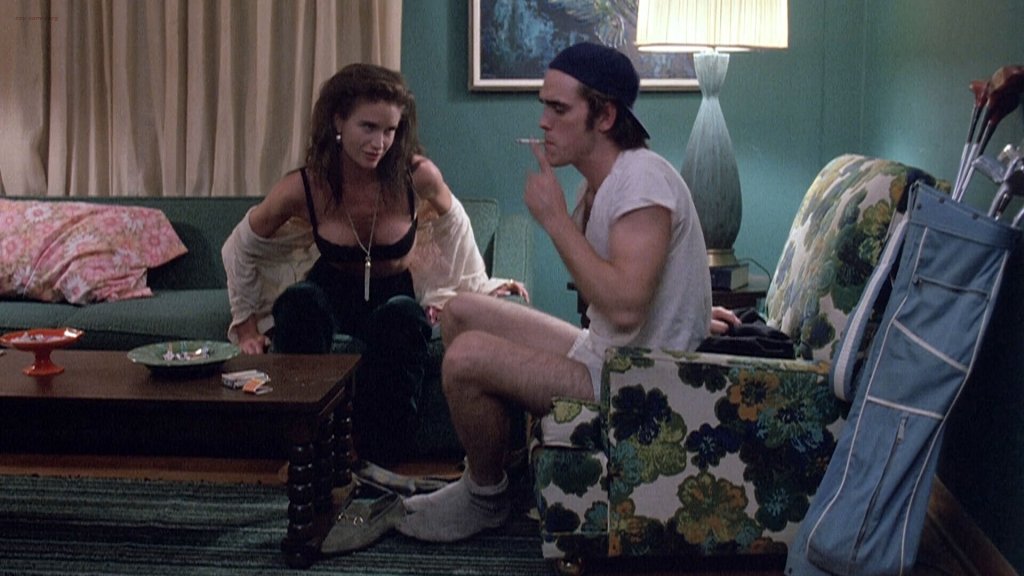
2. Drugstore Cowboy (1989)
Genre: Drama, Crime
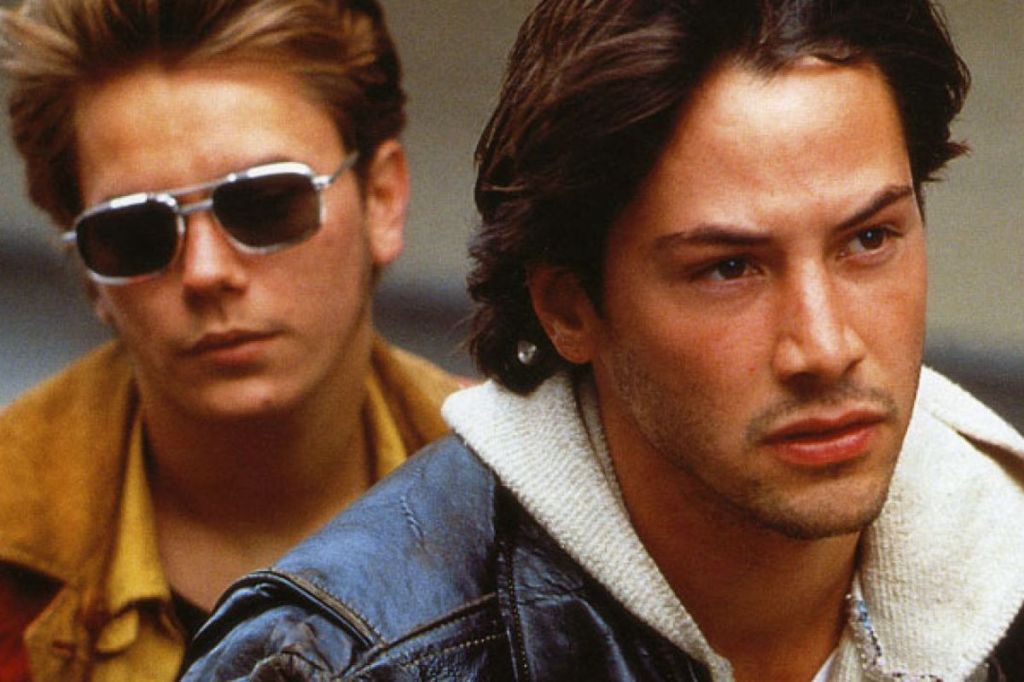
3. My Own Private Idaho (1991)
Genre: Drama, Road Movie
4. Elephant (2003)
Genre: Drama, Slow Cinema, Crime, Slice of Life

5. Milk (2008)
Genre: Biographical, Political Drama

6. Paranoid Park (2007)
Genre: Coming-of-Age, Psychological Drama

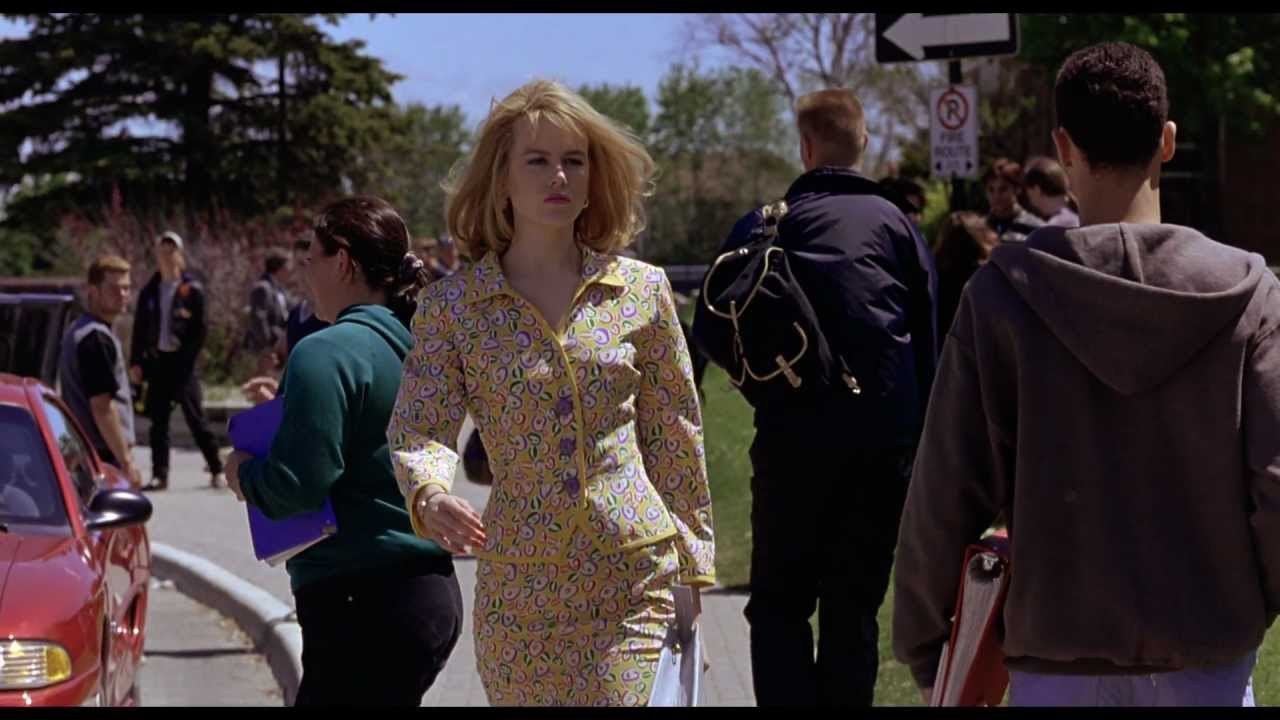
7. To Die For (1995)
Genre: Black Comedy, Satire, Crime, Drama

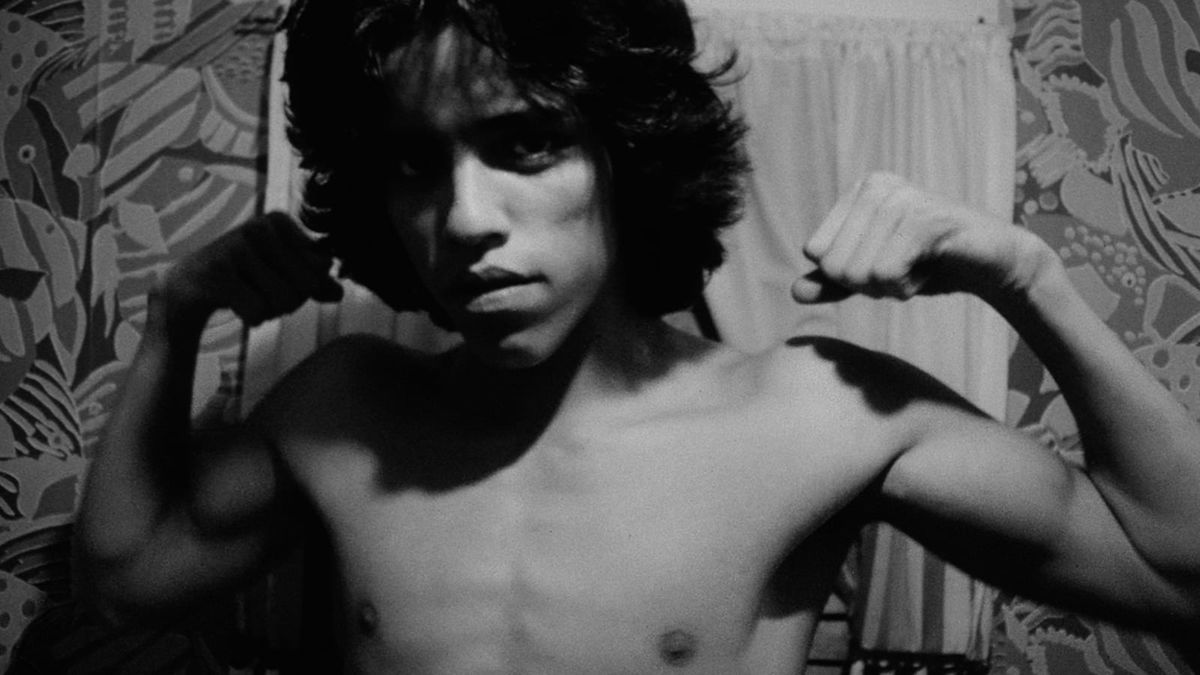
8. Mala Noche (1986)
Genre: Drama, Biographical

9. Gerry (2002)
Genre: Drama, Slow Cinema

10. Finding Forrester (2000)
Genre: Drama

Gus Van Sant: Themes and Style
Themes:
- Alienation and Loneliness: Many of Van Sant’s films, from My Own Private Idaho to Elephant, delve deep into the feelings of alienation experienced by their protagonists. This focus often lends his films a melancholic tone.
- Queer Identity: With films like Milk and My Own Private Idaho, Van Sant explores queer identities and their societal implications.
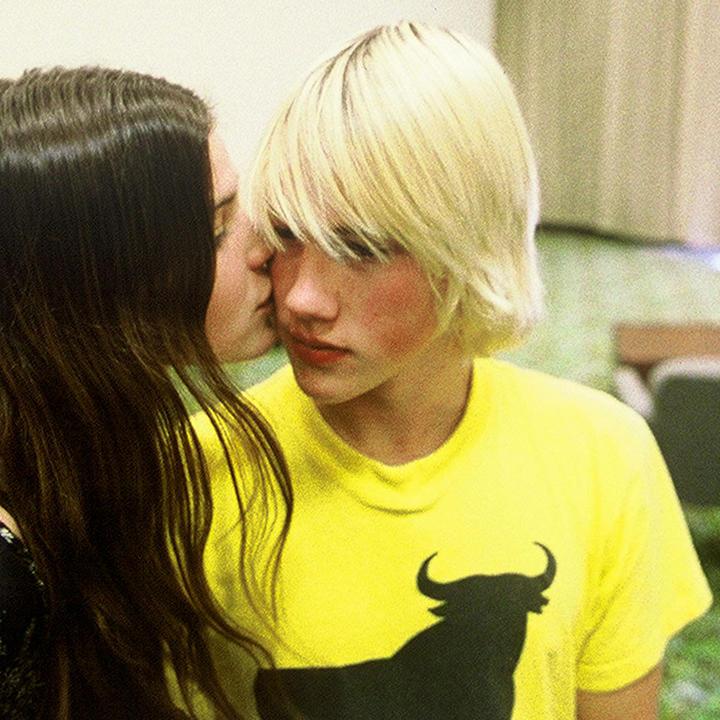
- Youth and Subculture: Many of his works, such as Drugstore Cowboy and Paranoid Park, depict the experiences of youth and various subcultures, touching on issues like drug addiction and the search for identity.
- Reality vs. Fiction: Films like Good Will Hunting and Finding Forrester deal with the line between fact and fiction, with characters often breaking out from their expected societal roles.
Styles:
- Minimalist Filmmaking: Van Sant has a penchant for understated, minimalist storytelling. This is particularly evident in his “Death Trilogy” (Gerry, Elephant, and Last Days), which features long takes and sparse dialogue.
- Non-linear Narrative: He often employs non-linear storytelling techniques, such as the fractured narrative in My Own Private Idaho.
- Use of Music: The soundtracks of his films, whether it’s the use of pop songs in Good Will Hunting or the haunting tracks in Elephant, always play a pivotal role in setting the tone and mood.
- Cinematographic Choices: Van Sant often employs unique camera angles and movements. The tracking shots in Elephant and the experimental filming techniques in Gerry serve as prime examples.
Directorial Signature:
- Long Takes: One of Van Sant’s hallmarks is his use of long, uninterrupted takes, which immerse the audience in the moment and the environment.
- Authentic Performances: Van Sant has a knack for drawing deeply authentic and sometimes improvised performances from his actors, which adds to the realistic feel of his films.
- Exploration of Real Events: Van Sant often creates fictionalised accounts of real events or people, as seen in films like Milk (Harvey Milk’s life) or Elephant (inspired by the Columbine High School massacre).
- Connection to Portland: Many of Van Sant’s films are set in or around Portland, Oregon, giving a distinctive regional touch to his stories.
- Hybrid Genres: He doesn’t confine himself to a particular genre. Instead, he fuses elements of drama, biography, and even experimental cinema to create hybrid narratives.
Gus Van Sant: The 148th Greatest Director

 Bronze Screen Dream