
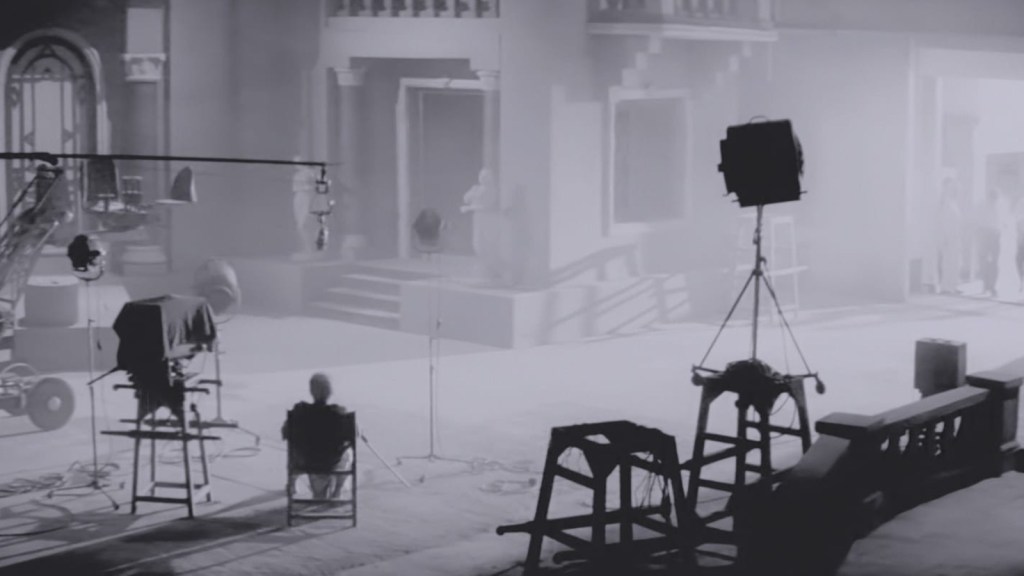
Guru Dutt was an Indian film director, producer, and actor best known for his timeless contributions to Hindi cinema. His works primarily focused on the complex human psyche, societal challenges, and the sometimes turbulent blending of modern and traditional values. His films, particularly Pyaasa and Kaagaz Ke Phool, are celebrated for their poetic narrative and compelling depiction of the human condition.
Dutt’s filmography is remarkable for its deeply introspective and melancholic narrative style, often reflecting the societal disillusionment and existential crisis faced by individuals. For example, Pyaasa skillfully unravels the struggles and frustrations of an unrecognised poet in post-independence India, weaving a tragic yet beautiful tale of love, rejection, and ultimate redemption. The film delves into themes of artistic integrity and the pervasive corruption and commercialisation within the literary and artistic spheres.
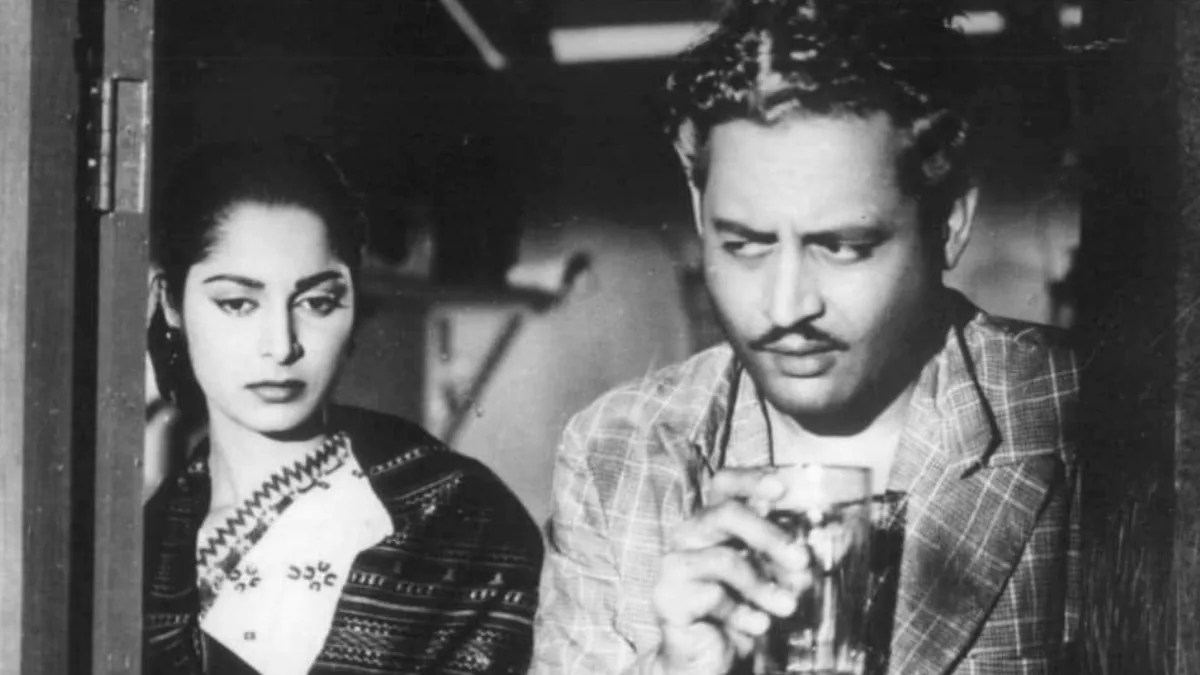
Furthermore, Guru Dutt’s films are visually striking, incorporating German Expressionist cinematography with a unique Indian aesthetic to create timeless masterpieces. His innovative use of lighting, shadows, and meticulously composed frames helps convey the deep emotional currents running through his narratives. In Kaagaz Ke Phool, Dutt employs these techniques masterfully to reflect the protagonist’s gradual descent into obscurity and isolation, mirroring Dutt’s own life and struggles in the process.

Guru Dutt (1925 – 1964)
Calculated Films:
- Pyaasa (1957)
- Kaagaz Ke Phool (1959)
Similar Filmmakers
- Abrar Alvi
- Akira Kurosawa
- Anurag Kashyap
- Bimal Roy
- Federico Fellini
- Francois Truffaut
- G. Aravindan
- Girish Kasaravalli
- Mani Ratnam
- Mehboob Khan
- Mrinal Sen
- Raj Kapoor
- Ritwik Ghatak
- Satyajit Ray
- Shaji N. Karun
- Shyam Benegal
- Vittorio De Sica
- Wong Kar-wai


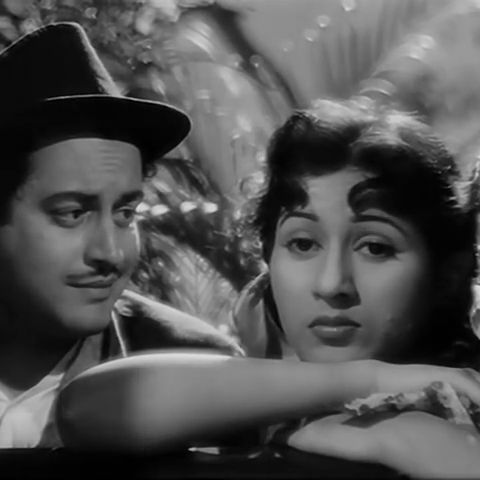
Guru Dutt’s Top 5 Films Ranked
1. Pyaasa (1957)
Genre: Musical, Melodrama, Romance, Parallel Cinema

2. Kaagaz Ke Phool (1959)
Genre: Musical, Melodrama, Romance, Parallel Cinema

3. Aar-Paar (1954)
Genre: Musical, Thriller, Film Noir
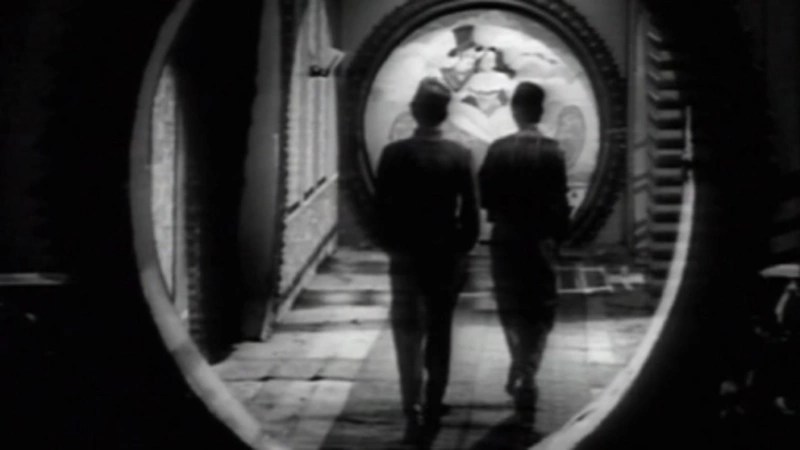
4. Baaz (1953)
Genre: Musical, Period Drama, Swashbuckler

5. Mr and Mrs 55 (1955)
Genre: Musical, Romantic Comedy

Guru Dutt: Themes and Style
Themes:
- Existential Despair & Loneliness: Many of Dutt’s films, such as Pyaasa and Kaagaz Ke Phool, deal with themes of existentialism, the inherent pain of living, and the loneliness of the individual.
- Societal Critique: He often dissected the hypocrisies and moral decay in society, using his films to shed light on topics like exploitation in the world of arts or the stark class differences.
- Romance: A recurring theme, often interwoven with tragedy, as seen in movies like Sahib Bibi Aur Ghulam and Chaudhvin Ka Chand.
- Complex Female Characters: Guru Dutt’s films had strong, complex female protagonists who often broke societal norms or showcased the plight of women in a patriarchal society.
Styles:
- Innovative Cinematography: Collaborating closely with V.K. Murthy, his cinematographer, Dutt’s films have some of the most memorable shots in Hindi cinema. The use of shadows and light, especially in films like Pyaasa and Kaagaz Ke Phool, created an evocative and often melancholic atmosphere.
- Song Picturisations: Guru Dutt seamlessly integrated music and narrative. His song sequences weren’t just about the music but advanced the plot and delved deeper into character psychologies.
- Complex Narratives: His stories often had multiple layers, intertwining romance, tragedy, societal critique, and personal introspection.
- Use of Motifs: Whether it’s the repeated use of mirrors, chandeliers, or spiral staircases, Dutt used these motifs symbolically, adding depth to his narratives.
Directorial Signature:
- Collaboration with the Same Team: He frequently worked with a close-knit team, including writer Abrar Alvi, cinematographer V.K. Murthy, and actress Waheeda Rehman, creating a consistent aesthetic and narrative style in his films.
- Personal Touch: His films often mirrored his own life, reflecting his internal struggles, passion for cinema, and perspectives on the industry.
- Masterful Storytelling: Guru Dutt had a unique way of blending mainstream elements with art-house sensibilities, making his films both critically acclaimed and commercially successful.
- Use of Silence: He masterfully used silence or ambient sound to convey emotions, often saying more in moments of quiet than with dialogues.
- Mise-en-scène: His meticulous attention to detail in terms of setting, costumes, and props added layers to his storytelling, making the visuals as compelling as the narratives.
Guru Dutt – The 285th Greatest Director


 Bronze Screen Dream