

Gregg Araki is an American filmmaker best known for his distinctive and pioneering contributions to the New Queer Cinema movement. His films are celebrated for their unabashed portrayal of queer identities, youthful alienation, and subversive take on popular culture. Works such as The Living End and Mysterious Skin epitomise Araki’s knack for blurring lines between genres, offering a mix of dark comedy, drama, and romance while navigating the intricate maze of sexuality and human connections.
Themes of rebellion, existential angst, and the search for identity are ever-present, as seen in his Teenage Apocalypse Trilogy, which includes Totally F**ed Up*, The Doom Generation, and Nowhere. These films, while diverse in narrative, are unified in their exploration of disaffected youth and their confrontations with a hostile or indifferent society. Araki’s visual style complements these thematic underpinnings: his films are vibrant, filled with pop-cultural references, and often employ a frenetic pace, mirroring the chaotic inner worlds of his characters.
Furthermore, Araki has a talent for creating atmospheric, immersive worlds that draw viewers into his characters’ experiences. His approach to filmmaking is both intimate and surreal, which often juxtaposes dreamlike sequences with harsh reality. For instance, Kaboom blends science fiction and college drama, resulting in a genre-defying narrative where the boundaries between reality and fantasy are consistently blurred. Throughout his body of work, Araki’s commitment to pushing boundaries—be they thematic, aesthetic, or genre-related—stands out, making him a unique and vital voice in independent cinema.

Gregg Araki (1959 – -)
Calculated Films:
- Nowhere (1997)
- Mysterious Skin (2004)
Similar Filmmakers
- John Cameron Mitchell
- John Waters
- Jon Moritsugu
- Larry Clark
- Lisa Cholodenko
- Lynne Ramsay
- Nathan Silver
- Pedro Almodovar
- Richard Linklater
- Todd Haynes
- Todd Solondz
- Todd Verow


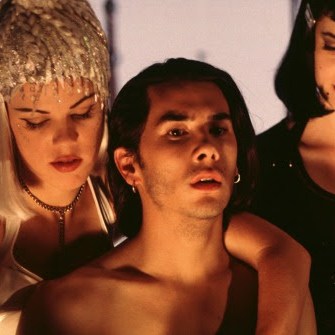
Gregg Araki’s Top 5 Films Ranked
1. Mysterious Skin (2004)
Genre: Coming-of-Age, Psychological Drama

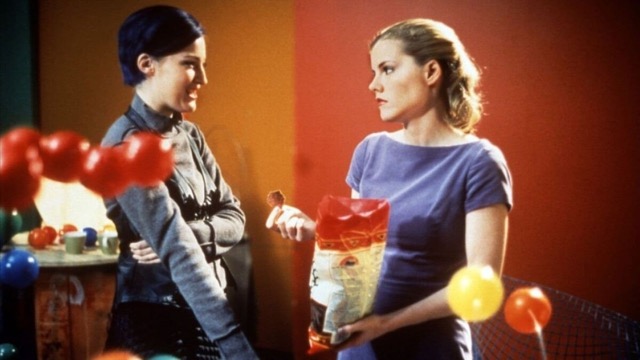
2. Nowhere (1997)
Genre: Teen Movie, Black Comedy

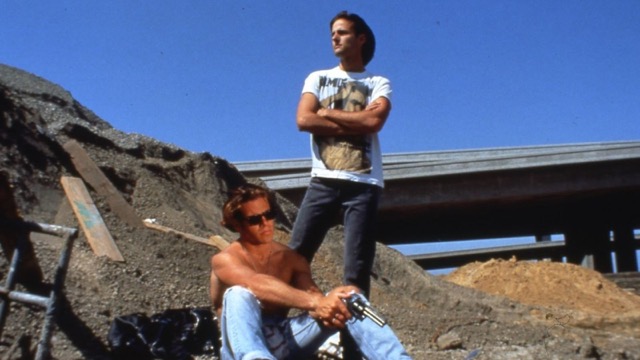
3. The Living End (1992)
Genre: Road Movie, Romance, Drama, Black Comedy

4. Totally F***ed Up (1993)
Genre: Drama, Teen Movie, Coming-of-Age, Slice of Life

5. The Doom Generation (1995)
Genre: Road Movie, Black Comedy, Crime

Gregg Araki: Themes and Style
Themes:
- Sexuality and Identity: One of the foremost themes in Araki’s works is the exploration of sexuality, often delving into LGBTQ+ narratives and the struggles and experiences that come with it. His films frequently depict characters grappling with their sexual orientation or gender identity, showcasing their emotional and psychological journey.
- Youthful Alienation and Rebellion: A majority of Araki’s characters are teenagers or young adults who feel disconnected from societal norms or are in defiance of them. These characters often navigate a world that feels confusing, hostile, or indifferent, leading to feelings of alienation.
- Dark Humour: Araki infuses his works with a unique blend of dark humour, often using it to underscore the absurdities of life or to provide a counterpoint to his films’ more dramatic or intense moments.
Styles:
- Eclectic Soundtracks: Music plays a pivotal role in Araki’s films. His soundtracks, often featuring alternative or indie rock, set the tone for the narrative and are integral to the atmosphere of his movies.
- Vibrant and Surreal Visuals: His films often boast a distinct visual style characterised by bold colours, unusual camera angles, and sometimes dreamlike quality.
- Non-linear Storytelling: Araki’s films sometimes eschew traditional narrative structures, opting for fragmented, non-linear, or episodic storytelling, which can make his work feel both disorienting and captivating.
- Mashup of Genres: While his films can be classified under the “New Queer Cinema” movement, Araki isn’t afraid to blend genres, mixing elements of sci-fi, drama, romance, and comedy.
Directorial Signature:
- Intimately Chaotic: Araki’s direction feels deeply personal and raw. Even when delving into fantastical or surreal themes, there’s an underlying authenticity to the emotions his characters display.
- Subversion: Araki often subverts societal norms, genre conventions, and audience expectations, challenging preconceived notions about narrative cinema and the topics he addresses.
- Edgy and Provocative: His works often tread on the edge, unafraid to tackle controversial subjects or to depict explicit scenes, always with a purpose to underscore his thematic pursuits.
- Unique Voice in Queer Cinema: As a prominent figure in the “New Queer Cinema” movement of the 1990s, Araki’s films stand out for their unapologetic portrayal of LGBTQ+ characters and narratives, providing a voice that was, at the time, underrepresented in mainstream cinema.
Gregg Araki – Great Director

 Bronze Screen Dream