
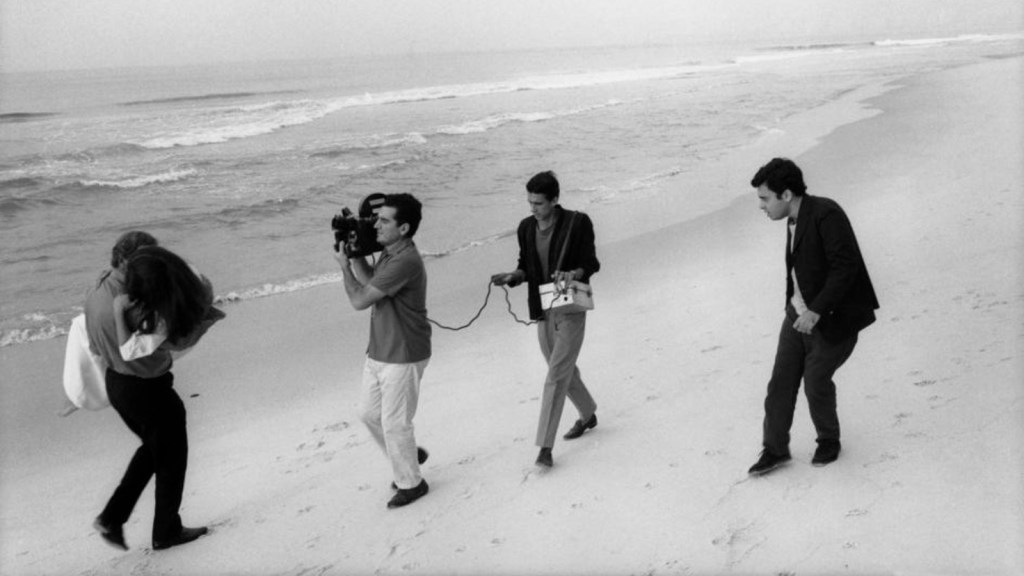
Glauber Rocha, the Brazilian filmmaker and key figure in the Cinema Novo movement, is recognised for his revolutionary films that confronted the socio-political issues of Brazil and Latin America. His most notable works, Black God, White Devil and Entranced Earth, have become some of the most acclaimed South American films.
Rocha’s humble beginnings in the northeastern state of Bahia heavily influenced his filmmaking style and subject matter. He was drawn to cinema as a tool to express his socio-political ideas and to portray the realities of Brazilian life. His films often feature recurring themes of poverty, violence, and socio-political struggle, underlined by a strong emphasis on allegory and symbolism. For instance, Antonio das Mortes presents the struggle against oppressive landowners through the lens of a mythic bounty hunter.
An audacious approach to filmmaking was the hallmark of Rocha’s directorial style. He opted for unorthodox narrative structures, utilising allegory, surrealism, and theatrics. Furthermore, he was notable for his “aesthetics of hunger,” a filmmaking philosophy that sought to depict the harsh realities of life in Brazil’s impoverished regions. Barravento showcases this approach as it presents the life of Bahian fishermen grappling with economic hardship and cultural subjugation.
“I am the Cinema Novo”
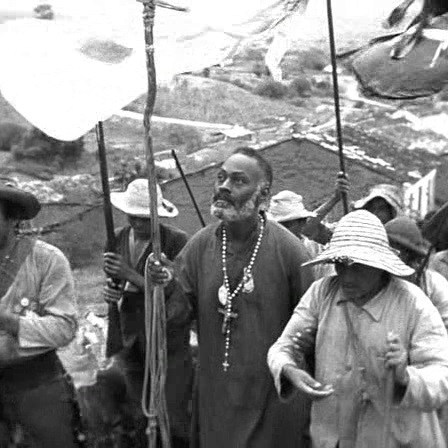
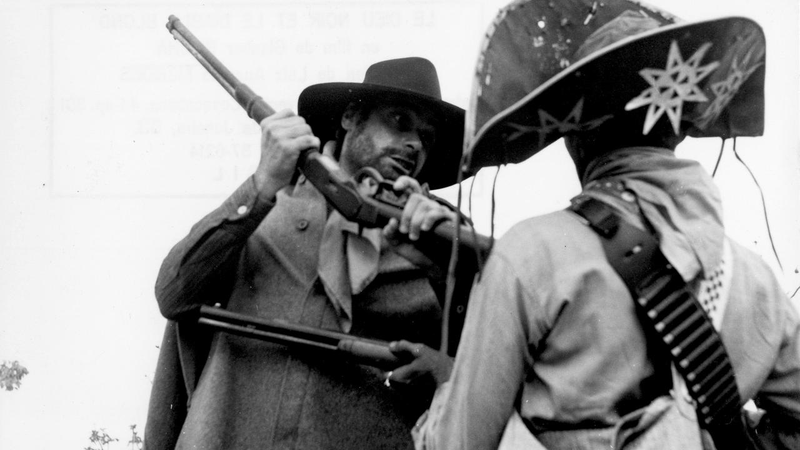
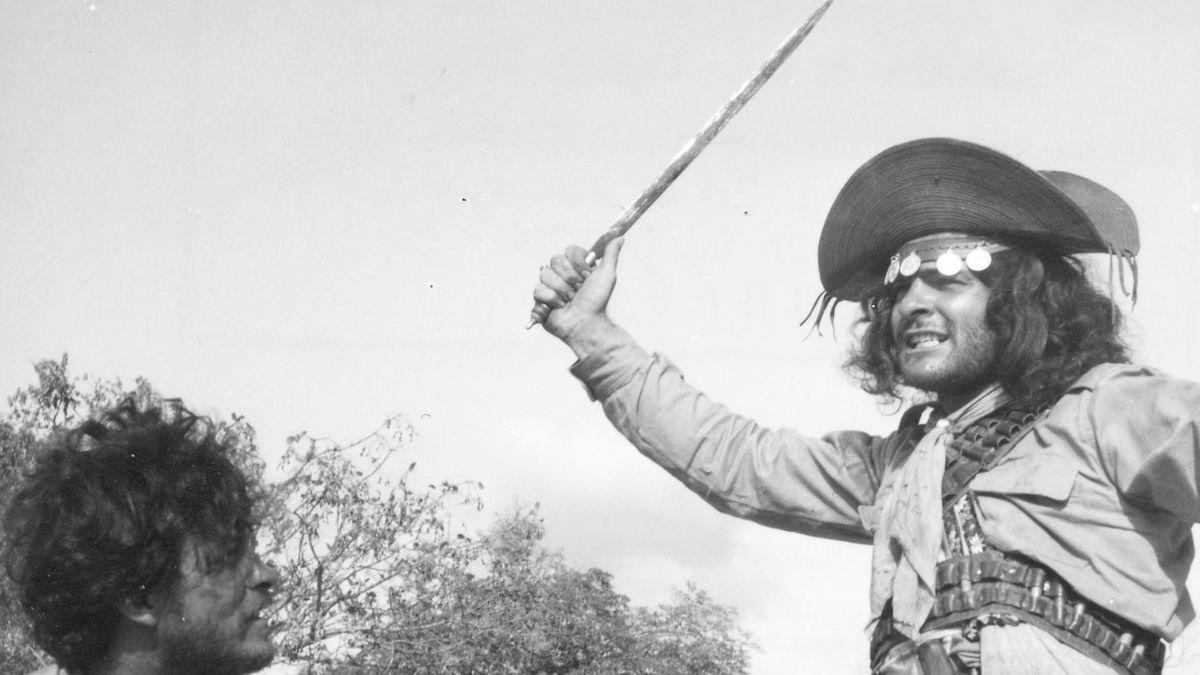
Visually, Rocha’s films were distinctive for their stark and raw aesthetics. His cinematic language drew from the Brazilian Northeast’s harsh landscape, featuring barren terrains and impoverished settings, and contrasted it with evocative, high-contrast cinematography. Black God, White Devil is a classic example, with its monochrome images capturing the starkness of the Sertão region.
Rocha’s influence has reverberated across global cinema, inspiring filmmakers who seek to utilise cinema as a tool for socio-political critique. Directors like Tomas Gutierrez Alea and Rainer Werner Fassbinder have acknowledged his influence. Furthermore, his impact on film history has been significant; he spearheaded the Cinema Novo movement that reshaped Brazilian cinema and contributed to the larger political film movement of the 1960s and 70s. His films continue to be studied, appreciated, and critically reappraised as fiercely individualistic works of political cinema.
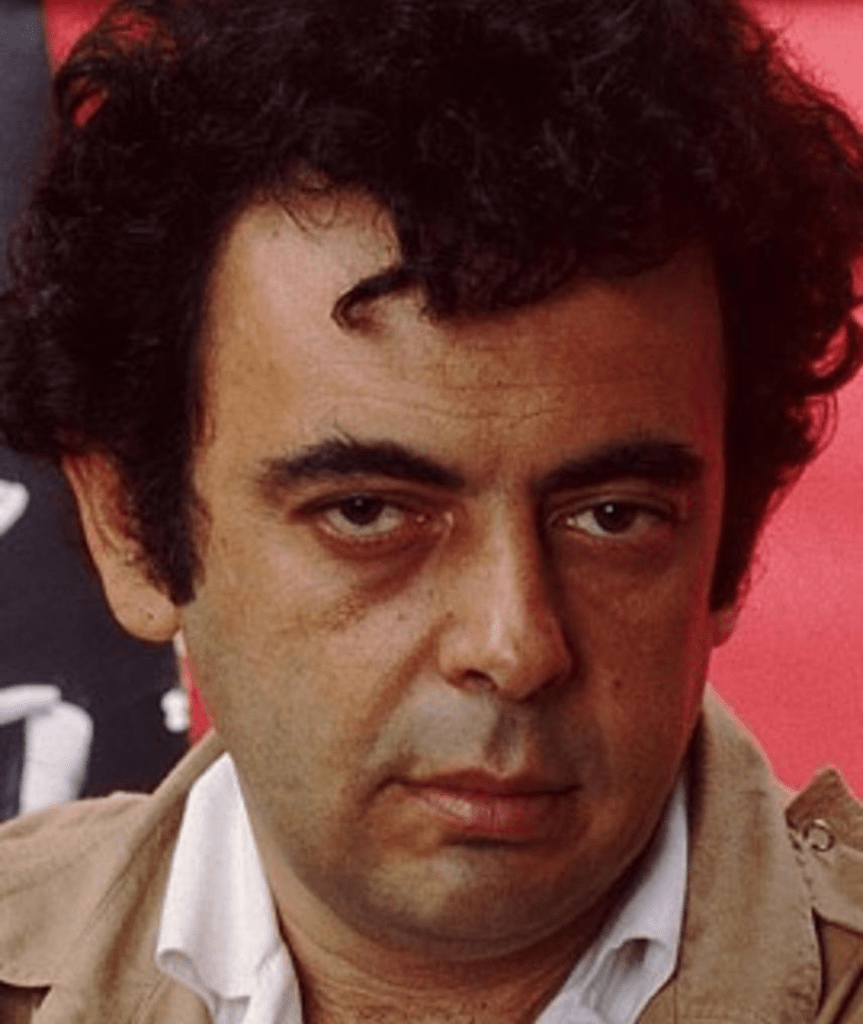
Glauber Rocha (1939 – 1981)
Calculated Films:
- Black God, White Devil (1964)
- Entranced Earth (1967)
- Antonio das Mortes (1969)
- Di Cavalcanti (1977)
- The Age of Earth (1980)
Similar Filmmakers
- Alejandro Jodorowsky
- Carlos Diegues
- Fernando Solanas
- Hector Babenco
- Jean-Luc Godard
- Joaquim Pedro de Andrade
- Jorge Sanjines
- Leon Hirszmann
- Marcel Camus
- Nelson Pereira dos Santos
- Ousmane Sembene
- Paulo Cesar Saraceni

Glauber Rocha’s Top 10 Films Ranked
1. Black God, White Devil (1964)
Genre: Acid Western, Psychological Drama, Religious Film
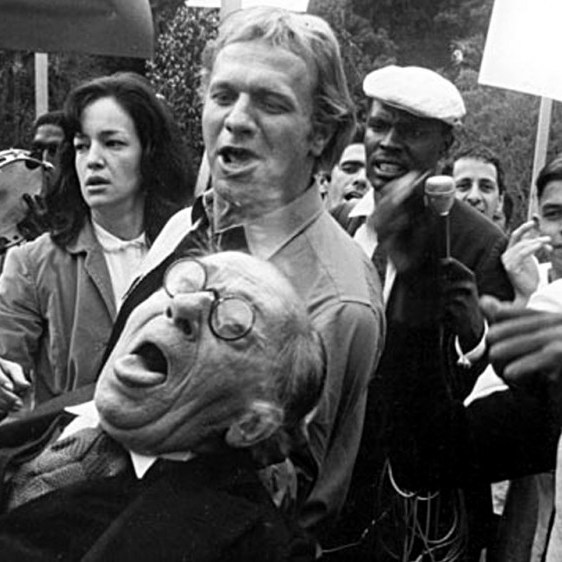
2. Entranced Earth (1967)
Genre: Political Drama

3. Antonio das Mortes (1969)
Genre: Western, Drama

4. Di Cavalcanti (1977)
Genre: Art Documentary, Essay Film

5. The Age of Earth (1980)
Genre: Drama, Experimental

6. Maranhao 66 (1966)
Genre: Documentary, Political Documentary

7. The Turning Wind (1962)
Genre: Drama

8. The Lion Has Seven Heads (1970)
Genre: Political Drama

9. Cancer (1972)
Genre: Drama
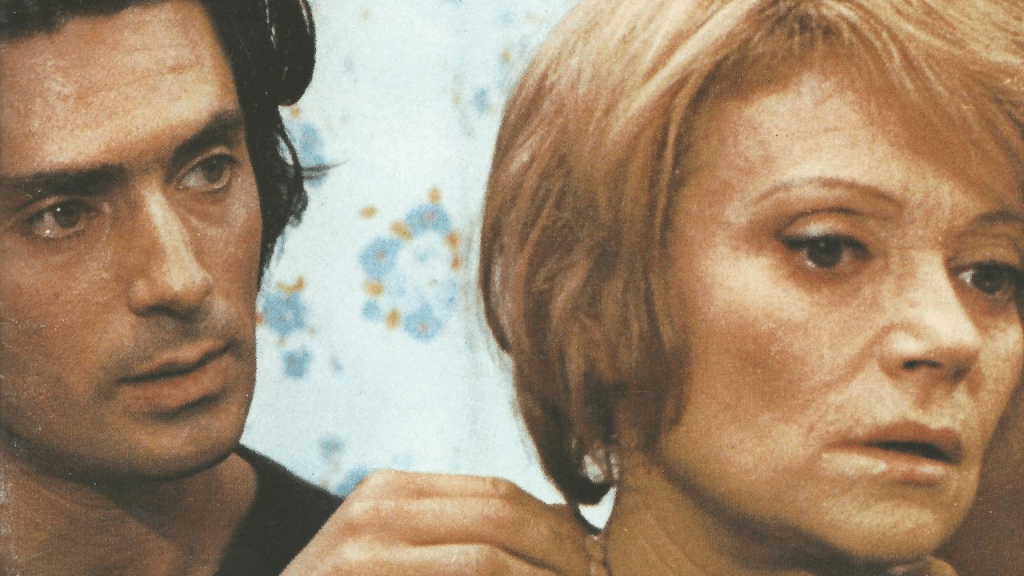
10. Claro (1975)
Genre: Essay Film, Experimental
Glauber Rocha: Themes and Style
Themes:
- Socio-Political Critique: Rocha’s films are well-known for their strong political underpinnings, primarily highlighting the socio-economic disparities and political corruption prevalent in Brazilian society during his era.
- Cultural Identity: His work delves into Brazil’s complex cultural identity, often showcasing the tension between traditional Brazilian customs and the influences of European colonialism.
- Religion and Spirituality: Many of his films explore religious themes, with a particular focus on the syncretic nature of Brazilian spirituality, which melds Catholicism and African religions.
- Resistance and Revolution: Rocha was deeply influenced by the spirit of resistance and revolutionary fervour of the 1960s, and his films often include characters who challenge the oppressive status quo.
Styles:
- Aesthetic of Hunger: Rocha advocated for an “aesthetic of hunger,” which sought to represent the raw, visceral reality of life in Brazil’s impoverished regions. This aesthetic is characterised by a gritty, unpolished visual style that refuses to romanticise poverty.
- Non-Linear Storytelling: His films often eschew traditional narrative structures, opting instead for fragmented, non-linear storytelling that mirrors the chaotic, unpredictable nature of life in a society marked by deep inequalities.
- Allegorical Elements: Rocha’s works are replete with allegory and symbolism, using individual characters and stories as metaphors for broader social and political themes.
- Experimental Techniques: He utilised various experimental film techniques, including abrupt editing, handheld camera work, and non-professional actors, to create a sense of immediacy and authenticity.
Directorial Signature:
- Visual Language: Rocha developed a distinct visual language that combines the stark realism of his subjects with surreal and symbolic imagery. His films are visually arresting, often using high-contrast lighting and dramatic compositions to heighten the emotional impact.
- Social Commitment: Each of Rocha’s films expresses a deep commitment to social justice. His works are not meant to be merely observational but aim to provoke thought and action among viewers regarding the socio-political issues they address.
Glauber Rocha: The 160th Greatest Director


 Bronze Screen Dream