
Gillian Armstrong is an Australian film director who gained international acclaim with her feature film My Brilliant Career, which not only marked her as a significant figure in the Australian New Wave cinema movement but also showcased her commitment to portraying strong, complex female characters. Her films are known for their deep emotional resonance and vivid character portrayals, and they often explore the lives and struggles of women, making her a pivotal figure in feminist cinema.
Armstrong’s career, beginning in the mid-1970s, has been marked by a consistent exploration of women’s stories, both in historical and contemporary settings. This thematic focus is evident in films like Little Women and Oscar and Lucinda, where she delves into the intricacies of female experiences and relationships. Her approach often involves a detailed, almost literary style of storytelling, where characters and their inner worlds are meticulously developed. Armstrong’s films are known for their rich visual style, combining evocative cinematography with a keen sense of period detail, especially in her historical dramas. This attention to visual storytelling not only serves to immerse the audience in the narrative but also to underline the emotional and psychological states of her characters.
She is known for her ability to draw out nuanced performances, often working closely with actors to explore the depths of their characters. This has led to memorable performances in many of her films, such as Cate Blanchett’s portrayal in Charlotte Gray. Additionally, Armstrong’s films often eschew conventional narrative pacing in favour of a more reflective, almost meditative approach that allows viewers to engage deeply with the characters and their journeys.

Gillian Armstrong (1950 –)
Calculated Films:
- NA
Similar Filmmakers
- Ang Lee
- Beeban Kidron
- Bruce Beresford
- Cate Shortland
- Jane Campion
- Jocelyn Moorhouse
- Joe Wright
- John Madden
- Julie Dash
- Lasse Hallstrom
- Lone Scherfig
- Mira Nair
- Nadia Tass
- Niki Caro
- Nora Ephron
- Peter Weir
- Philip Noyce
- Sofia Coppola


Gillian Armstrong’s Top 5 Films Ranked
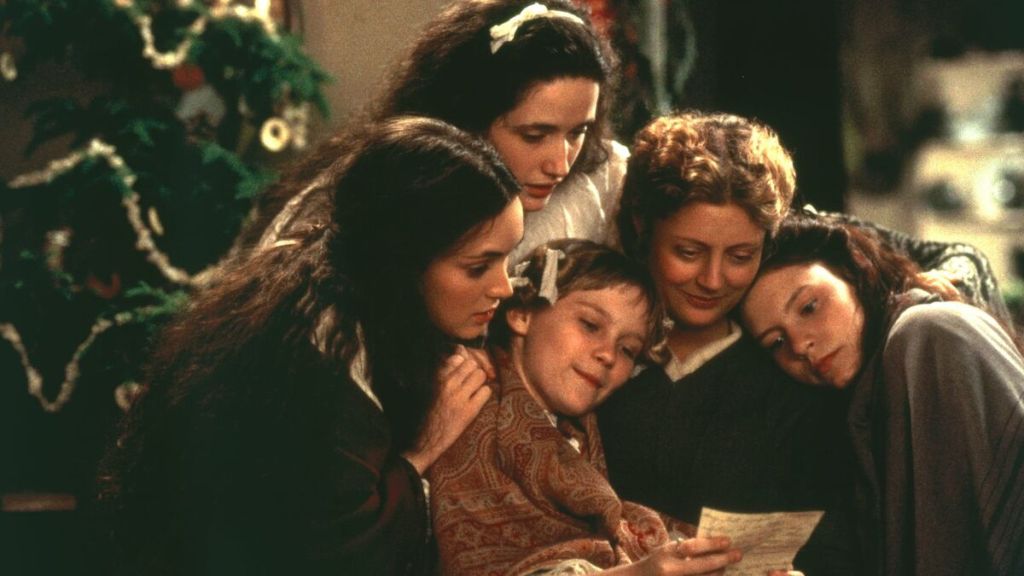
1. Little Women (1994)
Genre: Melodrama, Family Drama, Coming-of-Age, Period Drama
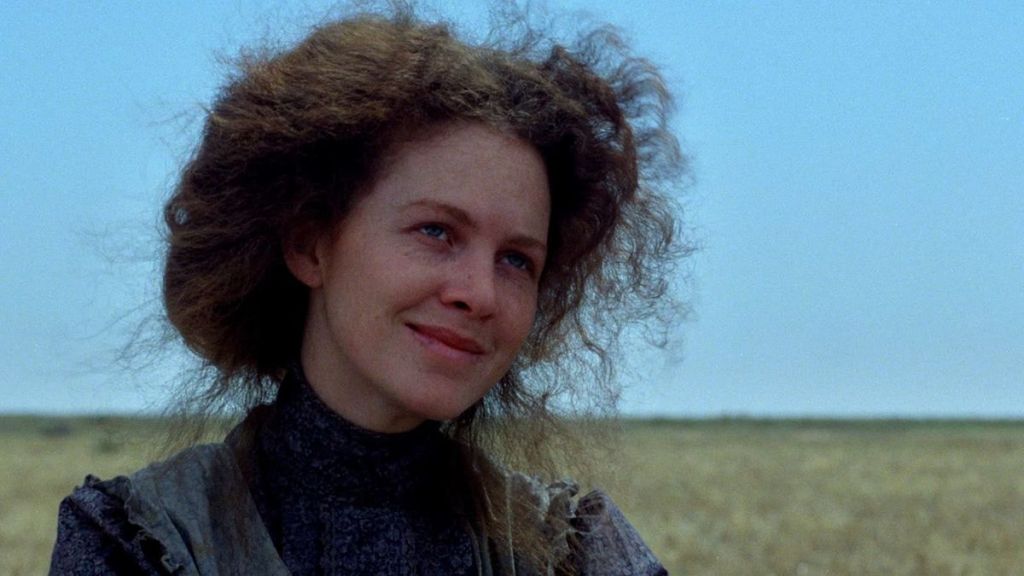
2. My Brilliant Career (1979)
Genre: Romance, Period Drama, Coming-of-Age
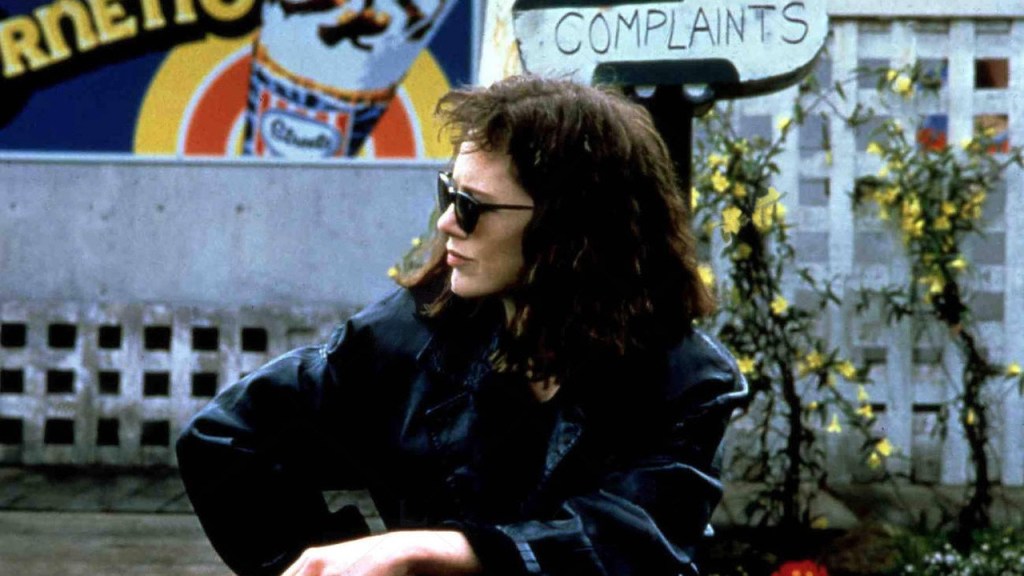
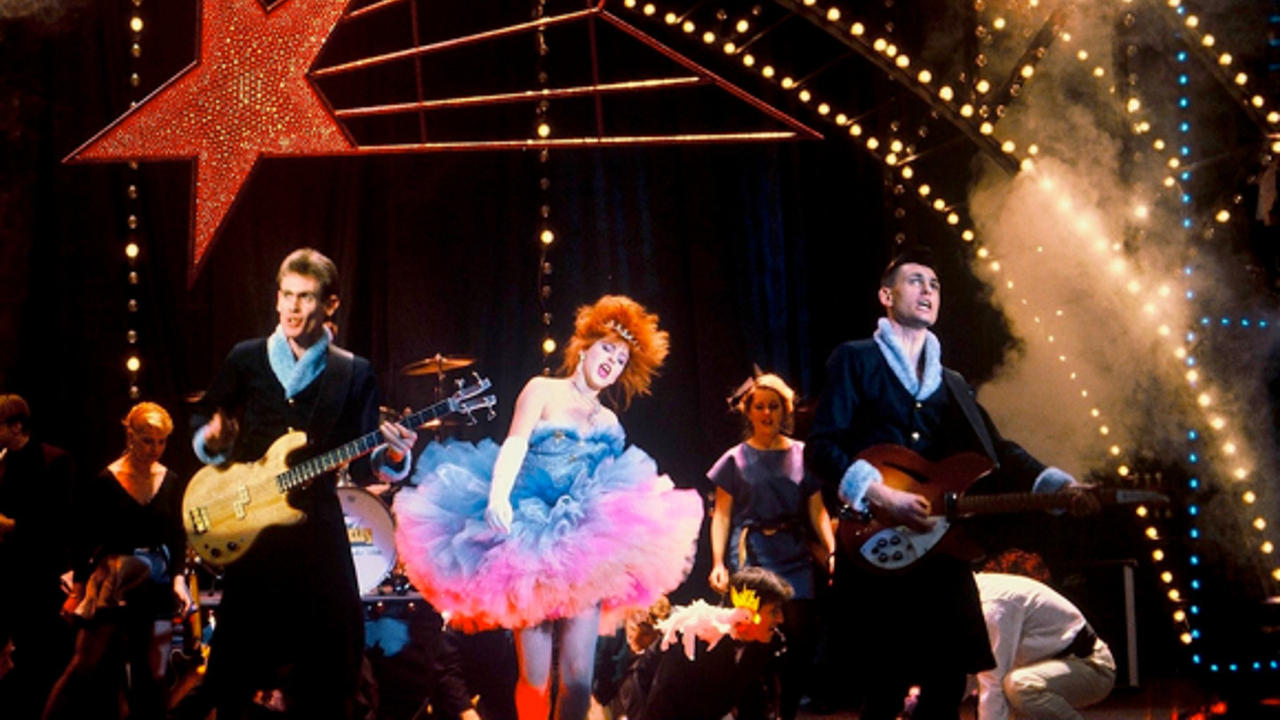
3. Starstruck (1982)
Genre: Musical, Comedy

4. High Tide (1987)
Genre: Family Drama
5. Charlotte Gray (2001)
Genre: Romance, Period Drama, Spy, War

Gillian Armstrong: Themes and Style
Themes:
- Feminist Perspectives: Armstrong often focuses on women’s lives and experiences, portraying them with depth and complexity. In My Brilliant Career, the protagonist’s struggle for independence and self-expression in a male-dominated society is a key example.
- Individualism vs. Societal Expectations: Her films frequently explore the tension between individual desires and societal norms. Little Women showcases the different paths the March sisters take, each navigating their way through the expectations of their era.
- Artistic Aspirations and Creative Struggles: The theme of pursuing artistic and creative passions, often against challenging odds, is prominent in her work. My Brilliant Career and Starstruck both feature protagonists with strong artistic ambitions.
- Period Pieces and Historical Context: Many of Armstrong’s films are set in historical contexts, where she meticulously recreates the period’s social and cultural milieu. Oscar and Lucinda is a vivid portrayal of 19th-century Australia.
- Complex Family Dynamics: She delves into the intricacies of family relationships, examining the bonds and tensions within. Little Women is a prime example, exploring the dynamics among the March family members.
Styles:
- Lush Cinematography: Armstrong’s films are known for their rich, detailed visual style. Her use of colour and light brings a vibrant quality to period settings, as seen in Little Women.
- Narrative Intimacy: She often employs a style that creates a sense of intimacy with the characters, allowing the audience to deeply connect with their inner worlds and emotions, as evident in My Brilliant Career.
- Blend of Realism and Romanticism: Armstrong’s work combines realistic portrayals of life’s challenges with a romantic, sometimes whimsical tone. This is especially evident in Oscar and Lucinda, where the romantic narrative is set against a starkly realistic historical backdrop.
- Use of Music and Soundtrack: Armstrong often uses music strategically to enhance the emotional depth and period atmosphere of her films, such as the carefully selected classical pieces in Little Women.
Directorial Signature:
- Focus on Strong Female Leads: Armstrong is known for her strong, complex female characters who defy traditional roles, as seen in My Brilliant Career and Little Women.
- Adaptation of Literary Works: Many of Armstrong’s most successful films are adaptations of literary works, where she brings a fresh perspective while staying true to the source material, such as her adaptation of Little Women.
- Attention to Period Detail: A hallmark of Armstrong’s directing is her meticulous attention to historical detail, whether in setting, costume, or societal norms, creating an immersive period experience in films like Oscar and Lucinda.
- Exploration of Australian Identity: As an Australian director, Armstrong often incorporates elements of Australian culture and identity, even in films not explicitly set in Australia, adding a unique perspective to her storytelling.
Gillian Armstrong – Great Director


 Bronze Screen Dream