

Georges Méliès was a French illusionist, film director, and producer who is widely regarded as one of the pioneers of early cinema. Known for his innovative use of special effects, storytelling techniques, and imaginative visuals, Méliès played a crucial role in shaping the medium of film as we know it today.
Méliès began his career as a stage magician, performing at the famous Robert-Houdin Theater in Paris. However, after attending a demonstration of the Lumière brothers’ cinematograph in 1895, he became fascinated with the potential of this new technology and began experimenting with it himself.
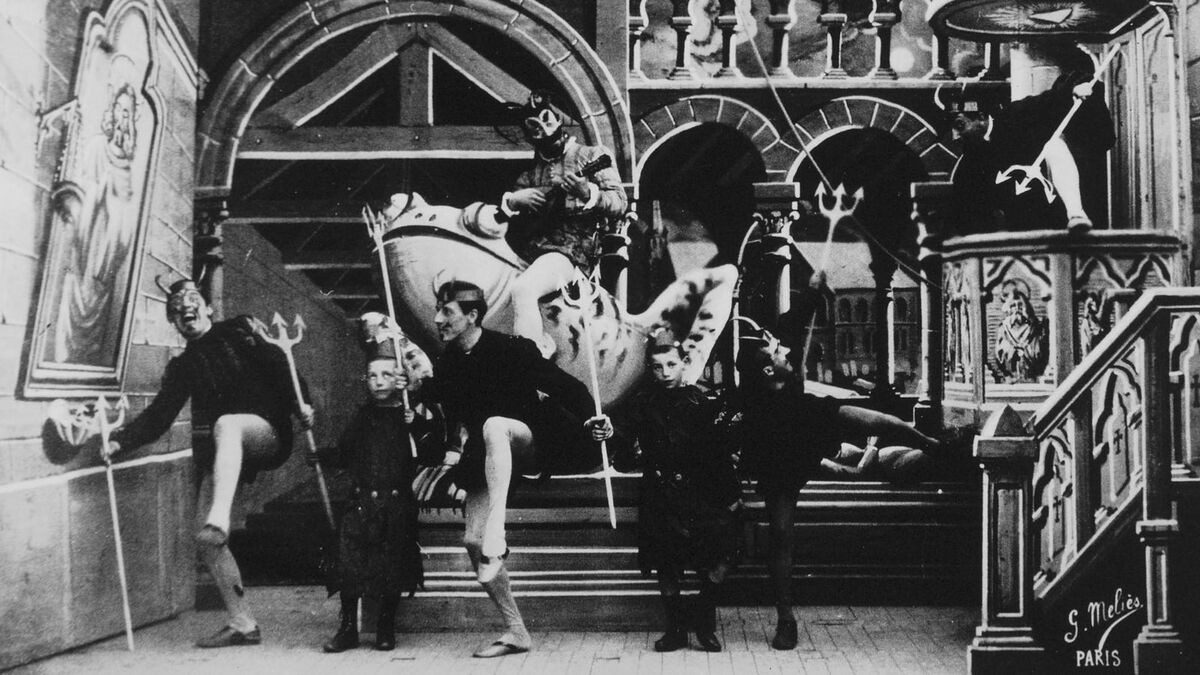
In 1896, Méliès opened his own film studio, the Star Film Company, where he produced and directed hundreds of short films over the next two decades. These films often featured elaborate sets, costumes, and special effects, which Méliès created using a combination of stage magic techniques and innovative film tricks such as multiple exposures, stop-motion animation, and dissolves.
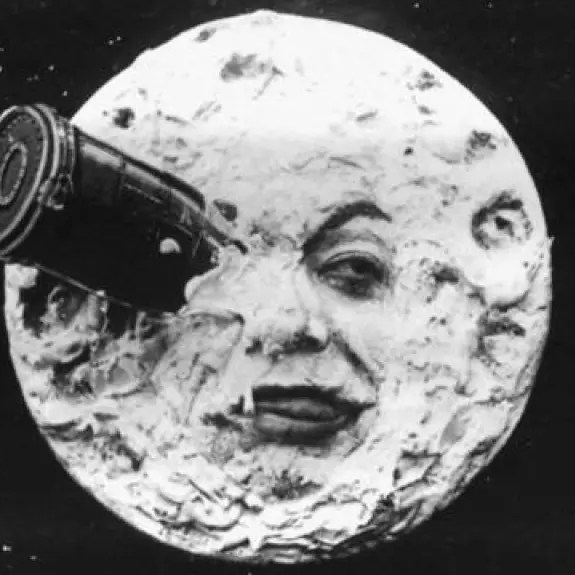
Some of Méliès’ most famous films include A Trip to the Moon, which follows a group of astronomers on a fantastical journey to the lunar surface, and The Impossible Voyage, which depicts a surreal adventure across the solar system. These films showcased Méliès’ boundless imagination and his ability to create otherworldly visuals that captivated audiences around the world.
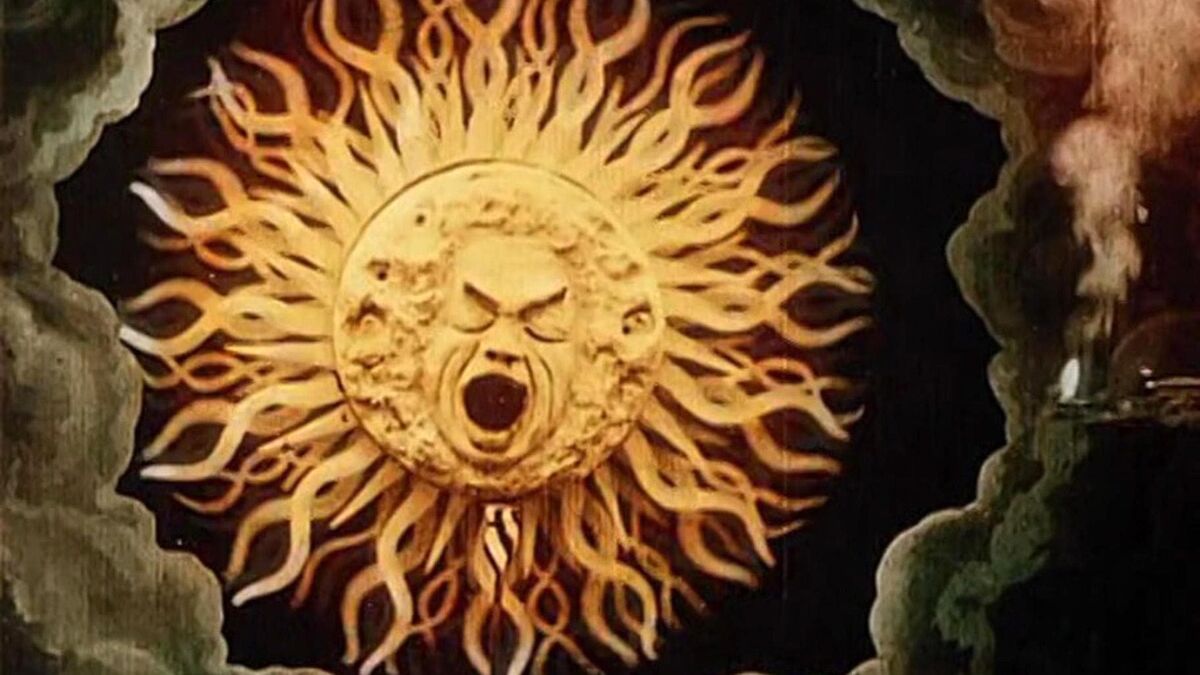
Throughout his career, Méliès continued to push the boundaries of what was possible with film, creating longer and more ambitious works such as The Kingdom of the Fairies and The Barber of Seville. He also experimented with colour film, hand-tinting individual frames to create vibrant, dreamlike images that were unlike anything audiences had seen before.
Despite his success, Méliès’ later years were marked by financial difficulties and obscurity, as changing tastes and the rise of new filmmaking techniques made his work seem increasingly outdated. However, in the decades since his death in 1938, Méliès has been rediscovered and celebrated as a true visionary of early cinema, whose boundless creativity and imagination helped to shape the medium into the art form we know today.

Georges Méliès (1861 – 1938)
Calculated Films
- NA
Similar Filmmakers
- Alice Guy-Blache
- D.W. Griffith
- Edwin S. Porter
- Ferdinand Zecca
- Fritz Lang
- Gaston Velle
- Guy Maddin
- Jean Cocteau
- Karel Zeman
- Ladislas Starevich
- Louis Feuillade
- Luis Bunuel
- Rene Clair
- Segundo de Chomon
- Terry Gilliam
- W.K.L. Dickson
- Walt Disney
- Walter R. Booth
5 Georges Méliès’ Films You Should Watch
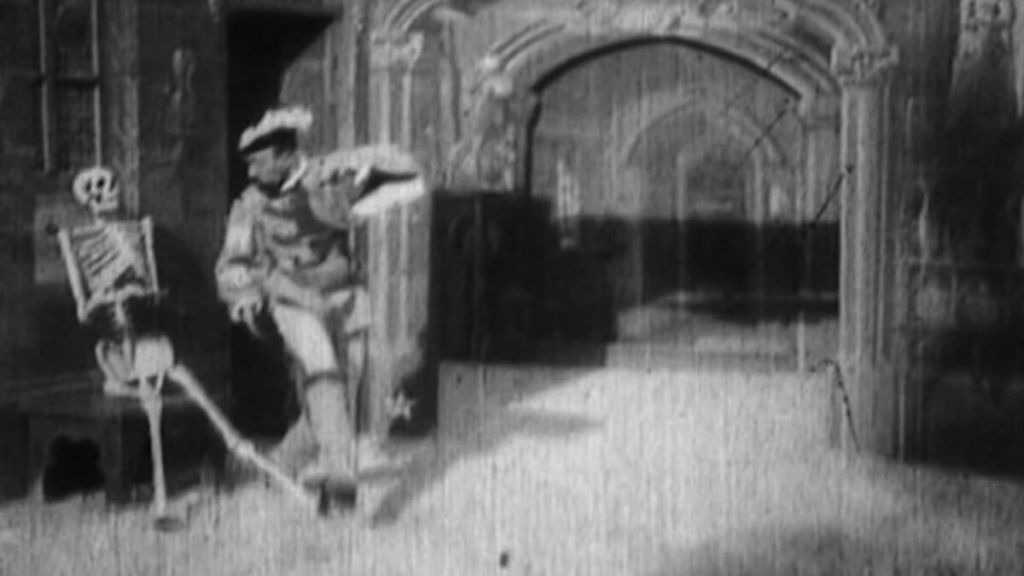
The Haunted Castle (1896)
Genre: Haunted House, Trick Film
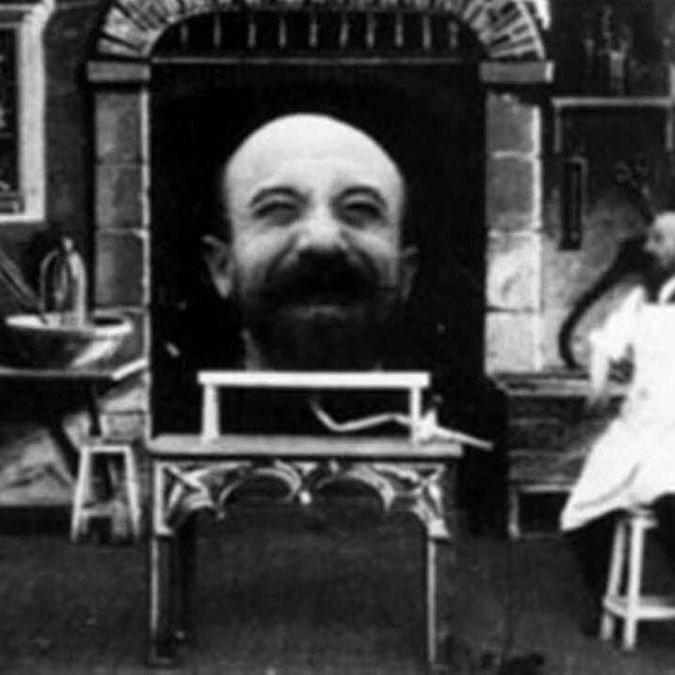
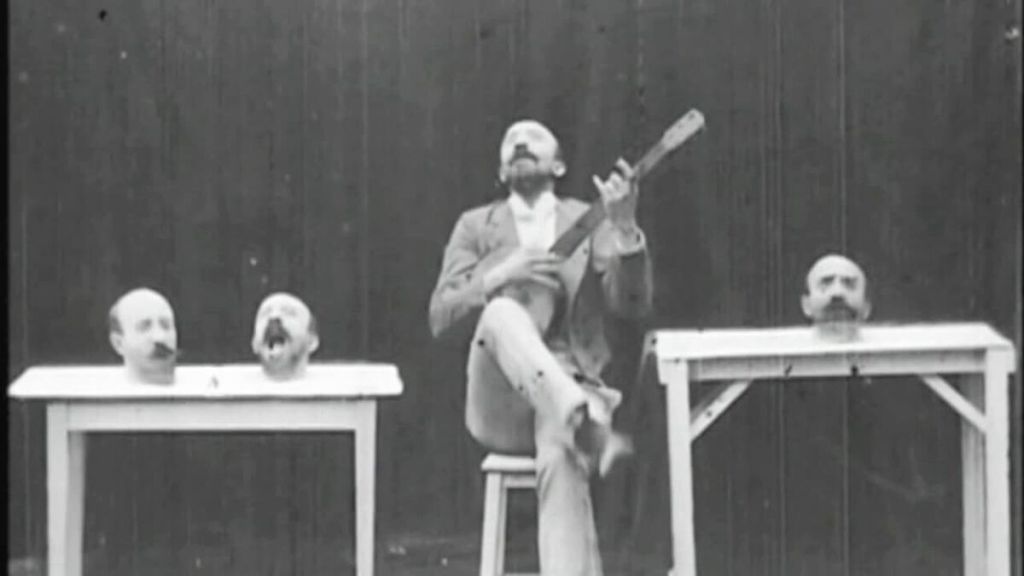
The Four Troublesome Heads (1898)
Genre: Trick Film, Comedy
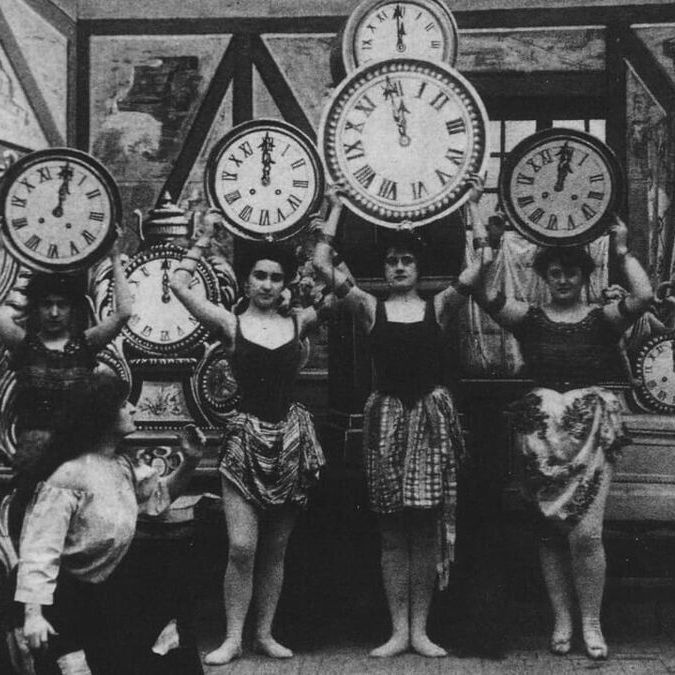
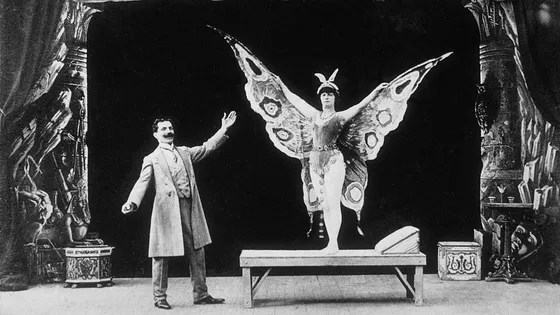
The Astronomer’s Dream (1898)
Genre: Trick Film, Fantasy, Slapstick

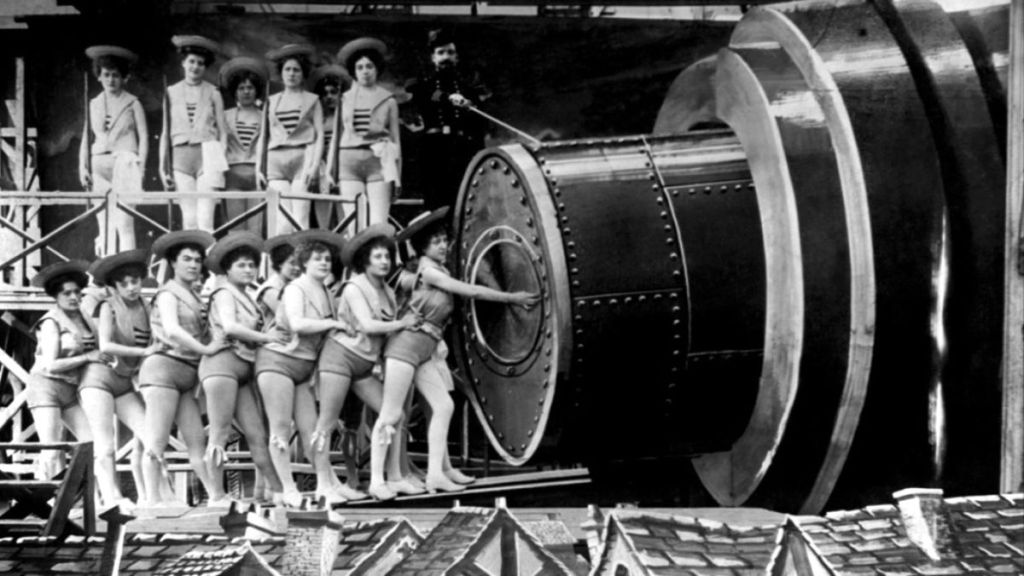
A Trip to the Moon (1902)
Genre: Science Fiction, Adventure, Trick Film, Fantasy, Space Exploration, Extraterrestrial
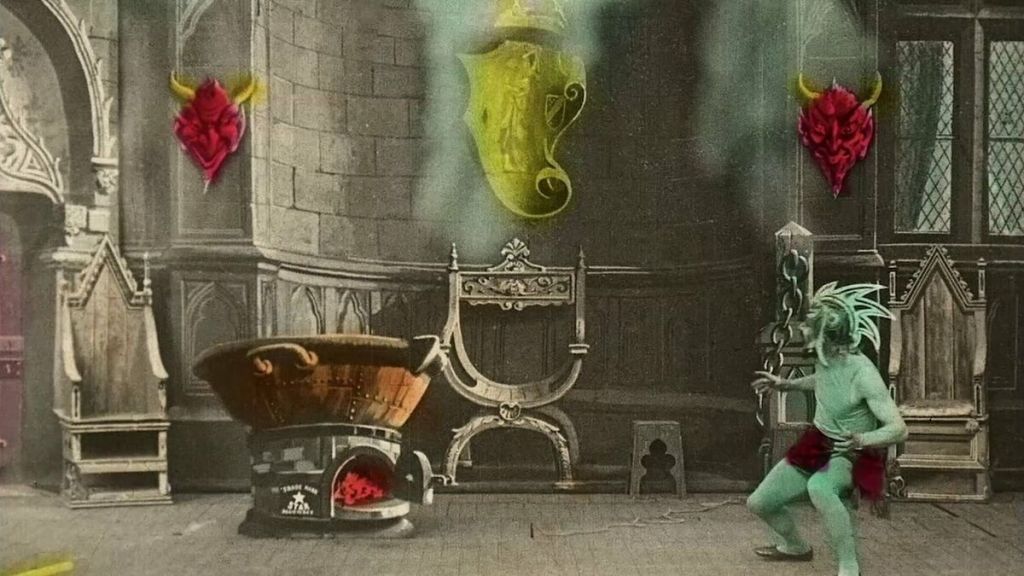
The Infernal Cauldron (1903)
Genre: Trick Film, Supernatural Horror
Georges Méliès: Themes and Style
Themes
- Fantasy and Spectacle: Méliès was enamoured with the unreal and the extraordinary. His films often ventured into fantastical worlds filled with mythical creatures, wizards, and celestial journeys.
- Science and Exploration: Inspired in part by the writings of Jules Verne, Méliès was fascinated with the concept of discovery, often showcasing elaborate voyages, like the iconic “A Trip to the Moon.”
- Magic and Illusion: As a professional magician, the idea of illusion and trickery frequently permeated his films. This often manifests in transformation scenes, sudden appearances, and vanishing acts.
- Comedy and Playfulness: Many of Méliès’s films had a humorous tone, with exaggerated characters and playful scenarios, highlighting his love for entertainment and whimsy.
Styles
- Theatricality: Stemming from his background in stage magic, Méliès’s films resembled theatrical performances. They were mostly shot in static wide shots, similar to a theatre’s proscenium arch view.
- In-Camera Effects: Méliès often used the “stop trick” or “substitution splice,” where the camera was stopped to make objects appear or disappear. This method became a hallmark of his early special effects.
- Hand-Coloured Imagery: In an age before colour film, Méliès employed artists to painstakingly hand-colour his films frame by frame, leading to vibrant, dreamlike sequences.
- Elaborate Set Design and Costumes: His films boasted intricate sets, often painted and crafted by Méliès. Combined with detailed costumes, these sets showcased his commitment to creating visually stunning scenes.
Directorial Signature
- Controlled Chaos: Méliès often populated his scenes with various characters. Despite the apparent chaos, there was a meticulous choreography to every movement.
- Narrative Pioneering: While early films were mostly documentary-style snapshots, Méliès introduced the idea of telling a structured story, making him one of the first narrative filmmakers.
- Integration of Arts: His films were a fusion of various art forms, from theatre and painting to magic and literature, giving them a unique interdisciplinary flavour.
- Inventive Transitions: Méliès frequently used creative transitions, such as fade-ins, fade-outs, and dissolves, techniques that were innovative at the time.
Georges Méliès – Great Director

 Bronze Screen Dream