
George Stevens, an American film director, is best remembered for his meticulous approach to filmmaking, crafting cinema across various genres, including comedies, dramas, and epics. Stevens garnered much acclaim for his cinematic masterpieces such as A Place in the Sun, Giant, and Shane—works recognised for their emotional depth, nuanced character portrayals, and dynamic visual storytelling.
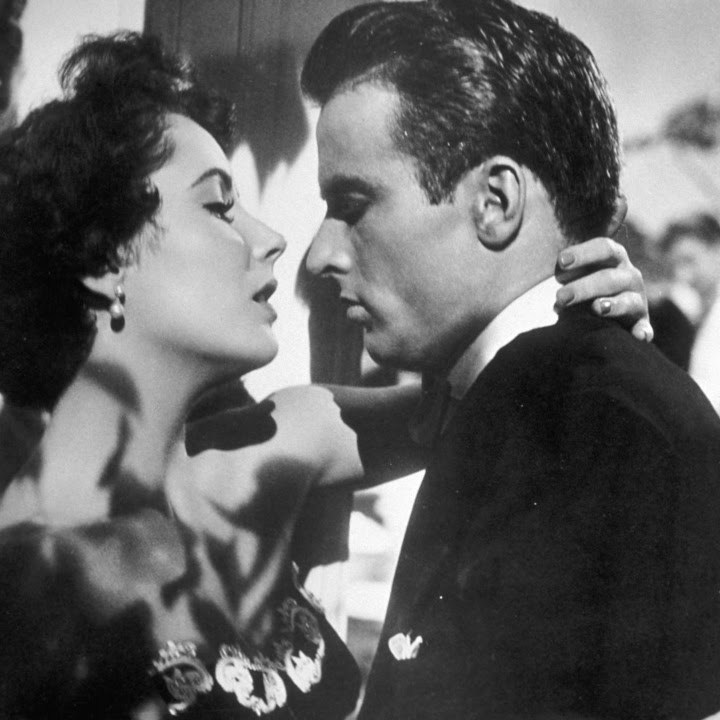
Stevens began his career as a cameraman during the era of silent films before transitioning into directing. This background honed his understanding of visual storytelling, evidenced throughout his directorial works. His films often grapple with grand narratives, nuanced human experiences, and moral dilemmas, as demonstrated in A Place in the Sun—a film that intimately explores class, love, and moral corruption in American society.
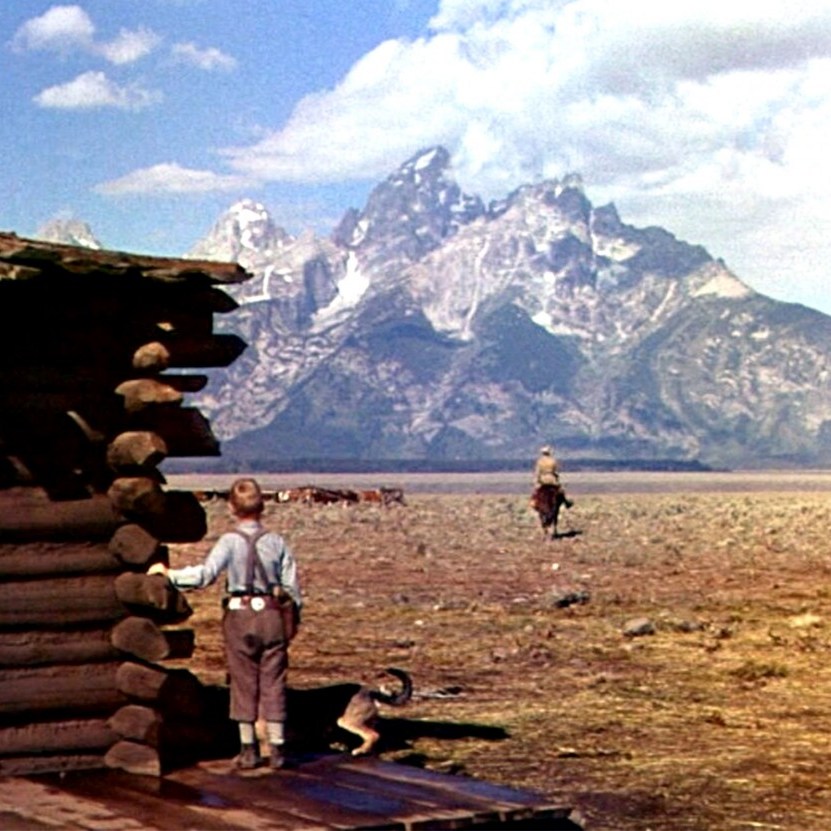
Stevens’ distinct visual style is characterised by his dynamic use of lighting, composition, and deep-focus cinematography—a technique that lends depth to both the visual plane and the narrative. In Shane, for instance, the intricate interplay of lighting and shadow and the strategic positioning of characters within the frame deepen the film’s exploration of the western genre.
Hollywood’s Most Humane Filmmaker
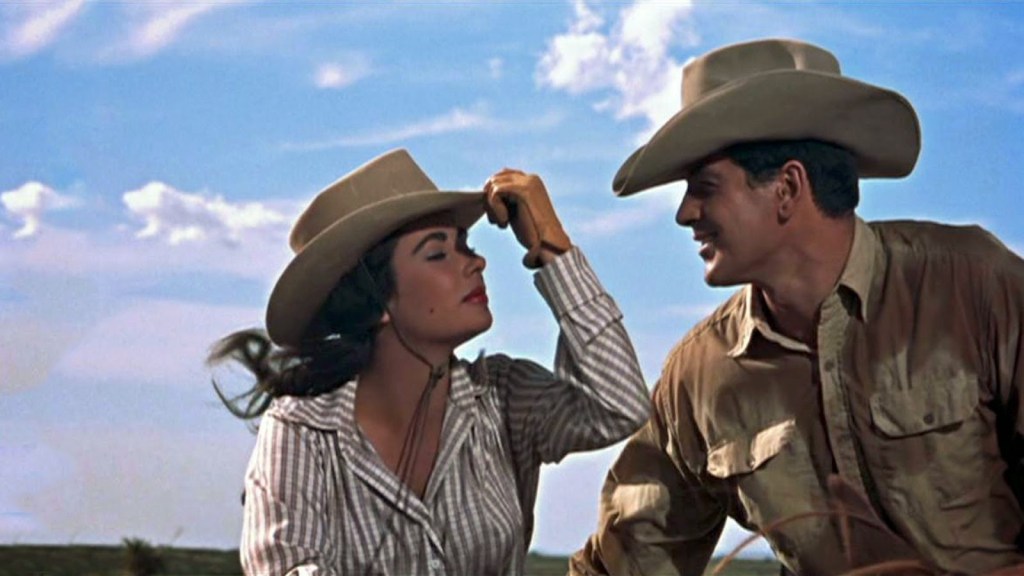
Stevens’ approach to genre films often transcended traditional norms, layering intricate narrative and visual complexity to otherwise conventional genre stories. His film Giant reimagines the scope of a family drama into an expansive commentary on wealth, power, and racial prejudice, showcasing his adept skill in weaving societal themes within personal narratives.
Stevens’ influence on cinema has been profound, with his stylistic and thematic trademarks resonating throughout global cinema. Renowned directors such as Steven Spielberg and Ang Lee have acknowledged his influence, and his films continue to be studied for their cinematic artistry and storytelling sophistication. Stevens’ legacy remains anchored by his reputation for deep humanistic storytelling and visual innovation, marking him as an enduring figure in film history.

George Stevens (1904 – 1975)
Calculated Films:
- Swing Time (1936)
- Vivacious Lady (1938)
- Gunga Din (1939)
- Woman of the Year (1942)
- The Talk of the Town (1942)
- The More The Merrier (1943)
- I Remember Mama (1948)
- A Place in the Sun (1951)
- Shane (1953)
- Giant (1956)
Similar Filmmakers

George Stevens’s Top 10 Films Ranked
1. A Place in the Sun (1951)
Genre: Romance, Melodrama, Crime

2. Giant (1956)
Genre: Family Drama, Drama
3. Shane (1953)
Genre: Western
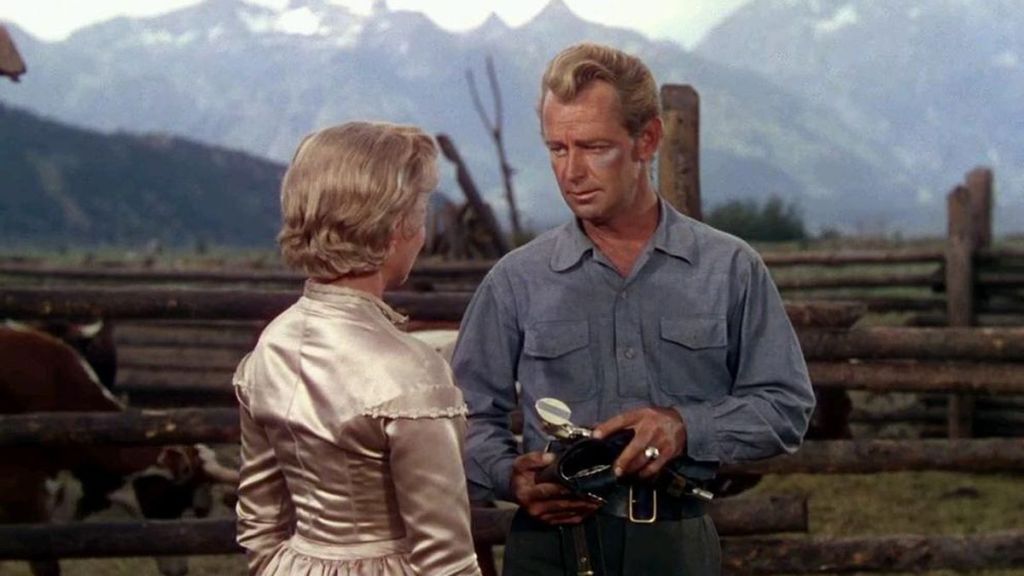
4. The More The Merrier (1943)
Genre: Screwball Comedy, Romantic Comedy

5. Swing Time (1936)
Genre: Musical, Romantic Comedy, Dance Film

6. The Talk of the Town (1942)
Genre: Comedy, Drama
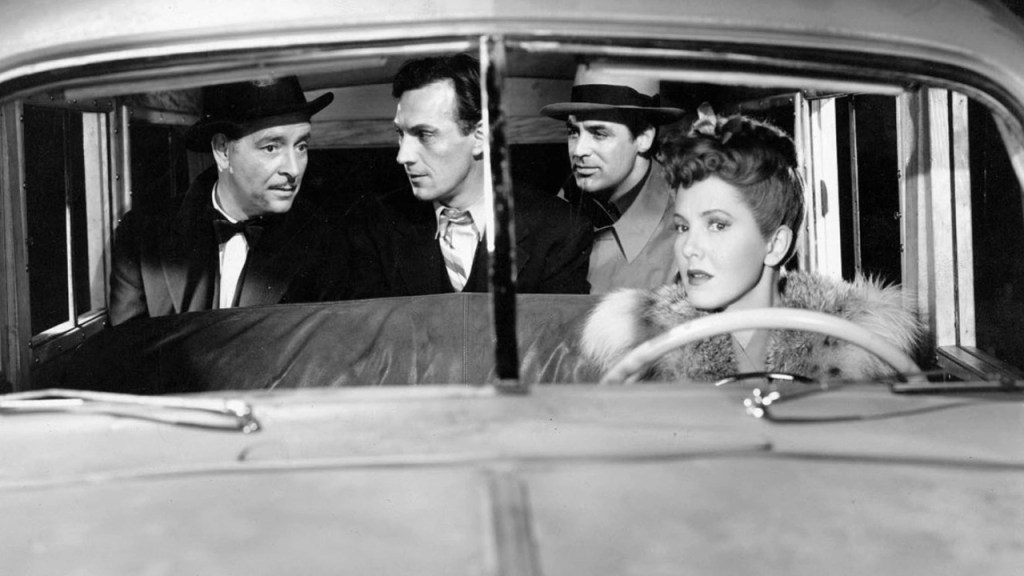
7. I Remember Mama (1948)
Genre: Drama, Family, Slice of Life
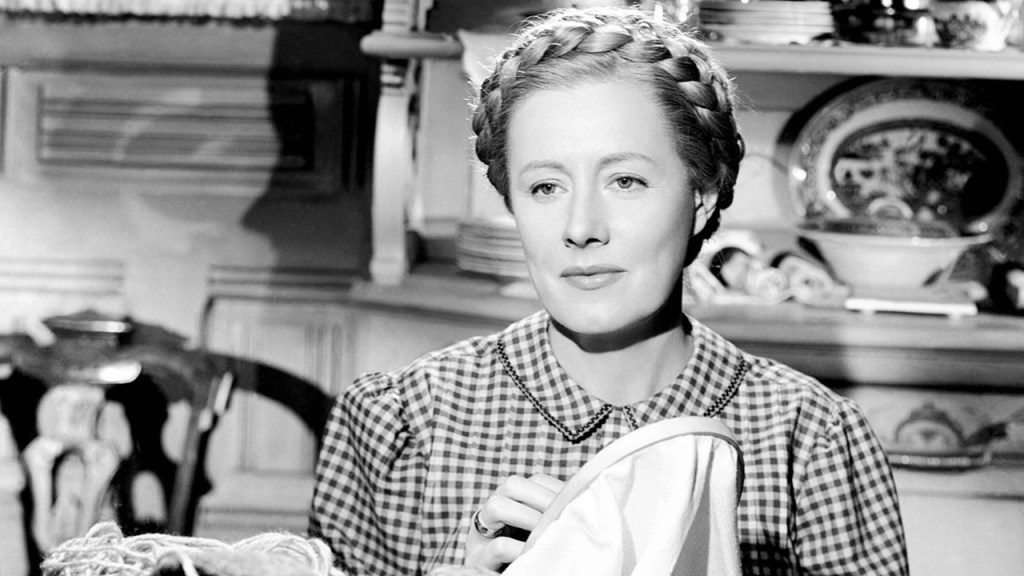
8. Woman of the Year (1942)
Genre: Screwball Comedy, Romantic Comedy, Drama
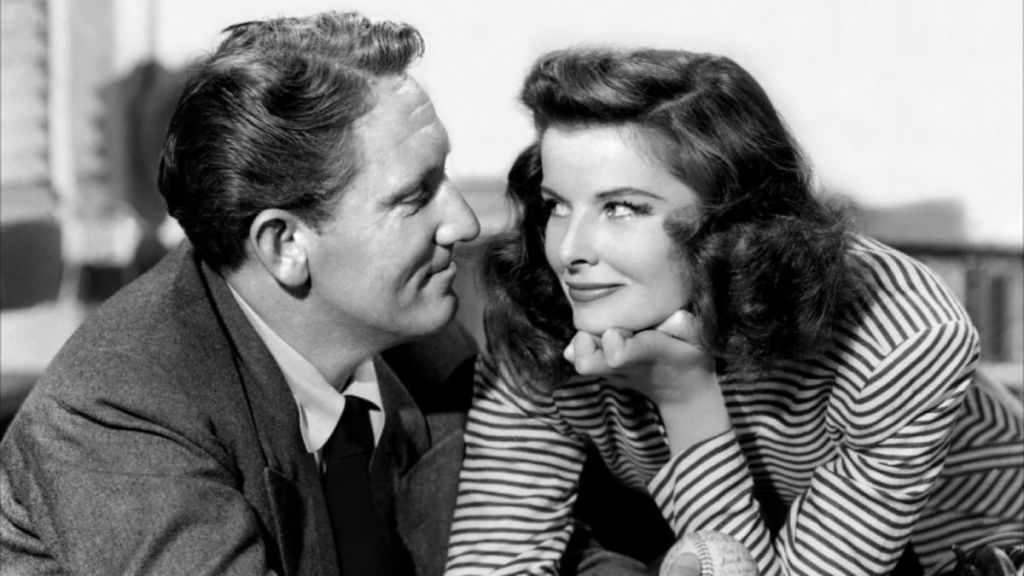
9. Vivacious Lady (1938)
Genre: Screwball Comedy, Romantic Comedy

10. Alice Adams (1935)
Genre: Drama, Comedy, Romance
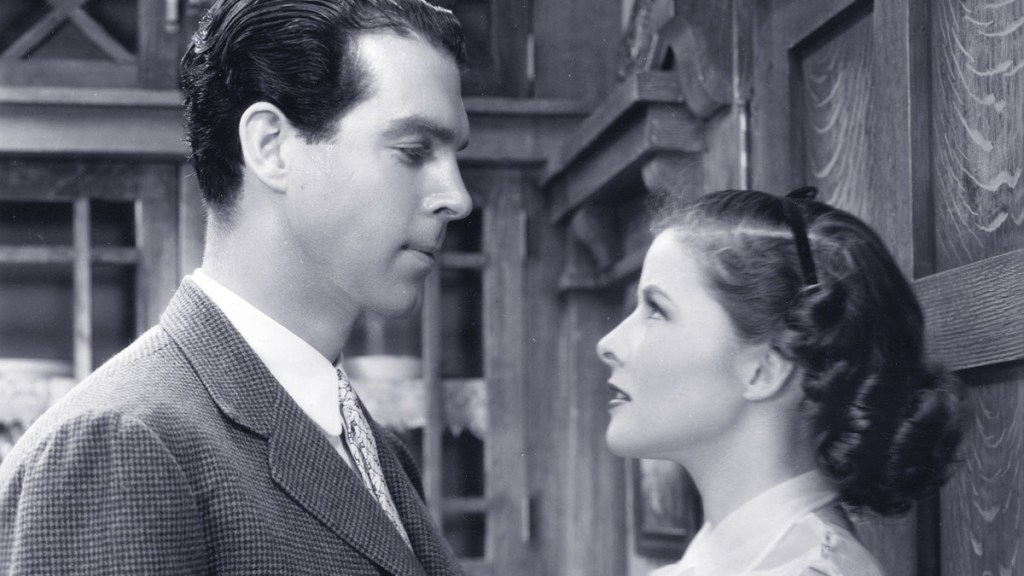
George Stevens: Themes and Style
Themes:
- Humanity and Character Depth: Stevens’s films often dive deep into the complexities of the human experience, exploring individual psychologies and relationships.
- Moral Dilemmas: Many of his films grapple with moral quandaries and ethical decision-making, often set against larger societal or historical backdrops.
- Love and Romantic Relationships: Stevens had a knack for creating emotionally resonant love stories that conveyed passion, sacrifice, and the intricacies of romantic relationships.
- American Ideals and Identity: Stevens frequently highlighted American life, its values, and the challenges and transformations faced by the nation.
Styles:
- Deep Focus Photography: Stevens often used deep-focus cinematography, keeping both the foreground and background in sharp focus, which added depth and richness to his scenes.
- Long Takes: He had a penchant for using long, uninterrupted shots that allowed scenes to develop naturally and gave actors a platform to fully express their characters.
- Varied Genres: Stevens’s career spanned various genres, from screwball comedies to serious dramas, showcasing his versatility.
- Lyrical Storytelling: His films often have a lyrical quality, where the narrative unfolds with a poetic sensibility.
Directorial Signature:
- Masterful Collaboration with Actors: Stevens was known for drawing out deep and nuanced performances from his actors. He worked with some of the biggest stars of his time, including Elizabeth Taylor, James Dean, and Montgomery Clift, among others.
- Transformation Over Time: As his career progressed, Stevens transitioned from lighter comedic films to more weighty, dramatic subjects. This shift became particularly pronounced after his experiences documenting World War II, which had a profound impact on him.
- Social Commentary: Stevens’s films often provided subtle (and sometimes not-so-subtle) commentaries on societal issues. For instance, A Place in the Sun tackled class disparities and societal judgments, while Giant highlighted racial prejudice.
- Attention to Detail: Whether it was in the set design, the soundtrack, or the cinematography, Stevens’s films were marked by meticulous attention to detail, enhancing their realism and emotional depth.
- Visual Mastery: His background as a cameraman informed his directorial style. Stevens was adept at crafting visually stunning sequences, using light, shadow, and composition to enhance the story’s emotional tone.
- Subtlety and Nuance: Instead of overt dramatisation, Stevens’s films often resonated with audiences because of their subtlety. He allowed viewers to read between the lines, making his movies rich and rewatchable.
George Stevens: The 117th Greatest Director


 Bronze Screen Dream