

George Roy Hill, an American film director, is best remembered for his adept ability to traverse various genres, creating masterpieces with an array of thematic interests. His works are hallmarked by their compelling storytelling, distinctive visual styles, and the powerful performances he elicited from his actors. Hill’s most notable contributions include landmark films such as The Sting and Butch Cassidy and the Sundance Kid. The director’s strength lay not only in his proficiency with diverse genres but in his aptitude for imbuing an authentic touch to his narratives, which left an indelible impact on audiences worldwide.
Before embarking on his journey as a filmmaker, Hill honed his craft in television and theatre. This background is evident in the theatrical flair and meticulous attention to character development seen in his films. His pre-filmmaking career also nurtured his acute understanding of narrative structure, pacing, and actor collaboration, which defined his work body. Butch Cassidy and the Sundance Kid is a testament to his innovative narrative style, with non-linear storytelling punctuated by memorable visual cues, like the distinctive sepia tones that evoke a nostalgic feel, heightening the narrative’s emotional resonance.
Furthermore, Hill demonstrated a talent for creating multi-dimensional characters, each bringing a unique flavour to his diverse narratives. His films showcased an eclectic mix of personalities, all intricately woven into the plot, thus adding to the richness and complexity of the story. This skill is particularly prominent in The World According to Garp, where every character contributes to the layered storytelling, from the fiercely independent Jenny Fields to the unconventional titular hero, T.S. Garp. Another signature aspect of Hill’s work is his effective use of music to underscore the tone and mood of his films. This is beautifully illustrated in The Sting, where Scott Joplin’s ragtime music lends an energetic backdrop that propels the film’s narrative.
One of Hill’s most enduring legacies is his portrayal of unconventional heroes, often imperfect and flawed yet infinitely relatable. His long-standing collaboration with actors Paul Newman and Robert Redford birthed unforgettable characters such as the lovable rogues in Butch Cassidy and the Sundance Kid and the charming con-men in The Sting. Despite their shortcomings, these characters draw the audience’s empathy, a testament to Hill’s unique storytelling prowess. Hill’s unique blend of genre versatility, distinctive visual style, and character-driven narratives have not only resonated with audiences of his time and continue to influence and inspire modern filmmakers.

George Roy Hill (1921- 2002)
Calculated Films
- Butch Cassidy and the Sundance Kid (1969)
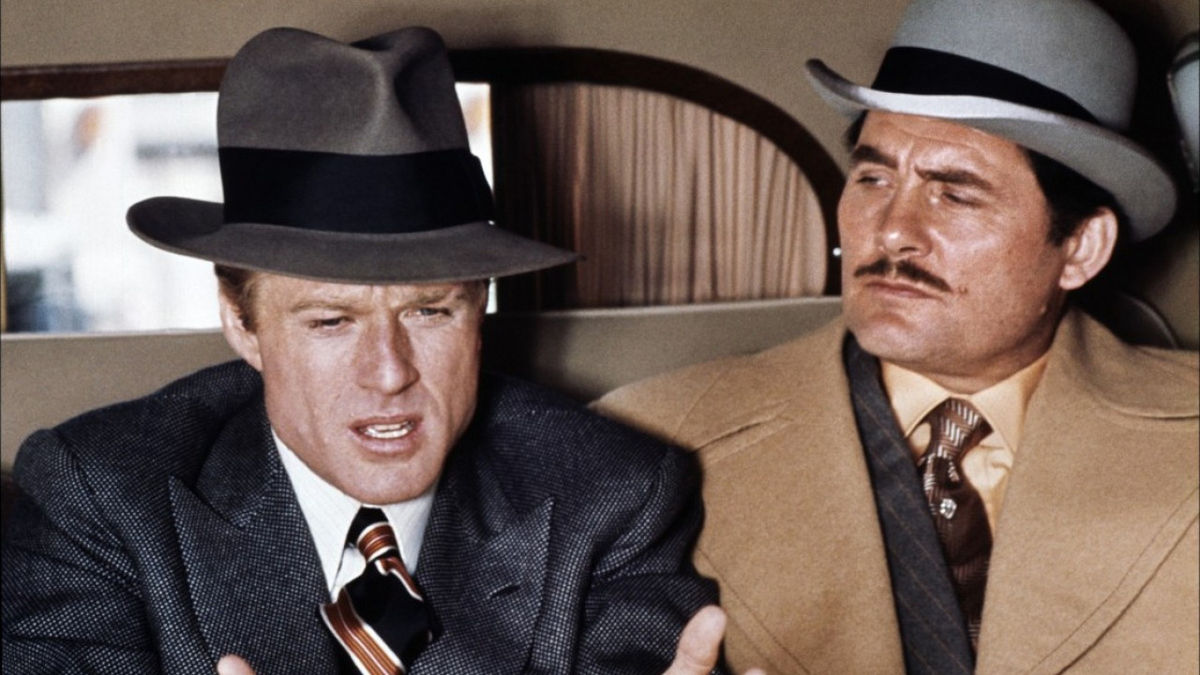
- The Sting (1973)
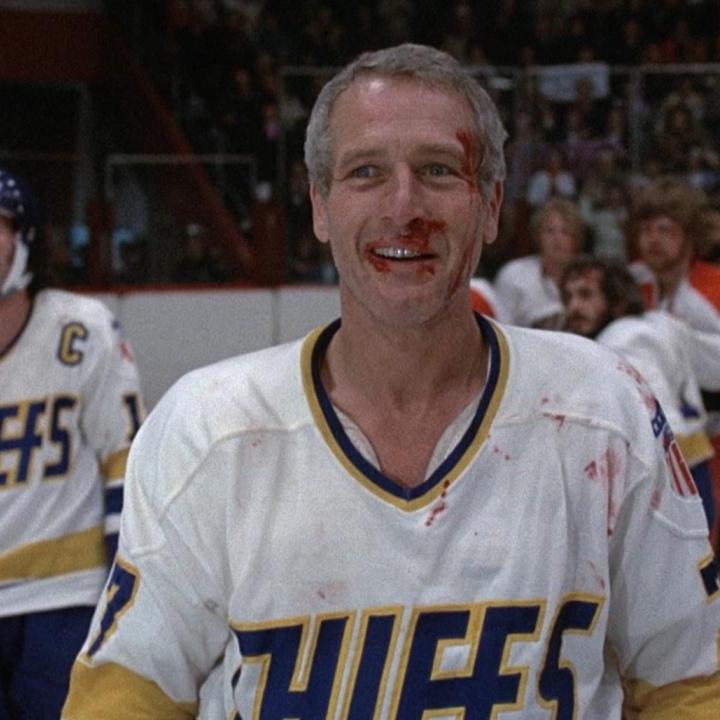
- Slap Shot (1977)
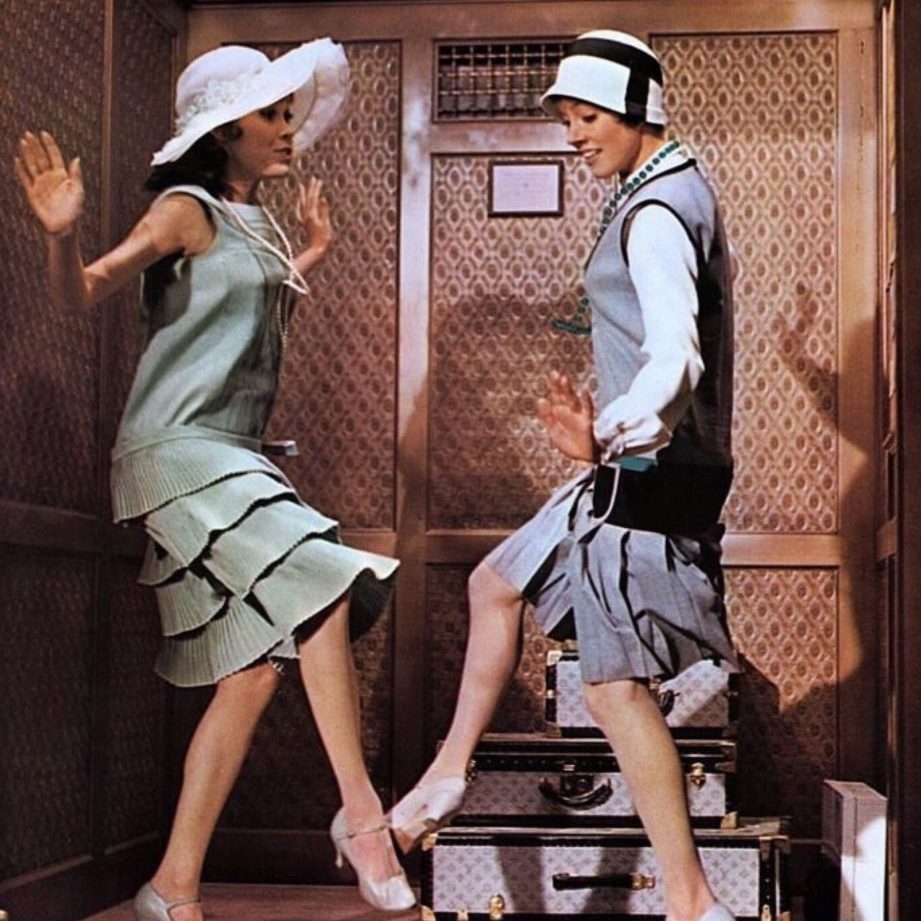
- A Little Romance (1979)
Similar Filmmakers

George Roy Hill’s Top 10 Films Ranked
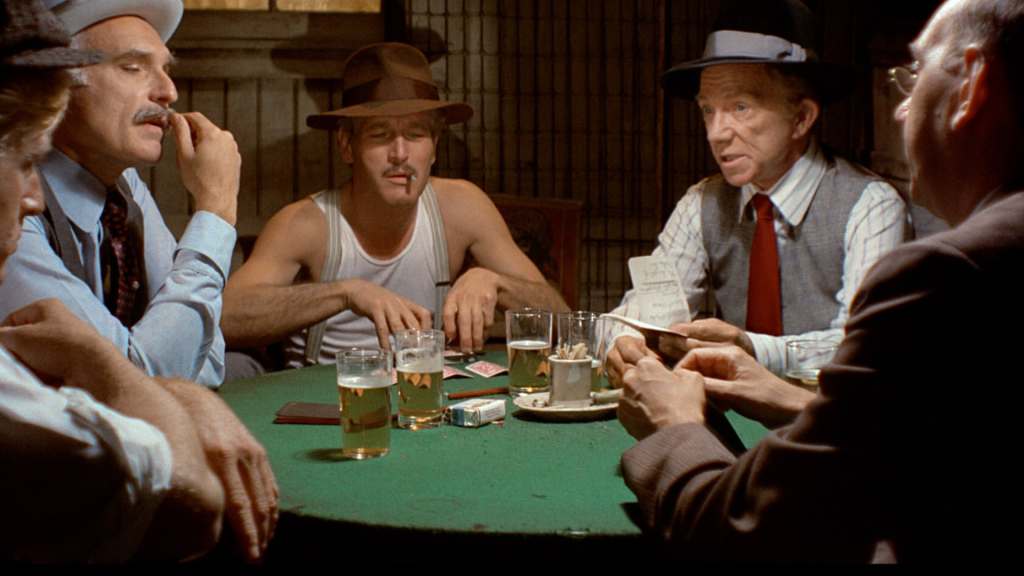
1. The Sting (1973)
Genre: Buddy, Heist Film
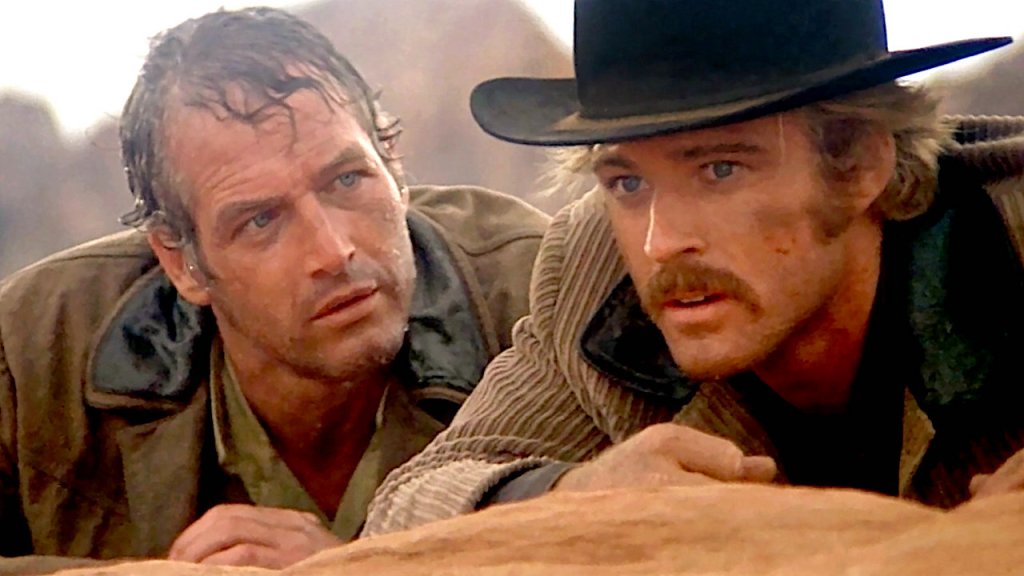
2. Butch Cassidy & The Sundance Kid (1969)
Genre: Buddy, Revisionist Western
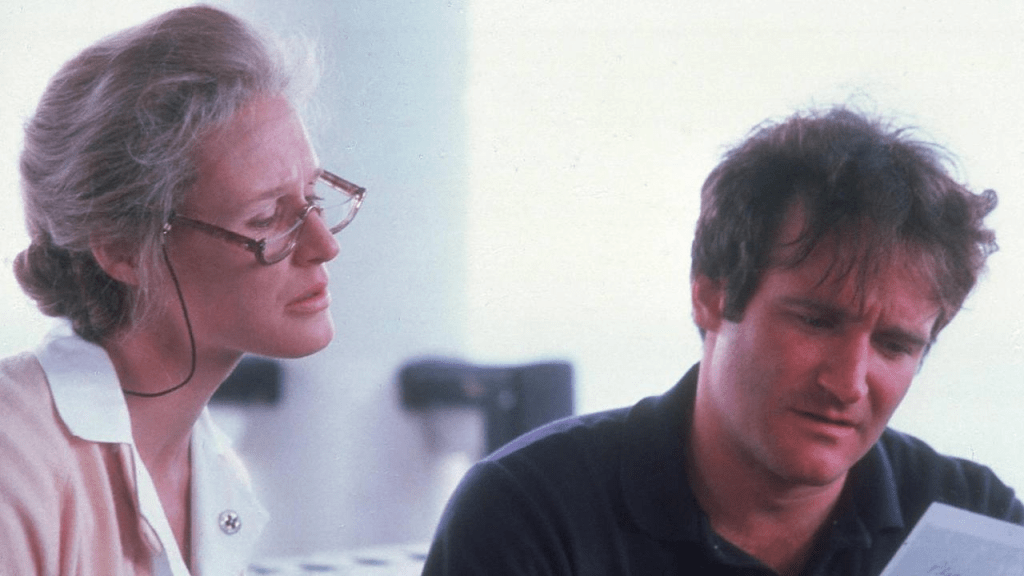
3. The World According to Garp (1982)
Genre: Comedy, Drama
4. Slaughterhouse-Five (1972)
Genre: War, Black Comedy, Satire, Time Travel, Sci-Fi

5. Slap Shot (1977)
Genre: Sports, Comedy, Satire

6. A Little Romance (1979)
Genre: Romantic Comedy

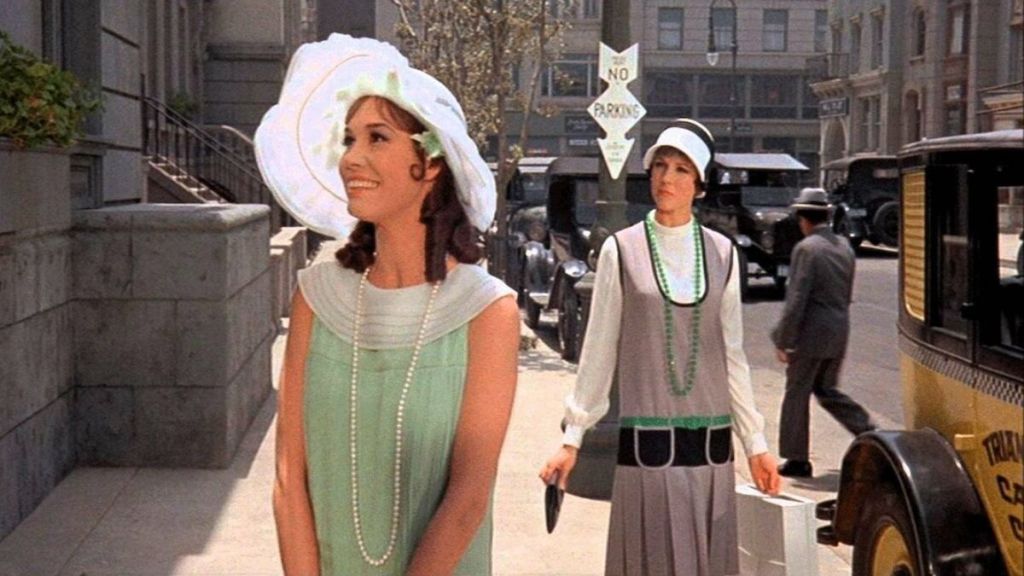
7. Thoroughly Modern Millie (1967)
Genre: Musical, Romance, Comedy
8. The Great Waldo Pepper (1975)
Genre: Adventure, Drama

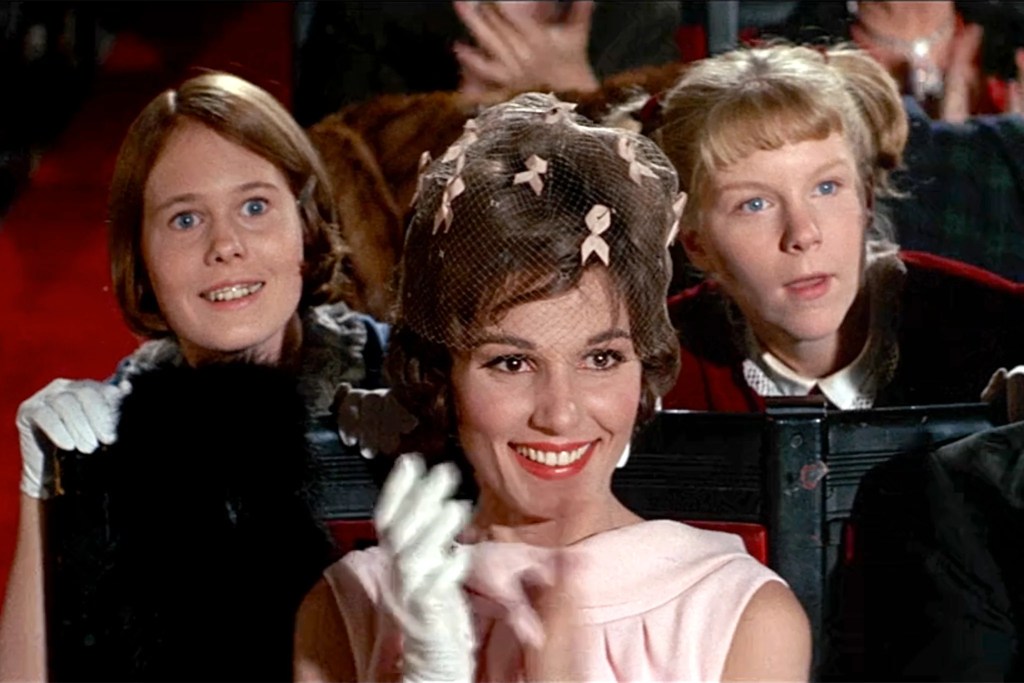
9. The World According To Henry Orient (1964)
Genre: Comedy, Coming-of-Age
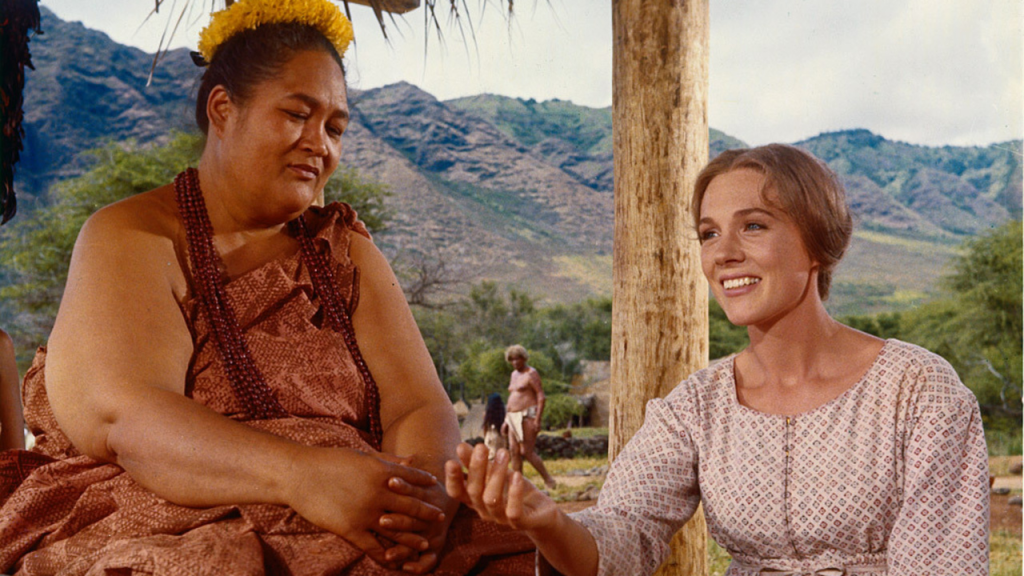
10. Hawaii (1966)
Genre: Epic, Drama
George Roy Hill: Themes and Style
Themes:
- Eclectic Americana: Hill often explored quintessentially American settings and stories, from the Old West in Butch Cassidy and the Sundance Kid to the urban con men of the 1930s in The Sting. His films frequently delve into the fabric of American legend and identity.
- Underdog Rebellion: Many of his films feature protagonists who are underdogs or rebels fighting against the system, as seen in Slaughterhouse-Five and The World According to Garp. Hill had a knack for crafting narratives around characters who challenge societal norms.
- Complex Friendships: Hill adeptly portrayed complex relationships and friendships, especially between men. The bonds between the leads in Butch Cassidy and the Sundance Kid and The Sting are deeply nuanced, highlighting camaraderie, loyalty, and conflict.
- The Absurdity of Existence: Influenced by the works of Kurt Vonnegut, particularly in Slaughterhouse-Five, Hill tackled the absurdity and randomness of life, often juxtaposing comedic elements with tragic circumstances to underscore the unpredictability of existence.
Styles:
- Panache in Storytelling: Hill’s direction is marked by a certain panache — a stylish flair that blends humour, drama, and a vibrant narrative pace. The Sting and Butch Cassidy and the Sundance Kid exemplify this with their snappy dialogue and engaging story arcs.
- Innovative Use of Music: His films often incorporate memorable and influential musical scores that complement the narrative tone. The use of “The Entertainer” in The Sting is iconic, with the music becoming synonymous with the film’s stylish energy.
- Period Authenticity: Hill showed an affinity for period pieces, paying meticulous attention to the details of the era he depicted. From costume to set design, films like The Sting and A Little Romance immerse the viewer in a faithfully recreated past.
- Cinematic Experimentation: In films like Slaughterhouse-Five, Hill experimented with non-linear storytelling and other unconventional narrative techniques, reflecting the novelistic qualities of the source material and challenging audience expectations.
Directorial Signature:
- Iconic Character Pairings: Hill had a gift for casting pairs of actors with remarkable chemistry, creating iconic duos that became central to the films’ identities, such as Newman and Redford in both Butch Cassidy and the Sundance Kid and The Sting.
- Blend of Genres: Hill rarely confined himself to a single genre, often blending elements of comedy, drama, romance, and action to create a dynamic and unpredictable cinematic experience, as seen in Butch Cassidy and the Sundance Kid.
- Seamless Transitions: His films frequently feature innovative transitions between scenes, such as the use of old-fashioned “wipe” effects in Butch Cassidy and the Sundance Kid, which add a timeless and classic feel to his storytelling.
- Narrative Ambiguity: Hill often left certain plot elements ambiguous or open-ended, inviting viewers to engage with the film on a deeper level to interpret the story and the fates of its characters, a technique prominently featured in The World According to Garp.
George Roy Hill: The 262nd Greatest Director


 Bronze Screen Dream