

George Lucas, an American film director and producer, is best known as the creator of the Star Wars and Indiana Jones franchises, groundbreaking cinema that transformed popular culture and revolutionised the filmmaking industry. His innovative usage of special effects, notably the development of Industrial Light & Magic for Star Wars, has reshaped the landscape of Hollywood productions.
Lucas’ entry into cinema was inspired by an early interest in race-car driving, which would later manifest in his films through high-speed action sequences. His directorial debut, THX 1138, introduced recurring themes of dystopia, humanity, and rebellion against authority, which would be further explored in his Star Wars saga. While his first film didn’t fare well at the box office, his next venture, American Graffiti, was a commercial and critical success, exploring the nostalgia of post-World War II youth culture.
Lucas’ style is visually marked by fast-paced action sequences, intricate sets, and pioneering special effects. Star Wars notably showcased the potential of computer-generated imagery (CGI) in filmmaking and set new standards in production design, with intricately designed alien creatures and elaborate galactic settings. His pioneering use of the “wipe” transition became a hallmark of his filmmaking, furthering the sense of grand epic narrative and continuity throughout the Star Wars saga.
Galactic Inventions: The Creator of the Modern Blockbuster
Beyond his impact on visual storytelling, Lucas’ narrative motifs draw from diverse influences, including mythology, history, and various cinematic genres. Star Wars especially encapsulates this amalgamation of influences, portraying a hero’s journey that reflects mythological archetypes within a space-opera setting. Lucas also reintroduced serialised storytelling to mainstream cinema, crafting a narrative arc spanning multiple films.
Lucas’ impact on the film industry has been monumental. He played a crucial role in the development of blockbuster cinema and has inspired generations of filmmakers worldwide, including J.J. Abrams, James Cameron, and Peter Jackson, who have cited Lucas’ innovative storytelling and technological advancements as significant influences. Furthermore, his founding of Lucasfilm, Industrial Light & Magic, and THX sound system has had far-reaching impacts, creating new possibilities for the art and industry of cinema. His directorial work, particularly the Star Wars saga, continues to be widely acclaimed and appreciated by audiences and critics, solidifying his legacy as a visionary filmmaker.

George Lucas (1944 – –)
Calculated Films:
- American Graffiti (1973)
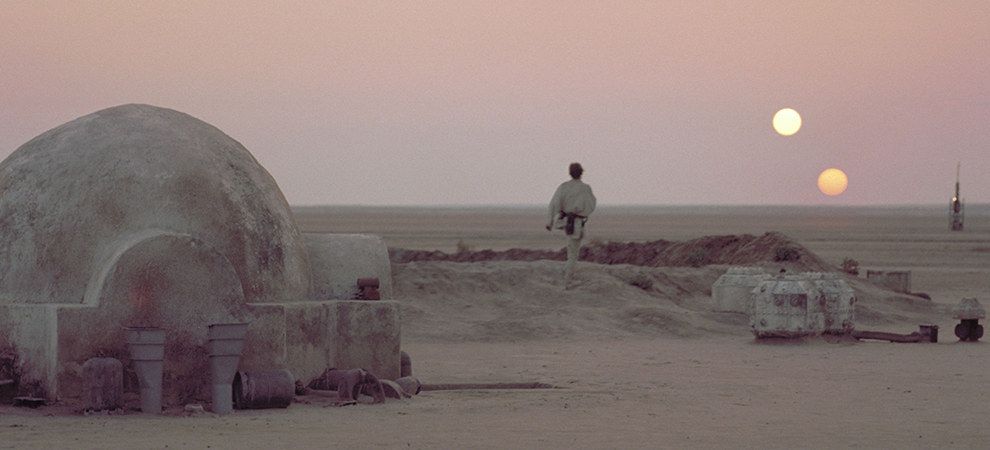
- Star Wars (1977)
Similar Filmmakers
- Christopher Nolan
- Francis Ford Coppola
- Frank Darabont
- Gareth Edwards
- Irvin Kershner
- J.J. Abrams
- James Cameron
- Joe Dante
- Joe Johnston
- John Carpenter
- Lawrence Kasdan
- Nicholas Meyer
- Peter Jackson
- Ridley Scott
- Robert Zemeckis
- Ron Howard
- Steven Spielberg
- Willard Huyck


George Lucas’ Films Ranked
1. Star Wars (1977)
Genre: Space Opera, Epic
You Might Like: Serenity (Whedon), Star Trek (Abrams) & Dune (Villeneuve)

2. American Graffiti (1973)
Genre: Coming Of Age, Comedy, Teen Movie, Drama, Slice of Life
You Might Like: Dazed and Confused (Linklater), The Outsiders (Coppola) & Fast Times at Ridgemont High (Heckerling)

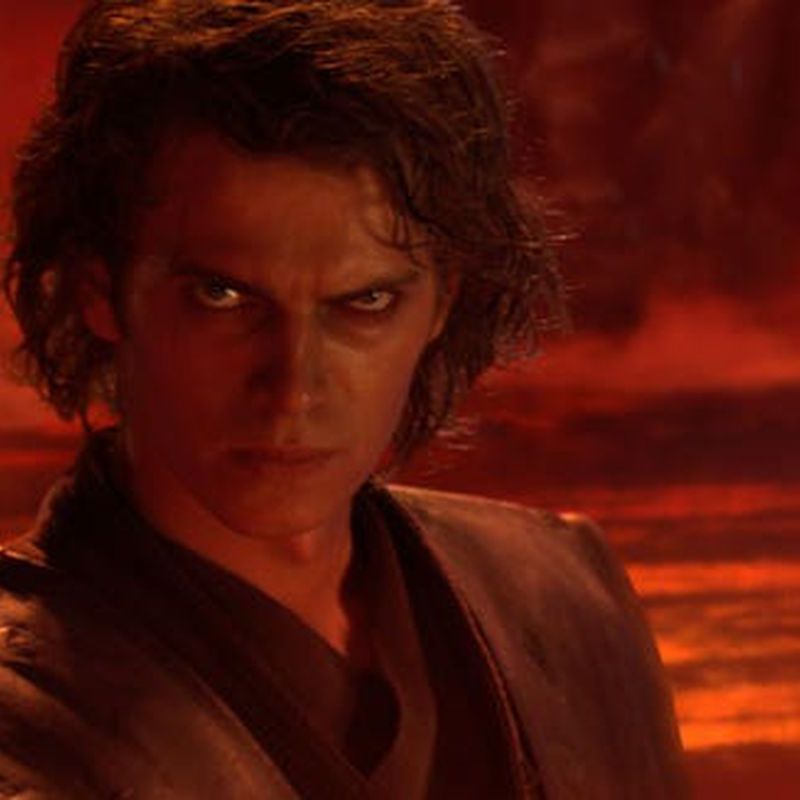
3. Revenge of the Sith (2005)
Genre: Space Opera, Action, Epic
You Might Like: Harry Potter & The Deathly Hallows Pt 2 (Yates), Avengers: Endgame (Russo) & The Lord of the Rings: Return of the King (Jackson)

4. THX-1138 (1971)
Genre: Sci-Fi, Dystopian
You Might Like: Logan’s Run (M. Anderson), Blade Runner (Scott) & Minority Report (Spielberg)

5. The Phantom Menace (1999)
Genre: Space Opera, Epic, Action
You Might Like: The Matrix Revolutions (Wachowski), Valerian and the City of a Thousand Planets (Besson) & Guardians of the Galaxy (Gunn)

6. Attack of the Clones (2002)
Genre: Space Opera, Action, Epic
You Might Like: Man of Steel (Snyder), Alita: Battle Angel (Rodriguez) & Transformers (Bay)

George Lucas: Themes and Style
Themes:
- The Hero’s Journey: Lucas frequently utilises the “Hero’s Journey” narrative structure, drawing inspiration from Joseph Campbell’s “The Hero with a Thousand Faces.” Characters often undergo significant personal growth and transformation, as seen with Luke Skywalker in the “Star Wars” series.
- Good vs. Evil: A binary battle between good and evil is a recurrent theme, with clear demarcations between protagonists and antagonists. This struggle often serves as the central conflict driving the narrative.
- Redemption: Redemption arcs are prominent, highlighting the possibility of positive change and transformation for individuals who have succumbed to evil or immoral behaviour.
- Technology & Humanity: Lucas explores the relationship between technology and humanity, often cautioning against over-reliance on machines at the expense of human values and connections.
- Freedom & Rebellion: Many of Lucas’s works centre around the fight for freedom and rebellion against oppressive forces, reflecting his interest in political and social commentary.
Styles:
- Visual Storytelling: Lucas is known for his innovative optical storytelling techniques, utilising special effects and CGI to create immersive and fantastical worlds.
- Episodic Storytelling: His narratives often unfold episodically, with each instalment contributing to a larger, overarching story. This style allows for expansive world-building and character development.
- Archetypal Characters: Characters in Lucas’s films often embody archetypes, serving as universally recognisable figures that resonate with audiences across diverse cultures and backgrounds.
- Mythological Inspiration: Lucas draws extensively from various mythologies, religions, and philosophical concepts to craft narratives that are both timeless and deeply resonant.
Directorial Signature
- Innovative Technology Use: Lucas has been a pioneer in the use of technology in filmmaking, from special effects to sound design, continuously pushing the boundaries of what is possible on screen.
- World-Building: His films are noted for their detailed and imaginative world-building, creating unique and enduring universes that have captivated audiences for generations.
- Serial Filmmaking: Lucas embraces a serial approach to filmmaking, crafting sagas that unfold over multiple films or episodes, each contributing to a broader narrative tapestry.
- Focus on Entertainment: Despite their thematic depth, Lucas’s films are primarily designed to entertain, offering a blend of action, adventure, and humour that appeals to a wide audience demographic.
George Lucas – The 181st Greatest Director


 Bronze Screen Dream