

George A. Romero, an American filmmaker, is indelibly linked with the creation of the modern zombie genre. Best known for his seminal horror film Night of the Living Dead, Romero introduced audiences to an innovative, terrifying new type of monster – the undead, reanimated corpse with an insatiable hunger for human flesh.
Before his breakthrough with Night of the Living Dead, Romero began his career making commercials and short films, forming his own production company, Image Ten. His early work influenced his later films, establishing a knack for evocative storytelling and subversive horror. Romero’s films often tackled significant social issues, using the lens of horror to explore them in a uniquely impactful way. Night of the Living Dead, for example, is remembered not only for its zombie horror but also for its sharp social commentary on issues like racism and societal breakdown.
Romero’s work often grapples with themes of societal collapse, human nature, and the fear of the unknown. His zombies are more than mere monsters; they serve as metaphors for societal ills, as seen in Dawn of the Dead, where the zombie apocalypse is juxtaposed with consumerism. His films present humanity’s struggle against the undead as a reflection of our internal battles, painting a grim picture of human nature as frightening as the ghoulish creatures themselves.
“My zombie films have been so far apart that I’ve been able to reflect the socio-political climates of the different decades.”
Romero’s visual style is marked by its raw, unfiltered intensity. His use of handheld camera work, intense close-ups, and stark black-and-white imagery in Night of the Living Dead created an atmosphere of claustrophobic dread, forever changing the landscape of horror cinema. His visual storytelling became more refined over time, with later films like Dawn of the Dead and Day of the Dead making excellent use of colour and more complex sets to create expansive, apocalyptic tableaux.
Romero’s influence on horror cinema is immense, with his work inspiring a legion of filmmakers across the globe. His interpretation of zombies has become the standard, influencing countless films, TV shows, and video games. Directors such as John Carpenter, Sam Raimi, and Edgar Wright have all cited Romero as a major influence on their work. Romero’s films have also enjoyed considerable critical reappraisal, with many recognising them as incisive social commentaries disguised as horror flicks. His enduring legacy lies in his unique ability to combine spine-chilling horror with deep, thoughtful commentary on the human condition, forever changing how we perceive horror cinema.

George A. Romero (1940 – 2017)
Calculated Films:
- Night of the Living Dead (1968)
- Martin (1977)
- Dawn of the Dead (1978)
- Day of the Dead (1985)
Similar Filmmakers
- Bob Clark
- Dan O’Bannon
- Dario Argento
- David Cronenberg
- Don Coscarelli
- Frank Henenlotter
- John Carpenter
- John Landis
- Larry Cohen
- Lucio Fulci
- Mario Bava
- Peter Jackson
- Sam Raimi
- Stuart Gordon
- Tobe Hooper
- Tom Savini
- Wes Craven
- Zack Snyder
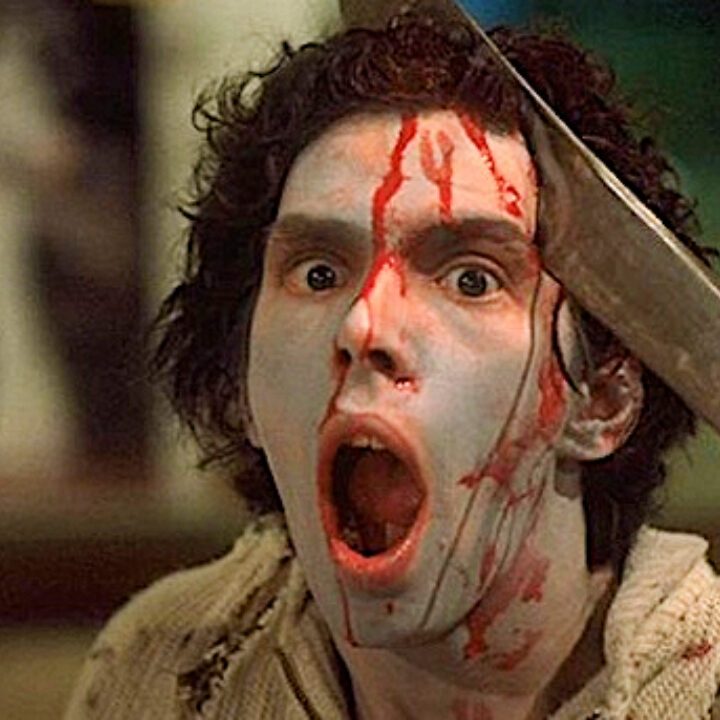


George A. Romero’s Top 10 Films Ranked
1. Night of the Living Dead (1968)
Genre: Zombie, Horror

2. Dawn of the Dead (1978)
Genre: Zombie, Splatter, Horror

3. Day of the Dead (1985)
Genre: Zombie, Post-Apocalyptic, Splatter, Horror

4. Martin (1977)
Genre: Vampire, Psychological Horror, Psychological Drama

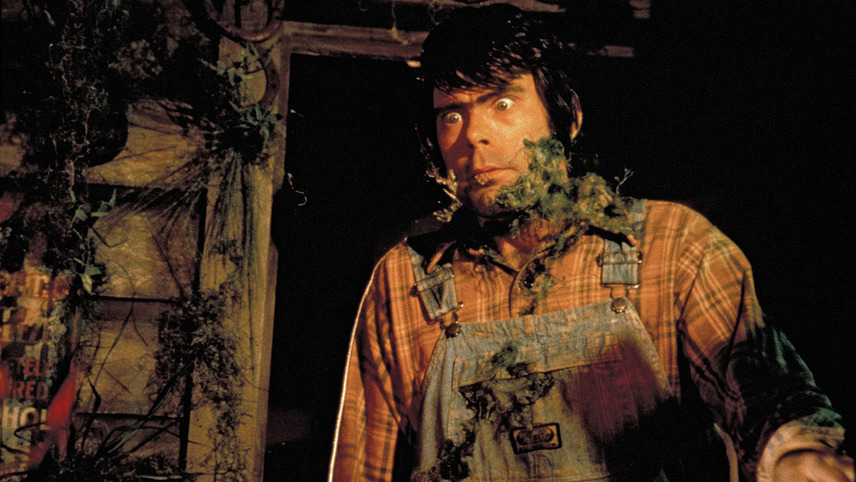
5. Creepshow (1982)
Genre: Anthology Film, Horror, Black Comedy
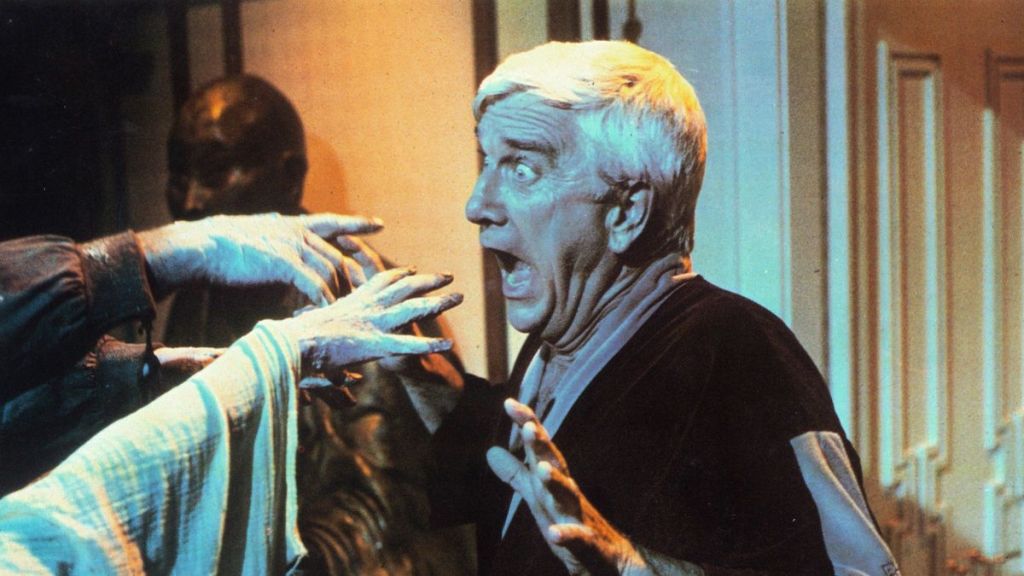
6. Knightriders (1981)
Genre: Drama, Bikersploitation

7. The Amusement Park (1975)
Genre: Surrealism, Psychological Horror

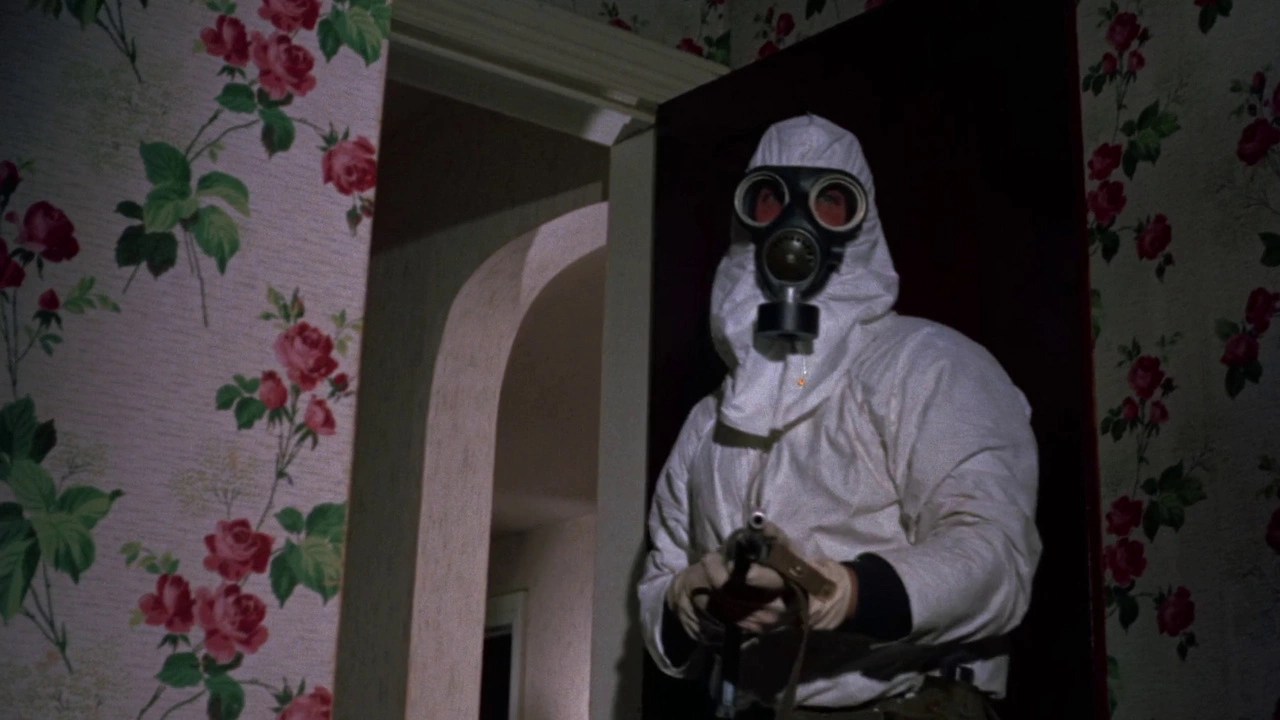
8. The Crazies (1973)
Genre: Thriller, Horror, Disaster, Survival
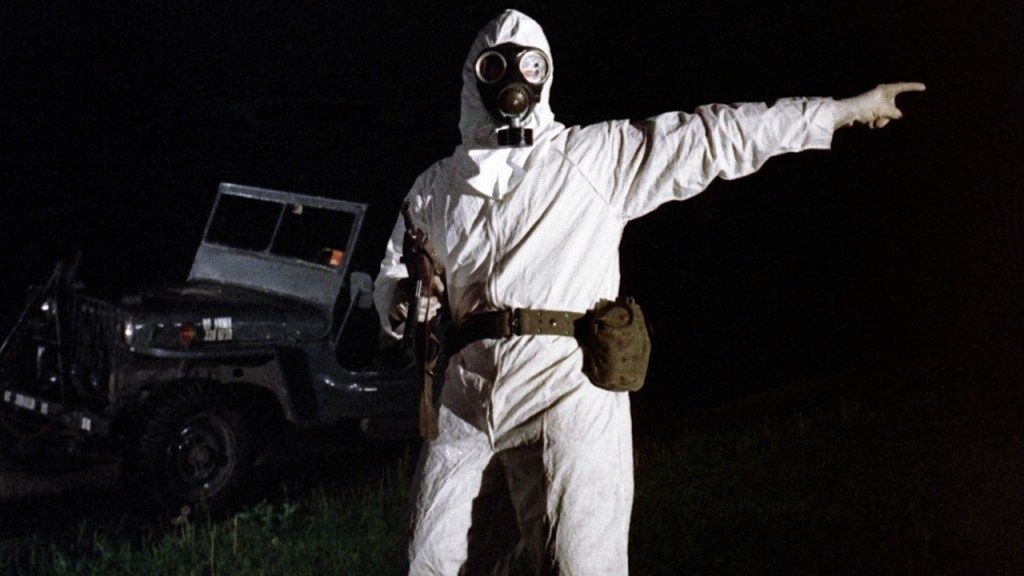
9. Land Of The Dead (2005)
Genre: Zombie, Splatter, Post-Apocalyptic, Horror, Satire

10. The Dark Half (1993)
Genre: Supernatural Horror, Psychological Thriller
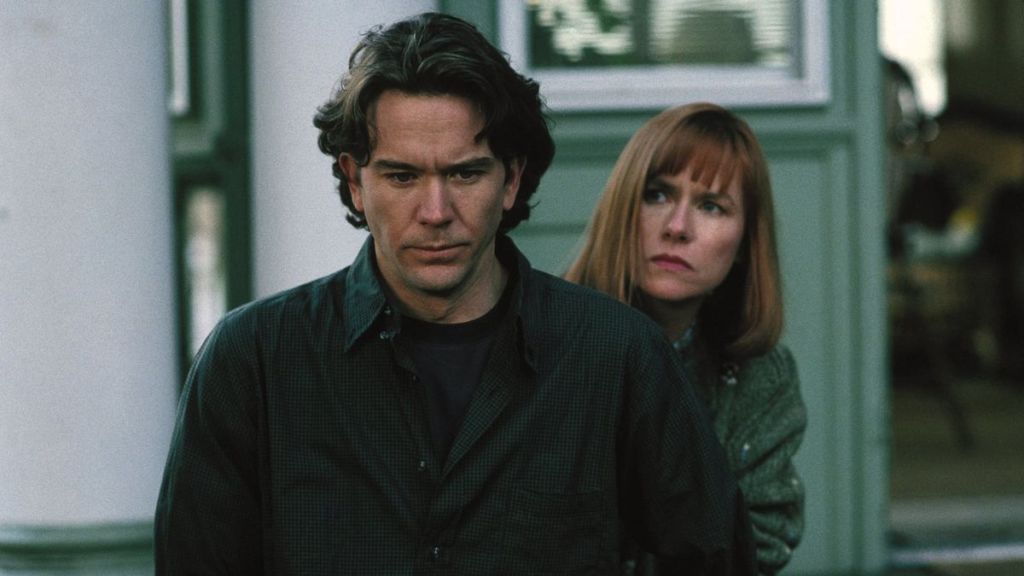
George A. Romero: Themes and Style
Themes:
- Social Commentary: Romero’s films, especially Night of the Living Dead and Dawn of the Dead, are lauded for their deep social commentary. They tackle issues such as consumerism, racism, and class conflict, using the zombie apocalypse as a backdrop to explore the breakdown of societal norms and human nature.
- Horror as Reality: A recurring theme in Romero’s work is the idea that true horror comes not from the fantastical elements, such as zombies in Day of the Dead, but from the human response to these situations. He often portrays humans as more monstrous than the literal monsters they face.
- Survivalism: The struggle for survival is central to Romero’s narratives. His characters are often pitted against insurmountable odds, forcing them to make difficult decisions that reflect their morality and humanity, as seen in The Crazies.
Styles:
- Documentary-like Realism: Romero frequently employed handheld cameras and a pseudo-documentary style, giving films like Night of the Living Dead a raw and realistic feel, which heightened the sense of immediacy and terror.
- Gore and Graphic Violence: He is often credited with popularising the use of explicit gore and graphic violence in horror cinema. His use of practical effects in Dawn of the Dead set new standards for on-screen violence, influencing the genre extensively.
- Dark Humor: Romero’s work, including Creepshow, often contains a vein of dark humour, balancing the macabre with wry social observations, which allows his films to critique society while also entertaining.
Directorial Signature:
- Use of Unknown Actors: Romero frequently cast unknown or little-known actors, as seen in Night of the Living Dead. This lends an everyman quality to his films and makes the extraordinary events feel more relatable.
- Zombies as a Mirror to Humanity: The director’s signature use of zombies almost as a blank canvas reflects the best and worst of humanity. In Land of the Dead, the living dead evolve, showcasing Romero’s belief in the potential for change, even in the most stagnant situations.
- Independent Filmmaking Ethos: Romero’s guerrilla-style filmmaking, exemplified by Martin and other works, demonstrates his dedication to creative control and independent vision, often working with limited budgets to produce films that defy mainstream expectations.
George A. Romero: The 150th Greatest Director


 Bronze Screen Dream