

G.W. Pabst, a pivotal figure in German cinema, is best known for his silent films during the Weimar Republic era. His most famous films, such as Pandora’s Box and Diary of a Lost Girl, challenged societal norms. They solidified his reputation as one of the key proponents of Kammerspiel and New Objectivity cinema, noted for their intimate narratives and realistic depictions.
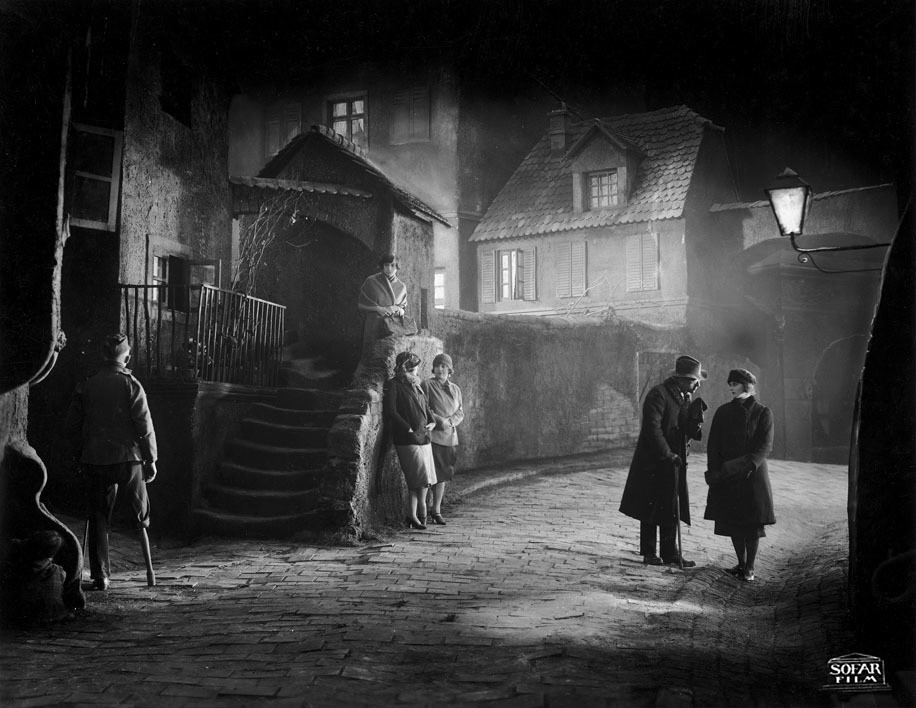
Pabst began his cinematic journey as an actor before transitioning to directing. His early experience on the stage significantly influenced his approach to filmmaking. Films like The Joyless Street exhibit his penchant for psychological depth, as he emphasises the emotional complexities of his characters over extravagant plotlines, often dealing with subjects like poverty, sexuality, and despair.
The recurring themes in Pabst’s works largely revolve around the period’s social upheaval and human crises. He presented unflinching portraits of a society in flux, using a social realist style to dissect and critique the world around him. From depicting the urban underbelly in The Joyless Street to exploring destructive human desires in Pandora’s Box, Pabst painted a nuanced picture of his era’s societal and moral predicaments.
Pabst’s visual style, featuring naturalistic settings and performances, represented a departure from the expressionistic tendencies of his contemporaries. His work is characterised by atmospheric cinematography, realistic performances, and detailed set design, all contributing to a heightened sense of realism. For instance, in Diary of a Lost Girl, Pabst utilised nuanced performances and intimate framing to underline the protagonist’s emotional journey, emphasising personal tragedy over societal melodrama.
In terms of influence, Pabst left an indelible impact on global cinema. His realistic approach and exploration of challenging themes have inspired filmmakers across generations, from French New Wave directors like Jean-Luc Godard to renowned Hollywood filmmakers such as Billy Wilder. The influence of his meticulous, empathetic character studies can also be found in the works of more contemporary directors such as Lars von Trier. As such, Pabst’s contribution to film history has endured, cementing his legacy as a pioneer of socially conscious and emotionally resonant cinema.
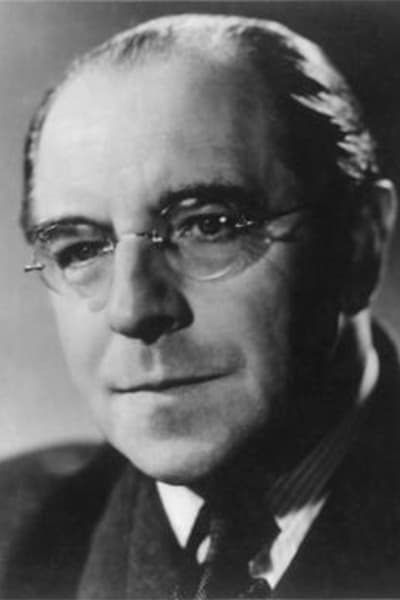
G. W. Pabst (1885 – 1967)
Calculated Films:
- Joyless Street (1925)
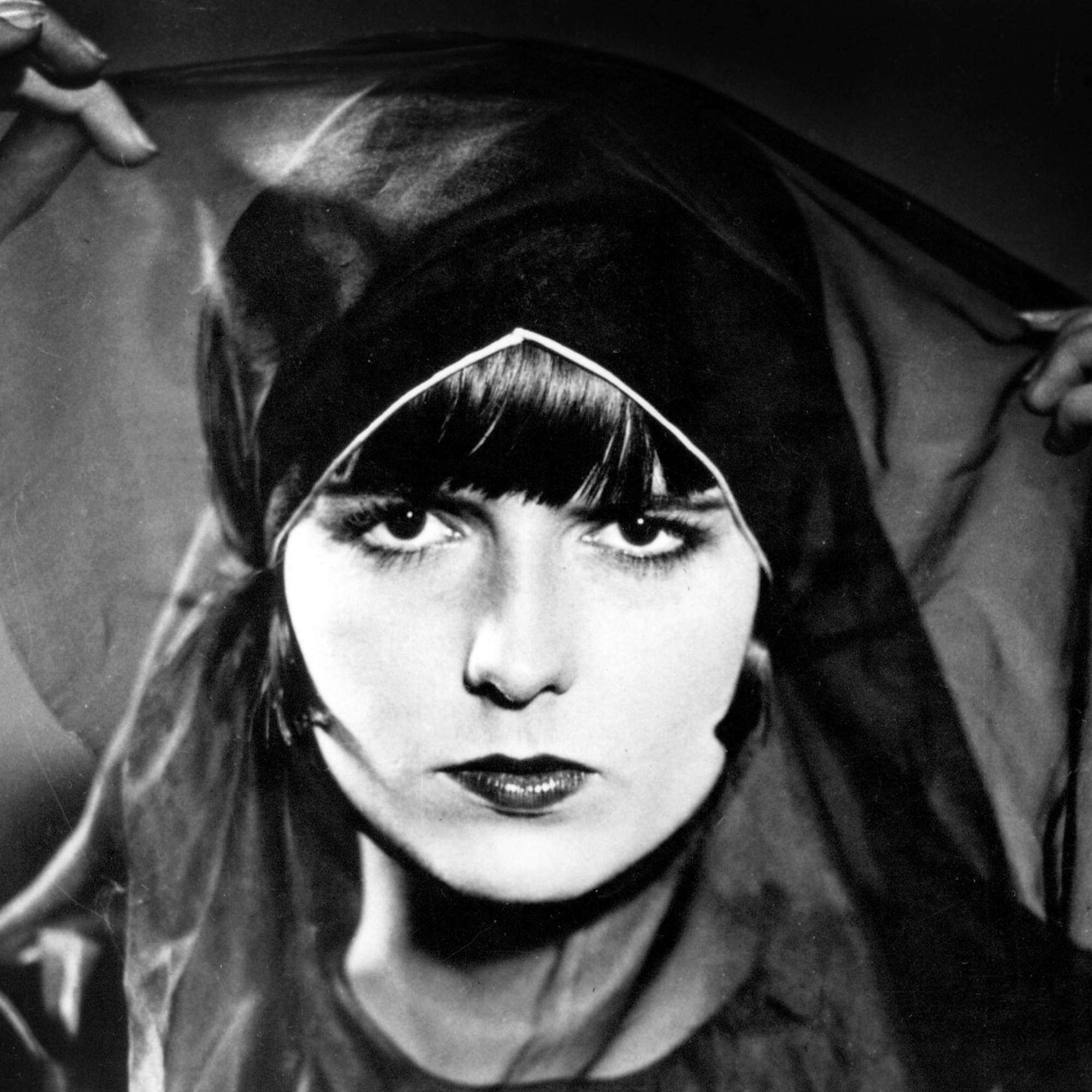
- Pandora’s Box (1929)
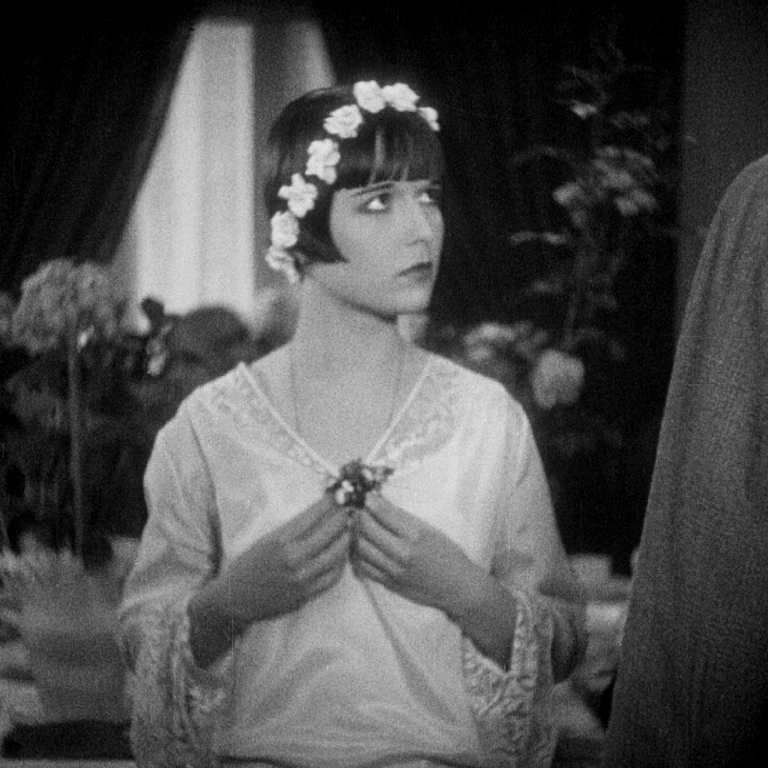
- Diary of a Lost Girl (1929)
- Westfront 1918 (1930)
- The 3 Penny Opera (1931)
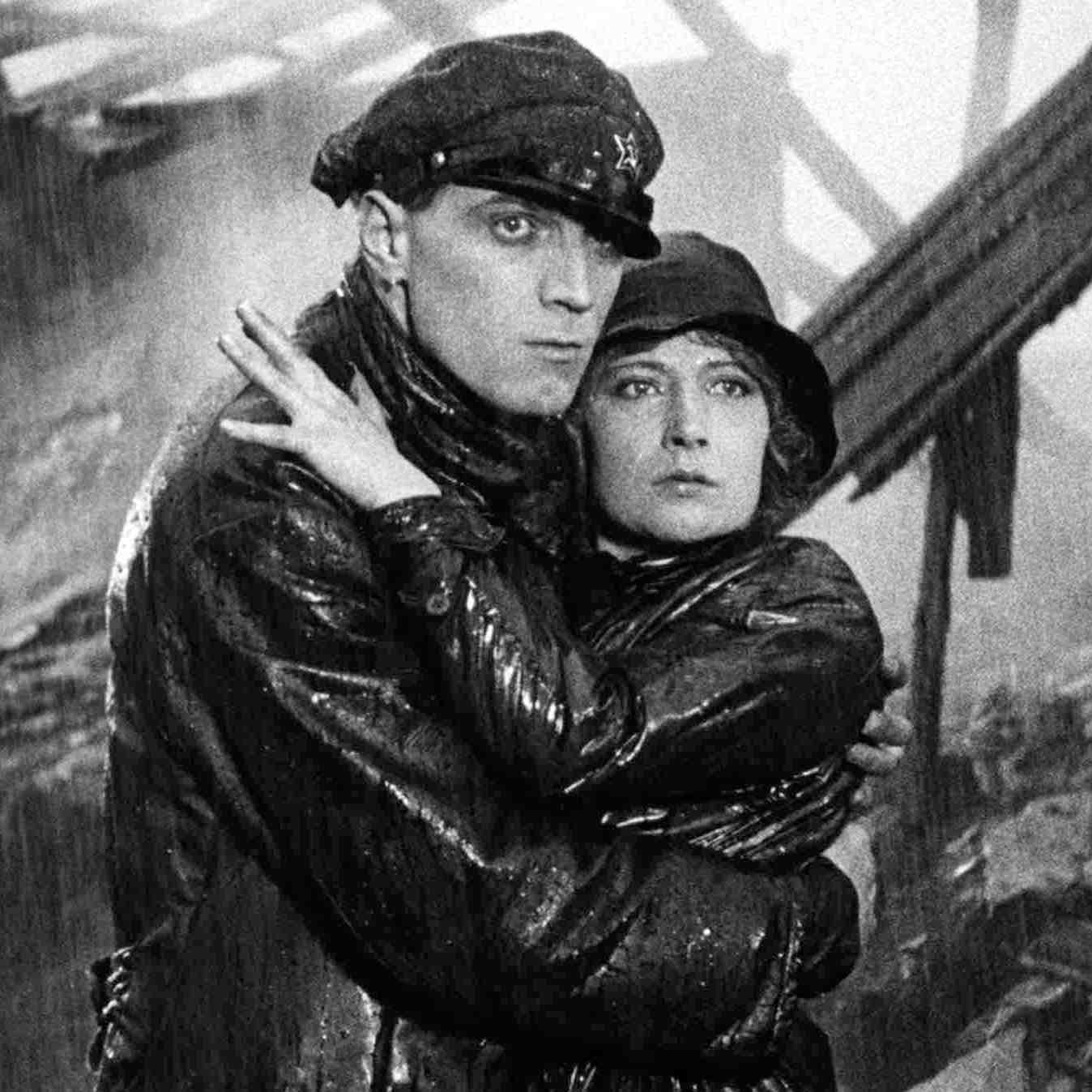
- Comradeship (1931)
Similar Filmmakers
- Max Ophuls
- Paul Leni
- Richard Eichberg
- Robert Siodmak
- Robert Wiene
- Victor Sjostrom
G. W. Pabst’s Top 10 Films Ranked
1. Diary of a Lost Girl (1929)
Genre: Melodrama
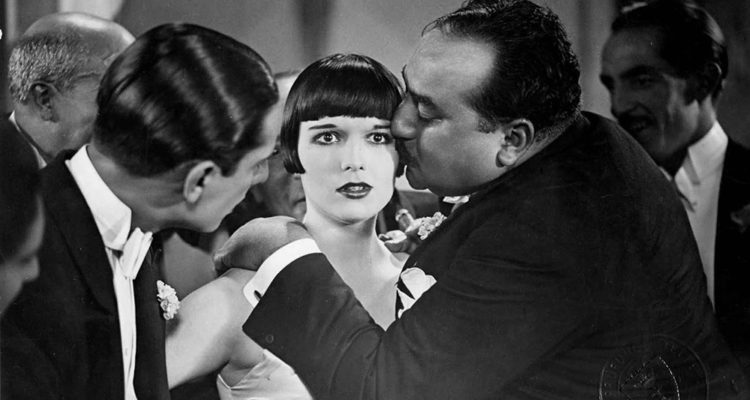
2. Pandora’s Box (1929)
Genre: Crime
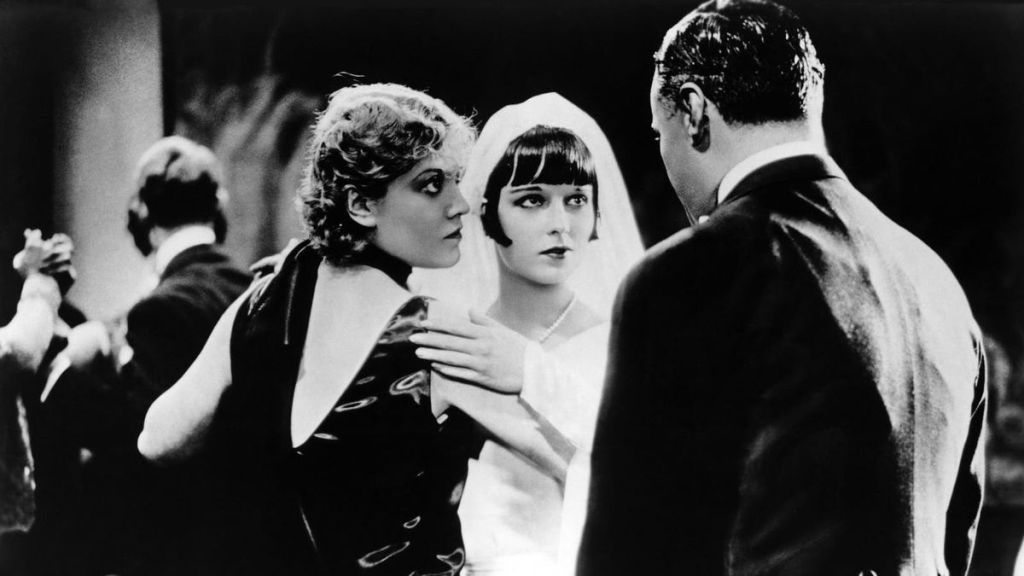
3. Comradship (1931)
Genre: Drama, Disaster

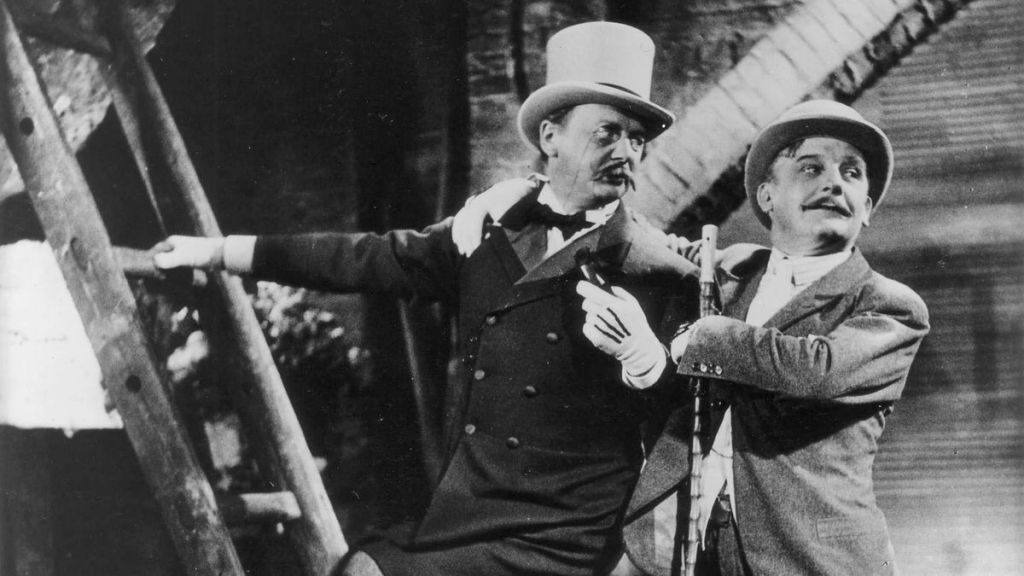
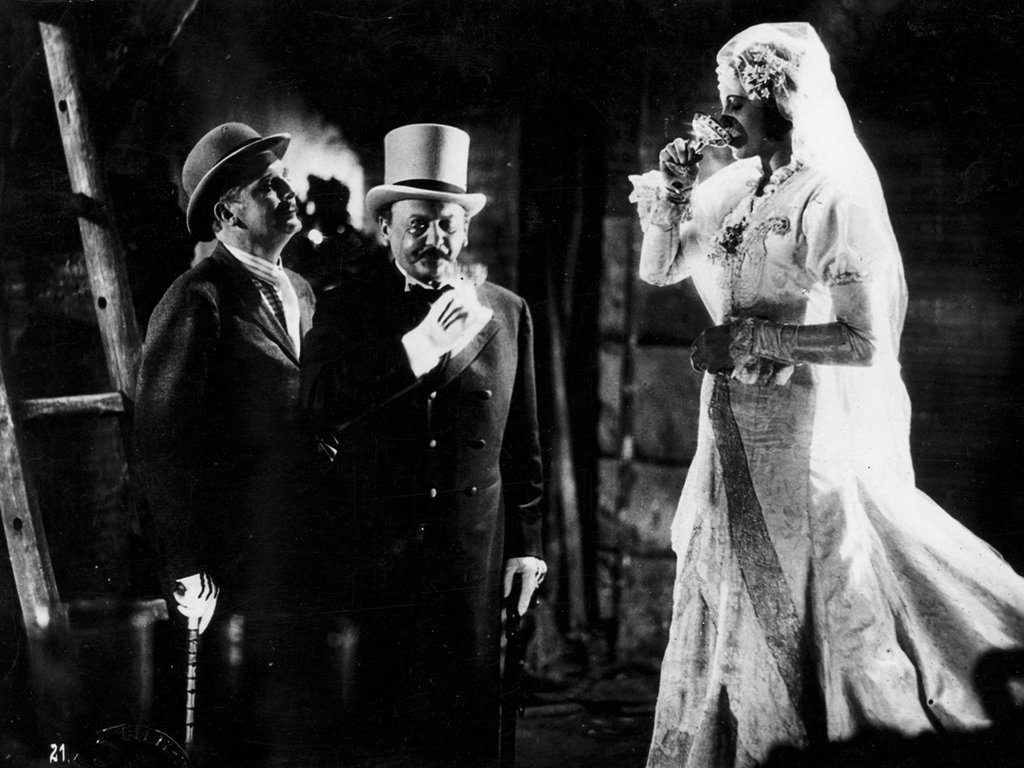
4. The 3-Penny Opera (1931)
Genre: Satire, Operetta, Crime
5. The Loves of Jeanne Ney (1927)
Genre: Melodrama

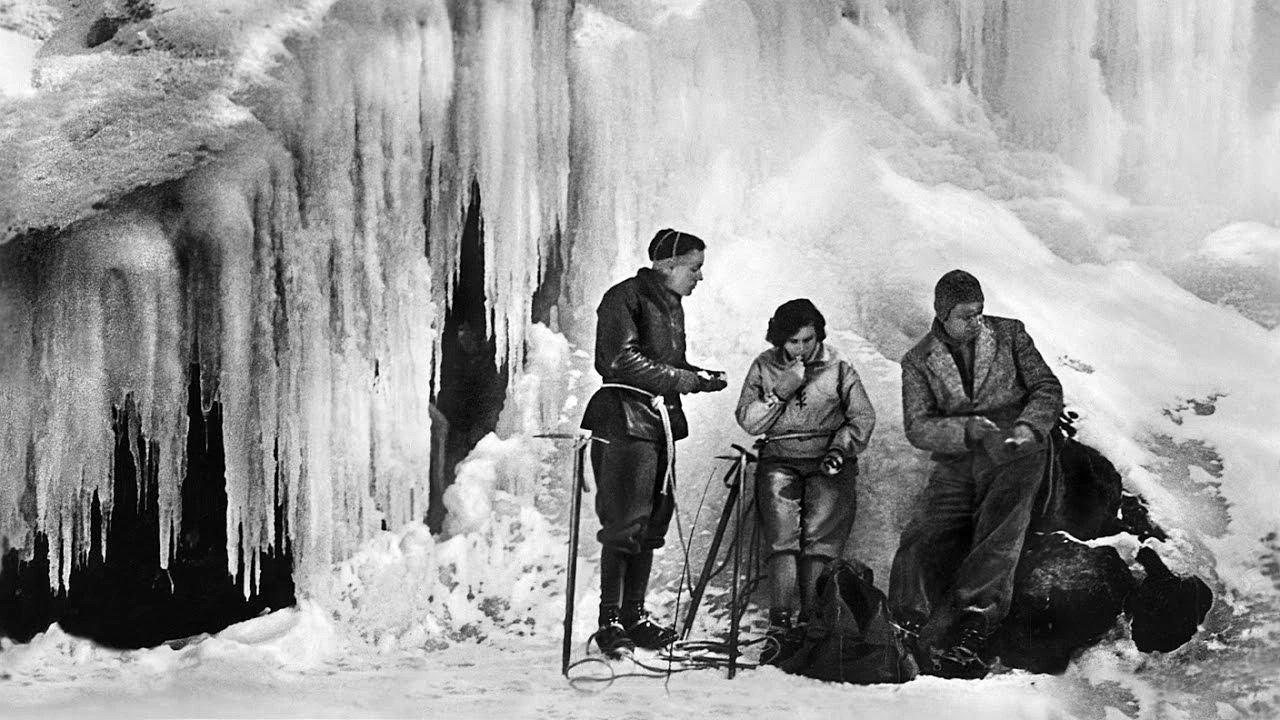
6. White Hell of Pitz Palu (1929)
Genre: Bergfilm, Drama

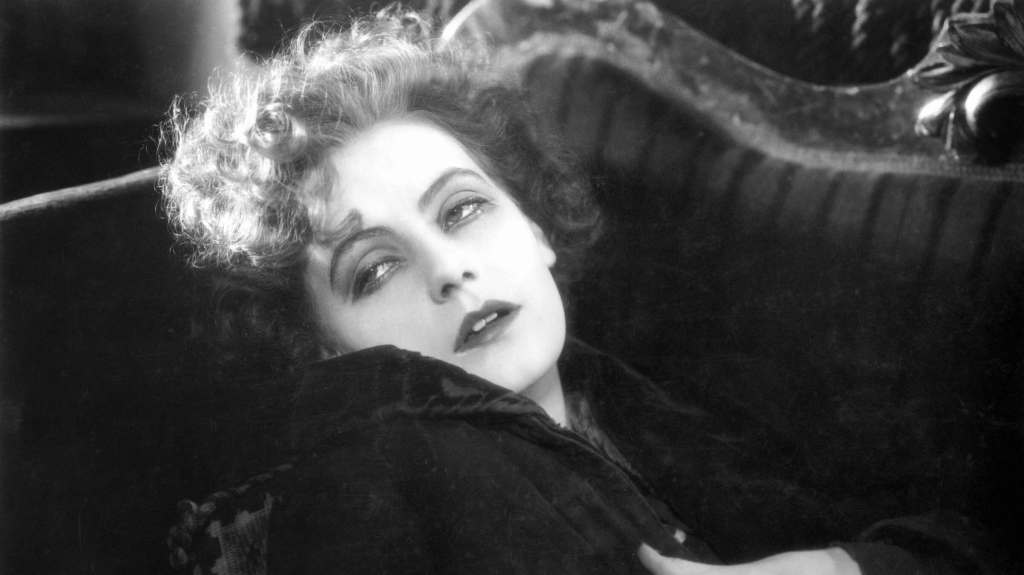
7. Joyless Street (1925)
Genre: Drama
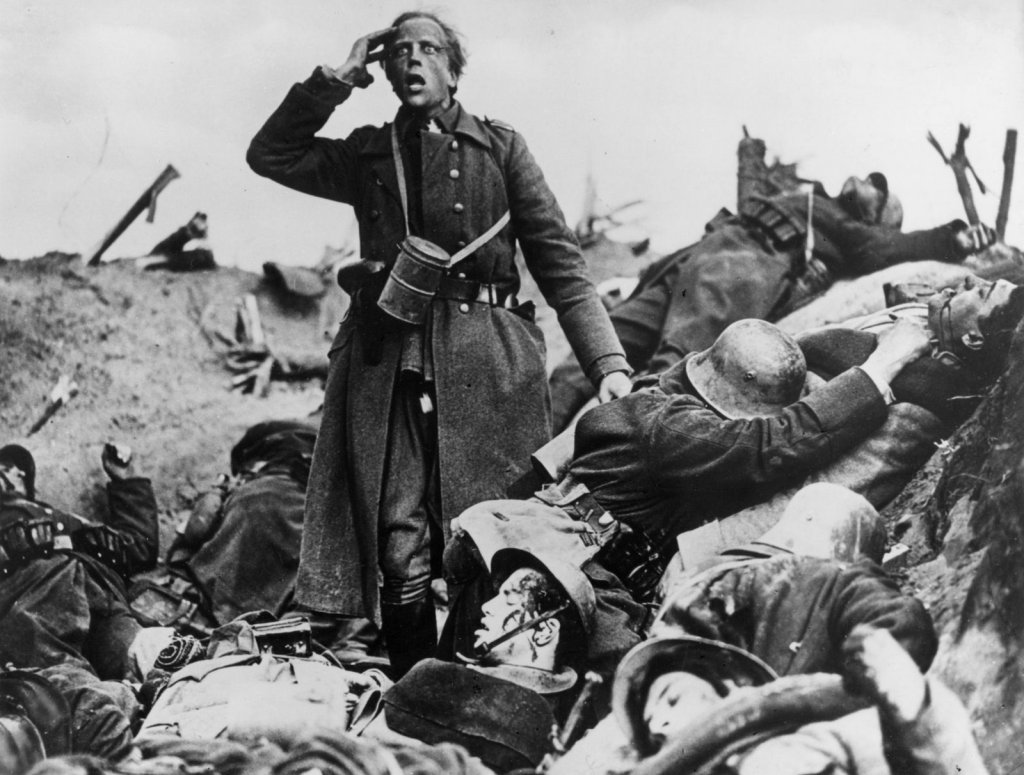
8. Westfront 1918 (1930)
Genre: War, Period Drama
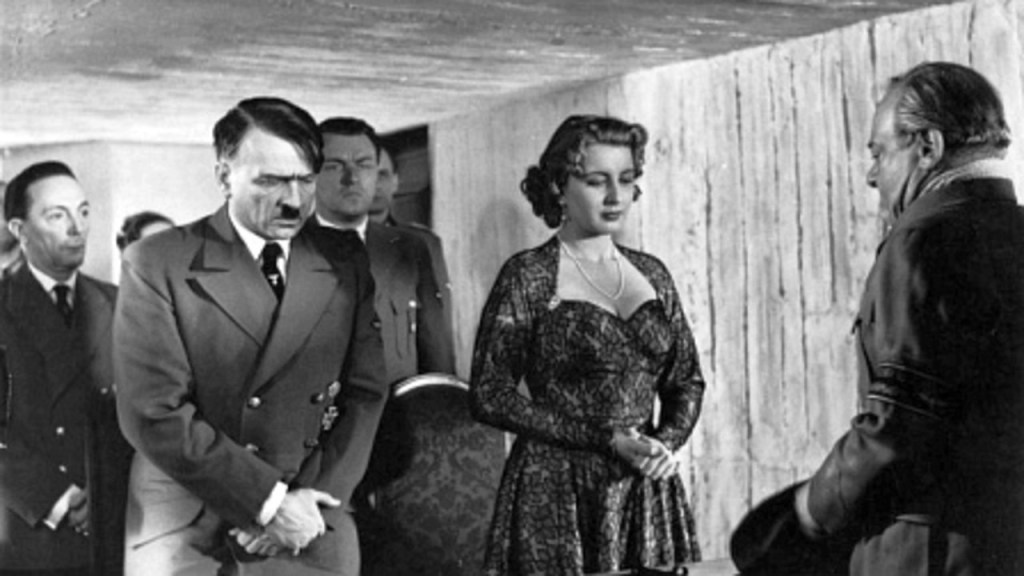
9. The Last Act (1955)
Genre: Period Drama, War
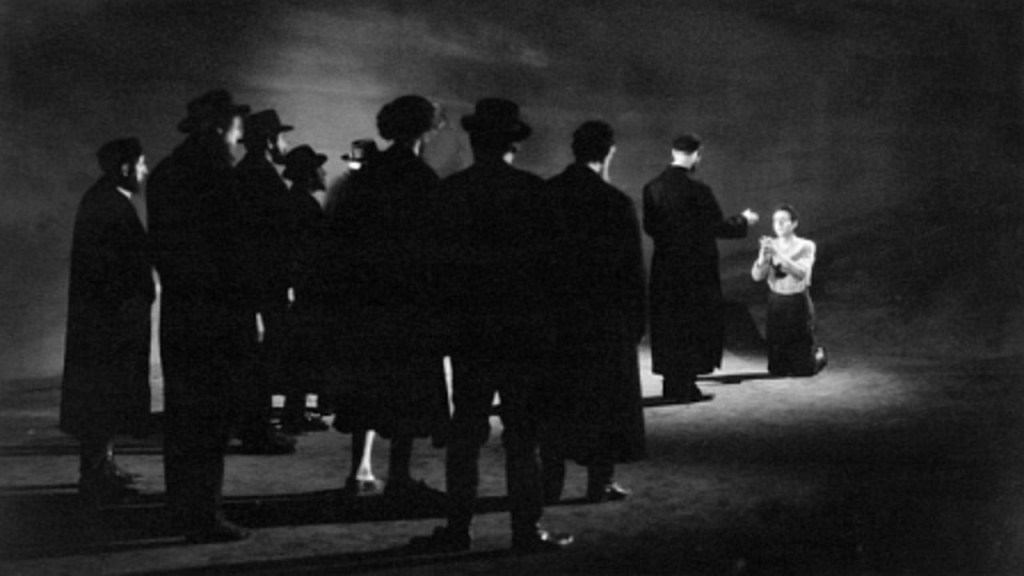
10. The Trial (1948)
Genre: Drama
G.W. Pabst: Themes and Style
Themes:
- Sociopolitical Awareness: Pabst was known for his acute observation of society, politics, and human nature. His films frequently delved into sociopolitical issues, from the impacts of war in Westfront 1918 to the dangers of unchecked capitalism in The Joyless Street.
- Female Protagonists: Many of Pabst’s films centre on female characters, often exploring their struggles, desires, and positions within society. Examples include Pandora’s Box and Diary of a Lost Girl.
- Psychological Depth: Pabst had an interest in the human psyche, often showcasing the internal struggles of his characters. This psychological exploration is particularly evident in films that feature characters grappling with their past or with societal pressures.
Styles:
- Realism: Pabst’s approach to filmmaking was grounded in realism. He often used authentic locations instead of studio sets, and his portrayal of characters and situations had a genuine, unvarnished quality.
- Expressive Cinematography: Pabst utilised the visual language of cinema to convey emotion and atmosphere. His use of shadow, lighting, and innovative camera techniques added depth to his narratives.
- Collaboration with Actresses: Pabst had a knack for drawing out powerful performances from his leading ladies. His collaboration with actresses like Louise Brooks is legendary, showcasing a symbiotic relationship that resulted in some of the most iconic performances of the era.
- Seamless Transitions: Pabst was known for his smooth transitions between scenes, often using match cuts or symbolic imagery to move the narrative forward.
Directorial Signature:
- Focus on Socio-Political Landscapes: Pabst’s films are often set against a backdrop of societal change or political unrest, offering a commentary on the times.
- Character Depth: Rather than relying solely on plot, Pabst’s narratives often hinge on character development. He presents multi-faceted characters that are flawed, relatable, and profoundly human.
- Juxtaposition: Pabst was known to juxtapose contrasting elements within his films, be it the innocence and corruption in Diary of a Lost Girl or the love and brutality in Pandora’s Box. This juxtaposition added layers of meaning and tension to his films.
- Balancing Act: While many of Pabst’s films explore dark and weighty themes, he often balanced them with moments of lightness or even humour, showcasing the spectrum of human experience.
G. W. Pabst: The 159th Greatest Director

 Bronze Screen Dream