
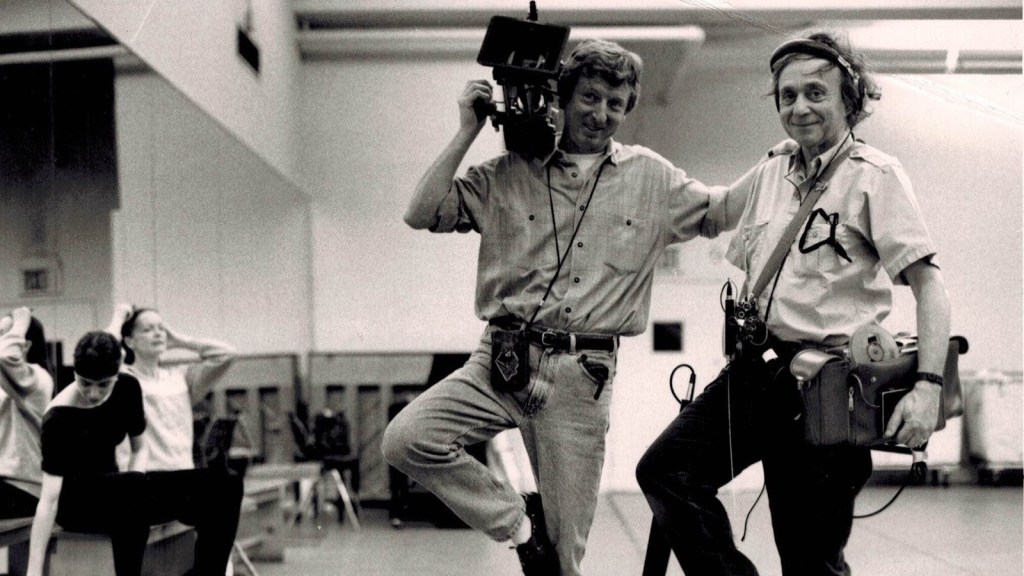
Frederick Wiseman, an American documentary filmmaker, is widely known for his intensive exploration of American institutions and his unique “fly on the wall” observational style. His career, spanning over six decades, has earned him the reputation of being one of the most influential figures in the documentary genre. Wiseman’s work is distinguished by its absence of voiceover narration and interviews, allowing viewers to interpret the captured reality unguided. He has largely contributed to the long-form documentary format, with some of his films extending over several hours, an approach that permitted him to scrutinise his subjects thoroughly.
A former law professor, Wiseman came to cinema in his thirties with a distinctive focus on the institutional realm. His debut film, Titicut Follies, marked the beginning of a lifelong exploration into the complexities of institutional structures. He examined a wide range of societal constructs, including hospitals in Hospital, schools in High School, and police departments in Law and Order. His films are typically devoid of commentary or contextualisation, placing emphasis on the observation of everyday interactions within these structures, enabling viewers to form their own interpretations.
The visual style of Wiseman’s documentaries is distinguished by its austere simplicity and profound depth. He utilises an observational approach, conducting an almost ethnographic study of the subjects, allowing the camera to capture the minutiae of human behaviour within societal structures. In Public Housing, Wiseman explores the public housing projects in Chicago, offering an intimate look at the inhabitants’ lives without intervening. This lack of interference is a staple of his visual style and is particularly evident in State Legislature, where he sheds light on the nuances of political processes without resorting to overt narration.
“My goal is to make as many films as possible about different aspects of American life.”
Furthermore, Wiseman’s post-production work is as essential to his craft as his meticulous filming process. The raw footage is sculpted in the editing room, where each film’s narrative and thematic arc is carefully crafted. For instance, the editing in At Berkeley transforms hours of footage into a coherent exploration of the workings of a prestigious public university. Despite rejecting the label of “activist filmmaker”, Wiseman’s films often include implicit social and political commentary that holds a mirror to the systemic issues in American society.
Wiseman’s influence is profound, both nationally and internationally. Renowned filmmakers such as Errol Morris and Steve James have cited Wiseman’s impact on their approach to documentary filmmaking. Abroad, the likes of Chantal Akerman in Belgium and Raymond Depardon in France have also credited Wiseman’s work as inspiring. The observational style he pioneered has influenced countless filmmakers, making him an integral part of the fabric of documentary history. His films, offering a unique lens to understand and critique societal structures, have shaped the genre’s evolution.

Frederick Wiseman (1930 –)
Calculated Films:
- Titicut Follies (1967)
- Hospital (1970)
- Near Death (1989)
- Belfast, Maine (1999)
- Domestic Violence (2001)
- National Gallery (2014)
- In Jackson Heights (2015)
- City Hall (2020)
Similar Filmmakers
- Albert Maysles & David Maysles
- Alex Gibney
- Allan King
- Barbara Kopple
- Brett Morgen
- Claude Lanzmann
- D. A. Pennebaker
- Errol Morris
- Jean Rouch
- Kazuo Hara
- Marcel Ophuls
- Michel Brault
- Pierre Perrault
- Richard Leacock
- Robert Drew
- Shirley Clarke
- Steve James
- Susan Froemke


Frederick Wiseman’s Top 10 Films Ranked
1. Titicut Follies (1967)
Genre: Direct Cinema

2. Welfare (1975)
Genre: Direct Cinema
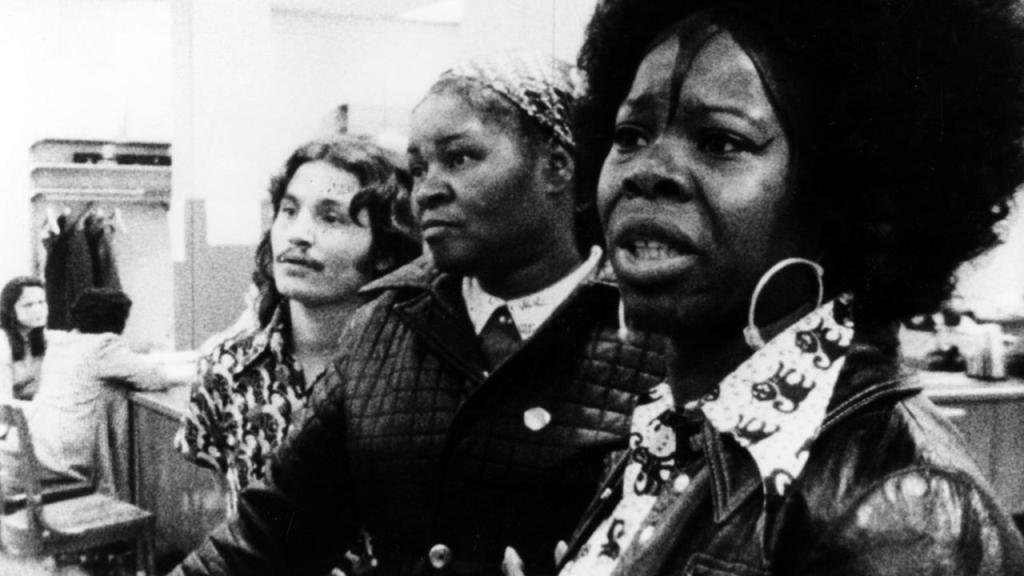
3. High School (1968)
Genre: Direct Cinema
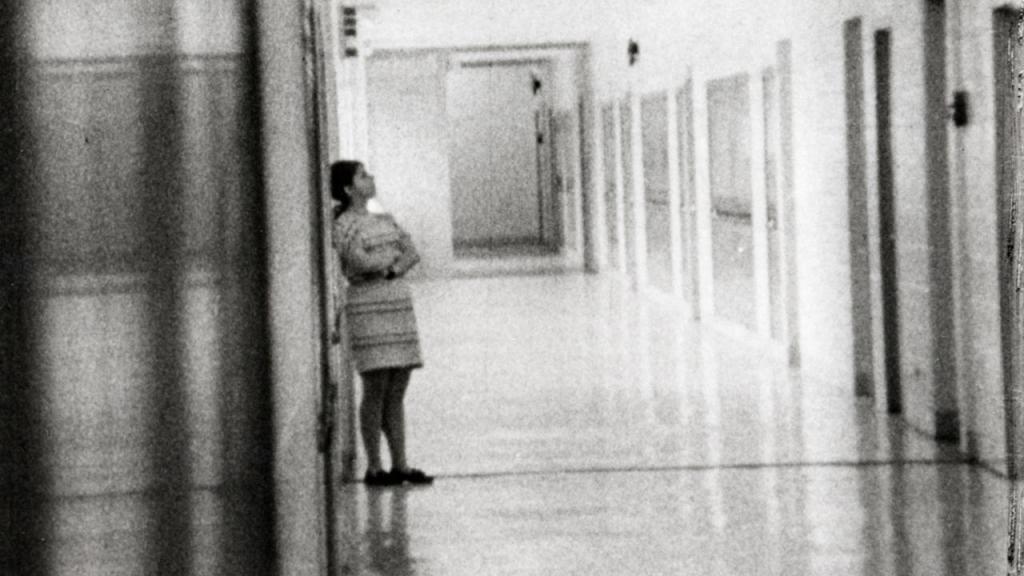
4. Hospital (1970)
Genre: Direct Cinema, Medical Documentary

5. Near Death (1989)
Genre: Direct Cinema
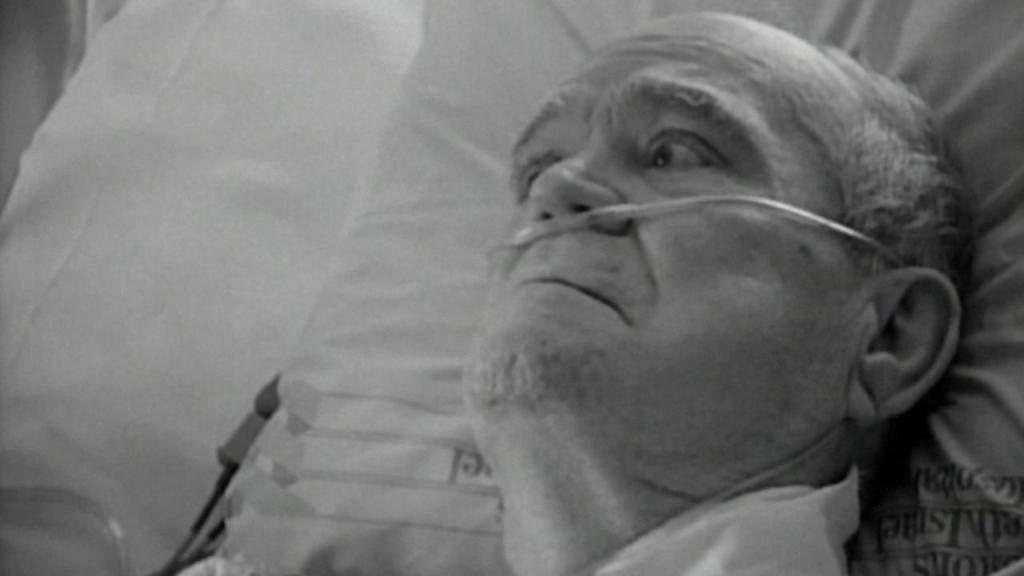
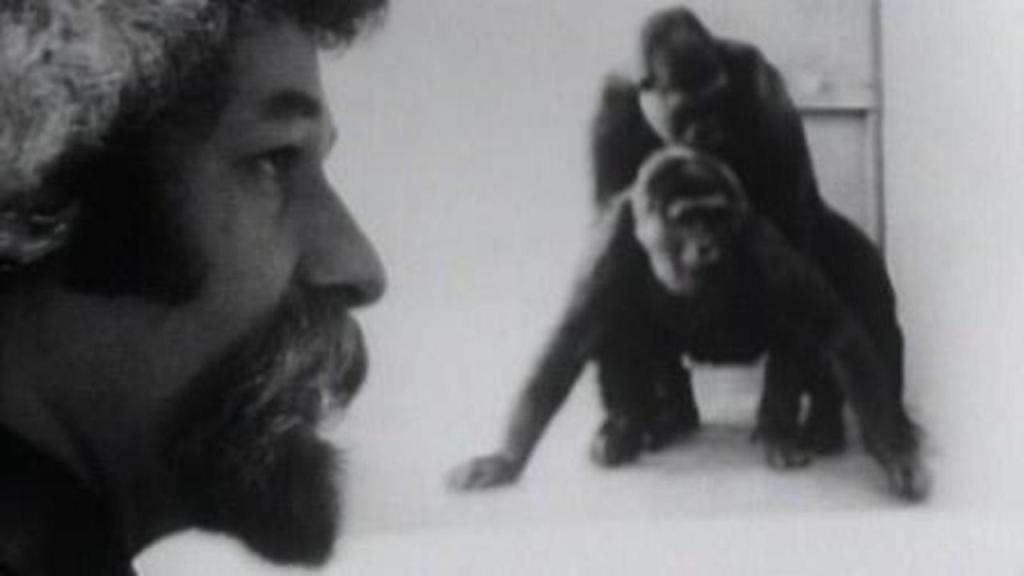
6. Primate (1974)
Genre: Direct Cinema
7. Juvenile Court (1973)
Genre: Direct Cinema, Crime Documentary

8. Boxing Gym (2010)
Genre: Sports Documentary, Direct Cinema

9. In Jackson Heights (2015)
Genre: Direct Cinema

10. At Berkeley (2013)
Genre: Direct Cinema

Frederick Wiseman: Themes and Style
Themes:
- Institutional Examination: Wiseman’s primary theme revolves around the in-depth exploration of institutions, ranging from hospitals and schools to museums and government bodies. He scrutinises these entities’ functioning, revealing the dynamic between individuals and the larger organisational systems.
- Human Behavior: His documentaries often delve into the intricacies of human behaviour and interactions within the framework of institutions. Wiseman showcases the routine, the mundane, and the significant, highlighting the spectrum of human experience and emotions.
- Power Dynamics: The filmmaker has a keen eye for power relationships within institutions, revealing the subtle and overt ways power is exercised and experienced.
- Social Commentary: Wiseman’s films indirectly provide social commentary, often inciting viewers to reflect on societal structures, norms, and the human condition.
Styles:
- Observational (Fly-on-the-Wall) Style: Wiseman employs an observational style of filmmaking, capturing real-life events without intervention. He avoids manipulating the reality unfolding before the camera, offering viewers an unfiltered glimpse into the lives and environments depicted.
- Absence of Narration: His films typically lack voice-over narration or interviews, allowing the visual content to speak for itself. This style fosters a more immersive and contemplative viewing experience.
- Extended Running Time: Many of Wiseman’s documentaries have long durations, sometimes exceeding three hours. The extended running time allows for a comprehensive exploration of topics, granting viewers a deeper understanding of the subject matter.
- Editing as Storytelling: While he avoids intervening during filming, Wiseman actively shapes his narratives through meticulous editing. His editing process crafts compelling stories, drawing out themes and highlighting significant moments captured on film.
Directorial Signature:
- Immersive Realism: Wiseman’s directorial approach immerses viewers in the film’s environment, providing a real and tangible sense of place and atmosphere. His dedication to realism enables audiences to engage deeply with the subject matter.
- Non-Judgmental Perspective: He approaches his subjects without overt judgment or bias, presenting events as they unfold while leaving interpretation open to viewers.
- Attention to Detail: Wiseman’s films pay close attention to the minute details of life and human interactions, emphasising the significance of the seemingly insignificant. Through focusing on details, he draws out the humanity of individuals within larger institutional structures.
- Sociological Lens: The filmmaker’s body of work can be seen as a comprehensive sociological study, providing valuable insights into American society and institutions over time. His films serve as visual essays on social structures and human behaviour, contributing significantly to discussions on society and culture.
Frederick Wiseman: The 172nd Greatest Director



 Bronze Screen Dream