
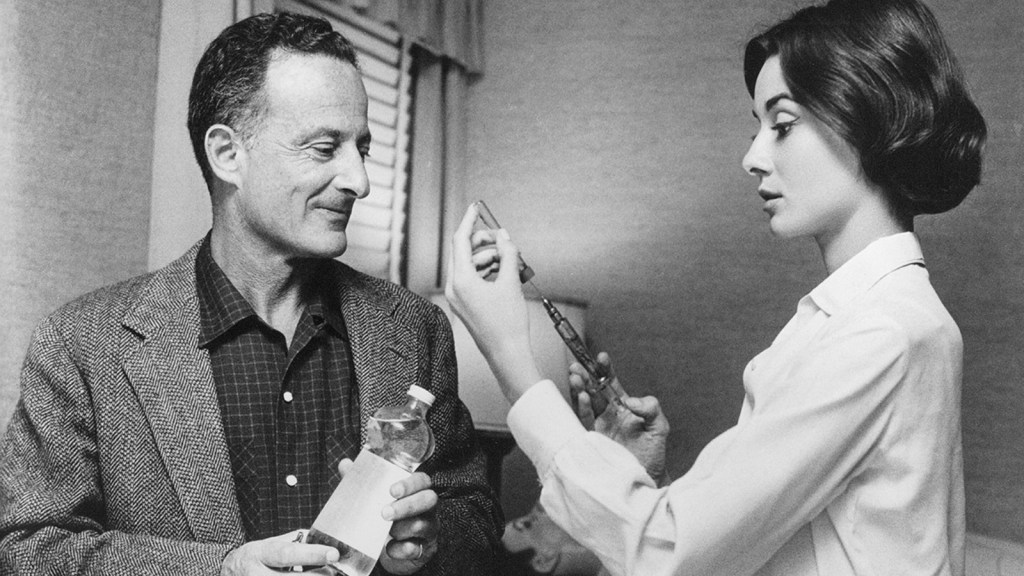
Fred Zinnemann, an Austrian director, is known for his meticulous attention to detail and his ability to create intense, dramatically complex films. His most celebrated works, such as From Here to Eternity, High Noon, and A Man for All Seasons, explore human resilience and the moral quandaries individuals face in trying circumstances.
Zinnemann’s journey into cinema began after studying law in Vienna, following which he moved to Paris and later Hollywood to pursue filmmaking. His early work in short documentaries and his collaborations with Robert J. Flaherty left an indelible mark on his filmmaking approach, fostering a profound appreciation for authentic representation and an affinity for socio-political themes. For instance, High Noon is a tense Western that subtly critiques McCarthyism, while The Men is a moving portrayal of the challenges faced by war veterans.
A recurring motif in Zinnemann’s filmography is the individual’s confrontation with societal and institutional pressures. His characters often face a moral or ethical dilemma that forces them to stand up against the status quo. A Man for All Seasons, for instance, explores Sir Thomas More’s refusal to capitulate to King Henry VIII’s desire for divorce, underscoring the struggle between personal convictions and public duty.
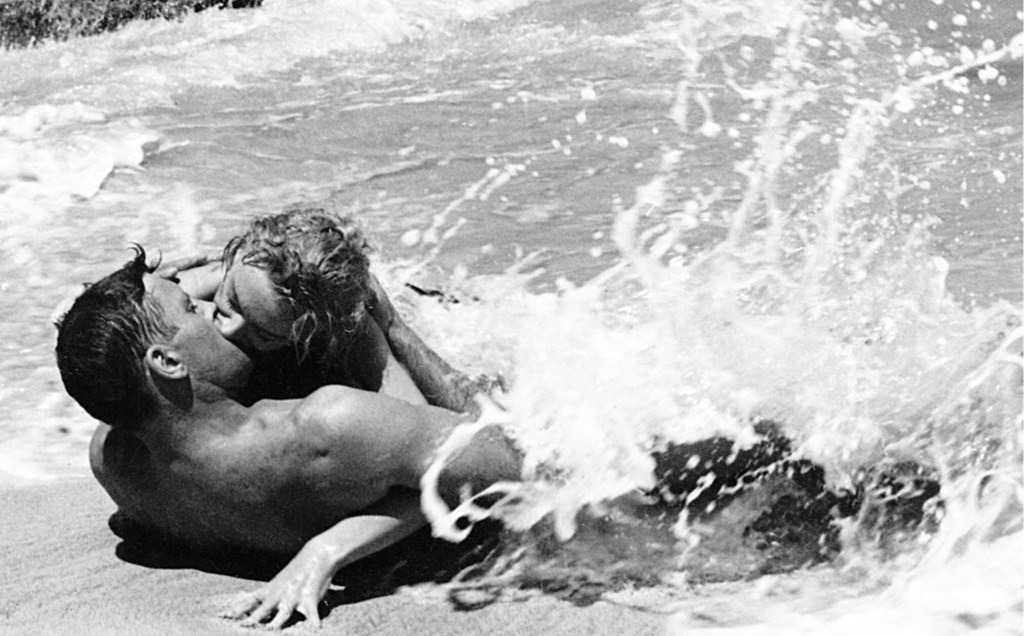
Zinnemann’s visual style is characterised by a realistic aesthetic, often employing on-location filming and non-professional actors to enhance authenticity. This style and his documentary-like attention to detail lend his films a distinctive sense of immediacy and naturalism. The beach scene in From Here to Eternity, with its candid portrayal of passion against a backdrop of impending disaster, showcases his ability to intertwine human emotion with contextual realism.
Zinnemann’s influence on cinema extends both nationally and internationally. His nuanced storytelling and strong socio-political commentary have inspired filmmakers. His films’ re-evaluations often uncover their timeless relevance, as seen in recent discussions of High Noon‘s allegorical commentary on political witch hunts.

Fred Zinnemann (1907 – 1997)
Calculated Films:
- The Search (1948)
- Act of Violence (1949)
- High Noon (1952)
- From Here To Eternity (1953)
- A Man For All Seasons (1966)
- The Day of the Jackal (1973)
Similar Filmmakers

Fred Zinnemann’s Top 10 Films Ranked
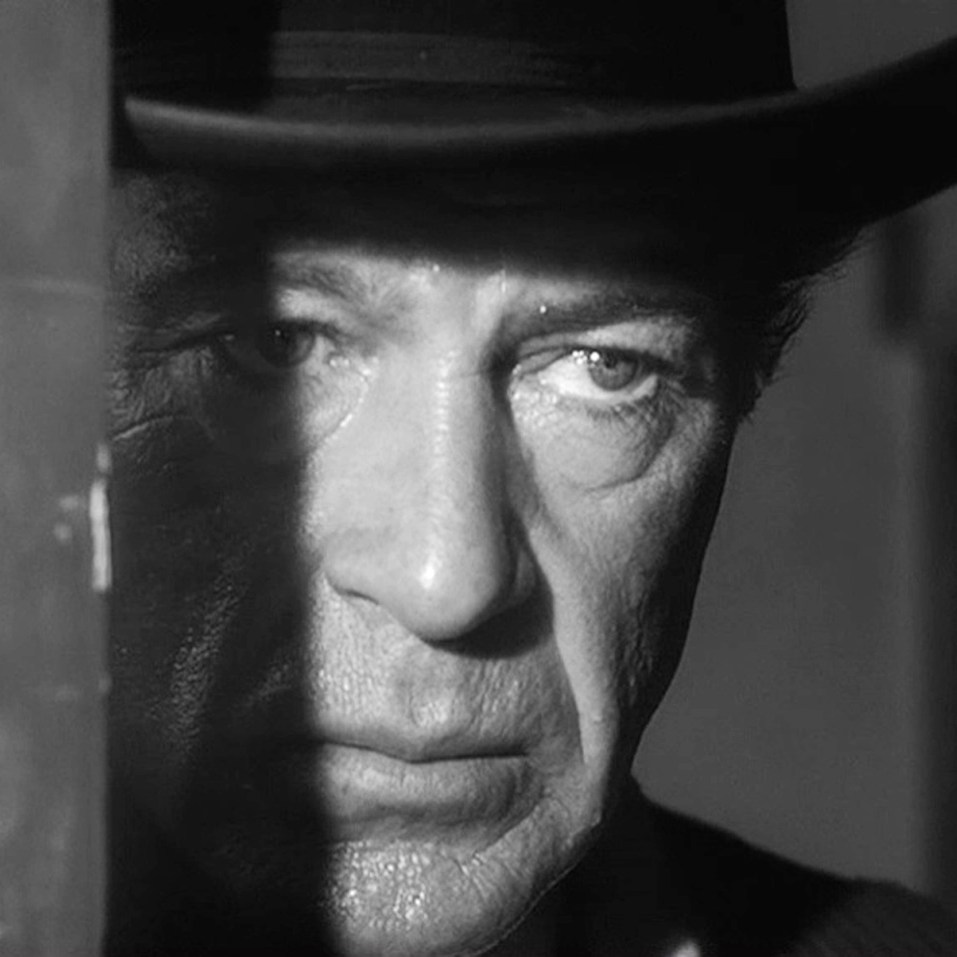
1. High Noon (1952)
Genre: Western, Drama

2. The Day of the Jackal (1973)
Genre: Political Thriller, Police Procedural

3. A Man For All Seasons (1966)
Genre: Period Drama, Biographical, Legal Drama

4. The Act of Violence (1948)
Genre: Film Noir, Thriller

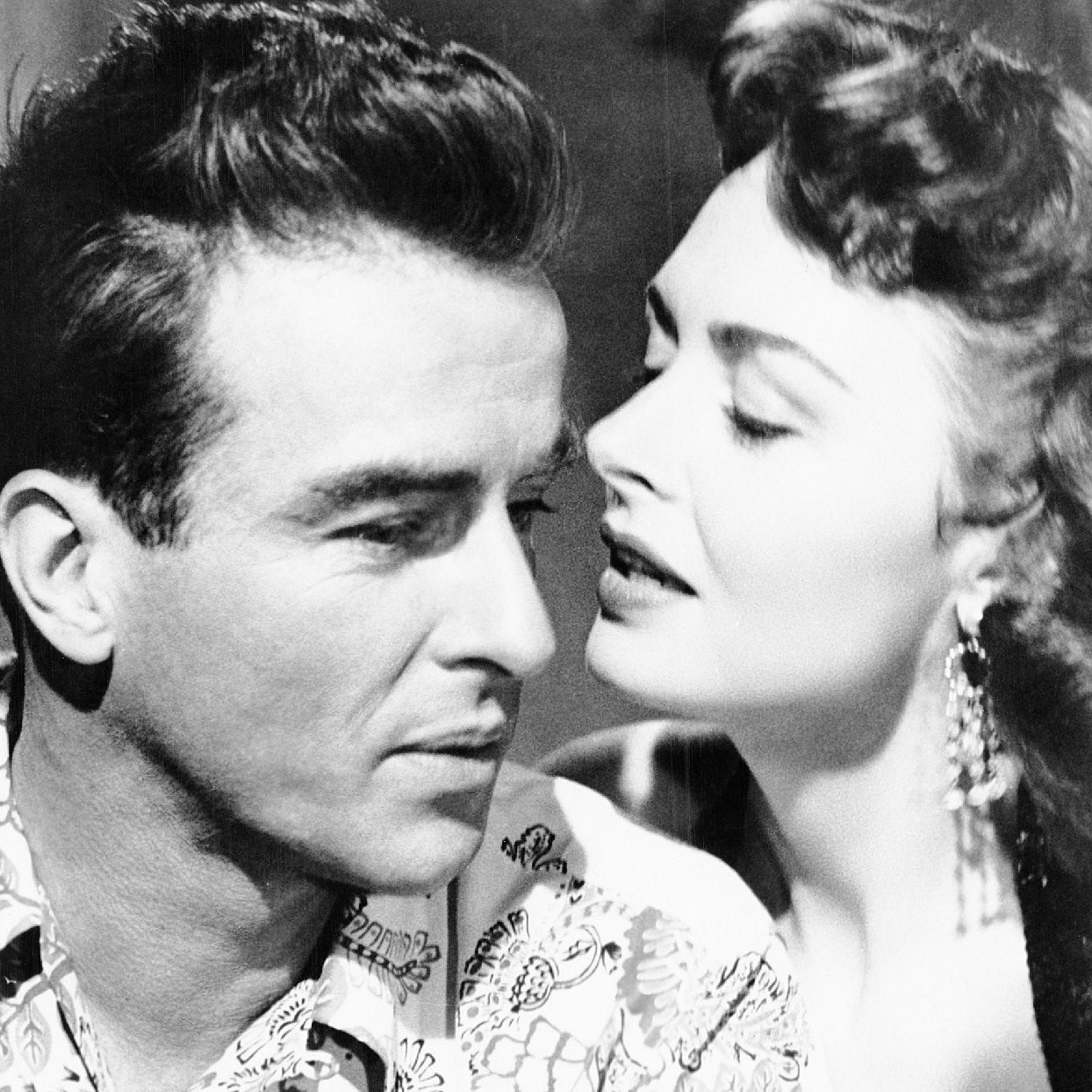
5. From Here To Eternity (1953)
Genre: War, Romance, Drama, Period Drama
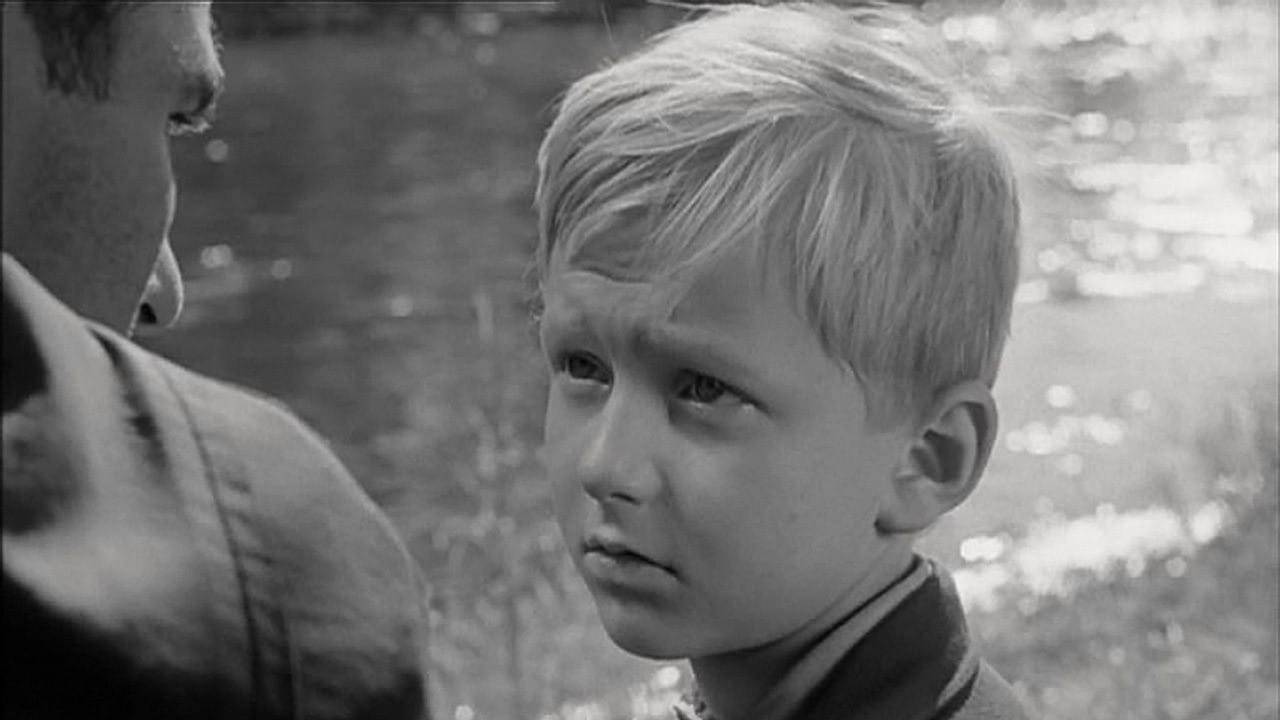
6. The Search (1948)
Genre: Melodrama

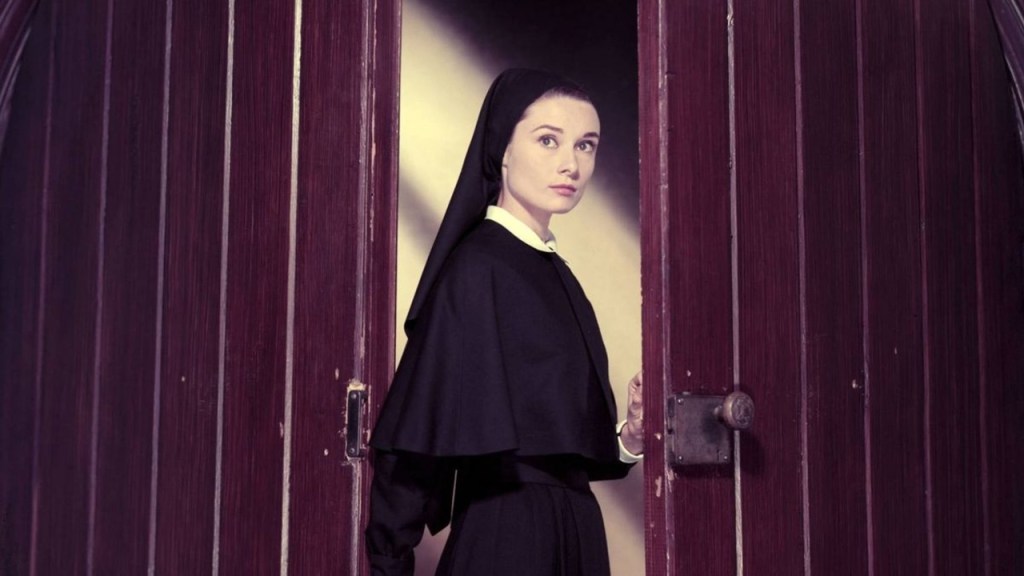
7. The Nun’s Story (1959)
Genre: Drama
8. The Seventh Cross (1944)
Genre: Drama, War

9. Julia (1977)
Genre: Drama, Period Drama

10. The Men (1950)
Genre: Drama

Fred Zinnemann: Themes and Style
Themes:
- Human Conflict and Morality: Fred Zinnemann’s films often delve into complex human emotions and moral dilemmas. In High Noon, for instance, he explores themes of courage, duty, and social responsibility through the narrative of a town marshal facing a moral quandary.
- Psychological Depth: Zinnemann’s work frequently features characters with rich psychological depth, as seen in From Here to Eternity, where the personal dramas and inner conflicts of soldiers are brought to the forefront against the backdrop of impending war.
- Historical and Political Contexts: Many of Zinnemann’s films, such as Julia, are set against significant historical events, examining the impact of these events on individual lives and society and highlighting the interplay between personal and political realms.
Styles:
- Realistic Performances: Zinnemann was known for eliciting naturalistic and nuanced performances from his actors, often using a documentary-like style that added a layer of authenticity to his narratives.
- Visual Storytelling: His use of strong visual compositions in films like The Nun’s Story helps to convey the internal states of the characters and the gravity of their situations without relying heavily on dialogue.
- Pacing and Tension: Zinnemann had a deft touch with pacing, building tension in a measured way that culminated in emotionally or physically charged climaxes, a technique that’s especially evident in A Man for All Seasons.
Directorial Signature:
- Collaborative Approach: Zinnemann was known for his collaborative spirit, often working closely with actors, writers, and technicians to refine the cinematic expression of his vision, resulting in a cohesive storytelling style.
- Adaptation Fidelity: He had a deep respect for the source material when adapting plays or novels, striving to maintain the essence of the original work while still imbuing it with his unique cinematic perspective, as seen in The Day of the Jackal.
- Ethical Complexity: A signature aspect of Zinnemann’s direction is the presentation of characters in ethical quandaries, prompting audiences to reflect on their own moral compass, a theme that runs through much of his filmography, including The Search.
Fred Zinnemann: The 155th Greatest Director



 Bronze Screen Dream