

Franklin J. Schaffner was an American film director known for his epic storytelling and ability to elevate the material at hand. His illustrious career spans television and film, with notable cinematic masterpieces like Patton, Papillon, and Planet of the Apes. Coming from television origins, Schaffner transferred his learned precision and control to the big screen, successfully reviving the epic genre, especially with Patton, penned by the then-emerging Francis Ford Coppola.
Schaffner’s filmography is characterised by a balance of grand historical narratives and smaller, intimate stories. This duality reveals a director equally adept at crafting large-scale spectacle and nuanced character drama. In Patton, Schaffner presents a compelling character study within the context of World War II, while in The Boys from Brazil, he delves into the ethical implications of cloning. His films are distinguished by meticulous attention to detail, a strong sense of narrative structure, and a profound understanding of character psychology. Though best known for his epics, Schaffner’s career also includes smaller gems that showcase his range and versatility.
Schaffner was known for his sweeping panoramic shots in films like Patton and Nicholas and Alexandra, which were counterbalanced by his equally effective use of close-ups to convey character emotion. His adept use of music and sound added another layer to his films, enhancing their emotional resonance. His film, Planet of the Apes, played a significant role in the development of the science fiction genre and started one of the first major film franchises.
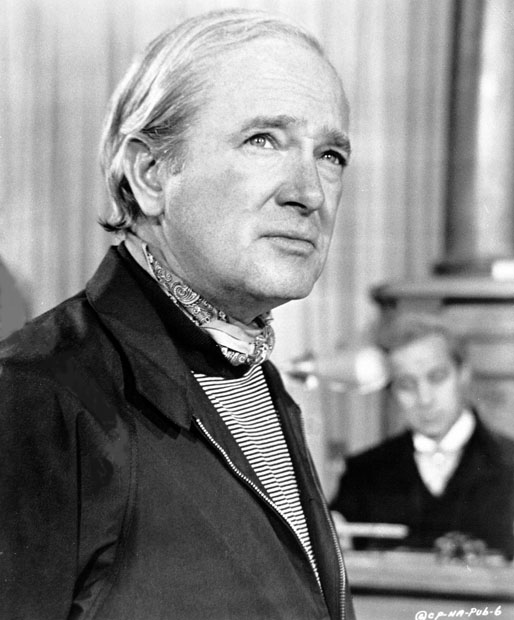
Franklin J. Schaffner (1920 – 1989)
Calculated Films:
- Planet of the Apes (1968)
- Patton (1970)
- Papillon (1973)
Similar Filmmakers
- Alan J. Pakula
- David Lean
- Don Siegel
- Fred Zinnemann
- George Roy Hill
- Guy Hamilton
- J. Lee Thompson
- John Frankenheimer
- John Milius
- John Sturges
- Martin Ritt
- Peter Yates


Franklin J. Schaffner’s Top 5 Films Ranked
1. Planet of the Apes (1968)
Genre: Dystopian, Sci-Fi, Adventure, Post-Apocalyptic

2. Papillon (1973)
Genre: Prison Film, Drama, Adventure, Biographical

3. Patton (1970)
Genre: War, Biographical, Epic
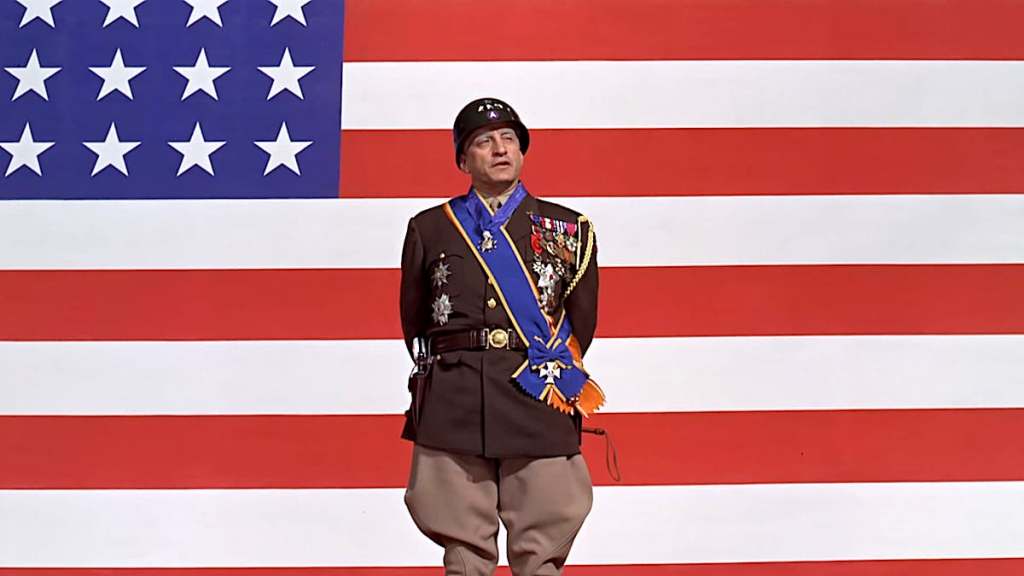
4. The Best Man (1964)
Genre: Political Drama, Satire

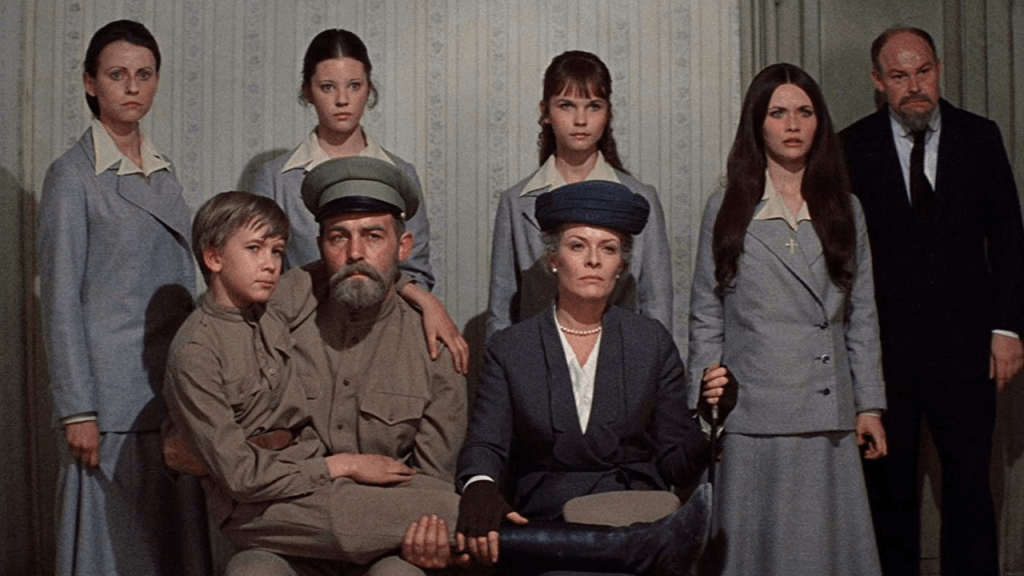
5. Nicholas and Alexandra (1971)
Genre: Epic, Biographical
Franklin J. Schaffner: Themes and Style
Themes:
- Heroism and Leadership: Many of Schaffner’s films delve into the psyche of influential leaders, examining the burden of leadership and the complexities of heroism. For example, Patton presents a nuanced portrayal of General George S. Patton, illustrating his genius, flaws, and the weight of command.
- Humanity vs. Inhumanity: Schaffner’s works often examine the thin line between civilised society and barbarism. In Planet of the Apes, the juxtaposition of apes and humans serves as a critique of human behaviour and the potential for regression.
- Struggle for Freedom: The theme of confinement and the quest for freedom is evident in Papillon, which follows a man’s relentless pursuit of freedom from a brutal penal colony.
Styles:
- Epic Storytelling: Many of Schaffner’s films are grand in scope, providing a panoramic view of their respective subjects, be it war (Patton) or evolutionary allegory (Planet of the Apes).
- Character Depth: Schaffner took great care in developing layered, multifaceted characters, ensuring that heroes and villains alike possessed depth and dimensionality.
- Cinematic Realism: His use of practical locations, combined with meticulous set designs and costumes, imbued his films with a tangible sense of realism. The battle scenes in Patton or the rugged prison environments in Papillon attest to this.
- Evocative Score: Music plays an integral role in Schaffner’s films. The use of memorable scores, like the trumpet-led theme of Patton or the hauntingly atmospheric notes in Planet of the Apes, amplifies the emotional resonance of his stories.
Directorial Signature:
- Thoughtful Pacing: Schaffner was not one for rapid cuts or hurried sequences. He took his time, allowing the story to unfold methodically, giving audiences the space to contemplate the narrative’s deeper implications.
- Striking Visuals: Whether it’s the wide desert landscapes in Patton or the eerie remnants of the Statue of Liberty in Planet of the Apes, Schaffner’s films are visually arresting, often using imagery to further narrative themes and evoke potent emotions.
- Social Commentary: Beyond pure entertainment, many of Schaffner’s films serve as critiques or reflections on society, politics, and human nature. While they can be enjoyed on a surface level, deeper analyses reveal astute observations on contemporary issues of his time.
Franklin J. Schaffner: The 245th Greatest Director



 Bronze Screen Dream