
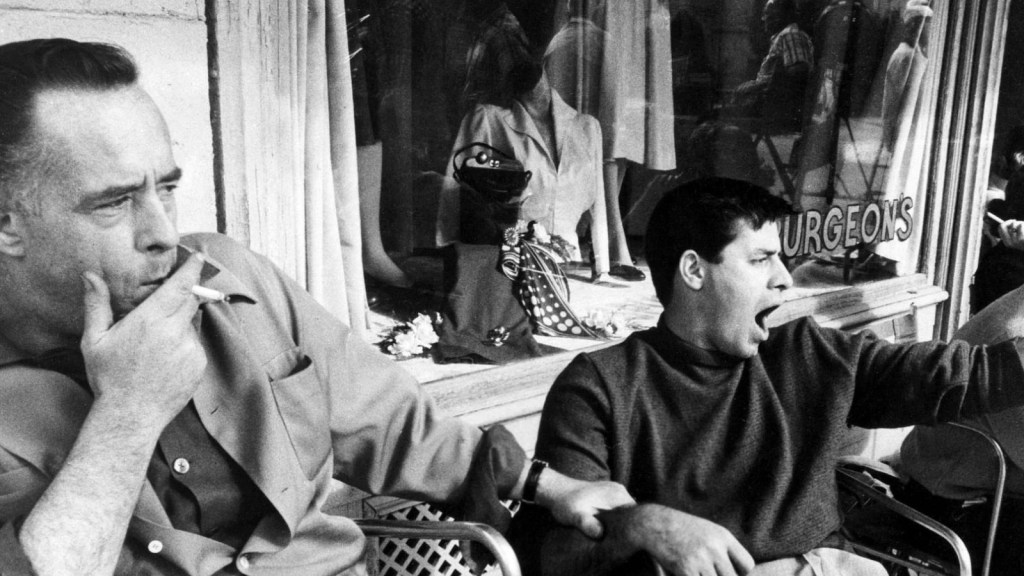
Frank Tashlin was an American director who gained prominence in both the animation and live-action film industries. He is best remembered for his lively, satirical style and vivid visuals prevalent in his works, such as The Girl Can’t Help It and Will Success Spoil Rock Hunter? Tashlin’s dual expertise in animation and live-action cinema led to a unique blending of both realms in his films, transforming the conventional landscape of Hollywood cinema and leaving an indelible mark on comedic filmmaking.
Tashlin’s filmography was exceptional for its unique integration of animation aesthetics into live-action, a novelty that set his works apart from others of his era. This was evident in his visually engaging films like Artists and Models, where he used surrealistic visuals, slapstick comedy, and extravagant mise-en-scène to present social satire. Tashlin’s recurring theme of critiquing consumer culture, materialism, and Hollywood glamour painted an astute portrait of mid-century American society. He used the medium of comedy not just for its humour but as a tool to comment on societal trends and idiosyncrasies. His satirical approach towards popular culture, as seen in Cinderfella, helped push the envelope of comedy cinema while infusing it with insightful cultural commentary.
Furthermore, Tashlin’s background in animation is responsible for his innovative, fast-paced narrative style and exaggerated physical comedy, a significant aspect of his films like The Disorderly Orderly. His vibrant colour palettes, dynamic camera angles, and inventive visual gags contribute to a distinct cinematic language that often challenges the conventional realism of live-action cinema. His influence reverberates in the works of contemporary directors who imbue their films with a similar blend of satire, visual spectacle, and social commentary. In a career spanning over three decades, Tashlin seamlessly blended humour and satire, reality and fantasy, crafting a unique, vibrant filmography that resonates strongly even in contemporary cinema.

Frank Tashlin (1913 – 1972)
Calculated Films:
- Will Success Spoil Rock Hunter? (1957)
Similar Filmmakers
- Billy Wilder
- Blake Edwards
- Buster Keaton
- Charlie Chaplin
- Chuck Jones
- Eldar Ryazanov
- Ernst Lubitsch
- George Sidney
- Howard Hawks
- Jacques Tati
- Jerry Lewis
- Joe Dante

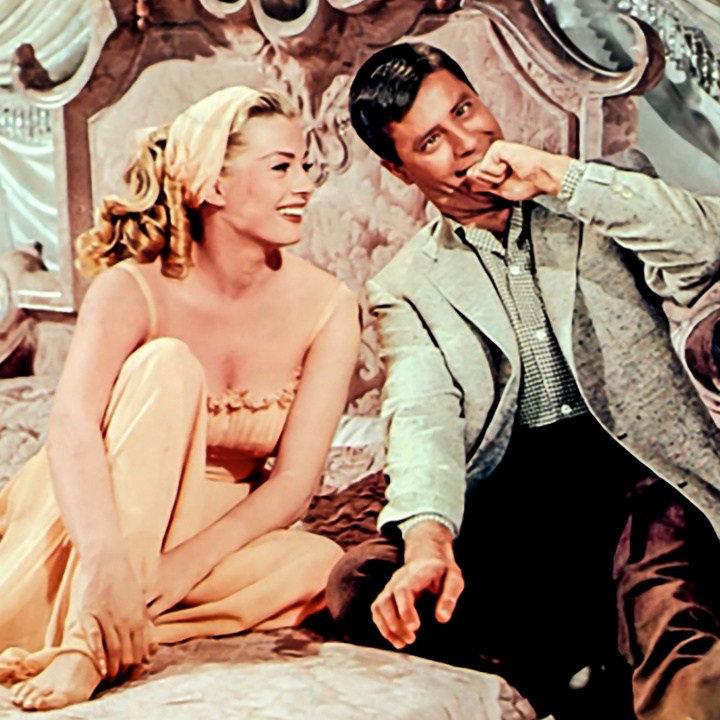

Frank Tashlin’s Top 5 Films Ranked
1. Will Success Spoil Rock Hunter? (1957)
Genre: Satire, Romantic Comedy

2. The Girl Can’t Help It (1956)
Genre: Comedy, Music

3. Artists and Models (1955)
Genre: Satire, Romantic Comedy, Musical, Slapstick, Buddy

4. Hollywood or Bust (1956)
Genre: Comedy, Road Movie, Slapstick
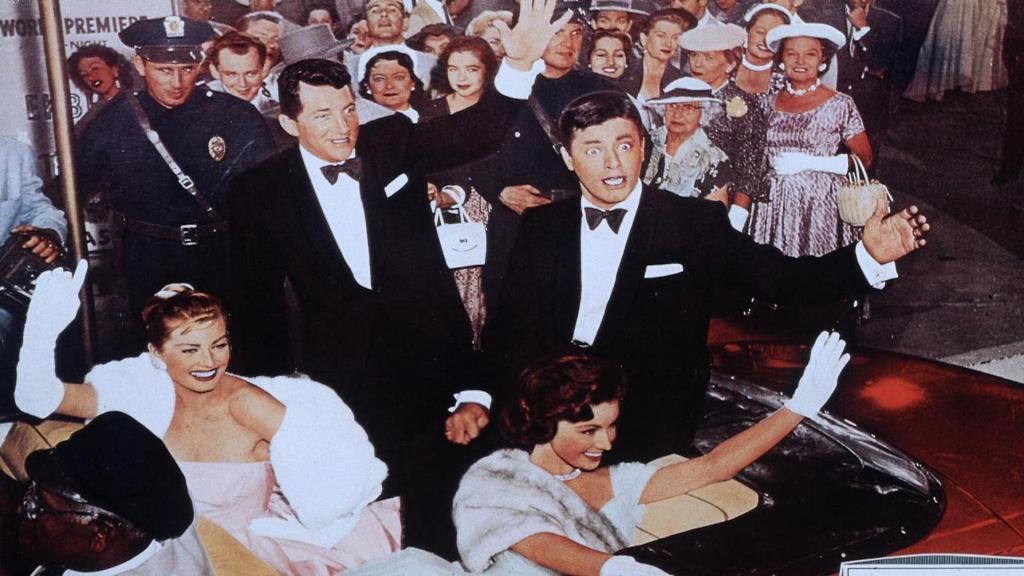
5. Who’s Minding the Store? (1963)
Genre: Comedy, Slapstick

Frank Tashlin: Themes and Style
Themes:
- Consumer Culture and Commercialism: Tashlin often poked fun at the burgeoning consumer culture of post-war America. Films like Will Success Spoil Rock Hunter? highlight the obsession with celebrity endorsements and the power of advertising.
- Media Satire: Tashlin’s work regularly lampooned the media industry, emphasising its sometimes absurd nature. Examples include his jabs at the film and television industry and its relationship with audiences.
- Gender and Sexuality: Through comedic lenses, Tashlin addressed societal expectations of femininity and masculinity, especially in the context of the 1950s.
- Hollywood and Celebrity Culture: The glitz, glamour, and superficiality of Hollywood were recurring targets in his films, particularly in how they represented fame’s fleeting nature.
Styles:
- Cartoonish Aesthetics: Owing to his background in animation, Tashlin’s live-action films often featured exaggerated, cartoon-like elements, from broad physical comedy to hyperbolic set pieces.
- Colour and Cinematography: Tashlin favoured vibrant, Technicolor palettes, which made his films visually pop. His framing and camera movements were also distinct, sometimes replicating techniques used in animation.
- Fast-paced Editing: Many of his films had a brisk rhythm, using rapid cuts that enhanced comedic timing.
- Playful Narration: Tashlin’s films often broke the fourth wall, engaging directly with the audience or using characters as narrators in unconventional ways.
Directorial Signature:
- Merging Animation and Live-Action Principles: Tashlin’s transition from animation to live-action did not mean leaving behind his roots. His movies, whether in their comedic timing, visual style, or narrative approach, always retained a touch of the animated world.
- Social Commentary through Comedy: Beneath the humour, Tashlin’s films carried sharp critiques of contemporary society, particularly of American culture in the 1950s and 1960s.
- Collaboration with Comedic Actors: Tashlin often worked with some of the best comedic talents of his time, like Jerry Lewis and Bob Hope. These collaborations amplified his comedic vision, bringing a unique energy to his films.
- Visual and Verbal Puns: Tashlin loved wordplay and visual gags. His films are rife with puns, double entendres, and sight gags, showcasing his love for layered humour.
Frank Tashlin – Great Director



 Bronze Screen Dream