

Frank Darabont is a Hungarian-American filmmaker best known for adapting Stephen King’s stories into critically acclaimed films, most notably The Shawshank Redemption, The Green Mile, and The Mist. These films solidified Darabont’s reputation as a master storyteller capable of weaving intricate tales of human resilience, redemption, and interpersonal connections.
Darabont’s films often explore the depth and nuances of human nature, especially when placed under intense stress or adversity. For instance, The Shawshank Redemption dives into the lives of inmates in a maximum-security prison, highlighting themes of hope and redemption in a place where such sentiments are scarce. His characters often find themselves in morally complex situations where the line between good and evil is blurred, as evidenced in The Green Mile, which wrestles with the ethical quandaries of the death penalty in the context of a supernatural narrative.
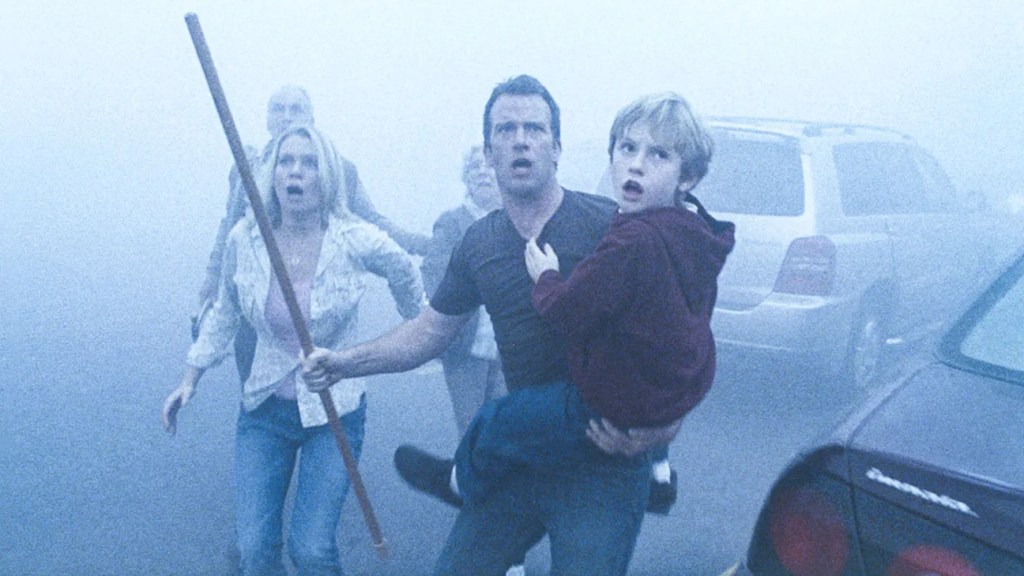
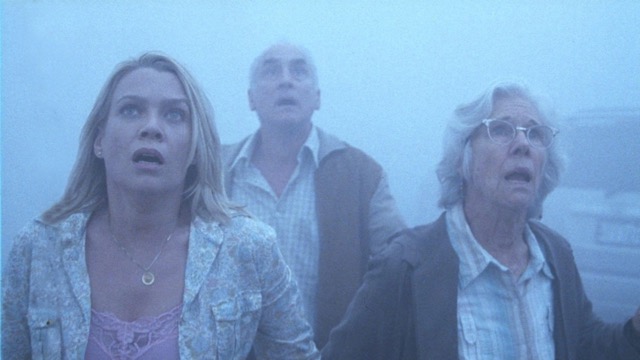
He has a penchant for creating atmospheric scenes that evoke powerful emotions. In The Mist, for example, he masterfully uses the enveloping fog as a metaphor for the unknown and the fears that come with it, building tension with every frame. His ability to balance grand set pieces with intimate character moments has earned him a reputation for deeply immersive storytelling.

Frank Darabont (1959 – -)
Calculated Films:
- The Shawshank Redemption (1994)
- The Green Mile (1999)
Similar Filmmakers
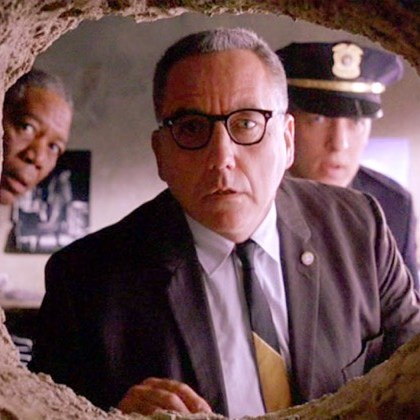
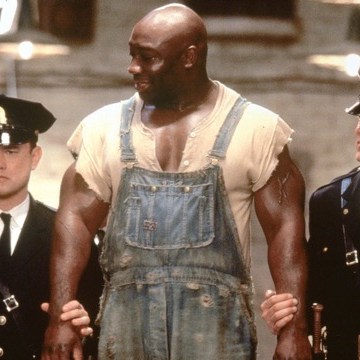
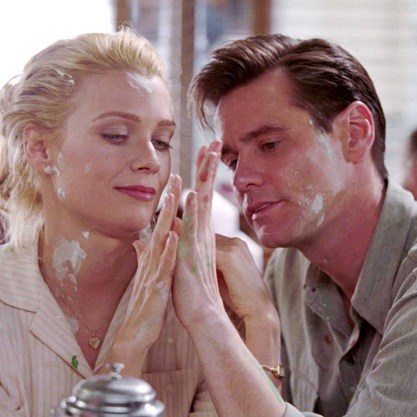
Frank Darabont’s Top Films Ranked
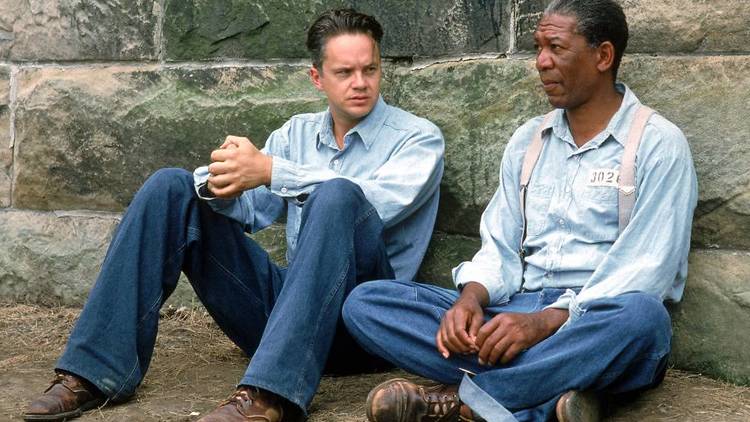
1. The Shawshank Redemption (1994)
Genre: Prison Film, Drama, Period Drama

2. The Green Mile (1999)
Genre: Prison Film, Drama, Low Fantasy

3. The Mist (2007)
Genre: Cosmic Horror, Horror, Psychological Thriller, Siege Film
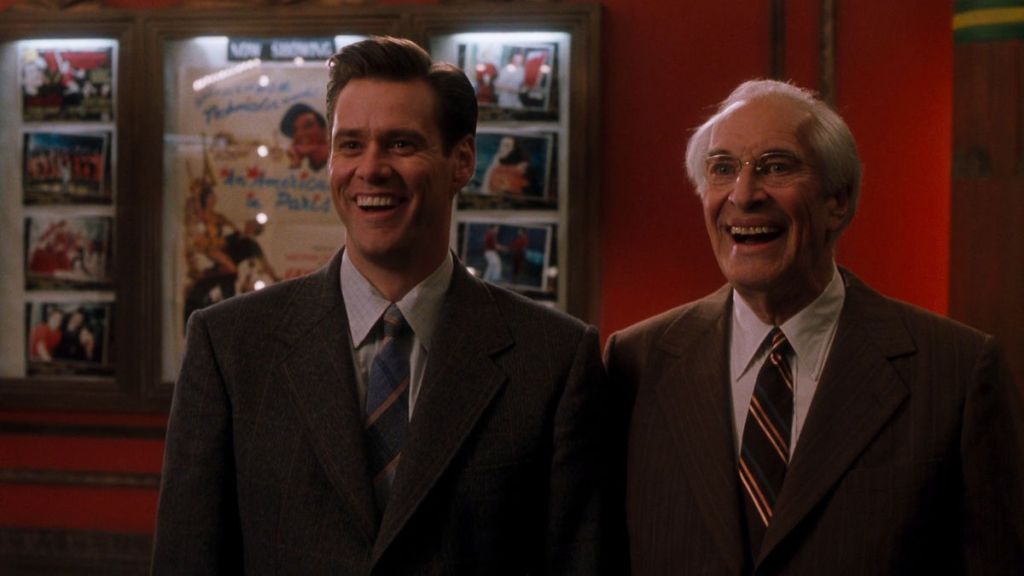
4. The Majestic (2001)
Genre: Melodrama
5. Buried Alive (1990)
Genre: Thriller

Frank Darabont: Themes and Style
Themes:
- Humanity and Redemption: Many of Darabont’s films explore the themes of humanity, redemption, and the transformative power of hope and friendship. This is evident in his well-known works, such as The Shawshank Redemption and The Green Mile, where characters find redemption and purpose amidst dire situations.
- Institutionalisation: He often delves into the lives of individuals within institutions (prisons, asylums), scrutinising the effects of long-term institutionalisation on the human psyche and spirit.
- Supernatural Elements: Darabont isn’t afraid to incorporate magical or fantastical elements into his storytelling as a means to further explore the depths of human experience, as observed in The Green Mile and The Mist.
- Survival and Desperation: The theme of survival under desperate circumstances runs consistently through his works, with characters often placed in situations that test their moral compass and survival instincts.
Styles:
- Visual Storytelling: Darabont utilises a visually-driven narrative style, employing meticulous framing, composition, and lighting to convey the story’s mood and tone. His scenes are often charged with emotion, enhanced by the visual elements at play.
- Character Development: He invests significantly in character development, crafting multi-dimensional characters that are relatable and evoke empathy from the audience.
- Narrative Pacing: Darabont’s works often unfold at a deliberate pace, allowing the story to breathe and build momentum organically. This pacing style facilitates a deeper connection between the audience and the characters.
- Adaptations: As a filmmaker who frequently adapts works from literature, particularly from Stephen King, Darabont maintains a faithful approach to the source material while adding his unique interpretative spin to the narrative and characters.
Directorial Signature:
- Collaborations: Darabont often collaborates with a recurring group of actors and crew members, creating a cohesive working environment that reflects in the consistency of his films’ quality and style.
- Voice-over Narration: He frequently employs voice-over narrations to provide depth and insight into the characters’ inner thoughts and the unfolding narrative, enhancing the storytelling experience for the viewers.
- Atmospheric Tone: His films often exude a specific atmospheric tone that mirrors the narrative’s emotional landscape. Whether it’s the oppressive environment of a prison or the tense atmosphere of a town enveloped in mist, the atmosphere in Darabont’s films is a character in itself.
Frank Darabont – The 264th Greatest Director


 Bronze Screen Dream