
Francesco Rosi was an Italian film director known for his politically-charged and socially-conscious cinema. Emerging during the post-war period, he made a name for himself with a series of films that challenged the status quo and exposed corruption and social injustice in Italy. Notable among his works are Salvatore Giuliano and Hands Over the City, films that confronted the realities of power and corruption in Italy and left a lasting impact on Italian cinema.
Rosi’s films consistently grappled with social, political, and economic issues, often focusing on the lives of the marginalised or the corrupt nature of institutions. He was particularly interested in exploring power dynamics and the underbelly of society, as seen in his film Lucky Luciano. His approach to filmmaking was deeply rooted in neorealism, a movement that emphasised social commentary and depicted the lives of the working class. However, he expanded this framework to include political thriller and docudrama elements, creating a distinctive blend of cinema.
Rosi was known for using real locations and non-professional actors, much like the neorealist directors before him. He incorporated investigative and journalistic elements, using the camera as an impartial observer to uncover the truth. He also often employed a fragmented narrative style, giving the audience pieces of the puzzle to put together, thereby involving them in the investigative process.
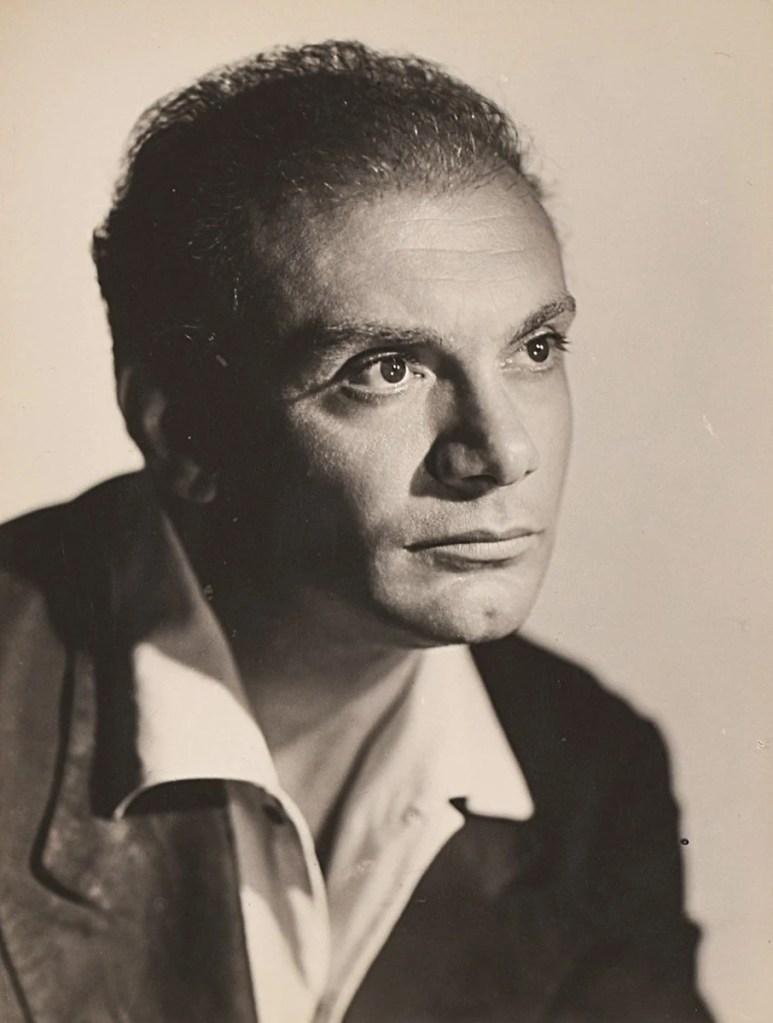
Francesco Rosi (1922 – 2015)
Calculated Films:
- Salvatore Giuliano (1962)
- Hands Over The City (1963)
- The Mattei Affair (1972)
- Illustrious Corpses (1976)
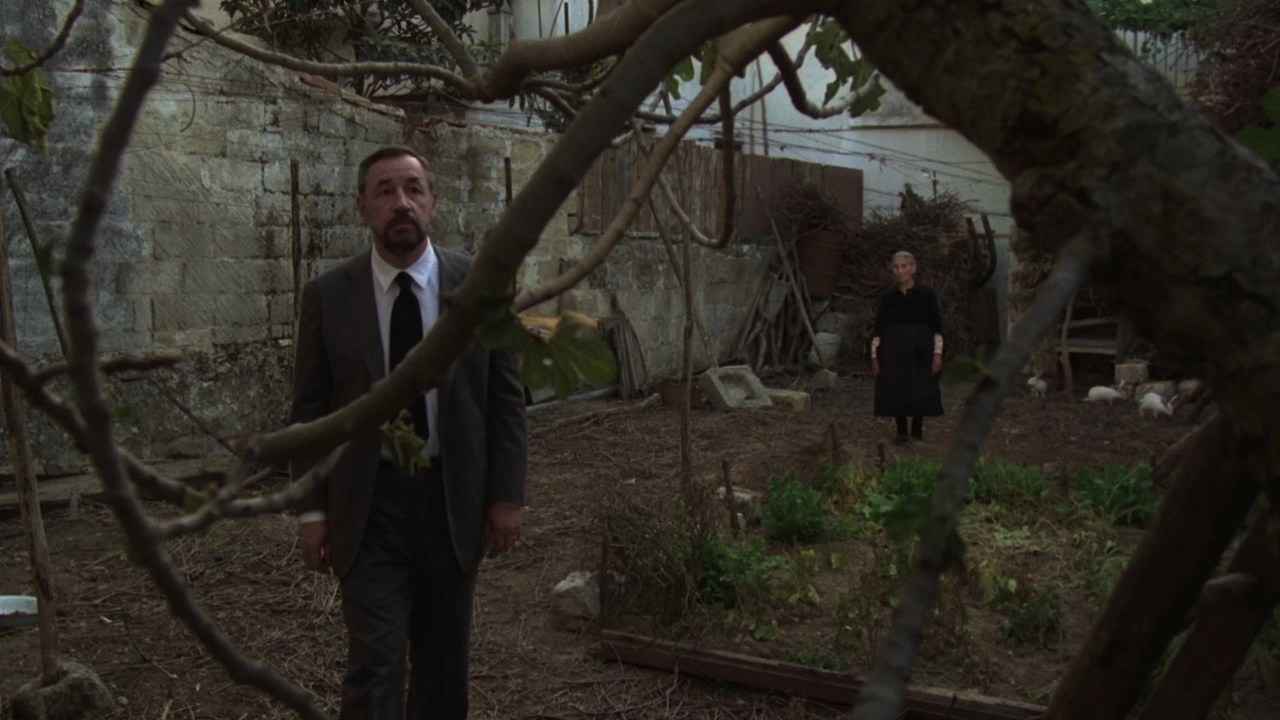
- Christ Stopped At Eboli (1979)
Similar Filmmakers
- Andrzej Wajda
- Bernardo Bertolucci
- Carlo Lizzani
- Carlos Saura
- Claudio Caligari
- Costa-Gavras
- Damiano Damiani
- Elio Petri
- Ermanno Olmi
- Ettore Scola
- Gianni Amelio
- Gillo Pontecorvo
- Marco Bellocchio
- Marco Tulio Giordana
- Pier Paolo Pasolini
- Roberto Faenza
- Roberto Rossellini
- Taviani Brothers
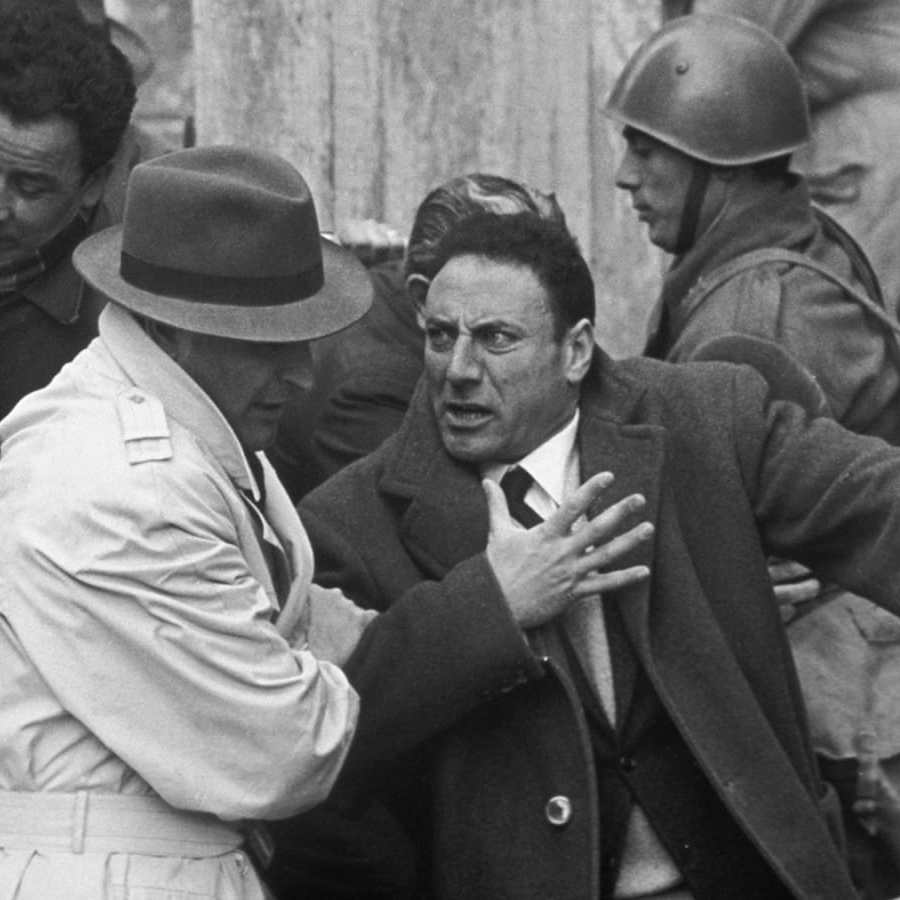
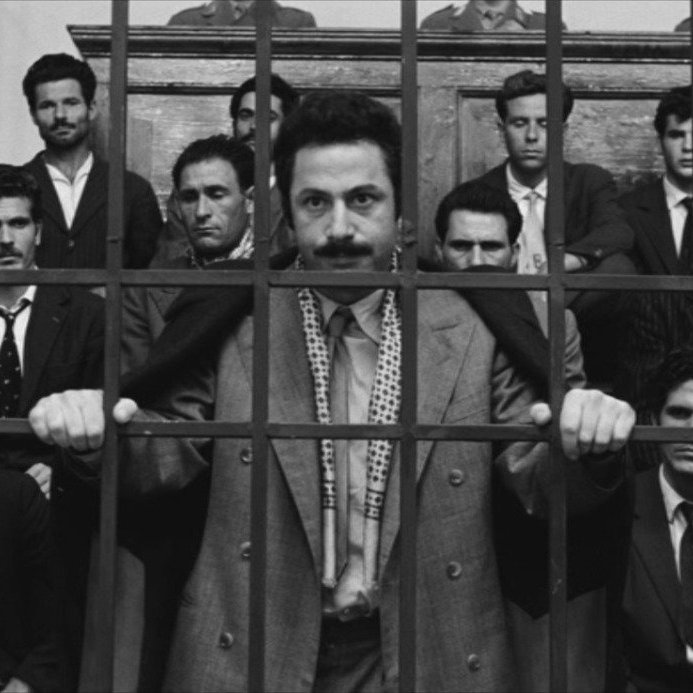
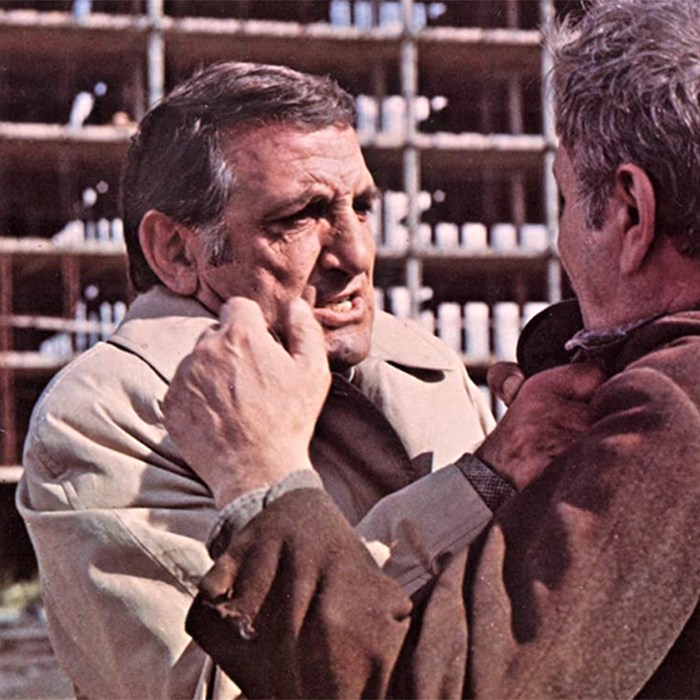
Francesco Rosi’s Top 5 Films Ranked
1. Hands Over The City (1963)
Genre: Political Drama
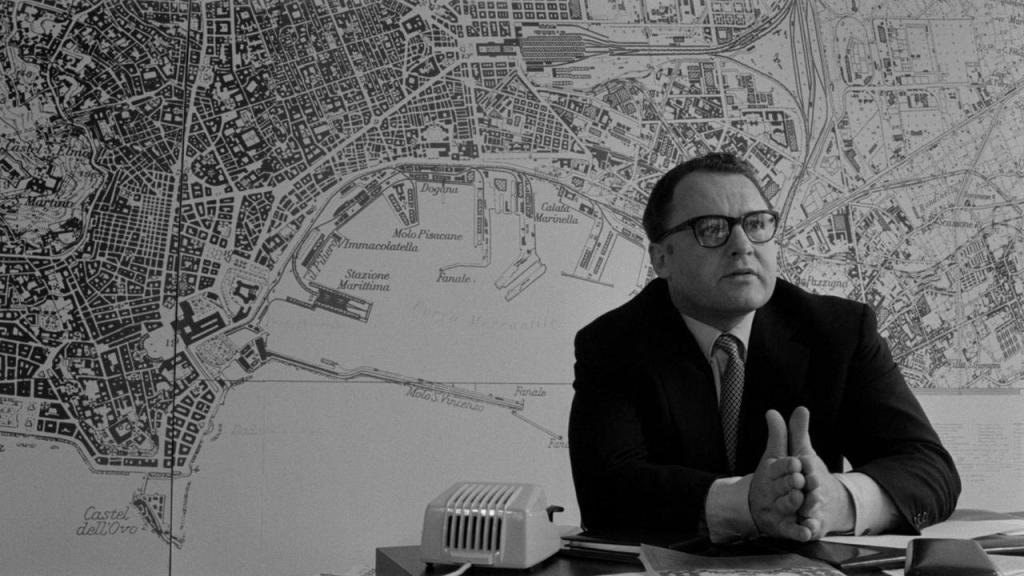
2. Christ Stopped At Eboli (1979)
Genre: Political Drama
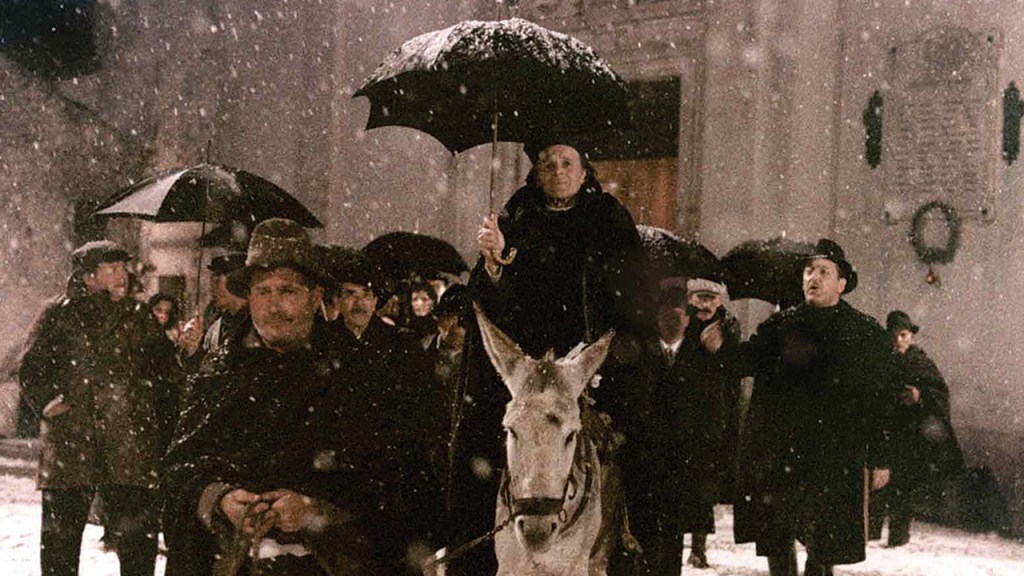
3. Salvatore Giuliano (1962)
Genre: Crime

4. The Mattei Affair (1972)
Genre: Biographical, Political Drama

5. Illustrious Corpses (1976)
Genre: Political Thriller
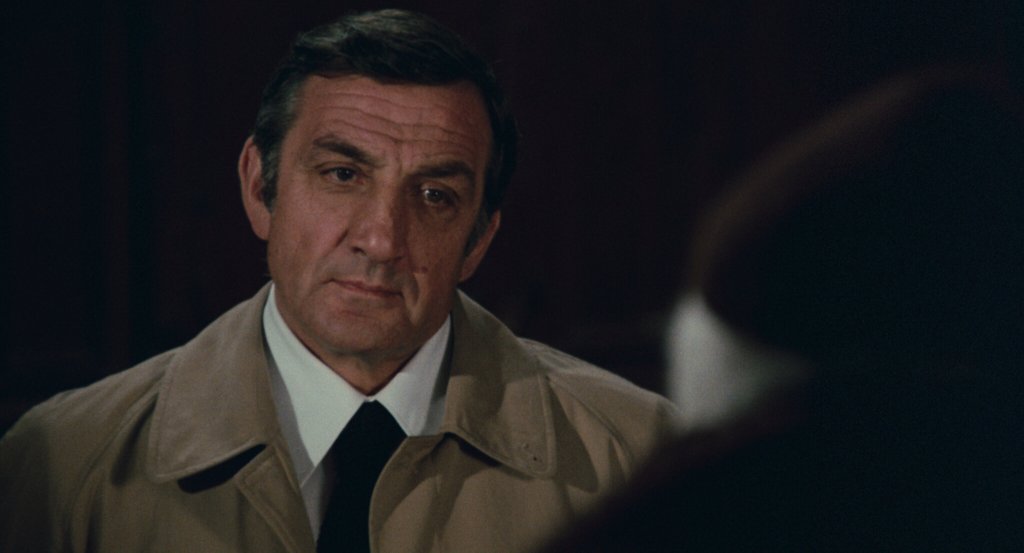
Francesco Rosi: Themes and Style
Themes:
- Social Injustice: Central to many of Rosi’s works, he frequently tackled systemic issues, shedding light on marginalised groups and revealing inequities in society.
- Political Corruption: Rosi’s films often critique the interplay of politics and power, revealing the underlying corruption that can permeate governmental and societal structures.
- Historical Reflection: He delved into Italy’s history to explore its influence on contemporary society, linking past events to present-day issues.
- Regional Dynamics: Particularly focused on the disparities between northern and southern Italy, emphasising the cultural, social, and economic differences.
- Real-life Events: Many of his stories were based on or inspired by true events, underscoring the authenticity and urgency of his narratives.
Styles:
- Documentary-style Narrative: Rosi often blurred the lines between fiction and documentary, using real locations, non-professional actors, and actual events to craft his stories.
- Investigative Approach: His films are characterised by a deep sense of inquiry as if the audience is uncovering truths alongside the filmmaker.
- Realism: Stemming from the Neorealism movement, Rosi’s films are grounded in reality, often showcasing the gritty, unvarnished side of life.
- Interwoven Timelines: Rather than linear narratives, Rosi often employed fragmented timelines, weaving past and present to provide a comprehensive understanding of events.
Directorial Signature:
- Deep Social Commitment: Beyond mere entertainment, Rosi’s films serve as a call to consciousness, urging viewers to question, reflect, and act.
- Authenticity Over Glamour: Eschewing stylised, glamorous portrayals, Rosi aimed for raw, honest depictions, even if they were unsettling or uncomfortable.
- Complex Characters: His characters were multifaceted and nuanced, reflecting the complexities of real-life individuals.
- Meticulous Research: Before embarking on a film project, Rosi would undertake thorough research, ensuring his portrayals were as accurate and authentic as possible.
Francesco Rosi – The 287th Greatest Director



 Bronze Screen Dream