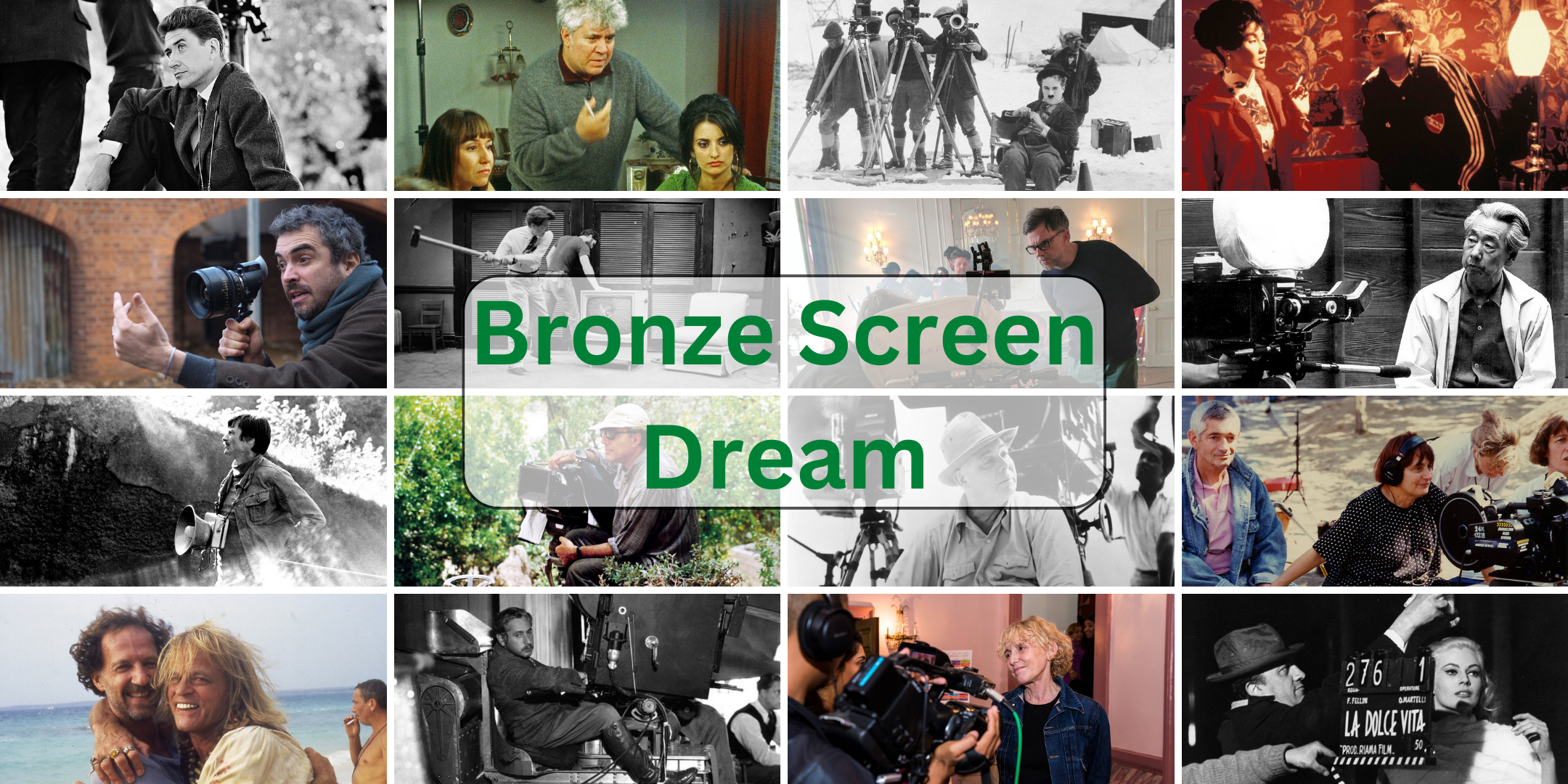
Below are some of the best Filipino directors ever. Click on their pictures to discover more about them.

A Brief History of Filipino Cinema
The origins of Filipino cinema can be traced back to January 31, 1897, when the first films were introduced in the Philippines by Spanish entrepreneur Antonio Ramos using the Lumière Cinematograph. These early films were simple recordings of daily events and quickly captured the fascination of the Filipino people. The first Filipino-made film is widely believed to be “Dalagang Bukid” (Country Maiden) by José Nepomuceno, known as the “Father of Philippine Cinema,” which was released in 1919.
The post-war era and the decades that followed were significant in shaping the modern Filipino film industry. The 1950s to the 1970s are often considered the “Golden Age” of Philippine cinema, characterised by the emergence of new cinematic styles and the production of films that reflected the realities of Filipino life. Directors like Gerardo de Leon and Lino Brocka became notable figures during this period, creating films that were both artistically significant and socially relevant. Brocka’s “Maynila: Sa mga Kuko ng Liwanag” (Manila in the Claws of Light) and Ishmael Bernal’s “Himala” (Miracle) are among the most acclaimed Filipino films of this era.
The rise of digital filmmaking has enabled more diverse voices and stories to be told, leading to the international recognition of Filipino films. Notable contemporary directors like Brillante Mendoza, Lav Diaz, and Erik Matti have gained acclaim for their unique storytelling and visual style. Mendoza’s “Kinatay” and Diaz’s “Norte, the End of History” have been celebrated in international film festivals, showcasing the depth and versatility of Filipino cinema.
 Bronze Screen Dream