

Fernando Meirelles is a Brazilian film director and producer best known for his gripping narratives that delve into the human psyche, social inequalities, and the complexities of interpersonal relationships. His films often gain international acclaim, with City of God being one of his most recognised works, offering a visceral exploration of life in the favelas of Rio de Janeiro.
His films frequently spotlight human experiences set against the backdrop of larger societal issues. For instance, The Constant Gardener, adapted from John le Carré’s novel, is not just a love story but also a commentary on global pharmaceutical ethics and the disparity between the global North and South. Similarly, Meirelles often infuses his works with a strong sense of place, whether it’s the bustling streets of Nairobi or the favelas in Brazil, allowing the environment to become a character in its own right.
Visually, Meirelles tends to employ a kinetic and vibrant style, using handheld camera techniques to create a sense of immediacy and urgency. This style is evident in City of God, where the camera moves rapidly through the favelas, capturing the frenetic pace of life and the inherent dangers lurking around every corner. Moreover, his approach to storytelling is deeply collaborative; he often works closely with local communities to ensure authenticity, as seen in City of God, where he cast many non-professional actors from the favelas.
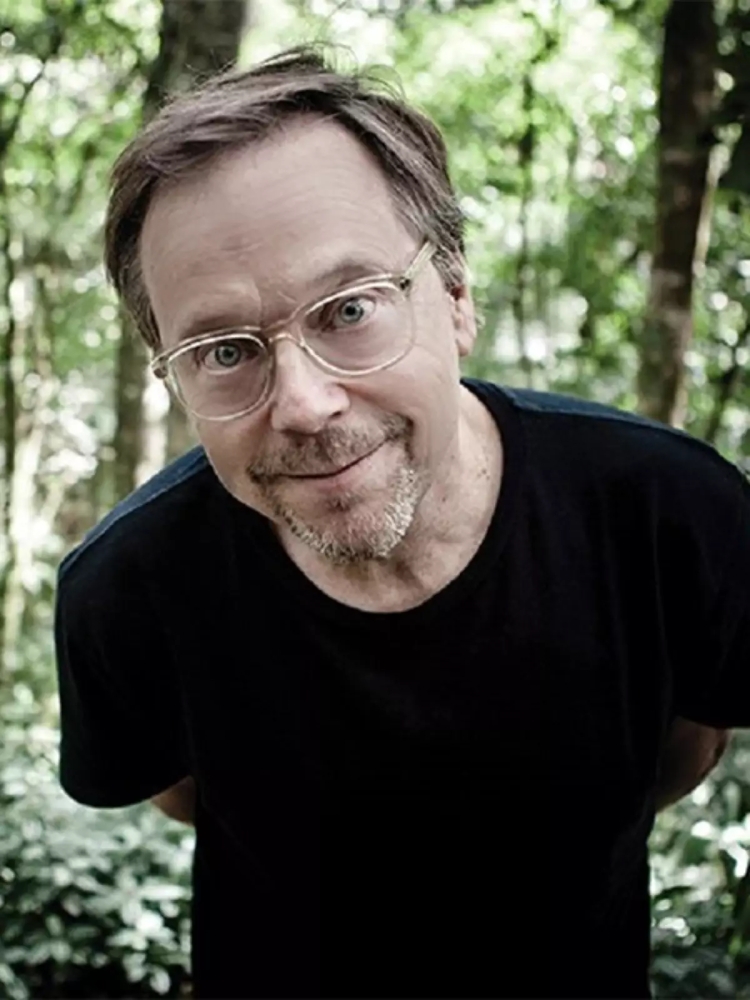
Fernando Meirelles (1955 –)
Calculated Films:
- City of God (2002)
- The Two Popers (2019)
Similar Filmmakers
- Alejandro G. Inarritu
- Anna Muylaert
- Bruno Barreto
- Cary Fukunaga
- Ciro Guerra
- Claudia Llosa
- Danny Boyle
- Gavin Hood
- Glauber Rocha
- Hector Babenco
- Jose Padilha
- Juan José Campanella
- Katia Lund
- Kleber Mendonca Filho
- Lucia Murat
- Pablo Trapero
- Sebastian Lelio
- Walter Salles



Fernando Meirelles’ Top 5 Films Ranked
1. City of God (2002)
Genre: Crime, Coming-of-Age, Drama

2. The Two Popes (2019)
Genre: Biographical

3. The Constant Gardener (2005)
Genre: Political Thriller, Drama, Romance

4. Maids (2001)
Genre: Comedy, Drama

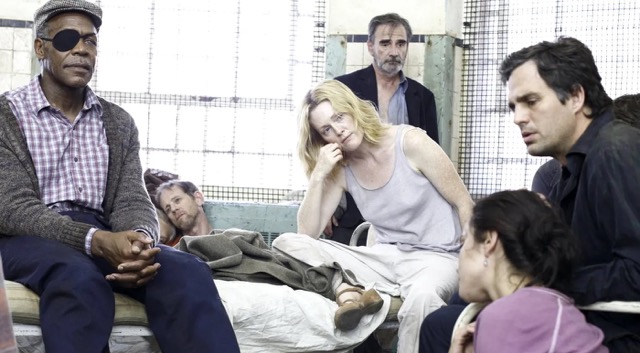
5. Blindness (2008)
Genre: Dystopian, Drama, Thriller, Epidemic

Fernando Meirelles: Themes and Style
Themes:
- Socio-political Commentary: Many of Meirelles’s films delve deeply into social, economic, and political issues, particularly those affecting Brazil and the wider world.
- Human Connectivity: Meirelles often explores the intricate web of relationships that form in various societies, be they favelas, global cities, or even within a single building.
- Survival: Whether it’s the daily life in a favela or the global impact of disease, survival—both physical and emotional—is a recurring theme in his films.
- Moral Ambiguity: Meirelles often blurs the line between right and wrong, posing challenging questions about morality to the audience.
Styles:
- Kinetic Camera Work: His films often use a rapid, handheld camera style, giving a sense of immediacy and energy to his scenes. This is particularly noticeable in City of God.
- Non-linear Storytelling: Meirelles frequently employs fragmented and non-linear narratives, allowing the story to unfold from different perspectives and timelines.
- Vibrant Colour Palette: His films often make use of a bright and vivid colour palette, reflecting the vibrancy of the locations, especially in Brazil.
- Use of Non-professional Actors: Especially in City of God, Meirelles incorporated non-professional actors from the favelas, adding authenticity to his characters and the story.
Directorial Signature:
- Authentic Representation: Meirelles’s films, especially when showcasing life in Brazil, resonate with a genuine touch. This is not only through his storytelling but also in his meticulous detailing of the locales, characters, and their lives.
- Global Perspective: While deeply rooted in Brazilian culture and issues, Meirelles’s films also possess a universal appeal. His movie The Constant Gardener, for instance, explores global issues, connecting Brazil with the world.
- Juxtaposition: Meirelles often juxtaposes beauty with violence, affluence with poverty, and hope with despair, thereby creating poignant and memorable cinematic moments.
- Commitment to Realism: Even in the most violent or desperate scenes, Meirelles refrains from over-dramatising. His commitment to realism ensures that his films are grounded, making them even more impactful.
Fernando Meirelles – Great Director


 Bronze Screen Dream